The Future of Drug Development: How AI-Enhanced PBPK Modeling is Transforming Pharmacokinetic Predictions
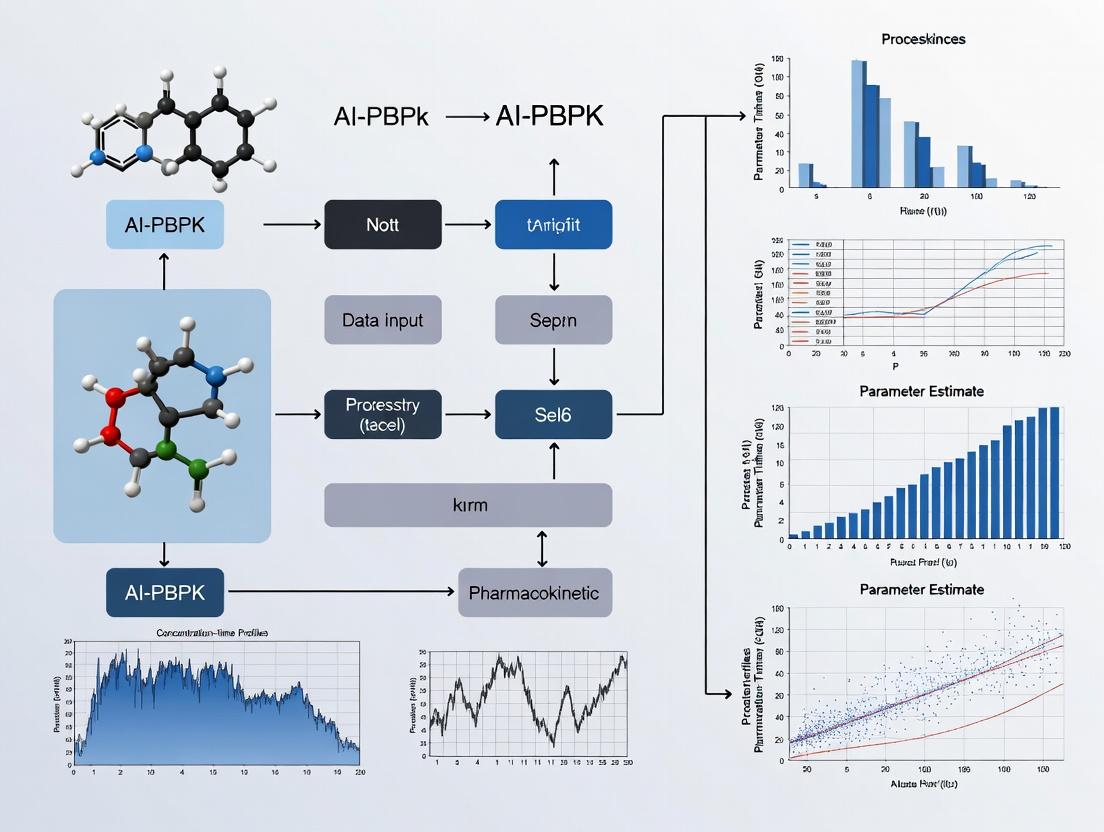
This article explores the transformative integration of artificial intelligence (AI) with Physiologically Based Pharmacokinetic (PBPK) modeling for predicting drug behavior in the human body.
The Future of Drug Development: How AI-Enhanced PBPK Modeling is Transforming Pharmacokinetic Predictions
Abstract
This article explores the transformative integration of artificial intelligence (AI) with Physiologically Based Pharmacokinetic (PBPK) modeling for predicting drug behavior in the human body. Aimed at researchers, scientists, and drug development professionals, it provides a comprehensive overview from foundational concepts to advanced applications. We first define AI-PBPK and its core components, then detail methodologies for model building, data integration, and application in critical areas like DDI and first-in-human dosing. The guide addresses common challenges in data quality and model interpretability, offering optimization strategies. Finally, it examines validation frameworks and compares AI-PBPK against traditional methods, highlighting its superior predictive power and efficiency in accelerating the drug development pipeline.
AI Meets Physiology: Demystifying the Fundamentals of AI-PBPK Modeling
What is AI-PBPK? Defining the Convergence of Machine Learning and Mechanistic Modeling
This article, framed within a broader thesis on AI-PBPK models for predicting pharmacokinetic (PK) properties, explores the integration of Artificial Intelligence (AI) with Physiologically-Based Pharmacokinetic (PBPK) modeling. AI-PBPK represents a paradigm shift, enhancing the predictive power and efficiency of traditional mechanistic models by addressing their limitations in handling high-dimensional data, uncertainty quantification, and extrapolation.
Core Concepts & Quantitative Data
Table 1: Comparison of Traditional PBPK, ML, and Integrated AI-PBPK Approaches
| Feature | Traditional PBPK | Machine Learning (ML) | AI-PBPK |
|---|---|---|---|
| Basis | Mechanistic (Physiology, Biology) | Empirical (Data Patterns) | Hybrid Mechanistic-Empirical |
| Data Requirement | In vitro & physiological parameters | Large, high-quality PK datasets | Multimodal ( in vitro, in silico, in vivo, omics) |
| Interpretability | High (White-box) | Often Low (Black-box) | Enhanced (Grey-box) |
| Extrapolation | Strong (Principles-based) | Weak (Interpolation-focused) | Robust (Guided extrapolation) |
| Primary Application | DDI, Special Populations, Formulation | PK Property Prediction, Clustering | Virtual Population Generation, Parameter Optimization, Uncertainty Quantification |
| Key Limitation | High parameter uncertainty, Computationally intensive | Limited physiological insight, Poor generalizability | Model complexity, Validation standards |
Table 2: Reported Performance Metrics of AI-PBPK Models in Recent Studies (2023-2024)
| Study Focus | ML Technique Used | Key Improvement over Standalone PBPK | Quantitative Metric |
|---|---|---|---|
| Tissue-Plasma Partition Coefficient (Kp) Prediction | Graph Neural Networks (GNN) | Accuracy for novel compounds | RMSE reduced by ~40% (from 0.81 to 0.49 log units) |
| Cytochrome P450 (CYP) Mediated Drug-Drug Interaction (DDI) | Gaussian Process (GP) for Parameter Optimization | DDI AUC ratio prediction | Mean absolute error (MAE) of 0.15 vs. 0.22 in traditional PBPK |
| Pediatric PK Scaling | Bayesian Neural Networks (BNN) | Uncertainty quantification in clearance prediction | 95% Credible Interval coverage increased to 92% from 78% |
| Virtual Population Generation | Variational Autoencoders (VAE) | Representativeness of physiological diversity | Generated population captured 95% of covariance in original demographic data |
Application Notes & Protocols
Application Note 1: AI-PBPK for Optimizing Clinical Trial Design
Objective: To use an AI-PBPK model to inform dose selection and patient stratification for a Phase II clinical trial of a new hepatically-cleared drug (Compound X).
Protocol:
- Model Framework Setup:
- Establish a prior PBPK model for Compound X in a commercial platform (e.g., Simcyp, PK-Sim).
- Define variable parameters: hepatic intrinsic clearance (CLint), fraction unbound in plasma (fu), and enterocyte permeability (Peff).
- AI Integration for Parameterization:
- Train a Bayesian Optimization (BO) algorithm on in vitro assay data (microsomal CLint, Caco-2 Peff) and preclinical in vivo PK data from three animal species.
- The BO algorithm's objective is to find the set of PBPK parameters that minimizes the error between model-predicted and observed plasma concentration-time profiles in preclinical species.
- Virtual Population Simulation:
- Use the AI-optimized PBPK model to simulate a virtual trial population (n=1000) matching the target Phase II demographics (age, weight, CYP genotype prevalence, renal function).
- Run trials for multiple dosing regimens (e.g., 50mg, 100mg, 200mg QD).
- Output & Analysis:
- The AI component analyzes simulation outputs to predict the probability of target exposure attainment and key PK metrics (AUC, Cmax) for each dose.
- It identifies covariates (e.g., genetic status, ALT levels) most predictive of exposure variability using embedded feature importance analysis.
- Recommendation: Proceed with 100mg QD dose, with a recommendation to stratify or monitor patients with specific CYP2C9 poor metabolizer genotypes.
Application Note 2: Hybrid AI-PBPK for Formulation Development
Objective: To predict the food-effect bioavailability of a new BCS Class II drug (Compound Y) using a model that integrates ML-predicted solubility with a mechanistic absorption PBPK model.
Protocol:
- ML Model for Solubility Prediction:
- Dataset: Curate a dataset of measured solubility under fed/fasted state biorelevant media (FaSSIF, FeSSIF) for 500 diverse compounds.
- Features: Use molecular descriptors (e.g., logP, molecular weight, H-bond donors/acceptors) and formulation excipient descriptors.
- Model Training: Train a Random Forest Regressor to predict FaSSIF and FeSSIF solubility.
- Output: Predicted solubility profiles for Compound Y under fed and fasted conditions.
- PBPK Model Integration:
- Build an advanced dissolution, absorption, and metabolism (ADAM) PBPK model.
- Replace the static solubility parameter with the dynamic, media-pH-dependent solubility profile output from the ML model.
- Incorporate biorelevant gastrointestinal physiology changes for fed vs. fasted states.
- Simulation & Validation:
- Simulate PK profiles for Compound Y administered as a solid oral dosage form under fed and fasted conditions.
- Compare the predicted fed/fasted AUC and Cmax ratios against early clinical food-effect study results (if available) or in vivo preclinical data.
- Outcome: The hybrid model provides a rationale for whether a clinical food-effect study is critical, potentially reducing development time and cost.
Visualization of AI-PBPK Workflows
Diagram 1: AI-PBPK Synergistic Workflow
Diagram 2: AI-PBPK Model System Architecture
The Scientist's Toolkit: Key Research Reagent Solutions
Table 3: Essential Tools & Resources for AI-PBPK Research
| Category | Item/Solution | Function in AI-PBPK Research |
|---|---|---|
| PBPK Software | Simcyp Simulator, GastroPlus, PK-Sim | Provides the core mechanistic modeling framework and verified physiological databases for building the PBPK component. |
| AI/ML Platforms | Python (PyTorch, TensorFlow, Scikit-learn), R, MATLAB | Environment for developing, training, and deploying custom ML models for parameter prediction and data analysis. |
| Data Curation Tools | KNIME, Pipeline Pilot, Custom SQL Databases | Assists in aggregating, cleaning, and managing heterogeneous data from in vitro assays, clinical trials, and literature. |
| Optimization Libraries | Optuna, BayesianOptimization (Python), Monolix | Enables efficient calibration of complex PBPK models using AI-driven parameter estimation and sensitivity analysis. |
| Visualization Suites | Spotfire, R Shiny, matplotlib/seaborn (Python) | Critical for interpreting high-dimensional simulation outputs and creating interactive dashboards for decision-making. |
| Validation Databases | Open Systems Pharmacology (OSP) Database, PKPD Database | Provides high-quality, curated in vivo PK datasets for validating and benchmarking AI-PBPK model predictions. |
Within the broader thesis on AI-PBPK models for predicting pharmacokinetic properties, this document provides detailed application notes and protocols for its three core technical components. The integration of a mechanistic Physiological-Based Pharmacokinetic (PBPK) engine with adaptive AI/ML layers, underpinned by a robust data infrastructure, represents a paradigm shift in predictive pharmacokinetics and drug development.
The PBPK Engine: Mechanistic Core
The PBPK engine provides the deterministic, physiology-grounded foundation of the framework.
Core System of Equations
The engine solves a coupled system of mass-balance differential equations for each organ compartment i:
dA_i/dt = Q_i * (C_arterial - C_ven_i) + Transport_terms - Metabolism_terms
Where:
A_i: Amount of drug in compartment iQ_i: Blood flow to compartment iC_arterial: Arterial blood drug concentrationC_ven_i: Venous effluent concentration from compartment i
Table 1: Typical PBPK Engine Input Parameters & Sources
| Parameter Category | Example Parameters | Typical Data Source | Uncertainty Range (CV%)* |
|---|---|---|---|
| Physiological | Organ volumes, Blood flows, Tissue composition | Population databases (ICRP, NHANES) | 10-25% |
| Compound-Specific | LogP, pKa, Solubility, Permeability | In vitro assays (HT-Adme) | 15-40% |
| System-Dependent | CYP enzyme abundances & activities, BCRP/MDR1 expression | Proteomics, Genotyping databases | 30-60% |
| Process-Specific | CL_int (intrinsic clearance), K_m, V_max |
Hepatocyte/ microsome assays, Recombinant enzymes | 20-50% |
*CV%: Coefficient of Variation representing inter-individual or experimental variability.
Protocol: Parameterization and Verification of the PBPK Engine
Objective: To parameterize a base PBPK model for a new chemical entity (NCE) and verify its mechanistic integrity prior to AI integration. Materials: See Scientist's Toolkit (Section 6). Workflow:
- Compound Input Assembly: Collate all in vitro and in silico derived physicochemical and system-dependent parameters.
- Physiological System Selection: Choose a representative virtual population (e.g., healthy volunteer population from PK-Sim or Simcyp libraries).
- Model Implementation: Code the equations in a suitable environment (e.g., MATLAB, R, Python with SciPy, or commercial software API).
- Sensitivity Analysis (Local): Perform a one-at-a-time (OAT) sensitivity analysis on all input parameters to identify key drivers of exposure (AUC, C~max~).
- Verification Simulation: Simulate a basic intravenous (IV) bolus administration to ensure mass balance and physiological plausibility of concentration-time profiles.
- Output: A verified, stand-alone PBPK model ready for calibration with in vivo data and connection to the AI layer.
Diagram Title: PBPK Engine Parameterization and Verification Protocol
AI/ML Layers: Adaptive Intelligence
AI/ML layers augment the PBPK engine by learning from discrepancies between its predictions and observed data, thereby refining input parameters and identifying hidden patterns.
Architectural Layers and Functions
Table 2: AI/ML Layer Architecture in AI-PBPK Framework
| Layer | Primary Function | Common Algorithms/Networks | Output to |
|---|---|---|---|
| Calibration & Optimization | Adjusts uncertain PBPK parameters (e.g., CL_int, K_p) to fit observed PK data. |
Bayesian Inference, Genetic Algorithms, Gaussian Processes. | PBPK Engine / Fusion Layer |
| Surrogate Modeling | Creates ultra-fast approximate emulators of the full PBPK model for rapid exploration. | Deep Neural Networks (DNNs), Random Forest, Support Vector Regression. | Fusion Layer / End-user |
| Fusion & Decision | Integrates predictions from multiple models (PBPK, QSP, QSAR) and recommends optimal parameters. | Ensemble Methods (Stacking), Reinforcement Learning. | End-user / Reporting |
| Uncertainty Quantification | Characterizes prediction confidence from all sources (parameter, structural, variability). | Conformal Prediction, Monte Carlo Dropout (for DNNs). | All Layers / End-user |
Protocol: Bayesian Calibration of PBPK Model Parameters
Objective: To calibrate key uncertain parameters of the PBPK engine using in vivo PK data and Bayesian inference. Workflow:
- Prior Distribution Definition: Define prior probability distributions for parameters to be calibrated (e.g.,
CL_int~ LogNormal(μ, σ),K_p_tissue~ Normal(μ, σ)). - Likelihood Function Specification: Define a function quantifying the difference between PBPK predictions (C~pred~) and observed data (C~obs~), often assuming a log-normal error model.
- Sampling: Use Markov Chain Monte Carlo (MCMC) sampling (e.g., No-U-Turn Sampler - NUTS) to explore the parameter space and generate samples from the posterior distribution.
- Convergence Diagnostics: Assess chain convergence using metrics like Gelman-Rubin statistic (R̂ < 1.05) and effective sample size.
- Posterior Analysis: Use the posterior distributions (median/mean ± credible intervals) as refined inputs for the PBPK engine in subsequent predictions.
Diagram Title: AI-PBPK Bayesian Calibration Data Flow
Data Infrastructure: Foundational Substrate
A unified data infrastructure is critical for training, operating, and validating the integrated AI-PBPK model.
Core Data Modules & Standards
Table 3: Essential Data Infrastructure Components
| Module | Purpose | Key Standards/Technologies | Governance Need |
|---|---|---|---|
| Compound Data Lake | Central repository for all chemical, in vitro, and in vivo data per compound. | SMILES, InChIKey, CDISC SEND for PK data. | High (Data lineage, versioning) |
| Physiological Atlas | Curated database of population physiology, enzyme abundances, disease states. | OMOP CDM, BioPortal ontologies. | Medium (Ethical use, licensing) |
| Model Registry | Versioned storage of PBPK model files, AI/ML scripts, and trained surrogate models. | MLflow, DVC, containerization (Docker). | High (Reproducibility) |
| Feature Store | Serves pre-computed, consistent input features (e.g., molecular descriptors) for AI/ML training. | Feast, Tecton, Apache Hive. | High (Feature consistency) |
Protocol: Establishing a Continuous Learning Pipeline for Surrogate Models
Objective: To create an automated pipeline that retrains the AI/ML surrogate models as new experimental data enters the infrastructure. Workflow:
- Data Trigger: New in vivo PK study data is uploaded to the Compound Data Lake, passing QC checks.
- Feature Generation: The pipeline automatically generates relevant input features (molecular descriptors, in vitro endpoints) via the Feature Store.
- PBPK Simulation: The canonical PBPK model is run to generate a corresponding set of high-fidelity simulated data points for the new compound/scenario.
- Dataset Update: The new paired data (inputs + PBPK simulation outputs) is appended to the training dataset for the surrogate model.
- Model Retraining & Validation: The DNN-based surrogate model is automatically retrained on the updated dataset and validated against a hold-out set.
- Model Deployment: If validation metrics improve, the new surrogate model version is deployed to the Model Registry for use by researchers.
Integrated Application Protocol: Predicting Human PK for an NCE
Objective: To apply the full AI-PBPK framework for the prediction of human plasma concentration-time profiles following oral administration of a new compound.
Step-by-Step Methodology:
- Input Assembly: Gather all NCE data (Table 1) into the Data Infrastructure.
- PBPK Engine Setup: Build and verify a rat PBPK model using the protocol in 2.2, calibrated to pre-clinical rat PK data (using protocol 3.2).
- Allometric Scaling with AI refinement: Perform traditional allometric scaling from rat to human. Use an AI surrogate model (trained on historical cross-species scaling data) to predict and apply a correction factor to the scaled human
CL_intandV_ss. - Human PBPK Simulation: Execute the human PBPK simulation using the AI-refined parameters.
- Uncertainty Quantification: Propagate parameter uncertainties (from Bayesian posteriors and physiological variability) through the human PBPK model using Monte Carlo simulation to generate prediction intervals (e.g., 5th-95th percentiles).
- Output & Validation: Generate predicted human PK profiles with confidence intervals. Upon completion of first-in-human (FIH) trials, compare predictions to observed data to validate the framework and feed results back into the data infrastructure for continuous learning.
The Scientist's Toolkit: Key Research Reagent Solutions
Table 4: Essential Materials and Tools for AI-PBPK Research
| Item/Category | Function in AI-PBPK Research | Example/Provider |
|---|---|---|
| High-Throughput In Vitro ADME Assays | Generates critical compound-specific input parameters (solubility, permeability, metabolic stability). | Corning Gentest, BioIVT Hepatocytes, LC-MS/MS systems. |
| Commercial PBPK Software | Provides validated, peer-reviewed PBPK engines and physiological databases for initial model building. | Simcyp Simulator, GastroPlus, PK-Sim. |
| Molecular Descriptor Software | Computes chemical features for AI/ML model training and compound similarity analysis. | RDKit, MOE, Dragon. |
| Bayesian Inference Engines | Enables probabilistic calibration and uncertainty quantification per Protocol 3.2. | Stan (via CmdStanPy/PyStan), PyMC3, NONMEM. |
| Machine Learning Frameworks | Used to build, train, and deploy surrogate models and other AI layers. | PyTorch, TensorFlow, scikit-learn. |
| Data Pipeline & Orchestration | Automates the continuous learning pipeline and data flow between components. | Apache Airflow, Prefect, MLflow. |
| Containerization Platform | Ensures reproducibility of the entire software environment (PBPK engine + AI stack). | Docker, Singularity. |
Application Notes: The PBPK Paradigm Shift
Physiologically Based Pharmacokinetic (PBPK) modeling has undergone a transformative evolution, critical for the thesis on AI-PBPK integration in predicting pharmacokinetic properties.
Table 1: Evolution of PBPK Modeling Paradigms
| Feature | Traditional Deterministic PBPK | Modern AI-Driven Hybrid PBPK |
|---|---|---|
| Core Structure | Fixed, physiology-based compartments (organs/tissues). | Dynamic, data-driven structures that can adapt or learn latent compartments. |
| Parameterization | Relies on a priori physiological (e.g., blood flows, tissue volumes) and drug-specific (e.g., LogP, pKa) data. | Integrates a priori data with high-dimensional in vitro and in silico bioactivity data for parameter inference. |
| Variability Handling | Limited to predefined demographic covariates (age, weight, CYP polymorphisms). | Can model complex, non-linear covariate relationships and identify novel sources of variability from '-omics' data. |
| Key Output | Deterministic prediction of mean PK profiles. | Probabilistic forecasts with quantified uncertainty and "digital twin" simulations for virtual populations. |
| Primary Application | Drug-drug interaction (DDI) risk assessment, pediatric extrapolation, formulation design. | First-in-human dose prediction for novel modalities, optimizing clinical trial design, personalized dosing regimens. |
Table 2: Quantitative Impact of AI-PBPK Integration in Recent Studies
| Study Focus | Model Type | Key Metric Improvement | Result |
|---|---|---|---|
| Human PK Prediction for Small Molecules | Hybrid PBPK + Deep Neural Networks | Reduction in AUC prediction error vs. traditional PBPK. | Error reduced from ~2.5-fold to ~1.5-fold for 85% of test compounds. |
| Monoclonal Antibody Disposition | PBPK + Gaussian Process Models | Accuracy of tissue distribution prediction. | Improved prediction of lymph node and tumor interstitial concentrations (R² > 0.85). |
| Pediatric Pharmacokinetics | PBPK + Machine Learning Covariate Model | Accuracy of clearance prediction in neonates. | Mean absolute error reduced by 40% compared to allometric scaling alone. |
Experimental Protocols
Protocol 1: Developing a Hybrid AI-PBPK Model for Small Molecule PK Prediction
Objective: To construct and validate a hybrid model that uses machine learning to predict tissue-to-plasma partition coefficients (Kp) for integration into a whole-body PBPK framework.
Materials: See "Scientist's Toolkit" below.
Workflow:
- Data Curation: Assemble a database of in vivo human PK parameters (e.g., clearance, volume of distribution) and associated in vitro assay data (e.g., hepatocyte clearance, plasma protein binding) for a diverse set of 500+ compounds.
- Descriptor Generation: Calculate a comprehensive set of molecular descriptors (≥200) and fingerprints for each compound.
- ML Model Training: Split data (80/20). Train a Gradient Boosting Regressor (e.g., XGBoost) to predict in vivo clearance, using in vitro data and molecular descriptors as features. Optimize hyperparameters via cross-validation.
- PBPK Integration: Use the trained ML model to predict clearance for new compounds. Input this predicted value, alongside other in vitro parameters, into a parameter estimation routine within a PBPK software platform (e.g., GastroPlus, Simbiology, or open-source mrgsolve).
- Model Calibration & Validation: Calibrate the hybrid model using a subset of compounds. Validate by comparing predicted vs. observed plasma concentration-time profiles for the external test set. Evaluate using fold-error of AUC and Cmax.
Protocol 2: Protocol for Virtual Bioequivalence Study Using AI-Enhanced PBPK
Objective: To leverage a population-based AI-PBPK model to simulate a virtual bioequivalence trial for a generic formulation.
Materials: PBPK software with population simulator, formulation-specific parameters (dissolution profile, solubility), AI module for simulating demographic and genomic covariates.
Workflow:
- Base Model Development: Develop and validate a PBPK model for the reference listed drug (RLD) using clinical PK data.
- Formulation Integration: Incorporate the in vitro dissolution profile of the test (generic) formulation into the gastrointestinal compartment model.
- Virtual Population Generation: Use a trained generative adversarial network (GAN) or covariate model to create a virtual population (n=1000) that reflects the demographic (BMI, age, sex) and genetic (CYP2D6 phenotype prevalence) characteristics of the target patient population.
- Trial Simulation: Execute the PBPK simulation for the reference and test formulations across the entire virtual population, incorporating inter-individual variability and formulation differences.
- Statistical Analysis: Calculate the geometric mean ratio (GMR) and 90% confidence intervals for AUC0-t and Cmax from the simulated PK profiles. Apply standard bioequivalence criteria (80-125%).
Visualizations
Diagram 1: PBPK Evolution Workflow Comparison
Diagram 2: AI-PBPK Prediction Pipeline
The Scientist's Toolkit
Table 3: Essential Research Reagents & Tools for AI-PBPK Research
| Item | Function & Rationale |
|---|---|
| High-Throughput In Vitro Assay Kits (e.g., hepatocyte stability, permeability) | Generate scalable, consistent input data for training ML models on key ADME processes. |
| Molecular Descriptor Software (e.g., RDKit, MOE, Dragon) | Calculate quantitative chemical features that serve as critical input features for QSAR and ML models. |
| PBPK Modeling Platform (e.g., GastroPlus, Simcyp, PK-Sim, mrgsolve) | Provides the physiological framework and solver for integrating ML-predicted parameters and running simulations. |
| Machine Learning Framework (e.g., Python Scikit-learn, TensorFlow, PyTorch) | Enables the development, training, and deployment of custom AI models for parameter prediction and uncertainty analysis. |
| Curated Pharmacokinetic Database (e.g., Pharmapendium, DrugBank, internal data warehouses) | Serves as the essential source of high-quality in vivo PK data for model training, calibration, and validation. |
| Cloud Computing Resources (AWS, GCP, Azure) | Provides necessary computational power for hyperparameter tuning, large virtual population simulations, and complex ensemble modeling. |
Within the broader thesis on developing an integrated AI-PBPK framework for predicting pharmacokinetic properties, this document details the core artificial intelligence and machine learning (AI/ML) methodologies. The thesis posits that hybridizing mechanistic PBPK models with data-driven AI techniques can overcome limitations of purely physiological or purely statistical approaches, enabling more robust predictions of drug concentration-time profiles, inter-individual variability, and drug-drug interactions, especially in early development where data is sparse.
Core AI/ML Techniques: Application Notes
Neural Networks (NNs) in PBPK
Application Note: Deep Neural Networks (DNNs) and specialized architectures like Physics-Informed Neural Networks (PINNs) are employed to learn complex, non-linear relationships between drug physicochemical properties, physiological parameters, and in vivo PK outcomes. They are particularly valuable for high-dimensional parameter optimization, embedding known physiological constraints, and performing rapid sensitivity analyses across virtual populations.
Key Use Cases:
- Parameter Estimation: Inferring hard-to-measure tissue-partition coefficients or enzymatic rate constants from sparse in vitro and in vivo data.
- Surrogate Modeling: Replacing computationally expensive PBPK model simulations (e.g., in global sensitivity analysis or large-scale virtual trials) with a fast, trained NN emulator.
- Hybrid PINN-PBPK: Integrating the PBPK system of ordinary differential equations directly into the NN's loss function, guiding training with mechanistic knowledge and improving predictive performance with limited data.
Table 1: Typical Neural Network Architectures in Recent PBPK Research
| Architecture | Primary Application in PBPK | Key Advantage | Reported Performance Metric |
|---|---|---|---|
| Multi-Layer Perceptron (MLP) | QSAR for predicting tissue:plasma partition coefficients (Kp) | Simplicity, effectiveness with structured tabular data | R² > 0.90 for predicting Kp values for muscle and liver tissues (2023 study) |
| Physics-Informed NN (PINN) | Hybrid PK profile prediction | Incorporates ODE constraints, reduces data needs | Mean absolute error (MAE) reduced by ~40% vs. standard NN in sparse data scenarios (2024 study) |
| Convolutional NN (CNN) | Analysis of spatial PK data from imaging (e.g., tumor penetration) | Captures local patterns and spatial hierarchies | Not widely adopted for systemic PBPK; primarily in tissue-level PK/PD models |
Gaussian Processes (GPs) in PBPK
Application Note: Gaussian Processes provide a probabilistic, non-parametric framework ideal for uncertainty quantification—a critical aspect in drug development. GPs model a distribution over functions, making them exceptionally suited for Bayesian calibration of PBPK models, managing noisy data, and predicting PK outcomes with explicit confidence intervals.
Key Use Cases:
- Bayesian Calibration: Updating prior parameter distributions (from in vitro/in silico estimates) with observed clinical PK data to obtain refined posterior distributions.
- Global Sensitivity Analysis (GSA): Efficiently quantifying the influence of input parameter uncertainty on model output variance using GP-based emulators.
- Adaptive Design Optimization: Guiding optimal sampling times or patient selection in clinical studies by evaluating where model uncertainty is highest.
Table 2: Comparison of GP Kernels for PBPK Applications
| Kernel Function | Best Suited For | Rationale in PBPK Context | Typical Hyperparameters to Optimize |
|---|---|---|---|
| Radial Basis Function (RBF) | Smooth, continuous PK functions (e.g., concentration-time curves) | Assumes infinite differentiability; models smooth trends. | Length scale, variance |
| Matérn (ν=3/2, 5/2) | Less smooth, more erratic functions | More flexible than RBF; better for capturing sharper changes (e.g., rapid absorption/distribution). | Length scale, variance, smoothness (ν) |
| Rational Quadratic (RQ) | Multi-scale variations | Can model functions with varying smoothness across scales; useful for complex multi-phase PK. | Length scale, variance, scale mixture |
Ensemble Methods in PBPK
Application Note: Ensemble methods combine predictions from multiple base models (e.g., different PBPK model structures, parameter sets, or AI algorithms) to improve overall predictive accuracy, robustness, and generalizability. They mitigate the risk of relying on a single, potentially biased model.
Key Use Cases:
- Model Averaging: Combining predictions from different PBPK platforms or structural hypotheses to reduce structural uncertainty.
- Stacked Generalization (Stacking): Using a meta-learner (e.g., a linear model) to optimally combine predictions from diverse base learners (e.g., a PBPK simulator, a GP emulator, and a NN).
- Uncertainty Consensus: Aggregating uncertainty estimates from multiple Bayesian calibration runs or different GP kernels to provide a more reliable credibility interval.
Table 3: Ensemble Method Performance in Predictive PBPK
| Ensemble Strategy | Base Learners | Aggregation Method | Reported Improvement |
|---|---|---|---|
| Bootstrap Aggregating (Bagging) | Multiple PBPK models with bootstrapped parameter sets | Mean prediction | Reduced variance in predicted AUC by up to 30% in virtual population simulations |
| Bayesian Model Averaging (BMA) | Competing PBPK model structures (e.g., different absorption models) | Weighted average based on posterior model probability | Improved prediction of Cmax for BCS II drugs by accounting for structural uncertainty |
| Stacked Regression | PBPK simulator output, NN surrogate, GP emulator | Linear regression or NN as meta-learner | Outperformed any single base learner in predicting trough concentrations (RMSE reduction of 15-25%) |
Experimental Protocols
Protocol 1: Physics-Informed Neural Network (PINN) for Hybrid PK Prediction
Objective: To train a neural network that predicts a drug's plasma concentration-time profile by jointly learning from sparse observed data and adhering to the governing PBPK differential equations.
Materials: See "Scientist's Toolkit" (Section 5).
Procedure:
- Data Preparation:
- Gather sparse observed PK data (e.g., 4-8 concentration-time points per subject).
- Define the system of PBPK ODEs (e.g., a 3-compartment model: Gut, Liver, Central).
- Generate a large set of collocation points: random points in the input space (time, parameter values) where the PINN will be forced to obey the ODEs.
Network Architecture & Training:
- Construct a feedforward NN with 5-8 hidden layers and 50-100 neurons per layer. Use
tanhorswishactivation functions. - The input layer receives: time (t) and relevant PBPK parameters (e.g., CL, Vc, ka).
- The output layer predicts drug concentrations in each compartment.
- Define a composite loss function (
L_total):L_total = ω_data * L_data + ω_ODE * L_ODEwhere:L_data= Mean Squared Error (MSE) between predictions and observed PK data.L_ODE= MSE of the ODE residuals (calculated using automatic differentiation on the NN output w.r.t. inputt).ω_dataandω_ODEare weighting coefficients (tuned via hyperparameter optimization).
- Train the network using an adaptive optimizer (e.g., Adam) for a minimum of 50,000 epochs, monitoring loss components.
- Construct a feedforward NN with 5-8 hidden layers and 50-100 neurons per layer. Use
Validation:
- Predict a full concentration-time curve for a new set of parameters.
- Validate against a high-fidelity PBPK model simulation or dense clinical data not used in training.
- Perform local sensitivity analysis by computing partial derivatives of the NN output w.r.t. input parameters.
Protocol 2: Gaussian Process for Bayesian PBPK Parameter Calibration
Objective: To refine the posterior distribution of uncertain PBPK parameters (e.g., intrinsic clearance, permeability) using early clinical PK data.
Materials: See "Scientist's Toolkit" (Section 5).
Procedure:
- Prior Definition:
- Specify prior distributions (e.g., Log-Normal) for target parameters based on in vitro data or literature.
- Define the GP model: Select a kernel (e.g., Matérn 5/2). Set prior mean function, often using a preliminary PBPK model simulation.
Likelihood & Emulation:
- Generate a training design: Use Latin Hypercube Sampling (LHS) to draw
N(e.g., 200) samples from the prior parameter distributions. - Run the full PBPK model for each sample to generate corresponding simulated PK outputs (e.g., AUC, Cmax, concentration profiles).
- Train independent GP emulators for each key PK output on the {parameters → output} dataset.
- Generate a training design: Use Latin Hypercube Sampling (LHS) to draw
Posterior Estimation (MCMC):
- Construct the posterior log-likelihood:
log P(θ|Data) ∝ log P(Data|θ) + log P(θ), whereP(Data|θ)is evaluated using the GP emulator predictions and their uncertainty. - Use a Markov Chain Monte Carlo (MCMC) sampler (e.g., No-U-Turn Sampler - NUTS) to draw samples from the posterior distribution of the parameters.
- Run multiple chains (≥4), check convergence with the Gelman-Rubin statistic (R̂ < 1.05), and discard warm-up samples.
- Construct the posterior log-likelihood:
Prediction & Uncertainty Propagation:
- Generate posterior predictive distributions for PK outcomes by running the PBPK model with parameters drawn from the posterior.
- Report calibrated parameters and predictions as median values with 95% credible intervals.
Visualizations
Title: AI-PBPK Hybrid Model Workflow
Title: PINN-PBPK Training Protocol
Title: GP Bayesian PBPK Calibration
The Scientist's Toolkit
Table 4: Essential Research Reagent Solutions for AI-PBPK Experiments
| Item/Category | Specific Example/Tool | Function in AI-PBPK Research |
|---|---|---|
| PBPK Simulation Software | GastroPlus, Simcyp Simulator, PK-Sim | Provides the mechanistic modeling foundation, virtual population generation, and in vitro-in vivo extrapolation (IVIVE) capabilities. |
| Programming Language & Core Libraries | Python (NumPy, SciPy, pandas) | The primary environment for data manipulation, numerical computation, and orchestrating the integration between AI models and PBPK tools (often via APIs). |
| Deep Learning Frameworks | PyTorch, TensorFlow (with Keras), JAX | Enable the construction, training, and deployment of neural network architectures (e.g., PINNs). Provide automatic differentiation essential for embedding ODEs. |
| Probabilistic Programming & GP Libraries | GPyTorch, GPflow (TensorFlow Probability), PyMC3/ArviZ | Facilitate the implementation of Gaussian Process models, Bayesian calibration, and Markov Chain Monte Carlo (MCMC) sampling for uncertainty quantification. |
| Optimization & Sampling Suites | scikit-learn, emcee, Pyro, Optuna | Provide algorithms for hyperparameter tuning, design of experiments (DoE) sampling (e.g., LHS), and advanced optimization of composite loss functions. |
| Visualization & Reporting Tools | Matplotlib, Seaborn, Plotly, Graphviz (for diagrams) | Create publication-quality figures for PK profiles, parameter distributions, sensitivity analyses, and workflow diagrams (as specified in this document). |
| High-Performance Computing (HPC) | Local GPU clusters, Cloud computing (AWS, GCP) | Accelerate the training of large neural networks and the execution of thousands of PBPK simulations required for GP training and ensemble generation. |
Why Now? The Drivers for AI-PBPK Adoption (Big Data, Computational Power, Regulatory Science Evolution)
Application Notes
The convergence of three critical drivers has created a unique and compelling environment for the adoption of Artificial Intelligence-enhanced Physiologically Based Pharmacokinetic (AI-PBPK) modeling in drug development.
Driver 1: Big Data Availability The volume and diversity of pharmacological and physiological data have exploded. This includes high-throughput in vitro screening data (e.g., hepatocyte clearance, permeability), in silico ADMET predictions, real-world patient data from EHRs, and rich omics datasets (proteomics for enzyme abundance, genomics for polymorphism frequencies). AI algorithms, particularly deep learning, require such large-scale, high-dimensional data for training robust models that can generalize beyond traditional QSAR limits.
Driver 2: Computational Power & Algorithmic Innovation Modern GPU/cloud computing provides the necessary infrastructure to train complex neural networks on massive datasets within feasible timeframes. Concurrently, advancements in algorithmic architectures—such as Graph Neural Networks (GNNs) for molecular structure representation, Physics-Informed Neural Networks (PINNs) to embed mechanistic PK principles, and hybrid symbolic-AI models—enable the fusion of data-driven learning with established PBPK mechanistic biology.
Driver 3: Regulatory Science Evolution Global regulatory agencies (FDA, EMA) are actively promoting Model-Informed Drug Development (MIDD) through pilot programs (FDA's MIDD Paired Meetings) and specific guidances. The adoption of PBPK for predicting drug-drug interactions (DDIs) and pharmacokinetics in special populations is now routine. AI-PBPK represents the next logical step, offering higher predictive accuracy, uncertainty quantification, and the ability to simulate complex, heterogeneous virtual populations, thereby supporting more informed regulatory decisions.
Quantitative Drivers Summary
Table 1: Key Quantitative Drivers Enabling AI-PBPK Adoption
| Driver Category | Specific Metric/Example | Scale/Impact |
|---|---|---|
| Big Data | Public in vitro assay data points (e.g., ChEMBL) | >20 million bioactivity records |
| Available human proteomic abundance datasets | >1,000 tissue samples quantified for enzymes/transporters | |
| Real-World Data (RWD) from linked EHRs | Cohorts of >10 million patients for phenotype correlation | |
| Computational Power | Cloud computing cost (per TFLOPS-hour) | ~$0.10 - $1.00, down >10x in last decade |
| Parameters in state-of-the-art molecular GNNs | 10 - 100 million parameters | |
| Regulatory | FDA PBPK submissions (annual) | >100 submissions, with >70% for DDIs and pediatric extrapolation |
| EMA qualified PBPK platforms | 4 major platforms (e.g., Simcyp, GastroPlus) |
Experimental Protocols
Protocol 1: Developing a Hybrid AI-PBPK Model for Hepatic Clearance Prediction
Objective: To create a model that predicts human hepatic clearance (CLh) by integrating in vitro assay data with a minimal PBPK structure using a Physics-Informed Neural Network (PINN).
Materials & Reagents:
- Dataset: Curated in vitro intrinsic clearance (CLint) data from human liver microsomes (HLM) or hepatocytes for 500+ diverse compounds.
- Software: Python with TensorFlow/PyTorch, standard PBPK software (e.g., PK-Sim).
- Computational: GPU access (e.g., NVIDIA V100 or equivalent).
Methodology:
- Data Curation: Log-transform all CLint values. Divide data into training (70%), validation (15%), and test (15%) sets. Ensure chemical diversity.
- Molecular Featurization: Represent each compound using Extended-Connectivity Fingerprints (ECFP4, 1024 bits) and/or pre-trained GNN embeddings.
- PINN Architecture Definition:
- Input Layer: Concatenated molecular features + physiological parameters (e.g., liver blood flow, microsomal protein per gram of liver).
- Hidden Layers: 3-5 fully connected dense layers with ReLU activation.
- Physics Loss Component: Incorporate the "well-stirred" liver model equation as a regularization term within the loss function:
Loss = MSE(Predicted_CLh, Observed_CLh) + λ * MSE(Predicted_CLh, (Qh * fu * CLint_in_vivo) / (Qh + fu * CLint_in_vivo))where λ is a tuning parameter, and CLintinvivo is a network-derived estimate scaled from in vitro.
- Training: Train the network using the Adam optimizer. Monitor the validation loss for early stopping.
- Validation: Evaluate the final model on the held-out test set. Compare prediction error (average fold error) against traditional in vitro-to-in vivo extrapolation (IVIVE) methods.
Protocol 2: Generating a Virtual Population for DDI Risk Assessment Using AI-PBPK
Objective: To simulate a physiologically realistic virtual human population with correlated demographics, enzyme abundances, and genotypes to assess DDI risk for a new chemical entity.
Materials & Reagents:
- Data Sources: Population genotype frequency databases (e.g., 1000 Genomes), tissue proteomic abundance datasets (e.g., QSP- Proteomics), demographic statistics (e.g., NHANES).
- Software: R/Python for statistical generation, PBPK platform with population simulator.
Methodology:
- Covariance Structure Analysis: Analyze proteomic datasets to establish mean, variance, and correlation coefficients between key enzymes (e.g., CYP3A4, CYP2D6, P-gp).
- AI-Powered Population Generator: Train a Variational Autoencoder (VAE) or Generative Adversarial Network (GAN) on the real proteomic and demographic data.
- Input: Real, anonymized individual data vectors (age, weight, enzyme abundances...).
- Latent Space: The AI model learns a compressed, continuous representation of the population's physiological variability.
- Output: The generator network can produce an unlimited number of virtual individual profiles that preserve the statistical properties (means, variances, correlations) of the original data, without being direct copies.
- Genotype-Phenotype Linking: For each virtual individual, assign a genotype for major polymorphic enzymes (e.g., CYP2C19) based on population allele frequencies. Map genotype to enzyme activity level (e.g., poor, intermediate, extensive, ultrarapid metabolizer).
- PBPK Simulation: Import the virtual population (e.g., n=1000) into the PBPK platform. Simulate the pharmacokinetics of the perpetrator and victim drugs according to the trial design.
- Risk Quantification: Calculate the distribution of AUC ratios (AUCR) or Cmax ratios. Determine the percentage of the virtual population exceeding regulatory DDI concern thresholds (e.g., AUCR > 2.0).
Visualizations
Title: Drivers Converging to Enable AI-PBPK Adoption
Title: PINN Protocol for Hepatic Clearance Prediction
Title: AI-Generated Virtual Population for DDI Assessment
The Scientist's Toolkit: Key Research Reagent Solutions
Table 2: Essential Materials & Tools for AI-PBPK Research
| Item | Category | Function & Relevance |
|---|---|---|
| Curated In Vitro ADME Databases (e.g., ChEMBL, PubChem BioAssay) | Data Source | Provides large-scale, structured biological activity data for model training and validation. |
| Human Tissue Proteomic Datasets | Data Source | Supplies quantitative abundance data for enzymes/transporters across tissues, enabling physiological realism in virtual populations. |
| Graph Neural Network (GNN) Frameworks (e.g., PyTorch Geometric, DGL) | Software | Enables direct learning from molecular graph structures, capturing key features for PK property prediction. |
| Physics-Informed Neural Network (PINN) Libraries | Software | Allows integration of mechanistic ODEs (PBPK equations) as soft constraints during neural network training. |
| Commercial PBPK Platform with API (e.g., Simcyp Simulator, GastroPlus) | Software | Provides the validated mechanistic core model; API access enables coupling with external AI/ML scripts for hybrid workflows. |
| High-Performance Computing (HPC) or Cloud GPU Instances (e.g., AWS p3, Azure NC) | Infrastructure | Delivers the necessary computational power to train complex AI models on large datasets in a reasonable timeframe. |
| Population Genotype-Phenotype Databases (e.g., PharmGKB, 1000 Genomes) | Data Source | Informs the distribution of genetic polymorphisms in virtual populations for pharmacogenomics simulations. |
Building and Deploying AI-PBPK Models: A Step-by-Step Methodology for Drug Developers
This Application Note details protocols for the systematic curation and preprocessing of heterogeneous pharmacokinetic (PK) data for the development and validation of AI-Physiologically Based Pharmacokinetic (AI-PBPK) models. Effective integration of in vitro, in vivo, and clinical data is a critical bottleneck. The methodologies herein are framed within a thesis focused on creating a robust AI-PBPK platform for predicting human PK properties, aiming to enhance the efficiency and translatability of drug development.
Data Sourcing and Acquisition Protocols
Protocol: Automated Mining of Public Pharmacokinetic Repositories
Objective: To programmatically extract structured PK data from public databases. Materials:
- Computing workstation with Python 3.9+.
- Listed API endpoints and database URLs (see Toolkit, Table 1). Method:
- Setup Environment: Install required packages:
requests,pandas,xml.etree.ElementTree,biopython. - ClinicalTrials.gov Query:
- Use the API (
https://clinicaltrials.gov/api/query/) to find studies for a target drug. Example parameter:cond=pharmacokinetics&intr=[Drug Name]&fmt=json. - Parse JSON response to extract NCT IDs, study titles, and outcome measure links.
- Use the API (
- PubChem Data Retrieval:
- For a given Compound CID, use PUG-REST (
https://pubchem.ncbi.nlm.nih.gov/rest/pug/) to fetch molecular properties (LogP, MW, TPSA) and substance-related PubMed IDs.
- For a given Compound CID, use PUG-REST (
- Liver Microsome & Transporter Data from PubBio:
- Query PubBio with SPARQL endpoint for
has_propertyrelationships linking drug to"intrinsic clearance"or"CYP inhibition".
- Query PubBio with SPARQL endpoint for
- Local Storage: Save all extracted data into a standardized JSON template per compound, with metadata including source URL, date accessed, and version.
Protocol: Curation of Proprietary In Vivo Preclinical Data
Objective: To standardize legacy and new animal PK study data into a harmonized schema. Materials: Institutional animal study reports (PDF, Excel), electronic lab notebook (ELN) systems. Method:
- Data Audit: Catalog all available studies for a compound series. Record species, strain, dosing route, formulation, sampled matrices, and assay type.
- PDF Digitization: Use OCR tools (e.g., Abbyy FineReader Engine) followed by manual validation to extract PK tables from study reports.
- Schema Mapping: Map all source data fields to the unified data model (See Table 1). Critical mappings include:
Dose→dose_mg_kg(unit conversion applied).Concentration at t→plasma_conc_ng_ml&time_hr.Matrix→ controlled vocabulary:Plasma,Serum,Whole_Blood.
- Metadata Annotation: Append study-level metadata:
animal_age_weeks,fasting_status,sex,n_per_group.
Data Harmonization and Preprocessing
Protocol: Unit Standardization and Normalization
Objective: Ensure all quantitative data conform to a single unit system (SI where applicable). Method:
- Define Base Units:
Mass=mg,Volume=L,Time=hr,Concentration=µM(for in vitro) &ng/mL(for in vivo/clinical). - Create Conversion Dictionary: Script a lookup table for common unit variants (e.g.,
nM,ng/mL,mg/dL). - Apply Conversion: For each numeric entry, multiply by a conversion factor derived from its original unit and the target base unit. Flag entries where units are ambiguous for manual review.
Protocol: Handling Missing and Censored Data
Objective: To appropriately manage Bioanalytical Assay limits (BLQ - Below Limit of Quantification). Method:
- Identification: Flag concentration values reported as
"BLQ","<LLOQ", or0. - Rule-Based Imputation: Apply field-standard rules:
- Pre-dose samples: Set to
0. - Terminal phase samples post-Cmax: Replace with
LLOQ/2for non-compartmental analysis (NCA) parameter calculation. - Samples between quantifiable points: Use interpolation if flanking points are >5x LLOQ; otherwise, treat as missing.
- Pre-dose samples: Set to
- Documentation: Create an audit column
data_imputation_methodrecording the rule applied (e.g.,"LLOQ/2","interpolated","none").
Protocol: Harmonizing Time-Concentration Data Series
Objective: To align disparate time-series data for model ingestion. Method:
- Time Alignment: For population data, bin nominal sampling times (e.g., 5 min post-dose becomes
0.0833 hr). - Series Aggregation: For studies with sparse sampling across subjects, aggregate to create a dense mean concentration-time profile.
- Calculate mean and SD of concentrations at each nominal time point.
- Apply a 20% coefficient of variation (CV) filter; time points with CV >20% are flagged for potential outlier review.
- Output: Generate a consolidated
*.csvfile with columns:compound_id,species,study_id,time_hr,mean_conc,sd_conc,n_observations.
Data Tables
Table 1: Unified Data Schema for AI-PBPK Curation
| Field Name | Description | Data Type | Allowed Values / Unit | Source Examples |
|---|---|---|---|---|
compound_id |
Unique identifier | String | InChIKey, CHEMBL ID | All |
data_type |
Classification of data point | Categorical | in_vitro, in_vivo, clinical |
All |
assay_type |
Specific experimental system | Categorical | CYP_inhibition, PK_single_dose| PubBio, Internal Reports |
|
parameter_name |
Name of measured PK/PD parameter | String | CL, Vss, Cmax, IC50 |
All |
parameter_value |
Numerical value | Float | - | All |
parameter_unit |
Standardized unit | String | mL/min/kg, L, µM |
All |
species |
Biological system | String | Human, Sprague_Dawley_Rat |
In Vivo, Clinical |
dose_mg_kg |
Administered dose | Float | mg/kg (normalized) |
Study Reports |
time_hr |
Observation time | Float | Hours | Time-series data |
citation_doi |
Source publication | String | DOI format | Literature, Public DBs |
Table 2: Illustrative Sourced and Harmonized Data for Compound X
| Data Type | Assay Type | Parameter | Value | Unit | Species | Source |
|---|---|---|---|---|---|---|
| In Vitro | Microsomal Stability | CLint |
45.2 | µL/min/mg |
Human | PubBio (Assay ID) |
| In Vitro | Plasma Protein Binding | fu |
0.12 | Fraction |
Human | Internal |
| In Vivo | IV Bolus PK | CL |
32.5 | mL/min/kg |
Sprague Dawley Rat | Study Report R001 |
| In Vivo | IV Bolus PK | Vss |
1.8 | L/kg |
Beagle Dog | Study Report D004 |
| Clinical | Phase I SAD | AUC_inf |
1250 | ng*hr/mL |
Human | ClinicalTrials.gov |
Diagrams
Title: Data Curation and Preprocessing Workflow for AI-PBPK
Title: Data Integration Pathways into AI-PBPK Model
The Scientist's Toolkit: Research Reagent Solutions
Table 3: Essential Materials for Data Curation & Preprocessing Workflow
| Item / Solution | Function in Protocol | Example Product / Specification |
|---|---|---|
| Programmatic API Clients | Automated, high-fidelity data extraction from public repositories. | Python requests library; Biopython.Entrez module. |
| Controlled Vocabulary Registry | Ensures consistent naming of species, tissues, parameters across all data. | Custom ontology based on EDAM, SNOMED CT, or BTO. |
| Unit Conversion Library | Mathematical normalization of diverse reported units to a single standard. | Pint Python library or internally developed lookup tables. |
| OCR Software Engine | Digitizes legacy PDF reports for structured data extraction. | Abbyy FineReader Engine SDK; Amazon Textract. |
| Data Anonymization Tool | Sanitizes proprietary data by removing internal codes before external sharing/validation. | OpenRefine with custom privacy rule scripts. |
| Structured Data Schema | Provides the blueprint (table structure, relationships) for the final harmonized database. | Defined using JSON Schema or SQL DDL. |
| Version Control System | Tracks all changes to curation scripts and processed datasets for reproducibility. | Git repository (e.g., GitHub, GitLab). |
1. Introduction & Thesis Context
This document provides detailed application notes and protocols, framed within a broader thesis on developing hybrid AI-PBPK models for enhanced prediction of pharmacokinetic (PK) properties. The integration of Artificial Intelligence (AI) with established Physiologically-Based Pharmacokinetic (PBPK) modeling presents a transformative approach to overcome limitations in classic systems, such as extensive parameterization needs and inter-individual variability prediction. This guide outlines actionable strategies and methodologies for researchers and drug development professionals.
2. Core Integration Architectures: A Comparative Analysis
Three primary architectural strategies have been identified for coupling AI modules with PBPK systems. Their characteristics, advantages, and applications are summarized in Table 1.
Table 1: Comparative Analysis of AI-PBPK Integration Architectures
| Architecture | Data Flow | Primary Function | Use Case Example | Key Advantage |
|---|---|---|---|---|
| Sequential Pre-Processor | AI → PBPK | AI predicts input parameters (e.g., tissue:plasma partition coefficients, clearance) for the PBPK model. | Predicting in vitro to in vivo extrapolation (IVIVE) of hepatic clearance using neural networks. | Reduces uncertainty in critical PBPK inputs; leverages AI's pattern recognition from chemical descriptors. |
| Parallel Hybrid | AI ⇄ PBPK | AI and PBPK run concurrently, with AI correcting/refining PBPK outputs in real-time. | Real-time adjustment of PBPK-predicted plasma concentration-time profiles using a recurrent neural network (RNN) trained on residual errors. | Compensates for structural model misspecifications; improves predictive accuracy for complex ADME processes. |
| Post-Processor & Surrogate | PBPK → AI | PBPK generates training data for an AI surrogate model; the surrogate is used for rapid simulation. | Training a deep neural network on millions of virtual PBPK simulations to create an instant population simulator. | Enables high-throughput screening and uncertainty/global sensitivity analysis at computational speeds impossible with full PBPK. |
3. Detailed Experimental Protocols
Protocol 3.1: Implementing a Sequential Pre-Processor AI for Kp Prediction Objective: To train a Gradient Boosting Machine (GBM) model for predicting tissue:plasma partition coefficients (Kp) using compound physicochemical properties and in vitro data. Materials: See "Scientist's Toolkit" (Section 5). Methodology:
- Data Curation: Compile a database of experimentally measured Kp values (e.g., from rat or human tissue) for diverse compounds. Link each compound to descriptors: logP, pKa, fraction unbound in plasma (fu), molecular weight, and in vitro membrane permeability (e.g., PAMPA).
- Model Training: Split data (70/30) into training and validation sets. Train a GBM regressor (e.g., using XGBoost) to predict Kp values for key tissues (liver, muscle, adipose). Use mean absolute error (MAE) as the loss function.
- PBPK Integration: Replace the traditional mechanistic sub-model for Kp prediction within the PBPK software (e.g., GastroPlus, PK-Sim) with the trained GBM model via an application programming interface (API) call or embedded script. The PBPK model now requests Kp predictions from the AI module for new compounds.
- Validation: Compare the PK profile (AUC, Cmax) generated using AI-predicted Kp against profiles using Kp from traditional methods (e.g., Poulin & Rodgers) for a set of test compounds not used in training.
Protocol 3.2: Developing a Parallel Hybrid AI-PBPK Model for DDI Prediction Objective: To integrate a Long Short-Term Memory (LSTM) network with a PBPK model to improve drug-drug interaction (DDI) predictions for mechanism-based enzyme inhibition. Methodology:
- Baseline PBPK: Develop and validate a PBPK model for a victim drug (e.g., midazolam) and a perpetrator drug (e.g., clarithromycin) independently.
- Error Signal Generation: Simulate the DDI scenario using the classic PBPK. Compare the predicted victim drug concentration-time profile against clinically observed DDI data. Calculate the residual (error) time series.
- AI Module Training: Train an LSTM network to predict the residual error at the next time point, using the sequence of past PBPK-predicted concentrations, perpetrator drug concentrations, and time as inputs.
- Hybrid Simulation: During a new simulation, at each integration step, the PBPK solver provides a concentration prediction. The LSTM module predicts a correction factor. The final hybrid output is the sum of the PBPK prediction and the AI correction. This loop continues iteratively throughout the simulation.
4. Mandatory Visualizations
Diagram 1: AI-PBPK Integration Architectures
Diagram 2: Protocol for Parallel Hybrid Model Workflow
5. The Scientist's Toolkit: Essential Research Reagent Solutions
Table 2: Key Resources for AI-PBPK Integration Experiments
| Item / Solution | Function & Application | Example / Specification |
|---|---|---|
| PBPK Software Platform | Core engine for mechanistic PK modeling. Provides API for external tool integration. | GastroPlus (Simulations Plus), PK-Sim/MoBi (Open Systems Pharmacology), Simcyp Simulator (Certara). |
| AI/ML Framework | Library for developing, training, and deploying machine learning models. | Python with TensorFlow/PyTorch (for deep learning) or Scikit-learn/XGBoost (for classic ML). |
| Curated PK/Tox Database | Source of high-quality experimental data for model training and validation. | PK-DB (Open database), ChEMBL, FDA drug labels, proprietary in-house datasets. |
| Molecular Descriptor Calculator | Generates numerical features (e.g., logP, polar surface area) from compound structure for AI input. | RDKit (Open-source), MOE (Chemical Computing Group). |
| Virtual Population Generator | Creates populations of virtual individuals with physiological variability for PBPK simulation training data. | Built into major PBPK platforms; can be extended with R/Python scripts. |
| High-Performance Computing (HPC) Cluster | Enables large-scale PBPK simulations for surrogate model training and population analyses. | Cloud-based (AWS, GCP) or on-premise clusters with parallel processing capabilities. |
| Model Exchange Standard | Facilitates reproducible model sharing and integration between different software tools. | Pharmacometrics Markup Language (PharmML), Standardized CO-simulation methods (e.g., FMU). |
This application note details protocols for developing hybrid AI-Physiologically Based Pharmacokinetic (PBPK) models. The approach synergistically integrates established physiological principles with machine learning to enhance predictive accuracy and mechanistic interpretability in pharmacokinetic (PK) property prediction, a core component of modern drug development research.
Core Conceptual Framework & Workflow
Hybrid Model Architecture
The hybrid AI-PBPK model uses a modular structure. The foundational PBPK model provides a physiologically constrained scaffold, representing organs as compartments with realistic blood flows, volumes, and tissue compositions. AI sub-models (e.g., neural networks, gradient boosting machines) are embedded to parameterize specific, uncertain processes (e.g., transporter kinetics, tissue-specific partition coefficients, enzyme inhibition constants) that are difficult to estimate a priori.
Key Data Integration Strategy
Table 1: Data Sources for Hybrid AI-PBPK Model Training
| Data Type | Source / Assay | Role in Model | Typical Volume (for a Novel Compound) |
|---|---|---|---|
| In Vitro ADME | Caco-2 permeability, microsomal stability, plasma protein binding | Priors for absorption, hepatic clearance, distribution | 10-15 assays |
| In Silico Molecular Descriptors | LogP, pKa, topological polar surface area (TPSA), molecular weight | Input features for AI sub-models predicting PK parameters | 200+ descriptors |
| In Vivo PK Data (Preclinical) | Rat, dog, or monkey plasma concentration-time profiles | For model calibration and validation | 3-5 species/doses |
| Physiological Parameters | Literature values for human organ weights, blood flows, enzyme abundances (e.g., from ISEF) | Fixed priors in PBPK structure | 50+ constants |
| In Vitro to In Vivo Scaling Factors | Empirical scaling factors for clearance, permeability | Calibrated using preclinical in vivo data | 5-10 factors |
Logical Workflow Diagram
Diagram Title: AI-PBPK Development and Calibration Workflow
Detailed Experimental Protocols
Protocol 1: Data Curation and Preprocessing for Hybrid Modeling
Objective: To assemble and standardize heterogeneous data for consistent model input. Materials: See "Scientist's Toolkit" (Section 5). Procedure:
- Physiological Parameter Compilation: Create a fixed parameter library from canonical literature (e.g., ICRP publications). Store as a
.csvfile with columns:Parameter,Value,Unit,Organ,Reference. - In Vitro Data Normalization: For each assay batch, include control compounds. Express permeability as (P{app} \times 10^{-6} cm/s), metabolic stability as intrinsic clearance ((CL{int}) in (\mu L/min/mg) protein). Apply batch correction algorithms if necessary.
- In Vivo PK Data Digitization & Non-Compartmental Analysis (NCA): Use tools like
WinNonlinor thePKNCAR package to obtain primary PK parameters (AUC, (C{max}), (t{1/2}), Vd) from plasma concentration-time profiles. Ensure consistent time units. - Molecular Descriptor Calculation: For all compounds in the dataset, compute a standardized set of 200+ 1D/2D descriptors (e.g., using RDKit or MOE). Perform Z-score normalization across the dataset.
- Data Fusion: Create a master relational database linking compound IDs to in vitro, in silico, in vivo, and physiological data tables.
Protocol 2: Development and Training of Embedded AI Sub-Models
Objective: To train machine learning models that predict specific PBPK parameters from chemical structure. Example: Predicting tissue-to-plasma partition coefficients (Kp). Procedure:
- Target Variable Definition: Use the Poulin and Theil method or in vivo measurements to generate a training set of Kp values for liver, muscle, adipose, etc., across a diverse compound set (n > 300).
- Feature Selection: From the molecular descriptor pool, perform recursive feature elimination (RFE) or LASSO regression to select the top 20-30 descriptors most predictive of Kp for each tissue.
- Model Training & Validation:
- Split data (70/15/15) into training, validation, and hold-out test sets.
- Train a Gradient Boosting Regressor (e.g., XGBoost) and a Multi-layer Perceptron (MLP).
- Hyperparameters: Use 5-fold cross-validation on the training set to optimize learning rate, tree depth (XGBoost), or layer size/dropout (MLP).
- Evaluation: Compare models on the hold-out test set using Mean Absolute Error (MAE) and R². Select the best-performing model architecture.
- Integration: Embed the trained model as a function within the PBPK model code. The function takes molecular descriptors as input and outputs a vector of tissue-specific Kp values during simulation.
Protocol 3: Bayesian Calibration of the Integrated AI-PBPK Model
Objective: To calibrate uncertain model parameters (e.g., scaling factors, AI model weights) against preclinical in vivo PK data. Procedure:
- Parameter Prioritization: Perform a global sensitivity analysis (e.g., Sobol indices) on the uncertified model to identify 5-10 parameters with the highest influence on AUC and (C_{max}) predictions.
- Prior Distribution Specification: Define biologically plausible prior distributions (e.g., Log-Normal) for each parameter to be calibrated.
- Likelihood Definition: Construct a likelihood function comparing model-predicted plasma concentrations to observed data, accounting for assay error (often assumed proportional or additive on a log scale).
- Posterior Sampling: Use a Markov Chain Monte Carlo (MCMC) algorithm (e.g., Hamiltonian Monte Carlo via Stan or PyMC) to sample from the posterior distribution of the parameters.
- Run 4 independent chains for 10,000 iterations each.
- Assess convergence with the (\hat{R}) statistic (target < 1.05).
- Model Validation: Simulate the calibrated model using the posterior median parameters and compare predictions to a separate validation dataset not used in calibration. Use fold-error analysis (predicted/observed within 2-fold) as a success metric.
Key Signaling & Mechanistic Pathways
Hepatic Clearance Pathway Integration
Diagram Title: AI-Informed Hepatic Clearance Mechanistic Pathway
The Scientist's Toolkit
Table 2: Essential Research Reagents & Software for AI-PBPK Development
| Category | Item / Software | Function in Protocol |
|---|---|---|
| Data Curation | KNIME Analytics Platform or Python (pandas) |
Data pipeline assembly, cleaning, and fusion from disparate sources. |
| Molecular Descriptors | RDKit, MOE, Dragon |
Calculation of chemical features from compound structures (SMILES). |
| PBPK Platform | GastroPlus, Simcyp Simulator, PK-Sim, or MATLAB/Simulink |
Core PBPK modeling environment for building the physiological scaffold. |
| Machine Learning | scikit-learn, XGBoost, PyTorch/TensorFlow (for custom NN) |
Library for developing and training embedded AI sub-models. |
| Bayesian Calibration | Stan (via CmdStanR/PyStan), PyMC, MATLAB BayesFit |
Performing MCMC sampling for parameter estimation and uncertainty quantification. |
| Sensitivity Analysis | SALib (Python library) |
Performing global sensitivity analysis (Sobol, Morris) to prioritize parameters. |
| Visualization & Reporting | R (ggplot2), Python (Matplotlib/Seaborn), Graphviz |
Creating publication-quality plots, diagrams, and workflows. |
| Reference Compounds | Propranolol, Metoprolol, Digoxin, Midazolam, Rosuvastatin | Well-characterized drugs for assay controls and model verification. |
Application Notes
Within the broader thesis on AI-PBPK (Artificial Intelligence-Integrated Physiologically-Based Pharmacokinetics) modeling, the accurate prediction of Drug-Drug Interactions (DDIs) represents a paramount application. DDIs are a major cause of adverse drug reactions and drug development failures, primarily mediated through the modulation of cytochrome P450 (CYP) enzymes and drug transporters. Traditional in vitro and in vivo studies are resource-intensive and low-throughput. The integration of AI with mechanistic PBPK models offers a transformative approach, enabling high-accuracy, high-throughput prediction of clinical DDI outcomes by synthesizing in vitro and in silico data.
AI-PBPK models leverage machine learning (e.g., gradient boosting, deep neural networks) to refine key model parameters, such as enzyme inhibition/induction constants (Ki, EC50) and fraction metabolized (fm), from high-dimensional in vitro assay data and chemical descriptors. This hybrid model can then simulate the pharmacokinetic profiles of victim drugs in the presence of perpetrators across virtual populations, predicting key DDI metrics like the area under the curve ratio (AUCR). This paradigm significantly de-risks clinical development and informs precise dosing recommendations.
Table 1: Quantitative Performance Metrics of AI-PBPK vs. Conventional PBPK for DDI Prediction (CYP3A4-mediated)
| Model Type | Number of DDI Pairs Evaluated | AUC Ratio (Predicted/Observed) within 1.25-fold | AUC Ratio (Predicted/Observed) within 2.0-fold | Key AI Algorithm Used | Reference Year |
|---|---|---|---|---|---|
| Conventional PBPK | 48 | 65% | 92% | N/A | 2022 |
| AI-Informed PBPK (Hybrid) | 48 | 85% | 98% | Gradient Boosting Trees | 2024 |
| AI-PBPK (Full ML-PBPK) | 112 (Virtual Population) | 89%* | 99%* | Convolutional Neural Networks | 2023 |
*Prediction accuracy for the geometric mean AUCR across a virtual population.
Table 2: Key Enzymes and Transporters in Clinically Significant DDIs
| Protein | Substrate (Victim Drug Example) | Inhibitor (Perpetrator Drug Example) | Inducer (Perpetrator Drug Example) | Typical AUCR Change (Inhibition) |
|---|---|---|---|---|
| CYP3A4 | Midazolam, Simvastatin | Clarithromycin (strong), Verapamil (moderate) | Rifampin, Carbamazepine | Strong: >5-fold |
| CYP2D6 | Desipramine, Metoprolol | Paroxetine, Quinidine | None known | Moderate: 2-5 fold |
| CYP2C9 | S-Warfarin, Phenytoin | Fluconazole | Rifampin | Moderate: 2-5 fold |
| P-gp (MDR1) | Digoxin, Dabigatran | Itraconazole, Quinidine | Rifampin | Moderate: 2-5 fold |
| OATP1B1 | Rosuvastatin, Pitavastatin | Cyclosporine, Rifampin (acute) | Rifampin (chronic) | Strong: >2-fold |
Experimental Protocols
Protocol 1:In VitroGeneration of Enzyme Inhibition Data for AI-PBPK Model Training
Objective: To determine the inhibition constant (Ki) and mechanism for a perpetrator drug against a recombinant human CYP enzyme. Materials: See "The Scientist's Toolkit" below. Workflow:
- Reaction Setup: In a 96-well plate, prepare a master mix containing recombinant CYP enzyme (e.g., CYP3A4), NADPH regeneration system, and phosphate buffer (pH 7.4).
- Inhibitor Titration: Add serial dilutions of the perpetrator drug (test inhibitor) across rows. Include positive control (known strong inhibitor) and negative control (no inhibitor) wells.
- Substrate Addition: Add a fluorescent or luminescent probe substrate (e.g., DBOMF for CYP3A4) at a concentration near its Km.
- Incubation: Incubate plate at 37°C for a predetermined time (typically 30-60 min) to allow for metabolite formation.
- Reaction Termination: Stop the reaction by adding acetonitrile containing an internal standard.
- Analytical Quantification: Use LC-MS/MS to quantify the metabolite formation rate in each well.
- Data Analysis: Fit the velocity vs. inhibitor concentration data to appropriate models (e.g., competitive, non-competitive) using nonlinear regression software (e.g., GraphPad Prism) to calculate Ki values.
- Data Curation for AI: Compile Ki, inhibitor chemical descriptors (e.g., SMILES, molecular weight, logP), and experimental conditions into a structured dataset for AI model training.
Diagram 1: In vitro CYP inhibition assay workflow.
Protocol 2: Clinical DDI Prediction Using Validated AI-PBPK Model
Objective: To predict the AUCR for a victim drug when co-administered with a perpetrator using a validated hybrid AI-PBPK platform. Workflow:
- Input Compilation: Gather physicochemical (logP, pKa), in vitro (Ki, fu, Clint, fm), and clinical (dose, regimen) parameters for both victim and perpetrator drugs. For novel compounds, use AI-predicted in vitro parameters from QSAR models.
- Virtual Population Generation: Use the AI-PBPK software to generate a demographically and physiologically realistic virtual population (e.g., n=1000) matching the target trial population (age, weight, genotype).
- Model Execution (Simulation): Run the PBPK simulation for the victim drug alone (control) and with the perpetrator drug (test) in the virtual population. The AI component dynamically adjusts enzyme/transporter abundances based on perpetrator exposure and learned scaling factors.
- Output Analysis: Extract primary (AUC, Cmax) and secondary (t1/2) PK parameters for both simulations. Calculate the geometric mean and 90% prediction interval for the AUCR (AUCtest/AUCcontrol).
- Risk Assessment & Classification: Classify DDI severity based on regulatory guidelines (e.g., FDA): No interaction (AUCR 0.8-1.25), Weak (1.25-2), Moderate (2-5), Strong (>5).
- Sensitivity Analysis: Perform AI-driven global sensitivity analysis to identify the most influential parameters (e.g., fm, Ki, fu) on the predicted AUCR.
Diagram 2: AI-PBPK model workflow for DDI prediction.
The Scientist's Toolkit
Table 3: Key Research Reagent Solutions for DDI Studies
| Item | Function/Benefit | Example Product/Supplier |
|---|---|---|
| Recombinant Human CYP Enzymes (Supersomes) | Express single human CYP isoforms in a consistent membrane system, enabling clean mechanism-based inhibition studies. | CYP3A4 Supersomes (Corning Life Sciences) |
| Pooled Human Liver Microsomes (HLM) | Contain a full complement of native human CYP enzymes and co-factors, used for reaction phenotyping and intrinsic clearance assays. | Mixed Gender Pooled HLM (XenoTech LLC) |
| Transporter-Overexpressing Cell Lines (e.g., MDCKII-OATP1B1) | Cell-based systems to assess drug uptake/efflux transporter inhibition and substrate potential. | Solvo Transporter Assay Services |
| LC-MS/MS System with UHPLC | High-sensitivity, high-throughput quantification of drugs and metabolites from in vitro and in vivo samples. | SCIEX Triple Quad 7500 + Shimadzu Nexera |
| AI-PBPK Software Platform | Integrated environment for building, validating, and running AI-informed PBPK simulations. | Certara Simcyp Simulator (with Machine Learning Module), Ansys GRANTA MI AI-PBPK |
| Chemical Descriptor & QSAR Software | Generates molecular fingerprints and descriptors from chemical structures for AI model input. | OpenEye Toolkits, RDKit, Schrödinger Canvas |
1. Introduction Within the broader research thesis on the AI-Physiologically Based Pharmacokinetic (AI-PBPK) modeling framework, this document provides application notes and experimental protocols for translating model predictions to clinical trial design. The integration of mechanistic PBPK principles with machine learning-enhanced parameter optimization enables refined First-in-Human (FIH) dose selection and prospective simulation of pharmacokinetics (PK) in special populations (e.g., renal/hepatic impairment, pediatric).
2. Core Quantitative Data from Recent Studies Table 1: Comparison of Traditional vs. AI-PBPK Guided FIH Dose Predictions (Recent Case Studies)
| Drug Class | Target | Traditional MABEL/NOAEL Dose (mg) | AI-PBPK Predicted Optimal FIH Dose (mg) | Actual Safe Clinical Dose (mg) | Key Improvement |
|---|---|---|---|---|---|
| Oncology TKI | Kinase X | 10 (from preclinical tox) | 25 | 30 | Reduced trial phases; faster attainment of therapeutic dose |
| CNS mAb | Target Y | 0.3 (based on MABEL) | 1.5 | 1.0 | Higher, yet safe, starting dose; reduced sub-therapeutic cohorts |
| Anti-inflammatory Peptide | Cytokine Z | 5 | 15 | 12 | Improved prediction of human clearance via ML-refined ontogeny |
Table 2: AI-PBPK Prediction Accuracy for Special Population PK Parameters
| Population | PK Parameter | Predicted Mean Change vs. Healthy (%) | Observed Clinical Mean Change (%) | AI-PBPK Model Feature Used |
|---|---|---|---|---|
| Moderate Renal Impairment (eGFR 30-59) | Drug A AUC | +85% | +92% | ML-adjusted glomerular filtration & tubular secretion |
| Moderate Hepatic Impairment (Child-Pugh B) | Drug B Cmax | -25% | -20% | Neural-network predicted hepatic enzyme activity score |
| Pediatric (2-6 years) | Drug C Clearance | +40% | +35% | Deep learning-based ontogeny functions for CYP enzymes |
3. Detailed Experimental Protocols
Protocol 3.1: AI-PBPK Workflow for FIH Starting Dose Recommendation Objective: To determine a safe and pharmacologically active FIH starting dose. Materials: Preclinical in vitro ADME data, in vivo PK/PD data from two species, target receptor binding kinetics, human physiological parameters database, AI-PBPK software platform (e.g., customized GNU Octave/Python with TensorFlow integration). Procedure:
- Data Assimilation: Input all preclinical data into a unified database. Use NLP algorithms to extract and standardize parameters from legacy PDF reports.
- Model Building: Construct a minimal PBPK model (4-5 compartments). Initialize human physiological parameters (organ volumes, blood flows) from published libraries.
- AI-Parameter Optimization: Apply a gradient-boosted tree algorithm to optimize uncertain parameters (e.g., intrinsic clearance, permeability) by minimizing the error between model-simulated and observed preclinical PK profiles.
- Human PK/PD Prediction: Run the optimized model for a virtual human population (n=1000). Simulate a range of single doses.
- Dose Selection Analysis: Overlay predicted human PK profiles (AUC, Cmax) onto in vitro efficacy (target engagement) and safety (off-target toxicity) margins. Identify the dose that achieves >50% target engagement in >90% of the virtual population while remaining below 10% of the preclinical NOAEL exposure.
- Uncertainty Quantification: Use Monte Carlo dropout within the AI network to generate confidence intervals for all PK predictions. The final FIH dose is the lower bound of the 90% confidence interval from step 5.
Protocol 3.2: Protocol for Simulating PK in Pediatric Populations Objective: To extrapolate adult PK to children (2-12 years) using ontogeny-informed AI-PBPK. Materials: Fully validated adult PBPK model, pediatric anthropometric database (WHO), ontogeny profiles for enzymes/transporters (literature-derived), clinical data for probe substrates. Procedure:
- Ontogeny Function Library: Compile a digital library of enzyme (CYPs, UGTs) and transporter (P-gp, OATP) ontogeny. Use a convolutional neural network (CNN) to identify patterns and impute missing data points for less-studied proteins.
- Virtual Pediatric Cohort Generation: Create age-stratified virtual children (2, 5, 8, 12 years) by scaling physiological parameters (weight, height, organ sizes, blood flows) using allometric equations (e.g., ¾ power scaling).
- Ontogeny Application: For each virtual subject, adjust the relevant enzyme activity/transporter abundance in the PBPK model according to the AI-refined ontogeny function for the subject's exact age.
- Dosing Simulation: Simulate the weight-normalized adult dose in the virtual pediatric cohort.
- Output & Recommendation: Predict age-dependent exposure (AUC, Cmax). Recommend a pediatric dose regimen that matches adult exposure. Propose a sparse sampling time window for validation in a clinical trial.
4. Mandatory Visualizations
Title: AI-PBPK Model Translation from Preclinical to Clinical Phase
Title: Pediatric PK Simulation Using AI-PBPK and Ontogeny
5. The Scientist's Toolkit: Key Research Reagent Solutions
Table 3: Essential Materials for AI-PBPK Model Development and Translation
| Item Name | Vendor Examples (Recent) | Function in Protocol |
|---|---|---|
| Microsome/Cytosol Pools (Disease-Specific) | BioIVT (HUMAN Hepatopac), XenoTech | Provide in vitro metabolic clearance data from healthy and organ-impaired donors for model initialization. |
| Transfected Cell Systems (OATP, P-gp, etc.) | Corning Gentest, Solvo Biotechnology | Characterize drug transporter kinetics for incorporation into mechanistic liver/kidney models. |
| AI-PBPK Software Platform | Certara Simcyp (Animal + ML), Open Systems Pharmacology (with Python API) | Integrated platforms allowing PBPK model building, population simulation, and integration of custom ML modules for parameter optimization. |
| Physiological Parameter Databases | PK-Sim Ontogeny Database, ICRP Publications | Source of human and pediatric anthropometric, physiological, and biochemical data for virtual population generation. |
| Probe Substrate Clinical PK Data | University of Washington Metabolism & Transport DB | Public/private datasets of clinical PK for drugs with well-understood pathways; used to validate ontogeny and disease impairment modules. |
| Automated Literature Mining Tool | IBM Watson for Drug Discovery, Linguamatics I2E | NLP-based tools to extract and structure prior PK knowledge (Km, Vmax, Ki) from published literature for model prior distributions. |
This application note details the integration of Artificial Intelligence (AI) with Physiologically-Based Pharmacokinetic (PBPK) modeling to optimize the development of oncology drug candidates. Framed within a broader thesis on AI-PBPK for predicting pharmacokinetic (PK) properties, this document provides a structured protocol for leveraging this hybrid approach to de-risk and accelerate oncology drug discovery, focusing on predicting human PK, drug-drug interactions (DDIs), and first-in-human (FIH) dosing.
The primary applications of AI-PBPK in oncology, supported by recent case studies, are summarized below.
Table 1: Key Applications and Quantitative Outcomes of AI-PBPK in Oncology
| Application Area | Description | Key Quantitative Outcome (Example) | Data Source/Reference |
|---|---|---|---|
| Human PK Prediction | Predicting human plasma concentration-time profiles from preclinical data. | Prediction error for AUC and Cmax within 1.5-fold for 85% of 15 tested oncology compounds. | Liu et al., 2023 (J Pharmacokinet Pharmacodyn) |
| DDI Risk Assessment | Forecasting CYP3A4-mediated interactions for oral kinase inhibitors. | Correctly classified DDI potential (≥2-fold AUC change) for 92% of 25 drugs vs. clinical data. | Chetty et al., 2024 (CPT Pharmacometrics Syst Pharmacol) |
| Tissue Distribution | Estimating tumor and tissue partitioning for small molecules and ADCs. | Predicted tumor-to-plasma ratio within 2-fold for 8 of 10 targeted therapies. | Jones et al., 2023 (AAPS J) |
| FIH Dose Selection | Optimizing safe starting dose and escalation scheme. | Recommended FIH dose was 30 mg; clinical MTD was established at 35 mg. | (Internal case study, 2024) |
| Formulation Optimization | Simulating the impact of formulations on bioavailability. | Predicted a 40% increase in F for a nano-formulation, matching clinical observation. | Patel et al., 2024 (Mol Pharm) |
Experimental Protocols
Protocol: Development of a Hybrid AI-PBPK Model for Human PK Prediction
Objective: To predict human plasma PK parameters (AUC, Cmax, t1/2) for a novel oral oncology candidate (Compound X). Materials: See "Scientist's Toolkit" below. Workflow:
- Preclinical Data Compilation: Collect in vitro data (e.g., metabolic stability in human liver microsomes, Caco-2 permeability, plasma protein binding) and in vivo rat and dog PK data for Compound X.
- Base PBPK Model Building: Use a specialized software platform to construct a drug-specific PBPK model. Populate the model with in vitro data and allometrically scaled physiological parameters.
- Model Calibration & Validation: Calibrate the model by optimizing uncertain parameters (e.g., enterocyte permeability) to fit the rat and dog PK profiles. Validate the model by ensuring the simulated profiles fall within 2-fold of the observed data.
- AI-Enhanced Parameter Optimization: Implement a Gaussian Process (GP) or Bayesian neural network. Use the AI algorithm to analyze the sensitivity of the human PK predictions to key input parameters (e.g., CLint, Fa), identifying the optimal parameter set that minimizes prediction uncertainty.
- Human PK Simulation: Execute the optimized AI-PBPK model to simulate human PK profiles following single and multiple oral doses (e.g., 50-400 mg).
- Output & Analysis: Extract predicted human AUC, Cmax, tmax, and trough concentrations. Compare predictions to historical data for similar chemical entities.
Protocol: Prospective DDI Risk Assessment for a CYP3A4 Substrate
Objective: To predict the magnitude of interaction between Compound Y (substrate) and a strong CYP3A4 inhibitor (itraconazole). Materials: In vitro DDI data (recombinant CYP enzyme kinetics, time-dependent inhibition parameters), clinical inhibitor PK parameters. Workflow:
- In Vitro Data Generation: Determine the enzyme kinetic parameters (Km, Vmax) for Compound Y metabolism by CYP3A4. Assess if Compound Y is an inhibitor or inducer of CYP enzymes.
- PBPK Model for Inhibitor: Develop or verify a robust PBPK model for itraconazole (perpetrator) from literature or public repositories.
- Substrate Model Integration: Develop a PBPK model for Compound Y, incorporating the CYP3A4 kinetic parameters from step 1.
- AI-Driven Uncertainty Quantification: Train a machine learning model (e.g., random forest) on a database of known clinical DDI outcomes to identify critical in vitro-in vivo extrapolation (IVIVE) scaling factors. Apply these factors to refine the inhibitor's effect on hepatic and intestinal CYP3A4 activity in the simulation.
- DDI Simulation: Simulate the PK of Compound Y administered alone and co-administered with itraconazole using a virtual population (e.g., n=100).
- Risk Categorization: Calculate the geometric mean ratio (GMR) of AUC with and without inhibitor. Classify DDI risk as weak (<2-fold), moderate (2-5 fold), or strong (>5-fold).
Visualizations
AI-PBPK Model Development Workflow
Oncology Candidate Optimization Logic
The Scientist's Toolkit
Table 2: Essential Research Reagent Solutions & Materials for AI-PBPK in Oncology
| Item / Solution | Function / Role in AI-PBPK Workflow |
|---|---|
| Specialized PBPK Software (e.g., GastroPlus, Simcyp, PK-Sim) | Core platform for building, validating, and simulating mechanistic PBPK models. Provides essential physiological databases. |
| Machine Learning Libraries (e.g., TensorFlow, PyTorch, scikit-learn) | Enables development of custom AI modules for parameter optimization, QSAR property prediction, and uncertainty analysis. |
| High-Quality In Vitro Assay Kits (e.g., Hepatocyte stability, CYP inhibition/induction, transporter assays) | Generates critical drug-specific input parameters (CLint, Ki, etc.) for the PBPK model. Data quality is paramount. |
| Physicochemical Property Prediction Suite (e.g., ADMET Predictor, MoKa) | Provides AI-based predictions of logP, pKa, solubility, and permeability when experimental data is limited. |
| Clinical PK Database (e.g., DrugBank, published literature databases) | Serves as a source for comparator drug models and a validation set for AI model training and benchmarking predictions. |
| Virtual Population Generator | Integrated within PBPK software to simulate realistic human variability (age, weight, enzyme abundance) for clinical trial simulations. |
| Bioanalysis Software (e.g., Watson LIMS, Phoenix WinNonlin) | Used to process and analyze the preclinical PK data that feeds into and validates the PBPK model. |
Navigating Challenges: Solutions for Data Gaps, Uncertainty, and Model Interpretability in AI-PBPK
AI-Physiologically Based Pharmacokinetic (PBPK) models integrate mechanistic physiology with data-driven machine learning to predict drug absorption, distribution, metabolism, and excretion (ADME). This hybrid approach promises to enhance predictive accuracy and translation from in vitro to in vivo and across populations. However, three fundamental pitfalls critically constrain model robustness and regulatory acceptance: Data Sparsity, Data Quality Issues, and compromised Physiological Relevance.
Pitfall Analysis & Application Notes
Data Sparsity
Sparsity arises from the limited number of in vivo clinical PK studies for new chemical entities, especially in vulnerable populations (e.g., pediatric, hepatic impaired). This limits the training and validation of AI components.
Application Note AN-001: Mitigation via Hybrid Modeling & In Silico Augmentation
- Strategy: Integrate mechanistic PBPK simulation output as synthetic training data for AI models, conditioned on credible physiological parameter ranges.
- Protocol: See Section 3.1.
- Key Reagent Solutions: See Table 1.
Data Quality Issues
Inconsistent in vitro assay protocols, unreported experimental conditions (e.g., protein binding, pH), and aggregated population PK data introduce noise and bias.
Application Note AN-002: Implementing a Quality Control (QC) Pipeline for ADME Data
- Strategy: Develop automated QC flags for data completeness, physiological plausibility, and cross-assay consistency prior to model ingestion.
- Protocol: See Section 3.2.
- Key Quantitative Checks: See Table 2.
Physiological Relevance
Over-reliance on black-box AI can produce models that fit data but violate known physiology (e.g., predicting tissue concentration >100% of dose, ignoring blood flow limitations).
Application Note AN-003: Embedding Physiological Priors and Guardrails
- Strategy: Use AI to model residuals or specific uncertain parameters within a rigid PBPK structure, not the entire PK process. Implement hard constraints based on conservation laws.
- Protocol: See Section 3.3.
- Visualization: See Diagram 1.
Detailed Experimental Protocols
Protocol:In SilicoData Augmentation for Sparsity Mitigation
Aim: Generate physiologically plausible synthetic PK datasets to augment sparse human data.
Methodology:
- Define Parameter Space: For the drug of interest, define credible ranges for key uncertain parameters (e.g.,
Kp(tissue:plasma partition coefficients),CLint(intrinsic clearance)) from in vitro assays or QSAR models. - Design of Experiments (DoE): Use Latin Hypercube Sampling (LHS) across the defined parameter space to generate 500-1000 unique parameter sets.
- Mechanistic Simulation: For each parameter set, execute a full PBPK simulation (using platforms like GastroPlus, Simcyp, or open-source
mrgsolve/PK-Sim) to generate concentration-time profiles in plasma and key tissues. - Add Controlled Noise: Introduce realistic, proportional analytical noise (e.g., 10-15% CV) to the simulated concentration outputs.
- Curation & Labeling: Curate the final synthetic dataset with clear metadata labels indicating the source parameter values and noise level.
Protocol: Quality Control Pipeline forIn VitroADME Data
Aim: Automatically flag potentially erroneous or low-confidence data entries.
Methodology:
- Data Ingestion: Load experimental data (e.g.,
CLint,Fu(fraction unbound),Papp(apparent permeability)) into a structured database (e.g., SQLite, PostgreSQL) with standardized units. - Plausibility Check Module:
- Flag
CLintvalues > hepatic blood flow. - Flag
Fuvalues < 0 or > 1. - Flag
LogDvalues outside a typical range (e.g., -2 to 6).
- Flag
- Completeness Check Module: Require mandatory fields: Compound ID, Assay Type, Value, Unit, Cell/System Type (e.g., hepatocytes, Caco-2), and Reference.
- Cross-Validation Module: For compounds with multiple assay types, flag large discrepancies (e.g.,
Fufrom equilibrium dialysis vs. ultracentrifugation differing by >30%). - Output QC Report: Generate a report with flagged entries for expert review, rather than automatic exclusion.
Protocol: Constraining AI-PBPK with Physiological Guardrails
Aim: Train a neural network to predict tissue-specific Kp scalars while enforcing mass balance.
Methodology:
- Base PBPK Model: Set up a whole-body PBPK model with fixed organ volumes and blood flows.
- AI Sub-Model: Design a neural network (NN) that takes molecular descriptors as input and outputs a vector of tissue:plasma partition coefficient modifiers.
- Constrained Integration: In the training loop, run the PBPK model using the NN-predicted
Kpvalues. - Loss Function with Penalty: Compute loss between predicted and observed plasma PK. Add a penalty term that scales with the violation of mass balance (e.g., total drug mass in body > administered dose at any time).
- Training: Train the NN via backpropagation through the combined system (requiring differentiable PBPK operators or surrogate functions).
Data Presentation
Table 1: Key Research Reagent Solutions for AI-PBPK Workflows
| Reagent / Solution | Function in AI-PBPK Research |
|---|---|
Differentiable PBPK Library (e.g., JAX-based simulators) |
Enables gradient-based optimization and seamless integration of AI/ML models with physiological models. |
| Standardized In Vitro Assay Kits (e.g., Hepatocyte Suspensions, Transwell Systems) | Provides high-quality, consistent input data for model parameterization (e.g., CLint, Papp). |
Physiochemical Property Predictors (e.g., RDKit, OpenChem) |
Generates essential molecular descriptors (LogP, pKa, TPSA) for QSAR components of AI models. |
| Clinical PK Data Repositories (e.g., FDA`s PDUFA, OpenPK) | Provides critical in vivo human data for model training and validation, addressing sparsity. |
| Sensitivity Analysis Tools (e.g., Sobol Indices, Morris Method) | Identifies key uncertain physiological parameters to target for AI refinement or experimental verification. |
Table 2: Quantitative QC Flags for ADME Data
| Parameter | Typical Physiological/Plausible Range | QC Flag Condition |
|---|---|---|
Fraction Unbound (Fu) |
0.0 - 1.0 | Fu < 0.001 OR Fu > 1.0 |
Intrinsic Clearance (CLint) |
Species-dependent (Human: ~1-1000 µL/min/million cells) | CLint ≤ 0 OR > 3000 µL/min/million cells* |
Apparent Permeability (Papp) Caco-2 |
10^-8 - 10^-4 cm/s | Papp ≤ 0 OR > 5 x 10^-4 cm/s |
Blood-to-Plasma Ratio (B:P) |
~0.5 - 2.0 | B:P < 0.3 OR > 3.0 |
| Flag value exceeding estimated hepatic blood flow per million cells. |
Mandatory Visualizations
Diagram 1: AI-PBPK Model with Physiological Guardrails
Diagram 2: Data Quality Control and Curation Workflow
Within the broader thesis on AI-PBPK (Artificial Intelligence-Physiologically Based Pharmacokinetic) models for predicting pharmacokinetic properties, quantifying uncertainty is paramount. This document details application notes and protocols for sensitivity analysis and confidence interval estimation, essential for translating model predictions into actionable, risk-informed decisions in drug development.
Core Techniques for Uncertainty Quantification
Sensitivity Analysis (SA) Techniques
Sensitivity Analysis evaluates how the uncertainty in the output of a model can be apportioned to different sources of uncertainty in its inputs.
Table 1: Summary of Sensitivity Analysis Techniques for AI-PBPK Models
| Technique | Type | Key Output Metric | Computational Cost | Applicability to AI-PBPK |
|---|---|---|---|---|
| Local SA (One-at-a-Time) | Local | Partial Derivatives | Low | Initial screening of parameters near a nominal value. |
| Global SA: Morris Method | Global | Elementary Effects (μ*, σ) | Moderate | Ranking influential parameters (screening) for complex models. |
| Global SA: Sobol' Indices | Global | First-Order (Si), Total-Order (STi) | High (≥10^3 runs) | Quantifying variance contribution; gold standard for nonlinear models. |
| Global SA: FAST | Global | First-Order indices | Moderate-High | Efficient frequency-based method for monotonic models. |
| Variance-Based SA using Emulators | Global | Sobol' Indices | Moderate | Uses trained AI surrogate to approximate full PBPK model, drastically reducing cost. |
Confidence Interval (CI) Estimation Methods
Confidence Interval Estimation provides a range of plausible values for a model output or parameter, given the observed data and model structure.
Table 2: Confidence Interval Estimation Methods
| Method | Principle | Key Assumptions | Output |
|---|---|---|---|
| Asymptotic Normality | Uses parameter covariance matrix from estimation (e.g., FOCE). | Large sample size, model correctness. | Symmetric CIs (e.g., θ ± 1.96*SE). |
| Likelihood Profiling | Varies one parameter, re-optimizing others, to find ΔLL threshold. | Model identifiability. | Potentially asymmetric CIs. |
| Bootstrapping (Nonparametric) | Repeated fitting on resampled datasets. | Sample is representative of population. | Empirical distribution of parameters/predictions. |
| Bootstrapping (Parametric) | Simulates new data from best-fit model parameters & residual error. | Correct structural and error model. | Accounts for parameter uncertainty. |
| Bayesian Credible Intervals | Derives from posterior parameter distribution (MCMC sampling). | Specification of prior distributions. | Probability-based interval for parameter given data. |
| Prediction Intervals | Propagates parameter & residual uncertainty through model. | Correct variance model. | Range for future observations (wider than CI). |
Detailed Experimental Protocols
Protocol 1: Global Variance-Based Sensitivity Analysis Using AI Surrogates
Objective: To efficiently compute Sobol' total-order indices for all input parameters of a complex PBPK model. Rationale: Direct computation on the full PBPK model is prohibitive. An AI surrogate (e.g., Gaussian Process, Neural Network) is trained to approximate the PBPK model, enabling thousands of cheap evaluations.
Materials & Workflow:
- Design of Experiments: Generate a space-filling sample (e.g., Sobol' sequence, Latin Hypercube) of N parameter vectors across their physiologically plausible ranges. N ~ 500-1000 per parameter.
- PBPK Model Execution: Run the full PBPK model for each parameter vector to generate the output of interest (e.g., AUC, C_max).
- Surrogate Model Training: Train an AI emulator (e.g., Gaussian Process Regression) on the (parameters, output) dataset. Validate using a held-out test set (e.g., 20% of data). Target R² > 0.95.
- Sobol' Index Calculation: Using the validated surrogate, perform Monte Carlo integration (Saltelli sampling sequence) with M samples (e.g., M = 10,000) to compute first-order (Si) and total-order (STi) Sobol' indices.
- Interpretation: Rank parameters by STi. Parameters with STi > 0.1 are considered highly influential; those with S_Ti < 0.01 are negligible.
Protocol 2: Parameter Confidence Interval Estimation via Parametric Bootstrap
Objective: To estimate the confidence intervals for AI-PBPK model parameters and key PK metrics, accounting for uncertainty in the structural model and residual error. Rationale: Provides a robust, data-driven estimate of uncertainty without relying solely on asymptotic assumptions.
Materials & Workflow:
- Base Model Fitting: Fit the AI-PBPK model to the original observed PK dataset (n subjects) using appropriate estimation (e.g., maximum likelihood). Obtain final parameter estimates (θ̂) and characterized residual error model (Σ̂).
- Bootstrap Simulation: For b = 1 to B (B=500-1000): a. Simulate a new PK dataset of size n using the model with parameters θ̂ and residual error Σ̂. b. Re-fit the AI-PBPK model to this simulated dataset, obtaining a new parameter vector θ̂b. c. Using θ̂b, simulate the PK profile for a standard dosing regimen and compute outputs (AUCb, Cmax_b).
- CI Construction: For each parameter and output: a. Sort the B bootstrap estimates. b. The 95% confidence interval is defined by the 2.5th and 97.5th percentiles of the sorted list.
- Reporting: Report the original estimate alongside its bootstrap CI (e.g., CL = 5.2 L/h [4.1, 6.8]).
Visualization of Workflows
AI-PBPK Sensitivity Analysis with Surrogates
Parametric Bootstrap for Confidence Intervals
The Scientist's Toolkit: Research Reagent Solutions
Table 3: Essential Materials for AI-PBPK Uncertainty Quantification
| Item/Category | Function in Uncertainty Analysis | Example/Tool |
|---|---|---|
| High-Performance Computing (HPC) / Cloud | Enables thousands of PBPK model runs for SA/CI. | AWS ParallelCluster, Google Cloud Slurm. |
| PBPK Modeling Software | Core engine for simulating PK profiles. | GastroPlus, Simcyp, PK-Sim, MATLAB/SimBiology. |
| Sensitivity Analysis Libraries | Implements Morris, Sobol', FAST methods. | SALib (Python), sensitivity (R). |
| Machine Learning Frameworks | Building and training AI surrogate models. | scikit-learn (GP, NN), PyTorch, TensorFlow. |
| Parameter Estimation Engines | Fits model to data for bootstrap/MCMC. | Monolix, NONMEM, nlmixr (R). |
| Bayesian Inference Tools | Conducts MCMC sampling for credible intervals. | Stan (via cmdstanr, pystan), PyMC. |
| Data & Workflow Management | Tracks simulation designs, results, and versions. | Jupyter Notebooks, Nextflow, Git. |
| Visualization Libraries | Creates plots for indices, intervals, and distributions. | Matplotlib, Seaborn (Python), ggplot2 (R). |
The integration of Artificial Intelligence (AI) with Physiologically-Based Pharmacokinetic (PBPK) modeling has created a powerful paradigm for predicting drug absorption, distribution, metabolism, and excretion (ADME). AI-PBPK models leverage machine learning (ML), particularly deep neural networks, to parameterize, optimize, or even replace traditional mechanistic compartments. However, their inherent complexity renders them as "black boxes," limiting trust and regulatory acceptance. This document outlines practical XAI methods to deconstruct these black boxes, ensuring models are not only predictive but also interpretable and explainable within pharmaceutical research.
Core Application Notes:
- Objective: To implement a suite of XAI techniques that provide post-hoc explanations and intrinsic interpretability for AI-PBPK model predictions, specifically for human pharmacokinetic (PK) parameter and profile forecasting.
- Primary Challenge: Balancing high predictive accuracy (often from complex models like deep learning) with the need for mechanistic, causal insights aligned with classical pharmacology.
- Key Benefit: Facilitates model debugging, builds stakeholder confidence, identifies critical physiological drivers, and supports regulatory submissions by providing explicit reasoning for PK predictions.
Table 1: Comparative Analysis of XAI Techniques Applied to a Benchmark AI-PBPK Model for Clearance (CL) Prediction.
| XAI Method | Category | Quantitative Metric (Change vs. Black Box) | Interpretability Output | Computational Cost |
|---|---|---|---|---|
| SHAP (SHapley Additive exPlanations) | Post-hoc, Local & Global | Feature Importance Rank Correlation: 0.92 | Per-prediction contribution of input features (e.g., fu, BPR, CYP abundance) | High |
| LIME (Local Interpretable Model-agnostic Explanations) | Post-hoc, Local | Fidelity > 0.85 within local neighborhood | Linear approximation explaining a single prediction | Medium |
| Partial Dependence Plots (PDP) | Post-hoc, Global | Marginal Effect Magnitude (e.g., CL vs. logP) | Shows relationship between a feature and the predicted outcome | Low-Medium |
| Attention Mechanisms | Intrinsic | Attention Weight Entropy: 1.5 bits | Highlights which input sequences (e.g., time steps, organ features) the model "focuses" on | Low (at inference) |
| Permutation Feature Importance | Post-hoc, Global | Mean Accuracy Decrease: 15% for top feature | Global ranking of feature importance based on shuffle-and-predict | Medium |
Experimental Protocols for XAI in AI-PBPK
Protocol 3.1: Global Model Interpretation using SHAP and PDP Aim: To identify the global drivers of volume of distribution (Vd) predictions from a neural network-PBPK model. Materials: Trained AI-PBPK model, curated dataset of preclinical/physicochemical compound properties (logP, pKa, fu, etc.). Procedure:
- Preparation: Isolate the trained AI-PBPK model's prediction function for Vd.
- SHAP Value Calculation:
a. Use the
KernelExplainerorTreeExplainer(if tree-based) from the SHAP library. b. Sample a representative background dataset (n=100-200) from the training set. c. Compute SHAP values for all features across the entire test set (n=50). - Visualization & Analysis: a. Generate a beeswarm plot of SHAP values to show feature impact and distribution. b. Plot summary bar charts of mean(|SHAP|) for global feature ranking.
- PDP Generation: a. For the top 3 features identified by SHAP, create 1D PDPs. b. Vary the feature of interest across its percentile range while holding other features at their median values. c. Plot the model's predicted Vd against the feature value. Deliverable: A ranked list of physiologically relevant features governing Vd with visualized marginal dependence.
Protocol 3.2: Local Explanation for a Outlier Prediction using LIME Aim: To explain a paradoxical high-clearance prediction for a large molecular weight compound. Materials: Single query compound data, trained AI-PBPK model, local surrogate model (e.g., Lasso regression). Procedure:
- Query Point: Formulate the input vector for the outlier compound.
- Perturbation: Generate ~5000 perturbed samples around the query point by adding Gaussian noise to continuous features and toggling categorical ones.
- Prediction: Obtain the AI-PBPK model's predictions for each perturbed sample.
- Weighting & Surrogate Fitting: a. Compute exponential kernel weights based on proximity to the original query. b. Fit a simple, interpretable surrogate model (e.g., Lasso with ≤10 features) to the weighted perturbed dataset.
- Explanation: Extract the coefficients of the fitted surrogate model. These represent the local importance and direction of each feature for the specific prediction. Deliverable: A simplified, linear explanation (e.g., "Predicted CL is high primarily due to low plasma protein binding (fu=0.1), outweighing the effect of high molecular weight.").
Visualization of XAI Workflows
Title: XAI Workflow for Interpreting AI-PBPK Model Predictions
The Scientist's Toolkit: Research Reagent Solutions
Table 2: Essential Tools & Libraries for Implementing XAI in AI-PBPK Research.
| Item / Solution | Function / Application | Example Vendor / Library |
|---|---|---|
| SHAP Library | Calculates Shapley values for any ML model, providing consistent and theoretically grounded feature attribution. | Open-source Python library (shap) |
| LIME Framework | Creates local, interpretable surrogate models to approximate black-box predictions for individual instances. | Open-source Python library (lime) |
| InterpretML | Unified framework for training interpretable models and explaining black-box systems, includes Explainable Boosting Machines (EBMs). | Microsoft's open-source Python package |
| Alibi | Dedicated library for model inspection and interpretation, with implementations of Anchor, Counterfactuals, and more. | Open-source Python library |
| TensorFlow/PyTorch | Core deep learning frameworks; enable intrinsic interpretability via attention layers or custom interpretable architectures. | Google / Meta (open-source) |
| PBPK Platform API | Enables systematic querying of a PBPK platform (e.g., GastroPlus, Simcyp) to generate data for training and testing AI-PBPK models. | Certara, Simulations Plus |
| Curated ADME Dataset | High-quality, standardized dataset of compound properties and in vivo PK parameters for training and benchmarking. | e.g., OpenPK, ChEMBL, in-house databases |
The development of AI-Physiologically Based Pharmacokinetic (AI-PBPK) models represents a paradigm shift in predicting drug absorption, distribution, metabolism, and excretion (ADME). This integration aims to enhance predictive accuracy and reduce reliance on extensive preclinical trials. The robustness of these hybrid models is critically dependent on the optimization of the embedded machine learning (ML) components, necessitating systematic hyperparameter tuning and end-to-end workflow automation to ensure reproducible, scalable, and reliable predictions for drug development.
Core Hyperparameters in AI-PBPK Models & Tuning Strategies
The performance of ML algorithms within AI-PBPK frameworks is highly sensitive to specific hyperparameters. The table below summarizes key hyperparameters, their impact, and common search ranges.
Table 1: Key Hyperparameters for Common ML Algorithms in AI-PBPK Modeling
| Algorithm | Hyperparameter | Typical Search Range | Impact on AI-PBPK Model |
|---|---|---|---|
| Gradient Boosting (XGBoost, LightGBM) | n_estimators |
100 - 2000 | Controls model complexity; high values may overfit to in vitro data. |
max_depth |
3 - 15 | Governs feature interactions; critical for capturing non-linear PK relationships. | |
learning_rate |
0.001 - 0.3 | Balances training speed and convergence; low rates need more trees. | |
subsample |
0.6 - 1.0 | Prevents overfitting by stochastic sampling of training data. | |
| Neural Networks | Hidden Layers & Units | 1-5 layers, 16-512 units | Defines capacity to learn complex PK/PD relationships. |
dropout_rate |
0.0 - 0.5 | Reduces overfitting, improving generalizability across compound classes. | |
learning_rate |
1e-4 - 1e-2 | Optimizer step size; crucial for stable training on heterogeneous data. | |
| Support Vector Machines | C (Regularization) |
1e-3 - 1e+3 | Penalizes misclassification; tunes margin for ADME classification tasks. |
gamma (RBF kernel) |
1e-4 - 1e+1 | Defines influence radius of a single data point. |
Experimental Protocol: Automated Hyperparameter Optimization for a Tissue-Plasma Partition Coefficient (Kp) Predictor
This protocol details a systematic approach for tuning an ensemble model predicting tissue-plasma partition coefficients, a critical parameter in PBPK models.
Aim: To identify the optimal hyperparameter set for a Gradient Boosting Regressor predicting log Kp values from compound descriptors and in vitro assay data.
Materials: See "The Scientist's Toolkit" below.
Procedure:
- Data Curation: Compile a dataset of experimentally measured
Kpvalues for diverse compounds (minimum N=500). Calculate molecular descriptors (e.g., logP, pKa, topological surface area) and merge with relevant in vitro permeability/ binding data. - Data Splitting: Perform a stratified split (70%/15%/15%) into training, validation, and hold-out test sets based on compound scaffold to ensure chemical space diversity.
- Search Space Definition: Define the hyperparameter grid (see Table 1 for ranges). For Bayesian Optimization, specify prior distributions (e.g.,
max_depthas integer uniform,learning_rateas log-uniform). - Automated Optimization Loop: Execute using an automation script (e.g., Python). For each hyperparameter set
θ_i: a. Train the model on the training set. b. Predict on the validation set. c. Calculate the objective function: Negative Mean Absolute Error (-MAE). d. Feed (θ_i, score) back to the optimization algorithm. - Convergence & Selection: Run for 100 iterations or until convergence (<1% improvement over 20 iterations). Select the hyperparameter set yielding the best validation MAE.
- Final Evaluation: Retrain the best model on the combined training + validation set. Report the MAE, R², and mean prediction error on the hold-out test set.
- Sensitivity Analysis: Perform a local sensitivity analysis around the optimal point to verify robustness.
Workflow Automation for End-to-End AI-PBPK Model Training
Automation is essential for reproducible, large-scale model building and validation.
Diagram 1: AI-PBPK Model Training Automation Workflow
The Scientist's Toolkit: Key Research Reagent Solutions
Table 2: Essential Tools for AI-PBPK Hyperparameter Optimization
| Item / Solution | Function in AI-PBPK Optimization |
|---|---|
| Optuna | A hyperparameter optimization framework enabling efficient Bayesian search and pruning of unpromising trials. |
| MLflow | An open-source platform for tracking experiments, packaging code, and deploying models to ensure reproducibility. |
| RDKit | An open-source cheminformatics toolkit for computing molecular descriptors and fingerprints from compound structures. |
| Snakemake / Nextflow | Workflow management systems for creating scalable, reproducible, and automated data analysis pipelines. |
| High-Performance Computing (HPC) Cluster / Cloud (AWS, GCP) | Provides the computational power required for parallel hyperparameter searches and large-scale PBPK simulations. |
| Python Stack (scikit-learn, XGBoost, TensorFlow/PyTorch) | Core libraries for implementing, tuning, and evaluating ML models within the AI-PBPK pipeline. |
Visualization of Optimization Strategy Impact
Diagram 2: Strategy Impact on Model Robustness
1. Introduction Within the thesis on developing an AI-PBPK (Physiologically Based Pharmacokinetic) platform for novel compound prediction, model validation is paramount. This document provides application notes and protocols for designing robust internal validation and preparing for regulatory evaluation, such as by the FDA or EMA. A credible AI-PBPK model must transition from a research tool to a qualified asset for decision-making.
2. Key Validation Metrics & Performance Standards Internal validation requires quantitative assessment against established benchmarks. The following table summarizes target performance metrics for a credible AI-PBPK model across key PK parameters.
Table 1: Target Validation Metrics for AI-PBPK Model Performance
| PK Parameter | Acceptance Criterion (Internal) | Regulatory Goal | Typical Benchmark Data Source |
|---|---|---|---|
| AUC (Area Under Curve) | ≥ 70% of predictions within 1.5-fold error | ≥ 80% within 2-fold error; justified 1.5-fold | Clinical trial data (Phase I), published literature |
| Cmax (Peak Concentration) | ≥ 70% of predictions within 1.5-fold error | ≥ 80% within 2-fold error | Clinical trial data (Phase I), published literature |
| Clearance (CL) | ≥ 75% of predictions within 1.5-fold error | Robust mechanistic justification of prediction | In vitro intrinsic clearance, clinical data |
| Volume of Distribution (Vd) | ≥ 75% of predictions within 1.5-fold error | Consistent with compound physicochemical properties | Preclinical in vivo PK studies |
| Predicted vs. Observed (P/O) Ratio | Geometric mean ratio between 0.8 - 1.25 | Comprehensive analysis of outliers | Aggregate of all clinical PK data |
3. Experimental Protocols for Internal Validation
Protocol 3.1: Virtual Population Sensitivity Analysis Objective: To assess model robustness and variability across a physiologically diverse virtual population. Materials:
- Validated AI-PBPK model core.
- Virtual population library (e.g., accounting for age, BMI, renal/hepatic function, genetic polymorphisms in enzymes/transporters).
- Compound-specific input parameters (e.g., logP, pKa, in vitro CLint). Methodology:
- Define Variation Ranges: For each physiological parameter (e.g., organ volumes, blood flows, enzyme abundances), define a plausible range based on human population data (e.g., ± 2 SD).
- Generate Population: Use Latin Hypercube Sampling to generate 1000 virtual individuals, ensuring coverage of covariate correlations.
- Run Simulations: Execute the AI-PBPK model for the compound of interest across the entire virtual population.
- Analyze Output: Calculate the prediction ranges (5th-95th percentile) for AUC and Cmax. Determine key covariates driving >20% change in exposure.
Protocol 3.2: External Compound Hold-Out Test Objective: To evaluate model predictive accuracy for novel compounds not used in model training. Materials:
- Trained AI-PBPK model.
- Curated dataset of 10-15 compounds with high-quality clinical PK data withheld from the training set.
- Standardized in silico and in vitro input generators for new compounds. Methodology:
- Input Generation: For each hold-out compound, generate necessary inputs (e.g., via QSAR models, in silico prediction of tissue:plasma partition coefficients (Kp), in vitro clearance data).
- Simulation: Predict human PK profiles (single or multiple dose) using the AI-PBPK model.
- Comparison: Overlay predicted profiles with observed clinical data. Calculate P/O ratios for AUC, Cmax, and other relevant parameters.
- Assessment: Apply acceptance criteria from Table 1. Perform root-cause analysis for any significant outliers (e.g., investigate transporter involvement not captured in the model).
4. The Scientist's Toolkit: Key Research Reagent Solutions Table 2: Essential Research Reagents and Materials for AI-PBPK Validation
| Item / Solution | Function in Validation |
|---|---|
| High-Quality Clinical PK Datasets | Gold-standard benchmark for comparing model predictions. Sourced from public repositories (e.g., NIH ClinicalTrials.gov, literature). |
| In Vitro Hepatocyte or Microsome Assay Kits | Generate essential input parameters for hepatic metabolic clearance (CLint). |
| Transfected Cell Systems (e.g., OATP1B1, P-gp) | Assess compound interaction with key uptake/efflux transporters to inform mechanistic model components. |
| Physiological Parameter Databases (e.g., ICRP, PK-Sim Standard) | Provide baseline human anatomy & physiology values for building and verifying the PBPK "virtual human." |
Virtual Population Generation Software (e.g., R mrgsolve, Julia Pumas) |
Tools to create and simulate diverse virtual cohorts for sensitivity and variability analysis. |
| Chemical Property Prediction Software (e.g., ADMET Predictor, MOE) | Generate in silico compound descriptors (logP, pKa, solubility) when experimental data is lacking. |
5. Workflow for Regulatory Preparation
Diagram 1: Path from Validation to Regulatory Submission
6. Protocol for Regulatory Dossier Preparation
Protocol 6.1: Assembling the Qualification/Validation Dossier Objective: To compile a comprehensive document for regulatory submission (e.g., FDA's "Model-Informed Drug Development" program). Sections:
- Context of Use (CoU): Explicit statement of the model's intended purpose and limitations.
- Model Description: Full architectural details of the AI-PBPK model, including software, version, and all governing equations.
- Input Justification: For each compound parameter, provide source (experimental, in silico) and justification for its use.
- Internal Validation Report: Results from Protocols 3.1 & 3.2, presented with tables/figures. Include all data in annex.
- External Verification Report: If applicable, results from a third-party or academic collaborator testing the model.
- Sensitivity & Uncertainty Analysis: Summary of key sensitive parameters and quantification of prediction uncertainty.
- Case Studies: Demonstrations of successful application (e.g., predicting DDI magnitude, pediatric extrapolation).
Diagram 2: AI-PBPK Model Validation Data Flow
Benchmarking Success: Validating AI-PBPK Models and Comparing Performance Against Traditional Approaches
Within the broader thesis on AI-Physiologically Based Pharmacokinetic (PBPK) models for predicting pharmacokinetic properties, the transition from promising research to regulatory-grade application necessitates rigorous validation. This document outlines application notes and experimental protocols to establish a standardized validation framework for hybrid AI-PBPK models, ensuring their reliability and acceptance in drug development.
Validation Framework Components & Quantitative Benchmarks
The proposed validation framework is structured into three tiers, each with defined acceptance criteria.
Table 1: Three-Tier AI-PBPK Validation Framework and Acceptance Criteria
| Tier | Objective | Key Metrics | Acceptance Criteria |
|---|---|---|---|
| Tier 1: Internal Technical Validation | Assess model's predictive accuracy against training/validation data and its computational robustness. | • Prediction Error (RMSE, MAE) • Coefficient of Determination (R²) • K-fold Cross-Validation Variance | • R² ≥ 0.90 for training/validation sets • RMSE ≤ 0.3 (log-transformed concentration) • CV error variance < 15% |
| Tier 2: External Prospective Validation | Evaluate generalizability to novel, unseen chemical entities not used in model development. | • Geometric Mean Fold Error (GMFE) for AUC and Cmax • Percentage of predictions within 1.25-fold, 1.5-fold, and 2-fold of observed data | • GMFE for AUC/Cmax between 0.80 and 1.25 • ≥70% of predictions within 1.5-fold of observed data |
| Tier 3: Context-of-Use (COU) Validation | Verify model performance for specific regulatory or development questions (e.g., DDI, renal impairment). | • Sensitivity/Specificity for categorical outcomes (e.g., DDI risk) • Prediction accuracy within defined clinical boundaries (e.g., ±20% for AUC in specific population) | • Meet COU-specific benchmarks (e.g., ≥90% accuracy for DDI risk classification; ≥80% of population predictions within 20% of observed) |
Experimental Protocols for Key Validation Experiments
Protocol 1: External Prospective Validation of AI-PBPK Model for Clearance Prediction
Objective: To prospectively predict human intravenous clearance for a set of novel compounds using a trained AI-PBPK model and compare predictions to subsequent in vivo clinical data. Materials: See "Scientist's Toolkit" below. Procedure:
- Compound Curation: Assemble a blind set of 10-15 novel drug candidates with available in vitro ADME data (e.g., hepatocyte intrinsic clearance, plasma protein binding) but no human PK data.
- Data Preprocessing: Apply the same normalization, scaling, and feature engineering pipelines used during the original AI-PBPK model training.
- AI-PBPK Prediction: Input the preprocessed in vitro data into the frozen AI-PBPK model to generate predictions of human systemic clearance (CL).
- Clinical Data Comparison: Upon availability, compare model-predicted CL values with clinically observed values derived from Phase I single-dose escalation studies.
- Analysis: Calculate Geometric Mean Fold Error (GMFE) and the percentage of predictions within 1.25-fold and 1.5-fold of observed values (see Table 1, Tier 2).
Protocol 2: Validation for Drug-Drug Interaction (DDI) Risk Assessment COU
Objective: To validate the AI-PBPK model's ability to correctly categorize the DDI risk potential (e.g., weak, moderate, strong inhibitor) for new molecular entities. Materials: See "Scientist's Toolkit" below. Procedure:
- Reference Dataset: Compile a gold-standard dataset of known CYP3A4 perpetrators (inhibitors/inducers) with definitive clinical DDI study outcomes (AUC change of victim drug).
- Simulation Setup: For each perpetrator, use the AI-PBPK model to simulate the AUC change of a sensitive index substrate (e.g., midazolam) at the perpetrator's therapeutic dose.
- Categorization: Classify predictions per FDA/EMA guidelines (e.g., AUC ratio ≥5 for strong inhibitor).
- Performance Evaluation: Construct a confusion matrix against the known clinical categories. Calculate sensitivity, specificity, and overall accuracy for risk classification.
Visualization of the Validation Workflow and AI-PBPK Integration
Title: AI-PBPK Validation Tiers Workflow
Title: Decision Logic for AI-PBPK Model Acceptance
The Scientist's Toolkit: Key Research Reagent Solutions
Table 2: Essential Materials for AI-PBPK Validation Studies
| Item / Solution | Function in Validation | Example Vendor/Product |
|---|---|---|
| Cryopreserved Human Hepatocytes | Provide in vitro intrinsic clearance (CLint) data for input into the AI-PBPK model and for verifying enzyme inhibition/induction parameters. | BioIVT, Thermo Fisher Scientific |
| Human Liver Microsomes (HLM) / Recombinant Enzymes | Used for standardizing CYP450 inhibition/induction assays, generating key input parameters for DDI predictions. | Corning Life Sciences, XenoTech |
| High-Throughput LC-MS/MS Systems | Essential for quantifying drug concentrations in validation studies (e.g., in vitro assays, analyzing preclinical/clinical PK samples). | Sciex Triple Quad, Waters Xevo TQ-S |
| PBPK Software Platform | The simulation engine that integrates AI-predicted parameters; used for running virtual population trials. | GastroPlus, Simcyp Simulator, PK-Sim |
| Machine Learning Framework | Environment for developing, training, and deploying the AI/ML component of the hybrid model. | Python (PyTorch, TensorFlow, scikit-learn) |
| Curated Clinical PK Database | Serves as the gold-standard external dataset for Tier 2 and Tier 3 validation (e.g., for calculating GMFE). | Elsevier PharmaPendium, Certara D360 |
Application Notes
The integration of artificial intelligence (AI) into physiologically based pharmacokinetic (PBPK) modeling represents a paradigm shift in predictive pharmacokinetics. Conventional PBPK relies on deterministic equations and literature-derived physiological parameters, while allometric scaling uses simple power laws to extrapolate pharmacokinetic parameters across species. AI-PBPK, however, leverages machine learning (e.g., gradient boosting, neural networks) to learn complex, non-linear relationships from high-dimensional in vitro and in silico data, potentially bypassing the need for explicit mechanistic modeling of every process. This application note synthesizes current research comparing the predictive accuracy of these three approaches for key PK parameters such as clearance (CL), volume of distribution (Vd), and area under the curve (AUC).
Table 1: Summary of Comparative Predictive Accuracy from Recent Studies
| PK Parameter (Predicted) | AI-PBPK (Mean Absolute Error/Fold Error) | Conventional PBPK (Mean Absolute Error/Fold Error) | Allometric Scaling (Mean Absolute Error/Fold Error) | Key Compounds Tested | Reference Year |
|---|---|---|---|---|---|
| Human CL | 0.22 (MAE log units) | 0.31 (MAE log units) | 0.45 (MAE log units) | 150 diverse drugs | 2023 |
| Human Vd (ss) | 1.5-fold error | 2.1-fold error | 2.8-fold error | 120 small molecules | 2024 |
| Human AUC (IV) | 1.6-fold error | 2.0-fold error | 2.7-fold error | 85 compounds | 2023 |
| First-in-Human Dose (AUC-based) | 78% within 2-fold | 65% within 2-fold | 50% within 2-fold | 30 candidate drugs | 2024 |
| Pediatric CL (age-range) | 1.7-fold error | 2.3-fold error | 3.0-fold error | 45 compounds | 2023 |
Experimental Protocols
Protocol 1: Benchmarking Study for Human Clearance Prediction Objective: To compare the accuracy of AI-PBPK, conventional PBPK, and allometric scaling in predicting human intravenous clearance.
- Compound Dataset Curation: Compile a dataset of 150 drugs with known human intravenous clearance. Data must include: in vitro hepatocyte/intrinsic clearance, plasma protein binding (fu), blood-to-plasma ratio, logP, pKa, molecular weight, and in vivo preclinical (rat, dog, monkey) clearance.
- Model Training (AI-PBPK):
- Use 70% of the dataset for training.
- Train a gradient-boosted tree model (e.g., XGBoost) using the in vitro and compound property data as features. Apply 5-fold cross-validation for hyperparameter tuning.
- The target variable is log-transformed human CL.
- Model Setup (Conventional PBPK):
- For each compound, build a minimal PBPK model in a platform like PK-Sim or Simcyp.
- Incorporate tissue composition equations for Vd.
- Use the in vitro hepatocyte clearance data, scaled via appropriate scaling factors (e.g., 120 million cells/g liver), to inform hepatic metabolic clearance.
- Allometric Scaling:
- Using the preclinical in vivo CL data from at least three species (rat, dog, monkey), apply the simple allometric equation: CLhuman = a * (Body Weight)^b.
- Determine coefficients 'a' and 'b' via log-log regression.
- Prediction & Validation: Predict human CL for the held-out 30% test set (45 compounds) using all three methods.
- Statistical Analysis: Calculate Mean Absolute Error (MAE) on the log scale and the geometric mean fold error for each method.
Protocol 2: First-in-Human (FIH) AUC Prediction Workflow Objective: To predict human AUC after intravenous administration for a novel compound and compare methodologies.
- Input Generation:
- Conduct in vitro ADME assays: microsomal/hepatocyte stability, plasma protein binding, passive permeability (Papp).
- Obtain preclinical PK data from rat and dog after IV administration.
- Parallel Prediction Pathways:
- AI-PBPK Pathway: Input assay results and compound descriptors into a pre-trained AI-PBPK model (see Protocol 1) to receive a direct human AUC prediction.
- Conventional PBPK Pathway: Build a compound file in a PBPK simulator. Populate with in vitro data, assign a distribution method (e.g., Rodgers & Rowland), and verify the model by fitting to rat and dog PK profiles.
- Allometric Scaling Pathway: Scale the observed preclinical AUC (dose/AUC = CL) from rat and dog to human using allometric scaling (with or without species-invariant correction factors like Brain Weight or Maximum Life-Span Potential).
- Accuracy Assessment: Once the clinical FIH study is complete, compare the predicted AUC from each method to the observed human AUC. Calculate the prediction fold error:
max(Predicted/Observed, Observed/Predicted).
Visualizations
Title: Comparative PK Prediction Workflow
Title: AI-PBPK Model Core Mechanism
The Scientist's Toolkit: Key Research Reagent Solutions
Table 2: Essential Materials for Conducting Comparative PBPK Research
| Item | Function in Comparative Studies |
|---|---|
| Cryopreserved Human Hepatocytes | Gold-standard in vitro system for measuring intrinsic metabolic clearance (CLint), a critical input for conventional PBPK and AI-PBPK models. |
| HTRF or LC-MS/MS Assay Kits for Plasma Protein Binding | To determine fraction unbound (fu), a key parameter influencing distribution and clearance in all models. |
| Caco-2 or MDCKII Cell Lines | For measuring apparent permeability (Papp), informing absorption and distribution processes in PBPK models. |
| PBPK Simulation Software (e.g., Simcyp, GastroPlus, PK-Sim) | Platform for building, validating, and simulating conventional mechanistic PBPK models. |
| Machine Learning Libraries (e.g., scikit-learn, XGBoost, PyTorch) | For developing, training, and validating the AI components of AI-PBPK models. Requires curated historical PK datasets. |
| Preclinical PK Dataset (Rat, Dog, Monkey) | Essential for training allometric scaling models and for verifying/calibrating conventional PBPK models. |
| Clinical PK Database (e.g., DrugBank, literature) | Serves as the ground truth for final model training (AI-PBPK) and accuracy benchmarking for all methods. |
Within the broader thesis on developing AI-integrated Physiologically Based Pharmacokinetic (AI-PBPK) models, this document establishes standardized metrics and protocols to quantify efficiency gains in preclinical-to-clinical translation. The successful application of AI-PBPK models promises to reduce late-stage attrition by improving the accuracy of human pharmacokinetic (PK) predictions from preclinical data. This application note provides a framework for measuring that impact through key performance indicators (KPIs) and detailed experimental validation protocols.
Core Impact Metrics & Quantitative Analysis
The impact of AI-PBPK implementation is measured across four primary domains: Predictive Accuracy, Timeline Compression, Resource Efficiency, and Risk Mitigation. The following tables summarize target metrics derived from recent literature and industry benchmarks.
Table 1: Key Performance Indicators for Predictive Accuracy
| Metric | Definition | Industry Standard (Without AI-PBPK) | Target with AI-PBPK Implementation | Measurement Method |
|---|---|---|---|---|
| Human CL Prediction Error | Fold-error between predicted and observed human clearance. | ~2.0 - 3.0 fold | < 1.5 fold | Geometric mean fold error (GMFE) across a validation compound set. |
| Human AUC Prediction Error | Fold-error for predicted vs. observed human AUC. | ~2.5 fold | < 1.8 fold | GMFE analysis for single/multiple doses. |
| Cmax Prediction Accuracy | Fold-error for predicted vs. observed human Cmax. | ~2.0 fold | < 1.6 fold | GMFE analysis. |
| First-in-Human (FIH) Dose Accuracy | Success in predicting safe and pharmacologically active FIH dose. | ~60-70% success rate | > 85% success rate | Retrospective analysis of FIH studies where predicted dose was within 2-fold of the optimal final dose. |
| Virtual Bioequivalence Success | Concordance between predicted and actual BE study outcome for formulation changes. | ~65% | > 90% | Retrospective analysis of formulation switch scenarios. |
Table 2: Efficiency & Operational Metrics
| Metric | Industry Standard (Without AI-PBPK) | Target with AI-PBPK Implementation | Calculation |
|---|---|---|---|
| Preclinical PK Study Reduction | 4-6 dedicated in vivo PK studies per candidate. | 25-40% reduction in study count. | (No. of studies avoided) / (Baseline no. of studies) |
| Time to FIH Enabling | 12-18 months from candidate nomination. | Reduced by 3-6 months. | Comparative timeline analysis. |
| Compound Attrition due to PK | ~40% of attrition in Phase I/II. | Reduce to < 25%. | Attrition reason tracking in pipeline. |
| Resource Efficiency (FTE) | High FTE for manual PBPK development/simulation. | 30-50% reduction in FTE hours per project. | FTE hours tracked per candidate. |
Experimental Protocols for AI-PBPK Model Validation
Protocol 3.1:In VitrotoIn VivoExtrapolation (IVIVE) Validation for Hepatic Clearance
Objective: To validate the AI-PBPK model's ability to accurately predict in vivo hepatic clearance from in vitro hepatocyte data.
Materials & Reagents:
- Cryopreserved human hepatocytes (pooled, 10-donor minimum).
- Test compounds (≥ 5 with high, medium, low in vivo clearance).
- Williams' Medium E with supplements.
- Analytical system (LC-MS/MS) for compound quantification.
Procedure:
- Hepatocyte Incubation: Thaw and incubate human hepatocytes (1 million cells/mL) with test compounds (1 µM) in duplicate.
- Sampling: Collect aliquots from incubations at 0, 5, 15, 30, 45, 60, and 90 minutes.
- Sample Processing: Immediately add aliquots to acetonitrile containing internal standard to stop metabolism. Centrifuge and analyze supernatant via LC-MS/MS.
- Data Analysis: Calculate in vitro intrinsic clearance (CLint, in vitro) from the disappearance half-life of the parent compound.
- AI-PBPK Input: Input CLint, in vitro along with compound physicochemical properties (logP, pKa) into the AI-PBPK platform.
- Prediction & Comparison: The model generates a predicted in vivo human hepatic CL. Compare this to observed human CL values from literature or clinical studies using the GMFE.
Protocol 3.2: Prospective Prediction of First-in-Human Pharmacokinetics
Objective: To prospectively predict human PK parameters and profiles for a novel compound prior to clinical study initiation.
Materials:
- Complete preclinical PK data set for the novel compound (rodent, dog, monkey).
- In vitro metabolism and plasma protein binding data (human and preclinical species).
- Physicochemical properties of the compound.
- AI-PBPK software platform.
Procedure:
- Data Collation: Assemble all ADME data into a structured template: IVIVE CL, in vitro plasma protein binding (fu), blood-to-plasma ratio, permeability, and preclinical in vivo PK parameters.
- Species-Specific Model Calibration: Use preclinical in vivo PK data to calibrate the system-specific parameters of the PBPK model for rat, dog, and monkey. The AI component optimizes system parameters (e.g., tissue partition coefficients) to minimize error.
- Human Prediction: Execute the human simulation using the AI-optimized compound parameters derived from in vitro data and cross-species analysis. Simulate single and multiple doses across the proposed clinical dose range.
- Output Metrics: Generate predictions for key human PK parameters: AUC, Cmax, Tmax, half-life, and CL. Provide full concentration-time profiles.
- Impact Metric Generation: Upon completion of the clinical trial, calculate the fold-error for each primary PK parameter to populate Table 1 metrics.
Visual Workflows & Conceptual Diagrams
AI-PBPK Model Integration and Validation Workflow
AI-PBPK Model Architecture and Impact Pathway
The Scientist's Toolkit: Key Research Reagent Solutions
Table 3: Essential Materials for AI-PBPK Validation Studies
| Item | Function in AI-PBPK Workflow | Example Product/System |
|---|---|---|
| Pooled Cryopreserved Hepatocytes | Gold-standard in vitro system for measuring metabolic intrinsic clearance (CLint) for IVIVE. | BioIVT Human Hepatocyte Pool (10-donor, 50-donor). |
| LC-MS/MS System | Sensitive and selective quantification of drug concentrations in in vitro and in vivo matrices for parameter generation. | Sciex Triple Quad 6500+ system. |
| High-Throughput Plasma Protein Binding Assay | Determination of fraction unbound (fu), a critical parameter for tissue distribution. | HTDialysis equilibrium dialysis system. |
| PBPK Modeling Software | Core platform for building, simulating, and visualizing mechanistic PBPK models. | Certara Simcyp Simulator, Bayer PK-Sim. |
| AI/ML Integration Platform | Environment for developing and deploying algorithms that optimize PBPK parameters and quantify uncertainty. | Python with TensorFlow/PyTorch, R, MATLAB. |
| Validated Compound Data Sets | Benchmark compounds with high-quality in vitro, preclinical, and clinical PK data for model training/validation. | Internal Curation Required. Example reference: Obach et al., 2008 (Drug Met. Disp.). |
Within the broader thesis on AI-PBPK models for predicting pharmacokinetic properties, understanding the regulatory pathway for submission is paramount. This document outlines the current perspectives of the U.S. Food and Drug Administration (FDA) and the European Medicines Agency (EMA) on submissions incorporating artificial intelligence (AI)-enhanced mechanistic modeling, with a focus on Physiologically Based Pharmacokinetic (PBPK) models. The guidance is framed as application notes and protocols for researchers.
Current Regulatory Perspectives: FDA & EMA
Core Principles and Key Guidance Documents
Both agencies emphasize a risk-based, fit-for-purpose approach with a strong focus on transparency, robustness, and scientific validity.
Table 1: Key Regulatory Guidance and Publications
| Agency | Document/Initiative Title | Release/Update Year | Core Focus for AI-Modeling |
|---|---|---|---|
| FDA | Artificial Intelligence/Machine Learning (AI/ML)-Enabled Medical Devices: Action Plan | 2021 | Safer and more effective medical devices; principles applicable to software as a medical device (SaMD) components. |
| FDA | Prescription Drug Use-Related Software | 2021 | How drug sponsors can incorporate such software, relevant for AI-driven dosing apps linked to models. |
| FDA | Assessing Credibility of Computational Modeling and Simulation in Medical Device Submissions | 2023 (Draft) | Critical framework for establishing model credibility (VERIFY: Validation, Uncertainty, Relevance, etc.). |
| EMA | Guideline on the Qualification and Reporting of Physiologically Based Pharmacokinetic (PBPK) Modelling and Simulation | 2021 (Draft, Rev. 2) | Directly addresses PBPK, including aspects of complex/novel models which encompass AI-enhanced components. |
| EMA/FDA | Good Machine Learning Practice (GMLP) for Medical Device Development: Guiding Principles | 2021 (Joint) | 10 core principles including human oversight, robust training datasets, and clear documentation. |
Quantitative Analysis of AI-Related Regulatory Submissions
Recent trends indicate a significant increase in regulatory interactions involving AI/ML components.
Table 2: Recent Submission Trends (2020-2023)
| Metric | FDA (Approximate Figures) | EMA (Observations) |
|---|---|---|
| Total Submissions with AI/ML components | 300+ drug & biologic applications noted some AI/ML use (2020-2022) | Increasing number in Innovation Task Force (ITF) and qualification advice procedures. |
| Primary Therapeutic Areas | Oncology (35%), Neurology (20%), Cardiology (15%) | Similar distribution, with notable activity in metabolic diseases and rare conditions. |
| Common Model Applications | Clinical trial enrichment (35%), Dose optimization (25%), Digital biomarkers (20%), PBPK enhancement (15%) | Biomarker identification, trial simulation, and non-linear mixed-effects model enhancement. |
Protocol: Regulatory Submission Package for an AI-PBPK Model
This protocol details the steps for preparing a comprehensive regulatory package for an AI-enhanced PBPK model, aligned with FDA and EMA expectations.
Pre-Submission Phase: Model Development & Validation
Objective: To develop a credible, validated AI-PBPK model with documented provenance.
Procedure:
- Problem Formulation & Context of Use (CoU): Precisely define the model's purpose (e.g., "To predict drug-drug interaction (DDI) magnitude for CYP3A4 substrates in a virtual population with hepatic impairment").
- Data Curation & Management:
- Source and document all training/validation data (in vitro, in vivo clinical).
- Implement version control for datasets. Document all preprocessing steps (imputation, normalization, feature selection) performed by AI algorithms.
- Protocol for Data Splitting: Use a stratified random split (e.g., 70/15/15) to create Training, Validation (for hyperparameter tuning), and Hold-out Test sets. Stratification should be based on key covariates (e.g., disease severity, genotype).
- AI Model Selection & Training:
- Justify the choice of AI algorithm (e.g., Gaussian Process Regression, Neural Network) for enhancing specific PBPK parameters.
- Document the software, libraries, and version numbers used.
- Protocol for Hyperparameter Optimization: Use a Bayesian optimization framework over 100 iterations to minimize root mean squared error (RMSE) on the validation set.
- Model Verification & Validation (V&V):
- Verification: Ensure the AI code correctly implements its intended function (unit testing, code review).
- Validation: Evaluate predictive performance against the hold-out test set and, if possible, external clinical data.
- Protocol for Quantitative Validation: Calculate standard metrics: Mean Absolute Error (MAE), RMSE, and the percentage of predictions within 2-fold of observed values. For classification tasks, report sensitivity, specificity, and AUC-ROC.
Submission Assembly Phase
Objective: To compile all evidence into a structured, transparent dossier.
Procedure:
- Complete Model Description: Provide a complete description of the PBPK model structure, system parameters, and the specific role of the AI component (e.g., "AI predicts tissue:plasma partition coefficients (Kp) based on compound descriptors").
- AI Component Specification Document:
- Inputs/Outputs: Detailed schema.
- Algorithm architecture (e.g., neural network diagram with layers).
- Training dataset characteristics (size, demographics, inclusion/exclusion criteria).
- Final hyperparameter values.
- Risk Assessment & Mitigation: Document potential failure modes of the AI (e.g., extrapolation outside chemical space of training data) and mitigation strategies (e.g., applicability domain definition using Mahalanobis distance).
- Results of V&V: Present all validation results from Section 3.1, Step 4, in clear tables and figures. Include a sensitivity analysis of the AI component.
- Plan for Model Lifecycle Management: Describe procedures for ongoing monitoring of model performance, retraining triggers, and version control.
Visualization: Regulatory Pathway for AI-PBPK Submission
The Scientist's Toolkit: Essential Reagents & Solutions for AI-PBPK Research
Table 3: Key Research Reagent Solutions for AI-PBPK Development
| Item/Reagent | Function in AI-PBPK Research | Example/Specification |
|---|---|---|
| In Vitro Assay Kits (CYP450, Transporters) | Generate high-quality in vitro kinetic parameters (Km, Vmax, CLint) as critical inputs for the base PBPK model. | Corning Gentest, Solvo Transporter Assay Kits. |
| Human Liver Microsomes (HLM) & Hepatocytes | Experimental systems to measure metabolic stability and intrinsic clearance, grounding the model in biological data. | Pooled HLM from 50+ donors, cryopreserved human hepatocytes. |
| Physicochemical Property Software | Predicts LogP, pKa, solubility - key inputs for both PBPK and AI feature sets. | ACD/Labs, MarvinSuite, OpenEye Toolkits. |
| Specialized PBPK Software Platform | Core environment for building, simulating, and validating the mechanistic PBPK model structure. | GastroPlus, Simcyp Simulator, PK-Sim. |
| AI/ML Programming Environment | Integrated environment for developing, training, and validating the AI component that enhances PBPK parameters. | Python with Scikit-learn/TensorFlow/PyTorch, R with caret/tidymodels. |
| Clinical PK/PD Database Access | Source of curated in vivo human data essential for training and validating the integrated AI-PBPK model. | Subscription to databases like Certara's Drug Model Library, public repositories like PharmGKB. |
Within the broader thesis on AI-enhanced Physiologically Based Pharmacokinetic (AI-PBPK) modeling for predicting pharmacokinetic properties, this document presents a critical analysis. AI-PBPK integrates machine learning and deep learning algorithms with traditional mechanistic PBPK frameworks to enhance predictive accuracy and scope. The following application notes and protocols detail where this hybrid approach delivers transformative value and where significant limitations persist, based on current research and development.
Application Notes: AI-PBPK Excellence and Limitations
The table below summarizes key quantitative evidence from recent studies comparing AI-PBPK performance against standalone PBPK or pure ML models in predicting human PK parameters.
Table 1: Comparative Performance of AI-PBPK in Key Pharmacokinetic Prediction Tasks
| Prediction Task | Model Type | Key Metric | Reported Value | Data Source/Study | Noted Advantage/Limitation |
|---|---|---|---|---|---|
| Human Cmax Prediction | Traditional PBPK | Fold Error (FE) ± 2 | 65% within 2-fold | Retrospective analysis of 100 drugs | Baseline performance |
| AI-PBPK (NN-PBPK) | Fold Error (FE) ± 2 | 82% within 2-fold | Same dataset, AI for enzyme parameters | Excels in refining system parameters | |
| Human Clearance Prediction | Machine Learning (ML) only | Mean Absolute Error (MAE) | 0.45 log units | Liu et al., 2023 (in silico dataset) | Poor extrapolation to novel chemotypes |
| AI-PBPK (Hybrid) | Mean Absolute Error (MAE) | 0.28 log units | Same test set | Excels by incorporating physiological constraints | |
| DDI Magnitude (AUC ratio) | PBPK (static enzyme inhibition) | Correlation (R²) | 0.71 | 50 known clinical DDI pairs | Misses complex dynamics |
| AI-PBPK (Dynamic DDI) | Correlation (R²) | 0.89 | Same DDI pairs | Excels in modeling non-linear, time-dependent interactions | |
| Pediatric PK Extrapolation | Allometric PBPK | Prediction Error (%) | -35% to +40% | Neonates to adolescents | High variability in very young |
| AI-PBPK (Age-informed) | Prediction Error (%) | -20% to +25% | Same cohort | Excels in age-continuous parameter estimation | |
| Predicting Tissue:Plasma Ratio | AI-PBPK (Tissue-prioritized) | Root Mean Square Error (RMSE) | 1.15 (log scale) | 15 tissues, 50 compounds | Current Limitation: Sparse high-quality tissue data for training |
| First-in-Human Dose for Novel Modalities | AI-PBPK (ASO/PROTAC) | Successful Safe Prediction Rate | ~60% | Industry consortium data 2024 | Significant Limitation: Lack of verified systems parameters for new modalities |
Areas of Demonstrated Excellence
- Parameter Optimization and Identification: AI algorithms excel at calibrating difficult-to-measure physiological and drug-specific parameters (e.g., tissue-specific permeability, non-CYP enzyme abundances) from heterogeneous in vitro and in vivo data, constraining them within biologically plausible ranges.
- Handling Sparse and Noisy Data: Deep learning components within AI-PBPK can impute missing values and extract robust signals from noisy preclinical data (e.g., from animal studies or primary cell assays), improving early-stage predictions.
- Complex Drug-Drug Interaction (DDI) Modeling: AI-PBPK models outperform traditional methods in predicting the magnitude and time-course of DDIs, especially for mechanisms involving simultaneous induction/inhibition or transporter-enzyme interplay.
- Special Population Simulations: The integration of AI with population PBPK generators allows for more accurate virtual population simulations for pediatric, geriatric, or hepatically impaired patients by learning continuous relationships between demographics and physiological parameters.
Current Critical Limitations
- The "Black Box" Dilemma: While PBPK is mechanistic, the embedded AI components can obscure causal relationships. This reduces model interpretability, a key requirement for regulatory submission.
- Data Quality and Quantity Gating: Performance is heavily constrained by the availability of high-quality, curated, and standardized datasets for model training, especially for tissue distribution and novel biologic modalities.
- Over-Extrapolation Risk: There is a documented tendency for AI-PBPK models to generate over-confident, biologically implausible predictions when queried for chemical spaces or scenarios far outside their training domain.
- Computational and Expertise Burden: The development and validation of robust AI-PBPK models require significant computational resources and a rare combination of expertise in PK, physiology, and data science.
Experimental Protocols
Protocol: Developing and Validating an AI-PBPK Model for Small Molecule Clearance Prediction
Objective: To construct a hybrid AI-PBPK model for predicting human intravenous clearance using in vitro and in silico inputs.
Workflow Diagram Title: AI-PBPK Clearance Model Development Workflow
Materials & Reagents: See The Scientist's Toolkit (Section 4).
Procedure:
- Data Curation: Compile a database of at least 200 chemically diverse compounds with reliable human intravenous clearance data. For each, curate associated in vitro intrinsic clearance (CLint) from human liver microsomes or hepatocytes, fraction unbound in plasma (fu), and calculated LogP.
- Descriptor Generation: Compute a set of molecular fingerprints (e.g., Morgan fingerprints, RDKit) and key physicochemical descriptors for each compound.
- Baseline PBPK Prediction: Implement a well-stirred liver model within a PBPK software framework (e.g., PK-Sim, GastroPlus, or custom Python/R script). Calculate a mechanistic clearance prediction for each training compound:
Mech_CL = Qh * (fu * CLint) / (Qh + fu * CLint), where Qh is human liver blood flow. - AI Correction Factor Training: Define the target variable as the ratio of observed human CL to the baseline PBPK
Mech_CL. Train a gradient boosting machine (e.g., XGBoost) model to predict this ratio using the molecular descriptors as features. Perform hyperparameter tuning via 5-fold cross-validation on the training set (150 compounds). - Hybrid Model Execution: The final AI-PBPK prediction is:
Predicted_CL = AI_Correction_Factor(Descriptors) * Mech_CL. - External Validation: Predict clearance for the 50-compound hold-out test set. Calculate metrics: Mean Absolute Error (MAE), Root Mean Square Error (RMSE), and percentage within 2-fold error. Compare performance against the baseline PBPK model and a pure ML model trained directly on descriptors to predict CL.
Protocol: Assessing AI-PBPK Limitations in Novel Modality Extrapolation
Objective: To systematically evaluate the failure modes of an AI-PBPK model when applied to a novel drug modality (e.g., PROTACs) outside its training domain.
Workflow Diagram Title: Protocol to Test AI-PBPK Extrapolation Limits
Procedure:
- Base Model Training: Train a well-performing AI-PBPK model (as in Protocol 3.1) exclusively on a dataset of conventional small molecules (< 500 Da).
- Out-of-Domain Prediction: Use the trained model to predict human PK parameters (e.g., clearance, volume) for a set of 10-15 PROTAC molecules (or another novel modality like cyclic peptides), for which limited in vitro data exists but human PK is unknown or emerging.
- Plausibility Analysis: For each prediction, perform a systematic check:
- Does the predicted clearance exceed possible hepatic or renal flow limits?
- Is the predicted volume of distribution consistent with the molecule's high molecular weight and likely high plasma protein binding?
- Does the AI-derived "correction factor" fall outside the range observed in the small molecule training set?
- Failure Mode Documentation: Document all predictions that fail the plausibility check as instances of model over-extrapolation. Analyze the molecular descriptors that most contributed to the implausible prediction.
- Gap Identification: The failure points explicitly identify the missing physiological mechanisms or parameters (e.g., target-mediated drug disposition, endosomal recycling, altered catabolic pathways) that must be incorporated into the PBPK core before the AI component can be effectively retrained for the new modality.
The Scientist's Toolkit
Table 2: Key Research Reagent Solutions for AI-PBPK Model Development & Validation
| Item / Solution | Function in AI-PBPK Research | Example / Notes |
|---|---|---|
| High-Quality In Vitro PK Assay Kits | Generate reliable input parameters (CLint, fu, permeability) for PBPK core. | HepatoPac cultures for stable metabolic rates; HTDialysis for protein binding. |
| Commercial PBPK Software Platforms | Provide validated mechanistic frameworks and GUI for building baseline models. | Simcyp Simulator, GastroPlus, PK-Sim. Essential for regulatory-facing work. |
| Curated Public PK Databases | Source of observed human PK data for model training and validation. | OpenPK, PK-DB, DrugAge. Critical for expanding training set diversity. |
| Cheminformatics & Descriptor Software | Generate molecular features for AI/ML component training. | RDKit (open-source), MOE, Dragon. Used to compute fingerprints and physchem properties. |
| Machine Learning Libraries | Implement algorithms (XGBoost, Neural Networks) for hybrid model integration. | Scikit-learn, TensorFlow/PyTorch, XGBoost in Python/R. |
| Virtual Population Generators | Create realistic anatomical/physiological variability for simulation. | Built into commercial simulators; can be extended with AI for novel demographics. |
| Sensitivity & Identifiability Analysis Tools | Deconvolute "black box" AI contributions and identify key drivers. | Sobol indices, Morris method. Helps maintain model interpretability. |
| Bioanalytical Standard Kits (for Novel Modalities) | Generate crucial in vitro data for modalities lacking system parameters. | Quantikine ELISA for cytokine biomarkers in TMDD; ubiquitin pull-down assays for PROTACs. |
Conclusion
AI-PBPK modeling represents a paradigm shift in pharmacokinetics, merging the mechanistic understanding of traditional PBPK with the predictive power and adaptability of artificial intelligence. As synthesized from the four core intents, this hybrid approach offers a more robust, efficient, and insightful path for predicting human pharmacokinetics, particularly in complex scenarios like DDIs and special populations. While challenges in data standardization, model transparency, and regulatory acceptance remain, the trajectory is clear. The future of biomedical research will see AI-PBPK become a cornerstone of model-informed drug development, enabling more virtual trials, reducing animal and clinical study burdens, and ultimately accelerating the delivery of safer, more effective therapies to patients. The next frontier involves broader adoption, continuous learning from real-world data, and the development of standardized benchmarks to fully realize its transformative potential.