BBB Penetration Assessment: Techniques and Strategies for CNS Drug Development
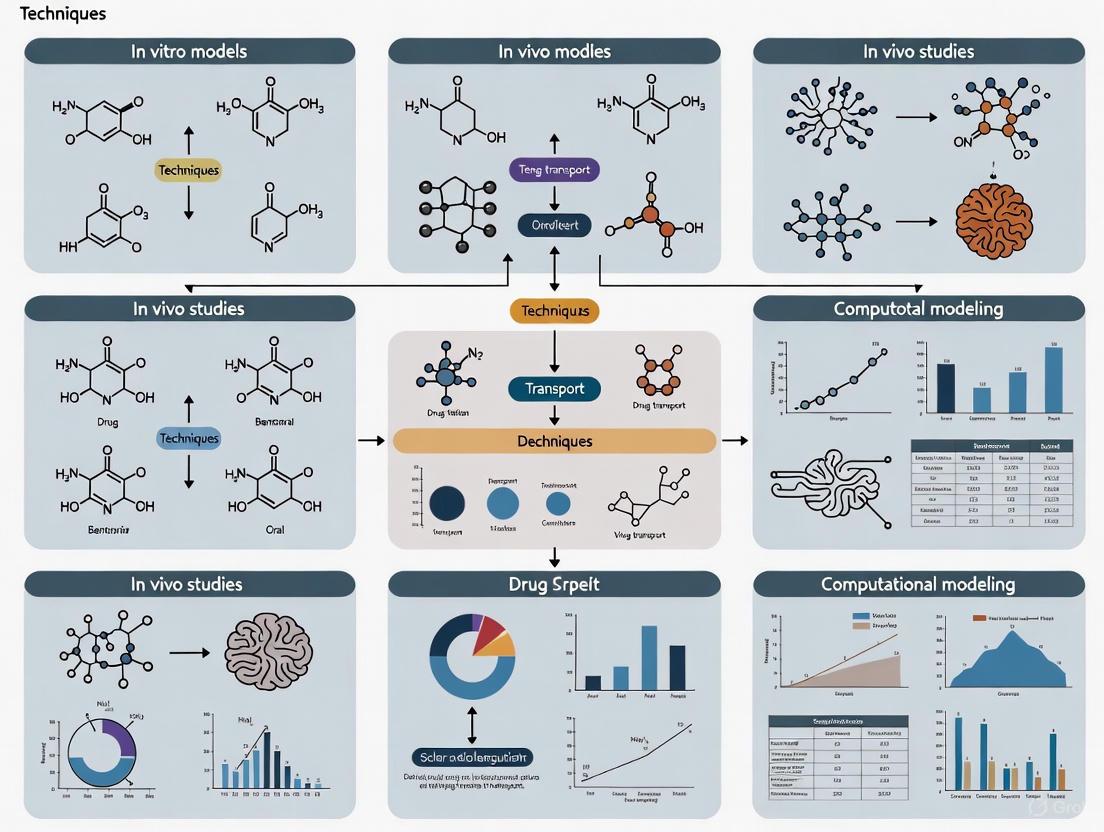
This article provides a comprehensive overview of contemporary techniques for assessing drug penetration across the blood-brain barrier (BBB), a critical challenge in central nervous system (CNS) drug development.
BBB Penetration Assessment: Techniques and Strategies for CNS Drug Development
Abstract
This article provides a comprehensive overview of contemporary techniques for assessing drug penetration across the blood-brain barrier (BBB), a critical challenge in central nervous system (CNS) drug development. Tailored for researchers and drug development professionals, it covers the fundamental biology of the BBB, established in vitro and in vivo evaluation methods, strategies for optimizing compound properties, and advanced computational approaches. The content synthesizes current best practices and emerging technologies to guide the selection and application of appropriate assessment strategies throughout the drug discovery pipeline, from early screening to advanced validation.
Understanding the Blood-Brain Barrier: Structure, Function, and Transport Mechanisms
The blood-brain barrier (BBB) is a highly selective, dynamic interface that separates the central nervous system (CNS) from the systemic circulation, playing a critical role in maintaining brain homeostasis. This complex structure protects the brain from blood-borne toxins and pathogens while rigorously regulating the passage of nutrients, ions, and other essential molecules. For researchers investigating drug penetration across the BBB, a thorough understanding of its architectural components is fundamental. The BBB's effectiveness as a barrier also presents the single greatest challenge in developing therapeutics for CNS diseases, as it prevents nearly 98% of small-molecule drugs and almost all large-molecule drugs from reaching the brain [1] [2]. This application note details the key cellular components of the BBB, their specific roles, and provides structured protocols for assessing BBB integrity and function in drug penetration research.
Key Cellular Components of the BBB
The BBB is not a passive wall but a functional unit known as the neurogliovascular unit. Its selective barrier properties emerge from the intricate interplay between specialized brain microvascular endothelial cells (BMECs) and surrounding support cells, including pericytes, astrocytes, and the basal lamina [3] [4].
Table 1: Key Cellular Components of the Blood-Brain Barrier and Their Functions
| Cellular Component | Primary Function | Key Molecular Markers/Features |
|---|---|---|
| Brain Microvascular Endothelial Cells (BMECs) | Forms the physical barrier; connected by tight junctions; minimal pinocytic activity; expresses specialized transport and efflux systems [2] [4]. | Claudin-5, Occludin, JAMs, P-glycoprotein (P-gp), GLUT1, Transferrin Receptor [3] [4]. |
| Pericytes | Regulates BBB stability, angiogenesis, and cerebral blood flow; physically embedded within the basement membrane [2] [3]. | PDGFRβ, "peg-and-socket" invaginations connecting to endothelial cells [3]. |
| Astrocytes | Promotes BBB induction and integrity; regulates water homeostasis and ion gradients; supports neuronal function [2] [3]. | Aquaporin-4 (on endfeet), GFAP [3]. |
| Basement Membrane | Provides structural support and mechanical stability for endothelial cells and pericytes [2]. | Collagen, Laminin [2]. |
Brain Microvascular Endothelial Cells (BMECs) and Tight Junctions
BMECs are the core functional unit of the BBB. Unlike peripheral endothelial cells, they form a continuous, non-fenestrated lining sealed by tight junctions (TJs) and adherens junctions (AJs) that drastically limit paracellular diffusion [4]. TJs are composed of transmembrane proteins—including claudins (notably claudin-5), occludin, and junctional adhesion molecules (JAMs)—which are linked to the actin cytoskeleton by cytoplasmic proteins such as ZO-1 [2] [4]. This arrangement creates a high-resistance barrier that restricts the uncontrolled passage of polar solutes and macromolecules [4].
BMECs also exhibit low rates of nonspecific transcellular transport (vesicle-mediated transcytosis) compared to peripheral endothelia. Instead, they possess highly regulated transport systems:
- Solute Carrier (SLC) Transporters: Facilitate the uptake of essential nutrients like glucose (via GLUT1) and amino acids [3] [4].
- Receptor-Mediated Transcytosis (RMT): Allows the selective transport of larger molecules such as insulin and lipoproteins via receptors like the transferrin receptor (TfR) and insulin receptor (IR) [3] [4].
- Efflux Transporters: ATP-binding cassette (ABC) transporters like P-glycoprotein (P-gp) and Breast Cancer Resistance Protein (BCRP) actively pump xenobiotics and metabolic waste back into the bloodstream, representing a major hurdle for drug delivery [3] [4].
Pericytes
Pericytes are mural cells embedded within the basement membrane of brain capillaries. They extend long processes that wrap around the endothelium, forming intimate "peg-and-socket" connections [3]. Pericytes are critical for BBB development, stability, and the regulation of cerebral blood flow. They secrete signaling factors that induce and maintain the barrier properties of BMECs, and their dysfunction or loss is associated with BBB breakdown in conditions like cerebral small vessel disease [3].
Astrocytes
Astrocytes are glial cells whose terminal extensions, known as endfeet, form an almost continuous envelope around the brain's vasculature [2] [3]. These endfeet are rich in the water channel aquaporin-4, which is pivotal for regulating water homeostasis and preventing edema [3]. Astrocytes release factors that promote the differentiation of endothelial cells and enhance the formation of tight junctions, thereby reinforcing barrier integrity. They also help maintain ion gradients essential for proper neuronal signaling [3].
Quantitative Assessment of BBB Properties
The assessment of BBB integrity and permeability relies on quantitative metrics derived from various experimental models. The following table summarizes key parameters and performance data from recent AI models and experimental studies.
Table 2: Quantitative Metrics for BBB Permeability and Model Performance
| Model / Parameter | Key Metric | Result / Value | Context / Significance |
|---|---|---|---|
| 3BTRON (EM Image Analysis) [5] | Sensitivity / Specificity | 77.8% / 80.0% | Identifies aged vs. young mouse BBB in EM images post-stratification. |
| Random Forest Model [6] | AUC (Area Under Curve) | 0.88 | Predicts binary BBB penetration based on molecular parameters. |
| CNS MPO Score [6] | AUC | 0.53 | Benchmark for multiparameter optimization; lower performance vs. ML. |
| Polar Surface Area (PSA) [6] | Predictive Threshold | < 60–70 Ų | Common descriptor; molecules with PSA above this range typically have poor permeability. |
| Lipinski Rule of Five [7] | Molecular Weight | < 500 Da | A set of rules often used as an initial, though not definitive, filter for BBB permeability. |
Experimental Protocols for BBB Assessment
Protocol: Automated Ultrastructural Analysis of the BBB using Deep Learning
This protocol outlines the use of the 3BTRON deep learning framework to analyze electron microscopy (EM) images for age-related or pathological alterations in BBB architecture [5].
Application Note: This method provides a high-throughput, unbiased alternative to manual EM analysis, enabling large-scale quantification of subtle structural changes across different brain regions.
Workflow Diagram: Deep Learning-Based BBB Analysis
Materials and Reagents
- High-resolution electron microscopy images of brain capillaries.
- 3BTRON software framework (deep learning model, e.g., based on ResNet50) [5].
- NVIDIA Ampere A100 GPU or equivalent for processing.
- Data augmentation tools (e.g., for rotation, flipping, scaling).
Procedure
- Sample Preparation and Imaging: Perfuse and fix brain tissue from experimental animals using standard protocols for EM (e.g., glutaraldehyde fixation). Embed, section, and image brain capillaries from regions of interest (e.g., corpus callosum, hippocampus, prefrontal cortex).
- Data Curation and Augmentation: Curate a dataset of EM images, annotated with relevant metadata (age, brain region, sex). Apply data augmentation techniques (e.g., random rotations, flips, contrast adjustments) to increase dataset size and improve model robustness.
- Model Training and Validation: Employ transfer learning using a pre-trained architecture like ResNet50. Train the model using a binary classification task (e.g., aged vs. young). Validate model performance using 10-fold cross-validation, reporting metrics such as sensitivity and specificity.
- Prediction and Stratification: Apply the trained model to new, unseen EM data. Stratify predictions based on confidence thresholds (e.g., 0-25% = 'Green' (young), 25-75% = 'Amber' (uncertain), 75-100% = 'Red' (aged)) to manage prediction uncertainty.
- Feature Importance Analysis: Use explainable AI methods like Gradient-weighted Class Activation Mapping (Grad-CAM) to generate heatmaps highlighting the spatial features (e.g., basement membrane, tight junctions) in the EM images that most influenced the model's prediction.
Protocol: In Silico Prediction of BBB Permeability using Machine Learning
This protocol describes the development of a machine learning model to predict the passive permeability of drug-like compounds across the BBB, which is crucial for early-stage CNS drug discovery [7] [6].
Application Note: This in silico approach provides a high-throughput, cost-effective alternative to experimental screening, helping prioritize compounds with a higher probability of CNS penetration.
Workflow Diagram: ML-Based Permeability Prediction
Materials and Reagents
- Standardized dataset of compounds with known BBB permeability (e.g., TDC bbbp_martins, MoleculeNet BBBP, or B3DB) [7].
- Cheminformatics software (e.g., ChemDraw, MarvinSketch, RDKit) for descriptor calculation.
- Machine learning environment (e.g., Python with scikit-learn).
Procedure
- Data Collection and Curation: Obtain a benchmark dataset. Ensure data quality and address potential biases (e.g., overrepresentation of permeable compounds).
- Molecular Descriptor Calculation: For each compound, calculate a set of relevant molecular descriptors. Key descriptors include:
- Lipophilicity (e.g., logP/logD at pH 7.4).
- Polar Surface Area (PSA), preferably a 3D PSA calculated from a Boltzmann-weighted distribution of low-energy conformers [6].
- Molecular Weight (MW).
- Hydrogen Bond Donor/Acceptor Count (HBD/HBA).
- Count of freely rotatable bonds.
- Model Training and Validation: Train a machine learning model, such as a Random Forest classifier, using the calculated descriptors as features and the known permeability as the target. Validate the model using a robust method like 100-fold Monte Carlo cross-validation [6]. Evaluate performance using metrics like AUC.
- Prediction and Interpretation: Apply the trained model to predict the permeability of novel compounds. Use explainable AI techniques like SHAP (Shapley Additive Explanations) analysis to determine the contribution of each molecular descriptor to the prediction for a given compound, providing insight for structural optimization [6].
The Scientist's Toolkit: Research Reagent Solutions
Table 3: Essential Research Reagents and Models for BBB Research
| Reagent / Model | Function / Application | Key Features / Considerations |
|---|---|---|
| Primary Brain Microvascular Endothelial Cells (BMECs) | In vitro modeling of the BBB core; transport and permeability studies. | Require co-culture with other NVU cells for full barrier phenotype; express key transporters and TJs [4]. |
| 3D In Vitro BBB Models (e.g., Organ-on-a-Chip, Spheroids) | Physiologically relevant drug screening and disease modeling. | Incorporate flow, 3D architecture, and multiple cell types for enhanced in vivo mimicry [8] [4]. |
| Anti-Tight Junction Antibodies (e.g., Claudin-5, Occludin) | Immunohistochemical assessment of BBB integrity. | Reduction in staining intensity or disrupted pattern indicates barrier impairment. |
| P-gp/BCRP Substrates and Inhibitors | Functional assessment of efflux transporter activity. | Critical for determining if a drug candidate is a substrate for these major efflux pumps. |
| Allosteric Targeting Peptides (e.g., ITP for Insulin Receptor) | Novel strategy for targeted drug delivery across the BBB [9]. | Binds to transmembrane domain, avoiding competition with endogenous ligands; can be embedded in lipid carriers. |
| RMT-Targeting Ligands (e.g., Angiopep-2 for LRP-1) | Shuttling therapeutics across the BBB via receptor-mediated transcytosis [4]. | Enables brain-targeted delivery of nanoparticles, antibodies, and other large therapeutics. |
Advanced Targeting Strategies for Drug Delivery
Understanding BBB structure enables the design of innovative strategies to overcome it. Beyond simple passive diffusion, successful CNS drug delivery often employs active targeting.
Allosteric Targeted Delivery: A novel strategy moves beyond targeting the extracellular orthosteric sites of BBB receptors. Instead, it uses designed peptide ligands (e.g., ITP) that specifically bind to the transmembrane domain (TMD) of receptors like the insulin receptor [9]. This approach avoids competitive inhibition by endogenous ligands (e.g., insulin) and can overcome issues of target loss due to shedding of the receptor's extracellular domain [9]. These lipophilic peptides can be spontaneously embedded into lipid-based carriers (liposomes, LNPs, exosomes) in a "plug-and-play" manner, offering a versatile platform with low immunogenicity [9].
Receptor-Mediated Transcytosis (RMT): This well-established approach engineers therapeutics or nanocarriers to target receptors highly expressed on BMECs, such as the Transferrin Receptor (TfR), Insulin Receptor (IR), or Low-Density Lipoprotein Receptor-Related Protein 1 (LRP-1) [4]. Upon binding, the receptor-ligand complex is internalized and trafficked across the endothelial cell, releasing the cargo into the brain parenchyma. For example, Angiopep-2, a ligand for LRP-1, has been used to improve the brain accumulation of neuroprotective drugs [4].
The blood-brain barrier (BBB) is a sophisticated, dynamic interface that separates the central nervous system (CNS) from the systemic circulation, maintaining the delicate microenvironment required for optimal neuronal function [10]. First observed over a century ago, the BBB's existence was confirmed through pioneering experiments demonstrating that dyes injected into the bloodstream stained most tissues except the brain, while the same dyes injected directly into the cerebrospinal fluid colored the brain exclusively [11] [10]. This protective barrier presents a formidable challenge for neurological therapeutics, as it prevents more than 98% of small-molecule drugs and nearly all large biologics from reaching the brain parenchyma [12] [13].
The BBB functions as a highly selective permeability barrier that not only shields the brain from blood-borne toxins and pathogens but also actively regulates the transport of nutrients, essential molecules, and metabolic waste [12] [10]. This gatekeeper role is mediated through a complex structure known as the neurovascular unit (NVU), comprising specialized endothelial cells, pericytes, astrocytes, and neurons that work in concert to maintain CNS homeostasis [11] [10]. Understanding the fundamental structure and function of this barrier system is essential for developing effective strategies to diagnose and treat neurological disorders.
Anatomical and Molecular Organization of the BBB
Core Cellular Components
The BBB is not a single entity but rather a multicellular structure where specialized cells perform integrated functions to create and maintain the barrier phenotype.
Table: Cellular Constituents of the Blood-Brain Barrier
| Cell Type | Location | Key Functions | Characteristic Markers |
|---|---|---|---|
| Endothelial Cells | Line cerebral capillaries | Form primary physical barrier; express tight junctions; minimal pinocytosis; transport regulation | GLUT1, P-glycoprotein, Claudin-5, Occludin |
| Pericytes | Embedded in capillary basement membrane | Regulate BBB development; stabilize vessels; clear toxins; modulate blood flow | PDGFR-β, α-SMA, Desmin, RGS5, Aminopeptidase N |
| Astrocytes | Envelop capillaries with end-feet processes | Induce and maintain barrier properties; regulate ion homeostasis; neurotransmitter uptake | GFAP, Aquaporin-4, S100β |
| Neurons | Adjacent to neurovascular unit | Regulate blood flow via neurovascular coupling; influence barrier function | Various neuronal markers |
Brain Microvascular Endothelial Cells
Brain microvascular endothelial cells (BMECs) constitute the fundamental structural element of the BBB and display unique characteristics that distinguish them from peripheral endothelial cells [12] [10]. These specialized cells form a continuous, non-fenestrated endothelial layer joined by complex tight junctions that create a high-resistance paracellular barrier [14] [11]. BMECs exhibit remarkably low rates of transcellular vesicular transport (transcytosis), which limits non-specific passage of blood-borne substances [11]. Additionally, they harbor a high density of mitochondria to meet the energy demands of active transport processes and maintain a net negative surface charge that repels anionic compounds [12].
The barrier phenotype of CNS endothelial cells is not intrinsic but is induced and maintained through continuous signaling from the surrounding neural environment [11]. Transplantation studies demonstrate that non-neural tissues grafted into the CNS become vascularized by vessels that develop BBB properties, while neural tissues grafted peripherally become vascularized by vessels lacking these characteristics [11]. This inductive signaling is primarily mediated through the Wnt/β-catenin pathway, with key contributions from Frizzled receptors, LRP5/LRP6 co-receptors, and the auxiliary receptor GPR124 [11].
Pericytes
Pericytes are mural cells embedded within the capillary basement membrane that cover approximately 22-32% of the brain vasculature surface [14]. These cells form direct synaptic-like contacts with endothelial cells through N-cadherin and connexins, enabling bidirectional communication [10]. Pericytes play crucial roles in BBB development and maintenance through the secretion of factors such as transforming growth factor-β (TGF-β1), vascular endothelial growth factor (VEGF), basic fibroblast growth factor (bFGF), and angiopoietin-1, which promote the formation of tight junctions [14]. Experimental models demonstrate that reduced pericyte coverage leads to increased BBB permeability and compromised tight junctions [12] [14].
Beyond barrier function, pericytes contribute to phagocytic clearance of toxic metabolites, regulation of capillary diameter and cerebral blood flow, and possess multipotent stem cell capabilities [10]. The degeneration and injury of pericytes have been documented in numerous neurological conditions, including Alzheimer's disease, mild dementia, amyotrophic lateral sclerosis, and stroke [10].
Astrocytes
Astrocytes, the most abundant glial cells in the CNS, extend specialized end-foot processes that ensheath approximately 99% of the abluminal capillary surface [10]. These polarized structures feature a high density of orthogonal arrays of intramembranous particles (OAPs) containing aquaporin-4 water channels, which facilitate water homeostasis [10]. Astrocytes are indispensable for the induction and maintenance of barrier properties in endothelial cells through the release of soluble factors including glia-derived neurotrophic factor (GDNF), basic fibroblast growth factor (bFGF), and angiopoietin-1 [14].
In addition to their barrier-supporting functions, astrocytes contribute to ion homeostasis, pH regulation, neurotransmitter uptake, and provide energy substrates to neurons [10]. Through their strategic position between neurons and the vasculature, astrocytes mediate neurovascular coupling and serve as metabolic checkpoints in the NVU [10].
Junctional Complexes and Barrier Integrity
The paracellular barrier of the BBB is established through specialized junctional complexes that create a continuous seal between adjacent endothelial cells.
Diagram: Junctional complexes between brain endothelial cells. Tight junctions form the primary apical barrier, followed by adherens junctions and desmosomes, collectively restricting paracellular movement.
Tight Junctions
Tight junctions (TJs) represent the most apical component of the junctional complex and constitute the primary determinant of paracellular permeability [14]. These specialized structures create a continuous circumferential seal between endothelial cells, effectively separating the luminal and abluminal membrane compartments and generating high transendothelial electrical resistance (TEER) values typically ranging from 1500-2000 Ω·cm² in vitro and even higher in vivo [14] [15]. Ultrastructural analyses reveal that TJs form a complex network of anastomosing strands that create a "zipper-like" seal at the interface between adjacent cells [14].
TJs comprise transmembrane proteins including claudins (particularly claudin-3, -5, and -12), occludin, and junctional adhesion molecules (JAM-A, -B, and -C) that engage in homophilic and heterophilic interactions across the paracellular space [14] [11]. These transmembrane components are structurally linked to the actin cytoskeleton through cytoplasmic scaffolding proteins such as zonula occludens (ZO-1, ZO-2, and ZO-3), which facilitates anchorage and enables dynamic regulation of junctional permeability in response to physiological and pathological stimuli [14].
Adherens Junctions and Desmosomes
Located basal to tight junctions, adherens junctions (AJs) primarily mediate cell-cell adhesion and play supportive roles in barrier function [14]. The core transmembrane components of AJs are vascular endothelial cadherin (VE-cadherin) and nectin, which form homophilic interactions that are stabilized intracellularly through linkage to the actin cytoskeleton via catenins (α-catenin, β-catenin, and γ-catenin) [14]. Experimental evidence indicates that functional adherens junctions are prerequisite for the proper formation and organization of tight junctions [14].
Desmosomes represent the least characterized junctional complex in the BBB and are positioned most basally [14]. These structures contain desmocollin and desmoglein (members of the cadherin superfamily) that interact with cytoplasmic plaque proteins including plakoglobin, plakophilin, and desmoplakin [14]. Although desmosomes contribute to the overall mechanical stability of the endothelial layer, their specific functions in regulating BBB integrity remain incompletely understood [14].
Molecular Transport Mechanisms Across the BBB
The BBB precisely regulates molecular transit through multiple specialized transport pathways that can be exploited for drug delivery.
Table: Molecular Transport Pathways Across the Blood-Brain Barrier
| Transport Mechanism | Substrate Characteristics | Key Molecular Components | Potential for Drug Delivery |
|---|---|---|---|
| Paracellular Diffusion | Small hydrophilic molecules (<400 Da); limited under physiological conditions | Tight junction proteins (claudins, occludin) | Low without barrier disruption |
| Transcellular Diffusion | Small lipophilic molecules (MW <400-600 Da); form <8 hydrogen bonds | Lipid bilayer | Moderate for small molecule drugs |
| Carrier-Mediated Transport | Essential nutrients (glucose, amino acids); saturable, stereoselective | GLUT1 (glucose), LAT1 (large neutral amino acids), CAT1 (cationic amino acids) | High for transporter-utilizing prodrugs |
| Receptor-Mediated Transcytosis | Macromolecules (transferrin, insulin, leptin); specific receptor engagement | Transferrin receptor, insulin receptor, LDL receptor | High for antibody conjugates, biologics |
| Adsorptive-Mediated Transcytosis | Cationic proteins and peptides; charge-based interactions | Heparan sulfate proteoglycans | Moderate for cell-penetrating peptides |
| Active Efflux Transport | Diverse xenobiotics; ATP-dependent extrusion | P-glycoprotein, BCRP, MRP family | Challenge to overcome via inhibition |
Transcellular Diffusion and Efflux Transport
Small lipophilic molecules with molecular weight below 400-600 Da and limited hydrogen bonding capacity (<8-10 bonds) can passively diffuse through the lipid bilayer of endothelial cells [12] [10]. However, this pathway is actively counteracted by ATP-binding cassette (ABC) efflux transporters expressed at the luminal membrane of BMECs, including P-glycoprotein (P-gp, ABCB1), breast cancer resistance protein (BCRP, ABCG2), and multidrug resistance-associated proteins (MRPs, ABCC family) [13] [11] [10]. These transporters hydrolyze ATP to actively extrude a remarkably broad spectrum of xenobiotics from the endothelium back into the blood, substantially limiting brain penetration of many therapeutic agents [11].
Carrier-Mediated and Receptor-Mediated Transport
The BBB expresses a diverse array of solute carrier (SLC) transporters that facilitate the brain uptake of essential nutrients, including GLUT1 (glucose transporter), LAT1 (large neutral amino acid transporter), CAT1 (cationic amino acid transporter), and monocarboxylate transporters (MCTs) for ketone bodies and lactate [11] [10]. These specialized transport systems are highly expressed and polarized to specific membrane domains, enabling efficient flux of necessary substrates while excluding structural analogs [11].
Receptor-mediated transcytosis (RMT) represents a promising pathway for delivering biologics and nanoparticle systems across the BBB [12] [13]. This process involves specific binding to endothelial surface receptors such as the transferrin receptor, insulin receptor, low-density lipoprotein receptor-related proteins (LRP1, LRP2), and lactoferrin receptor, followed by vesicular trafficking through the endothelium [13]. Multiple RMT-targeting strategies have advanced to clinical evaluation for neurodegenerative disorders and brain tumors [13] [16].
Advanced Techniques for Assessing BBB Permeability
In Vitro BBB Models
In vitro BBB models provide valuable platforms for high-throughput screening of compound permeability and investigating barrier biology.
Diagram: Experimental workflow for developing and validating in vitro BBB models, progressing from model selection through validation to permeability assessment.
Cell-Based Models and Protocol: Transwell Permeability Assay
Purpose: To quantitatively evaluate compound permeability across a cellular BBB model. Experimental System: Brain microvascular endothelial cells cultured on semi-permeable membrane inserts (e.g., Transwell), optionally co-cultured with astrocytes and/or pericytes [14] [15].
Procedure:
- Cell Culture: Seed BMECs (primary, immortalized, or hIPSC-derived) on collagen/fibronectin-coated polyester membrane inserts (0.4-3.0 μm pore size) at density of 50,000-100,000 cells/cm² [14] [15].
- Barrier Maturation: Culture cells for 3-7 days until confluent, with medium changes every 48 hours. For co-culture models, plate astrocytes or pericytes in the basolateral compartment [14].
- TEER Measurement: Measure transendothelial electrical resistance using an epithelial voltohmmeter. Record values daily until stable TEER ≥150-200 Ω·cm² is achieved (higher for more stringent models) [15].
- Permeability Assay:
- Replace medium in both compartments with pre-warmed transport buffer (e.g., Hanks' Balanced Salt Solution with 10 mM HEPES, pH 7.4).
- Add test compound (typically 10-100 μM) to donor compartment (apical for brain-to-blood, basolateral for blood-to-brain).
- Incubate at 37°C with gentle shaking (50-60 rpm) to minimize aqueous boundary layer [15].
- Sample from acceptor compartment at predetermined timepoints (e.g., 15, 30, 60, 90, 120 min).
- Maintain sink conditions by replacing withdrawn volume with fresh buffer.
- Sample Analysis: Quantify compound concentration using appropriate analytical methods (HPLC-MS, scintillation counting for radiolabeled compounds, fluorescence spectroscopy).
- Data Analysis: Calculate apparent permeability (Papp) using the equation: Papp (cm/s) = (dQ/dt) / (A × C₀) where dQ/dt is the transport rate (mol/s), A is the membrane surface area (cm²), and C₀ is the initial donor concentration (mol/mL) [15].
Validation Parameters:
- Sodium fluorescein exclusion: Papp < 1.0 × 10⁻⁶ cm/s indicates intact barrier [15]
- Expression of tight junction proteins (ZO-1, claudin-5, occludin) via immunocytochemistry
- Functional activity of efflux transporters using known substrates (e.g., digoxin for P-gp) with and without inhibitors
Parallel Artificial Membrane Permeability Assay (PAMPA-BBB)
Purpose: High-throughput screening of passive BBB permeability during early drug discovery [17].
Procedure:
- Membrane Preparation: Coat PVDF filter membrane with porcine brain lipid extract (20 μL lipid solution in dodecane) to form artificial lipid bilayer [17].
- Compound Incubation: Dilute test compounds to 50 μM in phosphate buffer (pH 7.4) containing ≤0.5% DMSO. Add to donor compartment [17].
- Permeation Period: Assemble acceptor compartment containing brain sink buffer. Incubate for 60 minutes at room temperature with stirring to reduce aqueous boundary layer to ~60 μm [17].
- Concentration Measurement: Quantify compound concentrations in both compartments using UV plate reader (200-500 nm) [17].
- Data Analysis: Calculate permeability using Pion Inc. software or similar. Compounds with Pe > 4.0 × 10⁻⁶ cm/s are considered highly permeable; Pe < 2.0 × 10⁻⁶ cm/s indicates poor permeability [17].
In Vivo Imaging and Quantification Methods
Quantitative PET Imaging Protocol
Purpose: To noninvasively measure molecular BBB permeability in humans using positron emission tomography [18].
Recent Advance: High-temporal resolution (HTR) dynamic PET imaging enables quantification of permeability-surface area (PS) product without separate cerebral blood flow scan [18].
Procedure:
- Radiotracer Administration: Inject bolus of molecular PET tracer (e.g., 18F-FDG, 18F-fluciclovine, 11C-butanol) intravenously [18].
- Image Acquisition: Perform dynamic PET imaging using long axial field-of-view scanner with high temporal resolution (1-2 s frames initially) for at least 60 minutes [18].
- Input Function Measurement: Obtain image-derived arterial input function from ascending aorta, eliminating need for arterial blood sampling [18].
- Kinetic Modeling: Apply adiabatic approximation to tissue homogeneity (AATH) model to first 2 minutes of HTR data to jointly estimate cerebral blood flow (CBF) and tracer-specific BBB transport rate (K₁) [18].
- Parameter Calculation: Compute permeability-surface area product using the Renkin-Crone equation: PS = -F × ln(1 - K₁/F) where F is cerebral blood flow and K₁ is the unidirectional transfer constant [18].
Applications:
- Normal 18F-FDG PS product: ~0.5 mL/min/cm³ (orders of magnitude higher than gadolinium-based MRI contrast agents) [18]
- Detection of BBB alterations in aging and metabolic dysfunction-associated steatohepatitis [18]
- Multiparametric assessment of both BBB function and substrate metabolism [18]
Research Reagent Solutions for BBB Studies
Table: Essential Research Reagents for Blood-Brain Barrier Investigations
| Reagent/Category | Specific Examples | Research Applications | Key Suppliers |
|---|---|---|---|
| Cell Lines | Primary BMECs, hCMEC/D3, iPSC-derived BMECs | In vitro barrier models, permeability screening | BrainXell, ATCC, commercial providers |
| Barrier Integrity Assays | TEER electrodes, sodium fluorescein, Lucifer yellow | Functional assessment of tight junctions | World Precision Instruments, Sigma-Aldrich |
| Tight Junction Markers | Anti-ZO-1, anti-claudin-5, anti-occludin antibodies | Immunofluorescence, Western blot | Abcam, Thermo Fisher, Santa Cruz Biotechnology |
| Transporter Substrates/Inhibitors | Digoxin (P-gp), Ko143 (BCRP), MK-571 (MRP) | Efflux transporter activity studies | Sigma-Aldrich, Tocris, MedChemExpress |
| PAMPA-BBB Kits | Double-Sink PAMPA-BBB system | High-throughput passive permeability screening | Pion Inc. |
| BBB-on-Chip Systems | SynVivo, Mimetas platforms | Microfluidic BBB models with shear stress | SynVivo, Mimetas |
| Imaging Tracers | 18F-FDG, 11C-butanol, Gd-based contrast agents | In vivo PET and MRI permeability studies | Radiopharmacies, clinical imaging centers |
Implications for CNS Drug Development and Disease Pathogenesis
The barrier function of the BBB presents both challenges and opportunities for neurological therapeutics. Understanding its molecular regulation enables innovative strategies to enhance drug delivery while preserving protective functions.
Drug Delivery Strategies
Current approaches to overcome the BBB obstacle include:
- Chemical modification to increase lipophilicity while maintaining biological activity [12]
- Nanoparticle carrier systems utilizing liposomes, polymeric nanoparticles, and inorganic materials tailored for brain targeting [12] [13]
- Receptor-mediated transcytosis exploiting endogenous transport pathways via transferrin receptor, insulin receptor, or LDL receptor antibodies [13] [16]
- Transient barrier opening using focused ultrasound with microbubbles, hyperosmotic solutions, or bradykinin analogs [13] [16]
- Intranasal administration providing direct nose-to-brain delivery bypassing the BBB [12]
BBB Dysfunction in Neurological Disorders
Compromised BBB integrity contributes to the pathogenesis of numerous neurological conditions:
- Alzheimer's disease: Enhanced permeability precedes amyloid-β accumulation, with pericyte degeneration correlating with disease progression [19] [10]
- Parkinson's disease: Impaired BBB function facilitates entry of neurotoxins and inflammatory mediators [13] [19]
- Stroke: Rapid barrier breakdown exacerbates edema and neuronal injury [10]
- Amyotrophic lateral sclerosis: Pericyte loss and capillary abnormalities contribute to disease pathogenesis [10]
- Neuroinflammatory disorders: Upregulation of adhesion molecules facilitates immune cell infiltration [11]
The development of increasingly sophisticated BBB models and assessment techniques continues to advance our understanding of this vital interface, enabling more effective therapeutic strategies for disorders of the central nervous system.
The blood-brain barrier (BBB) is a highly selective interface that separates the circulating blood from the brain extracellular fluid, presenting a significant challenge for drug delivery to the central nervous system [12]. This complex structure consists of specialized endothelial cells lined by tight junctions, pericytes, astrocytes, and a basement membrane that collectively restrict paracellular and transcellular movement of substances [20] [21]. Understanding the fundamental mechanisms by which compounds can traverse this barrier—passive diffusion, transporter-mediated uptake, and receptor-mediated transcytosis—is crucial for developing effective CNS therapeutics. This protocol provides a comprehensive framework for assessing drug penetration across the BBB, offering researchers standardized methods to evaluate compound permeability through these distinct pathways.
The BBB excludes over 95% of potential therapeutic agents from entering the brain, making it one of the most significant bottlenecks in CNS drug development [20]. The physiological structure of the BBB features endothelial cells with tight junctions that significantly reduce paracellular permeability, minimal pinocytotic activity, and an array of efflux transporters that actively remove substances from the brain [21]. Recent advances in materials science and nanotechnology have provided new tools for enhanced BBB crossing, but their effective development relies on accurate assessment of permeability mechanisms [12]. This document outlines standardized protocols for evaluating these pathways, enabling researchers to obtain reproducible data that can inform drug design and delivery strategies.
Background
Blood-Brain Barrier Structure and Function
The BBB is a multicellular vascular structure that maintains brain homeostasis through several specialized components. Brain microvascular endothelial cells (BMECs) form the core of the BBB, exhibiting unique characteristics including continuous tight junctions with high transendothelial electrical resistance (TEER), significantly reduced pinocytotic activity, and polarized expression of transport systems [21] [12]. These endothelial cells are surrounded by pericytes embedded within the basement membrane, which play crucial roles in angiogenesis, BBB induction, and vascular stability [12]. Astrocytes extend endfeet that enclose approximately 99% of the abluminal capillary surface, contributing to BBB integrity through the release of signaling factors and direct contact with endothelial cells [21].
The neurovascular unit (NVU) concept emphasizes the functional interdependence of these cellular components in regulating BBB permeability and cerebral blood flow [22]. From a functional perspective, the BBB acts as both a physical barrier (through tight junctions), a transport barrier (via influx and efflux transporters), and a metabolic barrier (containing enzymes that can degrade substances) [21]. This multifaceted barrier function protects the brain from toxins and pathogens while selectively allowing passage of essential nutrients and maintaining a stable microenvironment for proper neuronal function.
Molecular Transport Pathways
Compounds can cross the BBB through several well-characterized pathways with distinct mechanisms and requirements:
Passive diffusion allows small (<400-600 Da), lipophilic molecules to traverse the endothelial cell membrane down their concentration gradient without energy expenditure [12]. This process depends on physicochemical properties including molecular weight, lipophilicity, hydrogen bonding capacity, and polar surface area.
Transporter-mediated uptake utilizes carrier proteins embedded in endothelial cell membranes to facilitate the movement of specific substrates into the brain. These include solute carriers (SLC transporters) for glucose (GLUT1), amino acids (LAT1), and other essential nutrients that employ facilitated diffusion or active transport mechanisms [21].
Receptor-mediated transcytosis (RMT) enables the brain uptake of larger molecules, including proteins and peptides, through vesicular trafficking. Specific receptors on the luminal membrane bind their ligands, internalize them via endocytosis, and transport them across the endothelial cell to release them at the abluminal side [23]. This pathway has been exploited for drug delivery using receptors such as transferrin receptor (TfR), insulin receptor (INSR), and low-density lipoprotein receptor (LRP1) [23].
Quantitative Assessment Parameters
Evaluating drug penetration across the BBB requires multiple pharmacokinetic parameters that collectively describe the rate and extent of brain entry. The table below summarizes key assessment parameters and their applications:
Table 1: Key Parameters for Assessing BBB Penetration
| Parameter | Definition | Application | Interpretation |
|---|---|---|---|
| Kp,brain | Partition coefficient: Ctot,brain/Ctot,plasma at steady-state | Measures extent of brain penetration | Kp,brain > 0.3 indicates good brain penetration; < 0.1 suggests limited penetration [21] |
| Kp,uu,brain | Unbound partition coefficient: Cu,brain/Cu,plasma | Measures pharmacologically active fraction | Values close to 1 indicate efficient equilibration of unbound drug; < 0.1 suggests active efflux [21] |
| PS | Permeability-surface area product | Measures rate of BBB penetration | High PS indicates rapid brain uptake; useful for predicting fast-acting drugs or neuroimaging tracers [21] |
| TEER | Transendothelial electrical resistance | Measures integrity of BBB models | In vitro: >150 Ω·cm² for reliable models; >500 Ω·cm² for high-quality models [21] |
| Permeability Coefficient (Papp) | Rate of compound flux across in vitro BBB model | Estimates passive permeability | High Papp suggests favorable passive diffusion; often correlates with lipophilicity [21] |
The selection of appropriate parameters depends on the specific research goals. For instance, the rate of BBB penetration (PS) is particularly important for developing fast-acting drugs like anticonvulsants or PET tracers labeled with short-lived radionuclides, while the extent of brain penetration (Kp,brain and Kp,uu,brain) is more relevant for chronically dosed medications [21]. A comprehensive assessment should integrate data from multiple parameters to obtain a complete picture of brain penetration.
Research Reagent Solutions
The following table outlines essential materials and reagents for studying BBB penetration mechanisms:
Table 2: Essential Research Reagents for BBB Penetration Studies
| Reagent/Category | Specific Examples | Function/Application | Key Characteristics |
|---|---|---|---|
| BBB Models | Primary BMECs, stem cell-derived BMECs, immortalized cell lines (hCMEC/D3) | Provide biological barrier for permeability studies | Expression of tight junctions, transporters, and efflux pumps; responsive to regulatory signals [24] [21] |
| Transwell Systems | Polycarbonate or polyester membrane inserts (0.4-3.0 µm pore size) | Support BBB monolayer formation for permeability assays | Enable separate access to luminal and abluminal compartments; compatible with TEER measurements [21] |
| Permeability Markers | Sucrose, sodium fluorescein, lucifer yellow, dextrans | Assess barrier integrity and paracellular leakage | Low permeability, non-transported compounds; validate model integrity [21] |
| RMT Ligands | Transferrin, insulin, lactoferrin, anti-TfR antibodies | Study receptor-mediated transcytosis pathways | Bind specific receptors (TfR, INSR) to initiate transcytosis; can be conjugated to drug cargo [23] [12] |
| Efflux Transporter Substrates | Rhodamine 123, digoxin, quinidine | Assess activity of P-gp, BCRP, and other efflux pumps | Specific substrates for efflux transporters; increased flux with inhibitors confirms transporter activity [21] |
| Transport Inhibitors | Ko143 (BCRP), probenecid (MRP), LY335979 (P-gp) | Characterize specific transport pathways | Selective inhibition of transporters to elucidate mechanisms of compound flux [21] |
| TEER Measurement Systems | Epithelial voltohmmeters, EVOM2 with STX2 electrodes | Quantify barrier integrity non-invasively | Electrode systems designed for cell culture inserts; regular monitoring ensures model validity [21] |
Experimental Protocols
Protocol 1: Pharmacological Modulation of BBB Permeability for Enhanced Diffusion
This protocol describes a method to evaluate enhanced passive diffusion through pharmacological modulation of BBB permeability, based on studies using adenosine receptor agonists to temporarily increase BBB permeability [25].
Materials and Reagents
- Animal model (e.g., CD1 mice, 35-50 g) or appropriate BBB model
- Adenosine receptor agonist (e.g., regadenoson, 0.1-1.0 mg/kg)
- Test compound (e.g., IR-780 perchlorate voltage-sensitive dye)
- Anesthesia solution (ketamine/xylazine, 50:1)
- Intravenous tail vein catheter (24G x ¾")
- Surgical instruments for cranial window preparation (if applicable)
- NIR fluorescence imaging system (780 nm excitation, 805 nm dichroic mirror)
- Dental cement and head fixation mount
- Image analysis software
Procedure
- Animal Preparation: Anesthetize the animal using a ketamine/xylazine mixture (50:1) and secure a tail vein catheter for consistent intravenous injections [25].
- Surgical Preparation (optional):
- For through-skull imaging: Remove only the scalp skin while leaving the skull intact.
- For craniotomy studies: Create a 6 × 7 mm² cranial window using a dental drill, replace the skull piece with a glass coverslip (130-160 μm thick), and secure with dental cement. Allow at least one week for recovery before experiments [25].
- Dye Injection and Imaging:
- Acquire a background fluorescence image before dye injection.
- Administer the test compound (e.g., IR-780 perchlorate) via tail vein injection.
- For the experimental group, administer regadenoson (0.1-1.0 mg/kg) 5 minutes before the test compound [25].
- Acquire fluorescence images continuously for 30-60 minutes post-injection.
- Image Analysis:
- Subtract background fluorescence from all images.
- Select regions of interest (ROIs) representing large vasculature and microvasculature.
- Plot average fluorescence intensity over time for each condition.
- Fit exponential decay curves to fluorescence signals and calculate mean time constants (τ) for comparison.
- Data Interpretation:
- Compare fluorescence decay rates between conditions. A longer mean time constant with regadenoson (e.g., 3.4 min vs. 1.9 min without) indicates increased dye retention in brain tissue due to enhanced BBB penetration [25].
- Perform statistical analysis (e.g., t-test) to validate significance (p < 0.05).
Figure 1: Workflow for pharmacological modulation of BBB permeability
Protocol 2: Assessing Receptor-Mediated Transcytosis (RMT)
This protocol provides a standardized approach to evaluate receptor-mediated transcytosis using in vitro BBB models, with a focus on transferrin receptor (TfR) as a well-characterized RMT pathway [23].
Materials and Reagents
- BBB model (primary BMECs, stem cell-derived endothelial cells, or immortalized cell line)
- Transwell inserts (polycarbonate, 0.4 μm pore size, appropriate diameter)
- RMT ligands (e.g., holo-transferrin, anti-TfR antibodies, insulin)
- Test compounds conjugated to RMT ligands
- Transport buffer (e.g., HBSS with 10 mM HEPES, pH 7.4)
- Efflux transporter inhibitors (if needed to isolate RMT contribution)
- Fixation and permeabilization reagents for immunostaining
- Antibodies for target receptors (TfR, INSR, LRP1) and endosomal markers (EEA1, RAB5, RAB7, LAMP1)
- Confocal microscopy equipment
- LC-MS/MS system or other analytical instrumentation for quantification
Procedure
- BBB Model Preparation:
- Culture BMECs on collagen-coated Transwell inserts until full confluence.
- Monitor TEER daily until values stabilize >150 Ω·cm² (higher values indicate better barrier integrity).
- Validate barrier function with permeability markers (e.g., sucrose, sodium fluorescein) before experiments.
- RMT Experiment Setup:
- Pre-warm transport buffer to 37°C.
- Add efflux transporter inhibitors if needed to isolate RMT contribution.
- Apply test compounds (conjugated or non-conjugated) to the donor compartment (luminal side).
- For time-course studies, collect samples from the acceptor compartment (abluminal side) at multiple time points (e.g., 15, 30, 60, 120 minutes).
- Quantitative Analysis:
- Use appropriate analytical methods (LC-MS/MS, fluorescence spectrometry) to quantify compound concentration in acceptor compartments.
- Calculate apparent permeability (Papp) using the formula: Papp = (dQ/dt) / (A × C0), where dQ/dt is the transport rate, A is the membrane area, and C0 is the initial donor concentration.
- Compare Papp values between conjugated and non-conjugated compounds.
- Mechanistic Studies:
- For intracellular trafficking analysis, fix cells at different time points after ligand exposure.
- Perform immunostaining for target receptors and endosomal markers (early endosomes: EEA1, RAB5; late endosomes/lysosomes: RAB7, LAMP1).
- Image using confocal microscopy to visualize internalization and trafficking pathways.
- Employ specific inhibitors of different endocytosis pathways (e.g., chlorpromazine for clathrin-mediated endocytosis) to confirm mechanisms.
- Data Interpretation:
- Significantly higher Papp for ligand-conjugated compounds suggests successful RMT.
- Co-localization with early endosomal markers within 5-15 minutes indicates successful internalization.
- Progression through endosomal compartments and appearance at abluminal membrane demonstrates complete transcytosis.
Figure 2: Receptor-mediated transcytosis pathway
Protocol 3: Microfluidic BBB-on-Chip Model for Dynamic Permeability Assessment
This protocol describes the use of advanced microfluidic BBB-on-chip models to study permeability mechanisms under more physiologically relevant, dynamic conditions [24].
Materials and Reagents
- Microfluidic BBB chip (commercial or custom-designed)
- Primary human BMECs or induced pluripotent stem cell (iPSC)-derived BMECs
- Pericytes and astrocytes for tri-culture models
- Perfusion system with programmable flow control
- Cell culture media optimized for each cell type
- Fluorescent or radiolabeled test compounds
- Permeability marker molecules (e.g., 4 kDa FITC-dextran)
- Confocal microscope or other imaging system compatible with chip design
- TEER measurement electrodes compatible with chip architecture
Procedure
- Chip Preparation and Seeding:
- Sterilize the microfluidic chip according to manufacturer's instructions.
- Coat vascular channels with appropriate extracellular matrix proteins (e.g., collagen IV, fibronectin).
- Seed BMECs in the vascular channel at optimal density.
- For enhanced models, seed pericytes in adjacent compartments or co-culture with endothelial cells.
- Add astrocytes to the brain parenchyma compartment if applicable.
- Barrier Maturation Under Flow:
- After cell attachment, initiate perfusion at low shear stress (0.5-1.0 dyne/cm²).
- Gradually increase flow rates over 3-5 days to physiological levels (4-20 dyne/cm²).
- Monitor TEER daily until values stabilize at >150 Ω·cm².
- Validate barrier integrity with permeability markers before experiments.
- Permeability Studies:
- Prepare test compounds at relevant concentrations in perfusion medium.
- Switch perfusion to compound-containing medium and maintain constant flow.
- Collect effluent from the brain compartment at regular intervals.
- Analyze samples using appropriate methods (fluorescence, LC-MS/MS).
- For visualization, use confocal microscopy to track fluorescent compounds in real-time.
- Data Analysis:
- Calculate permeability coefficients from concentration measurements in effluent.
- Compare permeability values under different flow conditions.
- Analyze spatial distribution of compounds within the chip using fluorescence intensity profiles.
Data Analysis and Interpretation
Comparative Analysis of Transport Mechanisms
The table below provides a comparative analysis of key characteristics across the three major transport mechanisms:
Table 3: Comparative Analysis of BBB Transport Mechanisms
| Characteristic | Passive Diffusion | Transporter-Mediated Uptake | Receptor-Mediated Transcytosis |
|---|---|---|---|
| Molecular Size Range | Small molecules (<400-600 Da) [12] | Small to medium molecules (substrate-dependent) | Large molecules, proteins, nanocarriers [23] |
| Key Determinants | Lipophilicity, molecular weight, hydrogen bonding, polar surface area | Structural specificity for transporter, affinity | Receptor expression, ligand affinity, internalization efficiency [23] |
| Saturability | Non-saturable | Saturable at high concentrations | Highly saturable (receptor-limited) [23] |
| Energy Dependence | Passive (energy-independent) | Active or facilitative (energy-dependent) | Active (energy-dependent) [23] |
| Transport Rate | Concentration-dependent, first-order kinetics | Michaelis-Menten kinetics | Multi-phasic kinetics (binding, internalization, trafficking) [23] |
| Directionality | Bidirectional | Typically unidirectional (influx or efflux) | Primarily unidirectional (blood-to-brain) [23] |
| Examples | Caffeine, ethanol, many CNS drugs | Glucose (via GLUT1), levodopa (via LAT1) | Transferrin, insulin, LDL [23] [21] |
Troubleshooting Common Issues
- Low TEER values in BBB models: Ensure proper cell culture conditions, use appropriate extracellular matrix coatings, confirm cell passage number is not too high, and implement gradual application of shear stress in dynamic models [24] [21].
- High variability in permeability measurements: Standardize assay conditions including temperature, pH, and buffer composition; include appropriate controls in each experiment; validate barrier integrity immediately before experiments [21].
- Inconsistent RMT results: Verify receptor expression in the BBB model used; confirm ligand binding affinity and specificity; optimize ligand concentration to avoid saturation; include appropriate controls for non-specific transcytosis [23].
- Discrepancies between in vitro and in vivo data: Consider differences in protein binding, metabolism, hemodynamics, and the complete neurovascular unit; use multiple assessment methods to build a comprehensive penetration profile [21].
The protocols presented in this document provide standardized methods for assessing the three primary mechanisms of BBB penetration: passive diffusion, transporter-mediated uptake, and receptor-mediated transcytosis. By implementing these approaches, researchers can obtain reproducible data to guide CNS drug development efforts. The integration of traditional static models with emerging technologies such as microfluidic BBB-on-chip systems offers opportunities to study BBB permeability under more physiologically relevant conditions [24].
A comprehensive understanding of BBB penetration requires a multifaceted approach that considers both the rate and extent of brain entry, as well as the specific mechanisms involved. No single parameter provides a complete picture of BBB penetration, and the most effective strategy combines multiple assessment methods to build a comprehensive understanding of how compounds traverse this critical barrier [21]. As our knowledge of BBB biology continues to expand and technology advances, these protocols will evolve to provide even more predictive models for CNS drug development.
The blood-brain barrier (BBB) is a selective interface that protects the central nervous system (CNS) from xenobiotics while maintaining homeostasis. A major component of this protective role is the activity of ATP-binding cassette (ABC) efflux transporters, including P-glycoprotein (P-gp/ABCB1), breast cancer resistance protein (BCRP/ABCG2), and multidrug resistance-associated proteins (MRPs/ABCCs). These transporters actively export substrates back into the bloodstream, significantly limiting brain exposure to therapeutic drugs. This application note details the mechanisms, experimental methodologies, and reagents essential for studying efflux pumps in BBB drug penetration research, aligning with broader thesis objectives on CNS drug delivery.
ABC transporters are ATP-dependent efflux pumps localized to the luminal membrane of brain capillary endothelial cells. They recognize diverse substrates, from toxins to chemotherapeutic agents, and are central to multidrug resistance (MDR) in neurological disorders and brain tumors [26] [27] [28].
Key Transporters and Their Roles:
- P-gp (ABCB1): Exports neutral/hydrophobic compounds (e.g., tyrosine kinase inhibitors, antiepileptics) [26] [27].
- BCRP (ABCG2): Partially overlaps with P-gp substrates (e.g., topotecan, methotrexate) [26] [2].
- MRPs (ABCC1-6): Transport anionic compounds and conjugates (e.g., methotrexate, leukotriene C4) [27] [28].
Impact on Drug Efficacy: Overexpression of ABCB1 and ABCG2 in gliomas reduces intracerebral drug concentrations, contributing to chemotherapy failure [26]. Inhibiting these transporters may reverse MDR, but clinical trials have been hampered by toxicity and pharmacokinetic issues [26] [28].
Quantitative Data on Transporter Substrates and Inhibitors
Table 1: Key ABC Transporters, Their Substrates, and Inhibitors
| Transporter | Substrates (Drug Classes) | Inhibitors | Localization in BBB |
|---|---|---|---|
| P-gp (ABCB1) | Doxorubicin, vinblastine, phenytoin, HIV protease inhibitors [26] [27] | Verapamil, cyclosporin A, zosuquidar [27] [28] | Luminal membrane [26] |
| BCRP (ABCG2) | Mitoxantrone, irinotecan, methotrexate [26] [27] | Ko143, fumitremorgin C, elacridar [27] | Luminal membrane [26] |
| MRP1 (ABCC1) | Etoposide, vincristine, glutathione conjugates [26] [27] | MK571, sulfinpyrazone [27] | Basolateral membrane [26] |
| MRP4 (ABCC4) | Methotrexate, 6-mercaptopurine [27] | Probenecid [27] | Luminal/basolateral [26] |
Table 2: Experimental Models for Studying Efflux Transporters
| Model System | Advantages | Limitations | Primary Use Cases |
|---|---|---|---|
| In Vivo (e.g., knockout mice) | Physiologically relevant; enables PET imaging [28] | Ethical and cost constraints; complex data interpretation [28] | Validating transporter function and drug distribution [28] |
| Isolated Brain Capillaries | Retains native transporter activity; suitable for confocal imaging [28] | Low yield; limited viability post-isolation [28] | Mechanistic studies of transport and regulation [28] |
| Cell Cultures (e.g., MDCK, hCMEC/D3) | High throughput; genetic manipulation feasible [28] | Altered expression of native transporters [28] | Screening substrate-inhibitor interactions [28] |
| Stem Cell-Derived BBB Models | Human origin; recapitulates key BBB properties [28] | Requires co-culture with pericytes/astrocytes [28] | Disease modeling and personalized medicine [28] |
Experimental Protocols for Assessing Efflux Activity
Protocol: Transporter Inhibition in Isolated Brain Capillaries
Objective: Measure efflux pump activity using fluorescent substrates (e.g., rhodamine-123 for P-gp) [28].
Workflow Diagram:
Steps:
- Capillary Isolation: Extract microvessels from rodent brains using collagenase digestion and density centrifugation [28].
- Incubation: Expose capillaries to a fluorescent substrate (1 µM rhodamine-123) with/without inhibitor (10 µM zosuquidar) for 60 minutes at 37°C [28].
- Imaging: Use confocal microscopy to visualize substrate accumulation. Higher fluorescence indicates efflux inhibition [28].
- Quantification: Compare fluorescence intensity between inhibitor-treated and control groups. Normalize to protein content.
Protocol: In Vivo PET Imaging of Transporter Function
Objective: Non-invasively assess P-gp activity using radiolabeled substrates (e.g., (^{11})C-verapamil) [28].
Workflow Diagram:
Steps:
- Radiotracer Administration: Inject (^{11})C-verapamil (370 MBq) intravenously into rodents or humans [28].
- Image Acquisition: Conduct dynamic PET scanning over 60 minutes. For inhibition studies, co-inject unlabeled tariquidar (4 mg/kg) [28].
- Data Analysis: Draw regions of interest (ROIs) on the brain and calculate the influx constant ((K{\text{in}})). Increased (K{\text{in}}) with inhibitor confirms P-gp activity [28].
Research Reagent Solutions
Table 3: Essential Reagents for Efflux Transporter Studies
| Reagent | Function | Example Applications |
|---|---|---|
| Zyosuquidar (LY335979) | Selective P-gp inhibitor [27] | In vitro and in vivo inhibition assays [28] |
| Ko143 | Potent BCRP inhibitor [27] | Assessing BCRP substrate specificity [26] |
| MK571 | MRP1 inhibitor [27] | Differentiating MRP1 from other transporters [27] |
| Rhodamine-123 | Fluorescent P-gp substrate [27] [28] | Efflux activity measurement in capillaries [28] |
| (^{11})C-Verapamil | Radiolabeled P-gp substrate [28] | PET imaging of P-gp function [28] |
| Anti-P-gp Antibodies (e.g., UIC2) | Immunodetection of P-gp [28] | Western blotting/immunostaining in BBB models [28] |
Signaling Pathways in Transporter Regulation
ABC transporter expression is modulated by pathways like Wnt/β-catenin and VEGF, which are disrupted in brain tumors [26] [29].
Pathway Diagram:
Mechanistic Insight: Activation of pregnane X receptor (PXR) by xenobiotics upregulates P-gp, reducing CNS drug penetration [28]. In gliomas, VEGF-mediated signaling increases ABCB1/ABCG2, complicating chemotherapy [26].
Efflux pumps are pivotal in limiting brain drug exposure, necessitating robust protocols for their study. Integrating isolated capillary assays with in vivo PET imaging provides a comprehensive approach to evaluate transporter activity. Emerging strategies, such as nanocarriers and targeted inhibition, hold promise for overcoming MDR [26] [2] [30]. Standardized models and reagent suites, as detailed here, are essential for advancing CNS drug delivery research.
Practical Guide to In Vitro and In Vivo BBB Penetration Assays
The Parallel Artificial Membrane Permeability Assay for the blood-brain barrier (PAMPA-BBB) is a non-cell-based, high-throughput in vitro technique designed to predict the passive diffusion potential of drug candidates across the blood-brain barrier [31] [32]. In early drug discovery, assessing a compound's ability to reach the central nervous system (CNS) is a critical challenge, as the BBB prevents over 98% of small-molecule drugs and nearly 100% of large-molecule therapeutics from entering the brain [2] [33] [12]. The PAMPA-BBB assay addresses this need by providing a robust, cost-effective, and automatable screening tool that is particularly valuable for rank-ordering compounds during the initial stages of development [31] [34].
The fundamental principle of PAMPA-BBB involves creating an artificial lipid membrane that mimics the physicochemical environment of the BBB's endothelial cell membranes [31] [32]. A filter plate is coated with a proprietary lipid solution, typically derived from porcine brain lipid (PBL) extract dissolved in an organic solvent like dodecane [31] [17] [34]. This setup forms a barrier between a donor compartment (representing the blood side) and an acceptor compartment (representing the brain side). Test compounds are placed in the donor well, and their movement through the artificial membrane into the acceptor well is measured over a set incubation period. The rate of permeation is quantified as the effective permeability (Pe), which allows researchers to classify compounds based on their potential to cross the BBB via passive transcellular diffusion, the primary route for most CNS drugs [31] [17] [34].
Experimental Protocol and Workflow
Key Materials and Reagents
Table 1: Essential Reagents and Equipment for PAMPA-BBB
| Item | Function/Description | Example Source/Catalog Number |
|---|---|---|
| Porcine Brain Lipid (PBL) | Forms the artificial membrane that mimics the BBB's lipid environment. | Avanti Polar Lipids, Inc. (catalog no. 141101C) [31] |
| PAMPA-BBB System | 96-well filter plates (e.g., hydrophobic PVDF membrane, 0.45 µm) to hold the lipid membrane and create donor/acceptor compartments. | MultiScreen-HV (e.g., Millipore, cat. no. MAHVN4510) [31] [35] |
| Dodecane | Organic solvent used to dissolve the brain lipids for membrane formation. | Sigma-Aldrich [31] [35] |
| Physiological Buffer (pH 7.4) | Aqueous transport medium (e.g., Phosphate Buffered Saline) to dissolve test compounds. | JT Baker, Merck [31] |
| Dimethyl Sulfoxide (DMSO) | High-performance liquid chromatography (HPLC) grade solvent for preparing compound stock solutions. | Sigma-Aldrich [31] [17] |
| UV Plate Reader | Instrument to measure compound concentrations in donor and acceptor compartments after the assay. | e.g., Infinite 200 PRO (Tecan) [17] [34] |
Step-by-Step Methodology
The following protocol is adapted from the standardized stirring Double-Sink PAMPA-BBB method patented by Pion Inc. and used in recent studies [17] [34].
Preparation of Compound Solutions: Prepare stock solutions of test compounds in DMSO (e.g., 10 mM). Dilute these stocks in physiological phosphate buffer (pH 7.4) to the final working concentration (e.g., 0.05 mM). The final concentration of DMSO in the donor solution should be low (e.g., 0.5-1%) to avoid disrupting the artificial membrane [17] [34]. To ensure solubility of less soluble compounds, a surfactant like Tween 80 (at 5% concentration) can be added to the buffer [31].
Formation of the Artificial Membrane: The filter of each well in the 96-well "acceptor" plate is coated with a specific volume (e.g., 4 µL) of the membrane solution, which consists of 2% (w/v) porcine brain lipid extract dissolved in dodecane [35] [17] [34]. This creates an artificial lipid membrane immobilized on a PVDF matrix.
Assay Setup and Incubation:
- The acceptor plate is placed on top of a 96-well "donor" plate containing coated magnetic stirrers.
- The acceptor wells are filled with a proprietary "brain sink" buffer or a standard acceptor buffer [17] [34].
- The diluted compound solutions are added to the donor wells.
- The assembly is incubated at room temperature for a defined permeation period. While traditional assays might use 18-hour incubations [35], modern systems with stirring, such as the Pion Gutbox technology, reduce the aqueous boundary layer and allow for shorter incubation times, typically 60 minutes [17] [34]. Stirring is a critical parameter as it reduces the unstirred water layer (UWL), which can be a rate-limiting factor for highly permeable compounds, leading to more accurate permeability measurements [32].
Sample Analysis and Permeability Calculation: After incubation, the concentration of the test compound in both the donor and acceptor compartments is measured. This is commonly done using a UV plate reader, which allows for high-throughput analysis [31] [17]. The effective permeability (Pe) is then automatically calculated by the instrument's software (e.g., Pion Inc. software) using the following relationship [32]:
P_e = f(membrane surface area, well volumes, initial and final concentrations)Permeability values are generally expressed in units of 10-6 cm/s [17] [34].
Data Interpretation and Correlation with In Vivo Permeability
Permeability Classification and Key Findings
The primary output of the PAMPA-BBB assay is the effective permeability (Pe) value. A standard cutoff value of 10 × 10-6 cm/s is widely used to categorize compounds [35] [34]:
- Low Permeability (Pe ≤ 10 × 10-6 cm/s): Compounds unlikely to cross the BBB via passive diffusion in therapeutic concentrations.
- Moderate to High Permeability (Pe > 10 × 10-6 cm/s): Compounds with a high potential for passive BBB penetration.
Table 2: Representative PAMPA-BBB Permeability Data from Recent Studies
| Compound / Study Focus | PAMPA-BBB Permeability (Pe × 10-6 cm/s) or Classification | Key Findings and Implications |
|---|---|---|
| Natural Product Library Screening [17] | 255 out of ~1,700 constituents showed moderate to high BBB permeability. | 35% of the permeable subset showed potential for neurotoxicity in follow-up neurite outgrowth assays, highlighting the value of integrated screening. |
| Protein Kinase Inhibitors [31] | LogPe values were determined for 34 compounds, including 15 approved drugs. | A resulting QSPR model identified key molecular descriptors (CATS2D09DA, CATS2D04AA) influencing passive BBB permeability for this drug class. |
| NCATS Compound Library [34] | Model trained on ~2,000 compounds achieved a balanced accuracy of >70% for predicting permeability. | A strong categorical correlation (77%) was found between in vitro PAMPA-BBB data and in vivo brain/plasma ratios in rodents, validating the assay's predictive power. |
Integration with In Silico and In Vivo Models
PAMPA-BBB data is highly amenable to building in silico quantitative structure-property relationship (QSPR) models, which can further accelerate the screening process. For instance, a study on protein kinase inhibitors used PAMPA-BBB-derived logPe values to create a support vector machine (SVM) regression model that served as an efficient preliminary screening tool for new analogs [31]. Another large-scale study used data from nearly 2,000 compounds to develop a random forest model, which was then deployed on a public ADME portal for wider use by the drug discovery community [34]. The strong correlation (77%) observed between PAMPA-BBB results and in vivo brain/plasma ratios in rodents underscores the assay's relevance in translating in vitro findings to pre-clinical outcomes [34].
Applications and Strategic Role in Drug Discovery
The PAMPA-BBB assay serves as a powerful frontline tool in CNS drug discovery. Its primary application is the high-throughput rank-ordering of chemical libraries during lead optimization, allowing medicinal chemists to select compounds with favorable BBB penetration potential for further development [31] [34]. Furthermore, by identifying compounds with low permeability, it helps to flag molecules that may cause unwanted peripheral side effects due to inadequate CNS exposure or, conversely, to design peripherally-restricted drugs that avoid CNS-mediated side effects [31]. The assay is also extensively used to validate computational models of BBB permeability, creating a virtuous cycle where in silico predictions inform experimental design, and experimental data refines the predictive models [31] [35] [34].
While PAMPA-BBB excels at measuring passive diffusion, it is crucial to recognize its limitations. The assay does not account for active transport mechanisms, such as influx transporters or efflux by proteins like P-glycoprotein (P-gp), which can significantly impact a compound's overall brain exposure in vivo [32] [12]. Therefore, PAMPA-BBB is most effective when used as part of a integrated screening cascade. A typical strategy involves using PAMPA-BBB as an initial, high-throughput filter to assess passive permeability, followed by more complex, cell-based models (e.g., MDCK-MDR1, hCMEC/D3) that can capture active transport and efflux processes, ultimately leading to confirmatory in vivo pharmacokinetic studies [32] [34]. This tiered approach maximizes efficiency and resource allocation in the drug discovery pipeline.
Within neurovascular and drug discovery research, predicting a compound's ability to cross the blood-brain barrier (BBB) is a critical challenge. The BBB is a highly selective interface, with its brain microvascular endothelial cells (BMECs) connected by tight junctions and expressing efflux transporters like P-glycoprotein (P-gp) that actively restrict substance entry into the central nervous system (CNS) [36]. Cell-based models are indispensable tools for assessing this potential for brain penetration. Among these, Madin-Darby Canine Kidney (MDCK) cells transfected with the human MDR1 gene (encoding P-gp) have emerged as a cornerstone for evaluating active efflux transport. These MDCK-MDR1 models provide a robust, high-throughput platform to identify P-gp substrates, thereby enabling the rational design of compounds with optimal CNS penetration properties and mitigating the risk of CNS-related side effects for peripherally-acting drugs [37] [38] [39].
The Blood-Brain Barrier and the Role of Efflux Transporters
The BBB is a complex cellular structure within the neurovascular unit (NVU), primarily composed of BMECs, pericytes, and astrocytes [36]. Unlike peripheral endothelial, BMECs are characterized by continuous tight junctions, minimal pinocytic activity, and the expression of specific transport systems [36]. Tight junctions, comprised of proteins such as occludin, claudins, and zonula occludens (ZO), seal the paracellular space, creating a physical barrier [36]. Alongside this physical barrier, ATP-binding cassette (ABC) efflux transporters like P-gp and Breast Cancer Resistance Protein (BCRP) are strategically located on the luminal membrane of BMECs. They function as a biochemical barrier by actively pumping a wide range of xenobiotics, including many therapeutic drugs, back into the bloodstream, thus limiting their CNS accumulation [36] [39]. The critical role of P-gp is highlighted by cases like ivermectin, where its inhibition in animals deficient in P-gp leads to severe neurotoxicity and death due to uncontrolled CNS penetration [36].
The following diagram illustrates the key cellular components and transport mechanisms at the BBB that these in vitro models aim to replicate.
Diagram 1: Key transport mechanisms at the blood-brain barrier. P-gp actively effluxes substrates back into the blood, restricting brain penetration.
MDCK-MDR1 Models for Assessing Active Transport
Model Fundamentals and Rationale
The MDCK-MDR1 model leverages a canine kidney epithelial cell line that is easily cultured and forms tight, polarized monolayers with low endogenous transporter expression, making it an ideal background for transfection [40]. By stably transfecting these cells with the human MDR1 gene, they overexpress functional human P-gp on their apical membrane [37]. When grown on a semi-permeable filter, these cells create a simplified but highly effective in vitro system that mimics the key efflux functionality of the BBB. The model's strength lies in its ability to perform bidirectional transport assays, allowing for the quantitative assessment of whether a compound is a substrate for P-gp-mediated active efflux [37] [41].
Comparison of Common Cell-Based Models
While MDCK-MDR1 is a workhorse model, several related cell lines are used to address specific research questions. The choice of model depends on the need for human-specific transporters, the desire to model multiple transporters simultaneously, or the requirement for greater physiological relevance.
Table 1: Comparison of Cell-Based Models for Blood-Brain Barrier Permeability Assessment.
| Cell Model | Key Characteristics | Primary Application | Advantages | Limitations |
|---|---|---|---|---|
| MDCK-MDR1 | Canine kidney cells transfected with human MDR1 (P-gp) [37]. | Identification of P-gp substrates; prediction of CNS penetration and intestinal absorption [37] [40]. | Short culture time (~3 days); high reproducibility; focused on a key BBB transporter [40]. | Does not fully capture the complexity of the human BBB; single-transporter focus. |
| MDCKII-MDR1-BCRP | Canine kidney cells transfected with both human MDR1 and BCRP genes [39]. | Assessment of dual efflux transporter liability; more comprehensive efflux profiling. | Single-assay format for two major BBB efflux transporters; efficient for early screening [39]. | May still lack other relevant transporters and cellular interactions of the NVU. |
| Caco-2 | Human colon adenocarcinoma cells that differentiate into enterocyte-like cells [17]. | Prediction of oral absorption and intestinal permeability. | Well-established model for oral absorption; expresses a variety of transporters and enzymes. | Long culture time (21 days); more complex transporter expression can complicate BBB-specific interpretation [40]. |
| Primary Cell & iPSC-Derived BBB Models | Use of primary rodent neurovascular cells or human induced pluripotent stem cell (iPSC)-derived BMECs, often in co-culture with pericytes/astrocytes [36] [42]. | Physiologically relevant disease modeling and mechanistic studies. | Human-specific; can better replicate the structure and function of the native BBB [36]. | Technically challenging, low-throughput, costly, and subject to protocol variability [36] [42]. |
Quantitative Data Interpretation in MDCK-MDR1 Assays
The core data generated from the MDCK-MDR1 assay are the apparent permeability coefficient (Papp) and the efflux ratio (ER). These quantitative metrics are crucial for classifying compound behavior.
Table 2: Key Quantitative Outputs from the MDCK-MDR1 Permeability Assay and Their Interpretation.
| Parameter | Calculation Formula | Interpretation Guide |
|---|---|---|
| Apparent Permeability (Papp) | Papp = (dQ/dt) / (A × C0) Where: dQ/dt = compound flux rate (pmol/s)A = filter area (cm²)C0 = initial donor concentration (µM) [37] | High Papp (A-B): High passive permeability, potential for good brain penetration. Low Papp (A-B): Low passive permeability, likely poor absorption/penetration. |
| Efflux Ratio (ER) | ER = Papp (B-A) / Papp (A-B) [37] [41] | ER ≥ 2: Suggests active efflux; compound is a potential P-gp substrate [37]. ER ~ 1: Suggests passive diffusion is the dominant transport mechanism. |
| % Recovery | % Recovery = [(Cacc × Vacc) + (Cd,final × Vd)] / (Cd,initial × Vd) × 100% [41] | High Recovery (>80%): Data is reliable. Low Recovery (<70%) may indicate compound issues like poor solubility, non-specific binding, or metabolic instability [37]. |
The correlation between a high in vitro efflux ratio and reduced in vivo brain exposure is well-established [38]. Furthermore, it is recommended to select compounds with high passive permeability and minimal MDR1 interaction not only to achieve sufficient brain exposure but also for a quicker onset of pharmacological action, as efflux can delay the time for brain concentrations to reach equilibrium with plasma [38].
Detailed Experimental Protocol: MDCK-MDR1 Bidirectional Assay
What follows is a consolidated and detailed protocol for conducting a bidirectional permeability assay using MDCK-MDR1 cells, adapted from commercial and publicly available sources [37] [41].
Research Reagent Solutions
Table 3: Essential materials and reagents for the MDCK-MDR1 permeability assay.
| Item | Function / Description | Example / Specification |
|---|---|---|
| MDR1-MDCK Cells | The core cellular model; MDCK cells stably transfected with human MDR1 gene. | Obtain from reliable sources (e.g., NIH, commercial vendors) [38]. |
| Cell Culture Medium | Supports cell growth and monolayer formation. | DMEM (high glucose), 10% FBS, 1% NEAA, Penicillin/Streptomycin [41]. |
| Transport Buffer (HBSS) | Physiological buffer for the permeability assay. | Hanks' Balanced Salt Solution, 10-25 mM HEPES, pH 7.4 [41]. Optional: 0.1% BSA to reduce non-specific binding [38]. |
| Transwell Plates | Physical support for growing cell monolayers. | 24-well format, polycarbonate membrane, 1 µm pore size [41]. |
| Reference Compounds | Assay controls for system validation. | P-gp Substrate: Quinidine, Prazosin [37] [38]. High Permeability Control: Metoprolol [38]. Inhibitor Control: Zosuquidar, Elacridar [39]. |
| Integrity Marker | Verifies monolayer integrity and tight junction formation. | Lucifer Yellow (paracellular marker) [37] [38]. |
| LC-MS/MS System | Analytical instrument for quantifying compound concentration. | Essential for sensitive and specific detection of test compounds [41]. |
Step-by-Step Workflow
The entire experimental workflow, from cell culture to data analysis, is summarized in the following diagram.
Diagram 2: MDCK-MDR1 bidirectional assay workflow, covering cell preparation, assay execution, and data analysis.
Protocol Steps:
Cell Seeding and Monolayer Formation: Harvest MDR1-MDCK cells during the exponential growth phase. Seed the cells onto the apical side of the Transwell filter inserts at a high density (e.g., 60,000 cells/cm²) [38]. Culture the cells for 3-5 days in a CO2 incubator (37°C, 5% CO2, >85% humidity), replacing the medium in both the apical and basolateral compartments every 48 hours until a confluent, polarized monolayer is formed.
Monolayer Integrity Validation: Before the assay, confirm the integrity of the cell monolayers. This can be done by:
- Trans-Epithelial Electrical Resistance (TEER): Measure TEER using a volt-ohm meter. Acceptable thresholds are model-specific, but a significant increase over blank (cell-free) inserts indicates tight junction formation.
- Paracellular Marker Flux: Add a solution of Lucifer Yellow (e.g., 100 µM) to the apical chamber. After a defined incubation period (e.g., 60 minutes), sample the basolateral chamber and measure fluorescence. The percent transport should be low (e.g., <2% per hour) to confirm monolayer integrity [37] [38]. Only use monolayers passing these QC checks.
Bidirectional Permeability Assay:
- Pre-incubation: Gently wash the cell monolayers with pre-warmed transport buffer.
- Compound Dosing: Prepare a solution of the test compound (typically 1-10 µM) in transport buffer.
- For A-B transport, add the compound solution to the apical donor chamber and fresh buffer to the basolateral acceptor chamber.
- For B-A transport, add the compound solution to the basolateral donor chamber and fresh buffer to the apical acceptor chamber.
- Include control wells with reference compounds (e.g., a high-permeability marker and a known P-gp substrate).
- Incubation: Place the assay plate in an incubator (37°C) with gentle agitation (e.g., orbital shaking) for a set period, typically 60-120 minutes [37] [38]. The incubation time should be within the linear range of transport.
Sample Collection and Analysis:
- At the end of the incubation, collect samples from both the acceptor and donor chambers.
- Analyze the concentration of the test compound in all samples using a validated quantitative method, typically LC-MS/MS [41].
- Also analyze the "time zero" donor solution to confirm the initial concentration (C0).
Data Calculation:
- Calculate the apparent permeability (Papp) for both A-B and B-A directions using the formula provided in Table 2.
- Calculate the Efflux Ratio (ER) and % Recovery as described in Table 2.
Advanced Models and Future Perspectives
While MDCK-MDR1 cells are a powerful screening tool, the field is rapidly evolving towards more physiologically relevant humanized and 3D models. Induced Pluripotent Stem Cell (iPSC)-derived BMECs offer a human-specific system that expresses a full complement of BBB markers, including tight junctions and relevant transporters, and can be co-cultured with pericytes and astrocytes to better mimic the NVU [36] [17]. Furthermore, 3D in vitro models, such as organoids and microfluidic organ-on-a-chip devices, incorporate fluid flow (shear stress) and 3D cellular architecture to more accurately recapitulate the dynamic in vivo BBB environment [36]. These advanced models are particularly valuable for studying complex diseases like glioblastoma, where the interplay between the tumor and the BBB is critical for drug efficacy [43].
MDCK-MDR1 cell-based models provide an essential, streamlined platform for the high-throughput assessment of P-gp-mediated active transport, a key determinant of CNS drug penetration. The robust and quantitative nature of the bidirectional permeability assay allows researchers to effectively rank-order compounds, guide structure-activity relationship (SAR) campaigns, and deselect molecules with high efflux liability early in the drug discovery process. While newer, more complex models offer enhanced physiological relevance for mechanistic studies, the MDCK-MDR1 assay remains a fundamental and indispensable component of the modern ADMET scientist's toolkit for optimizing brain penetration and minimizing CNS-related side effects.
Within central nervous system (CNS) drug development, accurately assessing the brain exposure of candidate molecules is a critical challenge. The blood-brain barrier (BBB) strictly controls molecular transit, making the measurement of effective drug concentrations at the target site paramount. This Application Note details established in vivo protocols for two key techniques: brain perfusion for determining initial uptake and microdialysis for measuring free, pharmacologically active drug concentrations over time. Furthermore, it explains the derivation and critical importance of the unbound brain-to-plasma partition coefficient (Kp,uu), the definitive parameter for quantifying BBB transport.
The Blood-Brain Barrier and Key Pharmacokinetic Parameters
BBB Structure and Function
The BBB is a complex, multi-cellular structure that protects the CNS. Its core anatomical units include brain microvascular endothelial cells sealed by tight junctions, which are regulated by pericytes and enveloped by the end-feet of astrocytes [12] [2]. This arrangement creates a high-transendothelial electrical resistance barrier, severely restricting paracellular diffusion. Key transport mechanisms across the BBB include passive diffusion, carrier-mediated transcytosis, receptor-mediated transcytosis, and efflux transporter activity (e.g., P-glycoprotein) [12] [2].
Defining Partition Coefficients: Kp, Kp,u, and Kp,uu
The extent of a drug's distribution into the brain is quantified by several partition coefficients.
Total Brain-to-Plasma Partition Coefficient (Kp,brain): This is the ratio of the total (bound + unbound) drug concentration in the brain to the total concentration in plasma. It is a simplistic measure that does not account for tissue or plasma protein binding.
Kp,brain = C_total,brain / C_total,plasmaUnbound Brain-to-Unbound Plasma Partition Coefficient (Kp,uu,brain): This is the most biorelevant parameter, representing the ratio of the unbound drug concentration in the brain interstitial fluid to the unbound concentration in plasma at steady state [44] [45]. It directly describes the BBB's handling of a drug.
Kp,uu,brain = C_u,brain,ss / C_u,plasma,ss[44]
Kp,uu,brain gives a direct quantitative description of how the BBB handles a drug regarding passive transport and active influx/efflux. A value near 1 indicates free diffusion across the BBB; a value below 1 suggests net efflux, while a value greater than 1 implies active uptake [45]. The relationship between Kp, Kp,u, and Kp,uu can be described by:
Kp,uu,brain ≈ Kp,brain * f_u,brain / f_u,plasma [44]
where f_u,brain is the fraction of unbound drug in the brain and f_u,plasma is the fraction of unbound drug in plasma.
Table 1: Interpreting Key Brain Partition Coefficients
| Parameter | Formula | Biorelevance | Interpretation |
|---|---|---|---|
| Kp,brain | Total Brain / Total Plasma | Low | Reflects overall tissue partitioning; influenced by non-specific binding. |
| Kp,uu,brain | Unbound Brain / Unbound Plasma | High | Gold standard. Directly measures transport across the BBB. Drives pharmacological effect [44] [45]. |
Protocol: In Vivo Brain Microdialysis
In vivo microdialysis is a powerful technique for continuously sampling unbound analytes from the brain interstitial fluid (ISF) of awake, freely-moving animals, providing direct measurement of C_u,brain over time [46] [47].
Principle and Workflow
A microdialysis probe with a semipermeable membrane is implanted in the brain region of interest. A physiological perfusion buffer is slowly pumped through the probe. Molecules from the ISF diffuse down their concentration gradient into the perfusate, which is collected as dialysate for analysis [47]. The process can also be reversed ("reverse microdialysis") to introduce compounds locally into the ISF [46].
Figure 1: Experimental workflow for in vivo microdialysis in a freely-moving rodent.
Detailed Experimental Methodology
- Anesthesia and Preparation: Anesthetize the rodent (e.g., with chloral hydrate, 400 mg/kg, i.p.). Secure the animal in a stereotaxic apparatus. Shave the scalp, make a sagittal incision, and clean the skull.
- Skull Leveling: Level the skull anterior-posterior and medio-laterally using bregma and lambda as reference points.
- Guide Cannula Implantation: Drill a burr hole at the target coordinate (e.g., A/P: -3.1 mm, M/L: -2.5 mm from bregma for hippocampus). Implant and secure the guide cannula with dental cement, placed within a custom "crown" to prevent spreading. Insert a dummy probe.
- Post-operative Care: House the animal individually and allow for recovery (1-2 days for pharmacokinetic studies; up to 2 weeks for sleep-wake studies). Provide analgesic care as approved.
- Probe Quality-Check and Activation: Before implantation, flush the probe with distilled water to check for leaks and membrane integrity. Activate the membrane by submerging it in 70-100% ethanol for two seconds, followed by flushing with distilled water.
- Perfusion Buffer Preparation: Prepare artificial CSF (aCSF: 1.3 mM CaCl₂, 1.2 mM MgSO₄, 3 mM KCl, 0.4 mM KH₂PO₄, 25 mM NaHCO₃, 122 mM NaCl, pH=7.35). Add 4% Bovine Serum Albumin (BSA) to prevent analyte adhesion, and filter through a 0.1 µm syringe filter. Note: High BSA can bind some drugs; 0.15% BSA may be used in such cases [46].
- Push-Pull System Setup: For high molecular weight cut-off probes (e.g., 1,000 kDa), use a push-pull mode. Connect a syringe pump to the probe inlet ("push") and a peristaltic pump to the outlet ("pull") to avoid fluid loss due to pressure buildup [46].
- Dialysate Collection: Replace the dummy probe with the active microdialysis probe. Perfuse at a slow flow rate (e.g., 0.1 - 2.0 µL/min). After an equilibration period of 1-2 hours, collect dialysate samples into microvials at timed intervals.
- Sample Analysis: Analyze dialysate samples using a suitable analytical method (e.g., LC-MS/MS, HPLC) to determine the concentration of the unbound drug or endogenous compounds.
Table 2: The Scientist's Toolkit: Key Reagents and Materials for Microdialysis
| Item | Function / Specification | Considerations |
|---|---|---|
| Microdialysis Probe | Semi-permeable membrane for molecular exchange. | Choose molecular weight cut-off (MWCO: 20 kDa - 1 MDa) and membrane length based on analyte size and target region [47]. |
| Guide Cannula | Permanent guide for probe insertion. | Material must be biocompatible; size matched to probe diameter. |
| Stereotaxic Apparatus | Precise positioning of cannula/probe in the brain. | Must include manipulator for accurate 3D coordinate targeting. |
| Perfusion Pump | Delivers perfusate at a constant, low flow rate. | Syringe pump for "push," peristaltic pump for "pull" in push-pull mode [46]. |
| Perfusion Buffer (aCSF+BSA) | Mimics extracellular fluid; collects analytes. | BSA reduces analyte binding to tubing. Ionic composition can be modified to influence local physiology [46] [47]. |
| Analytical System (e.g., LC-MS/MS) | Quantifies analyte concentration in dialysate. | Must be highly sensitive due to small sample volumes and low concentrations. |
Protocol: Determination of Kp,uu,brain
The unbound brain-to-plasma partition coefficient (Kp,uu,brain) can be determined using data from microdialysis or calculated from total concentration measurements combined with binding data.
This method directly measures the unbound concentrations on both sides of the BBB.
- Administer the drug (e.g., by constant IV infusion) until steady-state conditions are reached.
- Collect paired plasma and brain dialysate samples simultaneously.
- Analyze plasma samples to determine total plasma concentration (
C_total,plasma,ss). The unbound plasma concentration (C_u,plasma,ss) can be determined from plasma using techniques like equilibrium dialysis. - Analyze brain dialysate to determine the unbound brain concentration (
C_u,brain,ss). - Calculate Kp,uu,brain using the formula:
Kp,uu,brain = C_u,brain,ss / C_u,plasma,ss[44]
This is a higher-throughput method that infers unbound concentrations.
- Administer the drug and, at a predetermined time point, sacrifice the animal.
- Collect trunk blood and the whole brain.
- Analyze the total drug concentration in plasma (
C_total,plasma) and brain homogenate (C_total,brain). - Determine the fraction unbound in plasma (
f_u,plasma) and brain (f_u,brain) using in vitro equilibrium dialysis of plasma and brain homogenate, respectively. - Calculate Kp,uu,brain using the formula:
Kp,uu,brain = (C_total,brain / C_total,plasma) * (f_u,brain / f_u,plasma)[44]
Figure 2: Two primary methodological pathways for determining Kp,uu,brain.
Application in Drug Discovery and Development
The implementation of Kp,uu,brain has been "game-changing" in the pharmaceutical industry, with 79% of surveyed companies reporting significant portfolio impact [44]. Its primary applications include:
- Lead Optimization: Prioritizing compounds based on their ability to achieve sufficient free brain concentrations for efficacy or to avoid central side effects for peripheral targets.
- Translational Science: Scaling rodent Kp,uu,brain data to predict human brain exposure using physiologically-based pharmacokinetic (PBPK) modeling [44].
- Understanding BBB Transport: Identifying whether a drug is a substrate for efflux transporters (Kp,uu << 1) or uptake transporters (Kp,uu > 1).
Table 3: Comparison of Key In Vivo Brain Exposure Assessment Techniques
| Parameter | Microdialysis | Brain Homogenate |
|---|---|---|
| Measured Concentration | Unbound (C_u,brain) | Total (C_total,brain) |
| Temporal Resolution | High (continuous) | Low (single time point) |
| Throughput | Low | Medium/High |
| Technical Difficulty | High | Moderate |
| Cost | High | Moderate |
| Key Advantage | Direct, dynamic measurement of free concentration at the site of action. | Higher throughput; provides total drug load. |
| Key Limitation | Technically challenging; low spatial resolution for large molecules. | Requires separate experiment to estimate free concentration (f_u,brain). |
Robust in vivo evaluation of brain exposure is indispensable for CNS drug discovery. The brain perfusion technique provides valuable data on initial uptake, while intracerebral microdialysis remains the gold standard for directly measuring unbound drug concentrations in the brain interstitial fluid over time. The parameter derived from these techniques, Kp,uu,brain, has fundamentally advanced the field by providing a mechanistically informative and biorelevant measure of BBB transport. Its widespread adoption enables more informed decision-making, improves the predictability of clinical outcomes from preclinical studies, and ultimately enhances the efficiency of developing therapeutics for CNS disorders.
The development of therapeutics for the central nervous system (CNS) presents a unique challenge: candidates must not only possess potent pharmacological activity against their intended target but also successfully penetrate the blood-brain barrier (BBB) to reach the site of action. The BBB is a highly selective interface, formed by specialized endothelial cells, that rigorously controls the passage of substances from the bloodstream into the brain [48]. Consequently, many promising drug candidates fail in late-stage development due to inadequate brain exposure, leading to significant financial and temporal losses. An integrated screening funnel implements a sequential, multi-parameter optimization strategy to identify compounds with the highest probability of clinical success early in the discovery process. This application note details a stepwise protocol for evaluating CNS candidates, from initial in silico profiling to definitive in vivo studies, framed within advanced techniques for assessing drug penetration across the BBB.
Core Screening Modules and Experimental Protocols
An effective integrated screening funnel is composed of distinct, complementary modules. The following sections provide detailed methodologies for each critical stage.
Module 1: In Silico Profiling and Machine Learning Prediction
Objective: To rapidly triage large virtual compound libraries and prioritize molecules with a high predicted probability of BBB penetration for synthesis and testing.
Background: Machine learning (ML) models trained on robust, experimental datasets can identify complex, non-linear relationships between molecular properties and BBB penetration that are difficult to capture with traditional rules [6].
Protocol: ML-Based BBB Prediction using Chemical Fingerprints
- Data Curation: Utilize a standardized database such as the Blood-Brain Barrier Database (B3DB), which contains over 7,800 compounds with experimentally determined BBB permeability labels (BBB+ or BBB-) [48].
- Feature Engineering: For each compound, generate numerical features from its chemical structure (SMILES string):
- Morgan Fingerprints: Using RDKit, compute circular fingerprints (radius=2, 2048 bits) to encode molecular substructures [48].
- Molecular Descriptors: Calculate key physicochemical properties, including molecular weight (MW), calculated partition coefficient (cLogP), and topological polar surface area (tPSA) [6] [48].
- Model Training and Prediction: Train a supervised ML model, such as a Random Forest classifier, on the feature matrix. Implement a 100-fold Monte Carlo cross-validation framework to ensure robustness [6]. The trained model can then predict the binary BBB penetration class and associated probability for novel compounds.
Table 1: Performance Comparison of BBB Prediction Models
| Model / Parameter | Reported AUC | Key Advantages | Key Limitations |
|---|---|---|---|
| Random Forest (on B3DB) | 0.91 [48] | High accuracy, handles non-linear relationships, provides feature importance. | Performance dependent on quality and diversity of training data. |
| Random Forest (Standardized DB) | 0.88 (95% CI: 0.87–0.90) [6] | Trained on a standardized dataset including efflux transporter data; superior to traditional scores. | Requires a curated dataset of 24+ molecular parameters. |
| CNS MPO Score | 0.53 [6] | Simple, widely used heuristic. | Poor predictive performance as a standalone tool. |
| BBB Score | 0.68 [6] | Incorporates multiple simple rules. | Lacks the complexity of ML models. |
Module 2: In Vitro Permeability and Efflux Transport Assessment
Objective: To experimentally assess the passive permeability of prioritized candidates and their potential as substrates for active efflux transporters (e.g., P-gp, BCRP).
Background: Passive diffusion is the primary route for most CNS drugs, while active efflux can significantly limit brain exposure. Assays using cell lines like MDCK-MDR1 or Caco-2 model these processes in vitro.
Protocol: Bidirectional Permeability Assay
- Cell Culture: Seed MDCK-MDR1 cells onto semi-permeable membrane supports in transwell plates. Culture for 7-10 days until a confluent, differentiated monolayer is formed (confirm by transepithelial electrical resistance, TEER > 1500 Ω×cm²).
- Assay Run:
- Prepare test compound (5 µM) in transport buffer.
- For A-to-B (A-B) transport, add compound to the apical compartment; for B-to-A (B-A) transport, add to the basolateral compartment.
- Incubate at 37°C with gentle shaking. Sample from the receiving compartment at 60 and 120 minutes.
- LC-MS/MS Analysis: Quantify compound concentrations in samples using a qualified LC-MS/MS method.
- Data Analysis:
- Calculate apparent permeability ((P_{app})) in both directions.
- Determine the efflux ratio: (ER = P{app}(B-A) / P{app}(A-B)).
- An ER > 2 suggests the compound is a substrate for an efflux transporter. Confirm specificity using a selective inhibitor like zosuquidar (for P-gp).
Module 3: In Vivo Confirmation of Brain Exposure
Objective: To definitively quantify the brain penetration and distribution of lead candidates in preclinical species.
Background: The unbound brain-to-plasma partition coefficient ((K_{p,uu,brain})) is the industry standard for evaluating CNS pharmacokinetics, describing the net balance of drug influx and efflux at the BBB [49] [50].
Protocol: Determination of (K_{p,uu,brain}) in Rodents
- Dosing and Sample Collection: Administer the test compound to mice or rats via a predefined route (e.g., IV bolus or oral gavage). At multiple time points, collect terminal blood (via cardiac puncture) and whole brain samples.
- Bioanalysis:
- Centrifuge blood to obtain plasma.
- Homogenize brain tissue in a buffer (e.g., phosphate-buffered saline) at a 1:4 (w/v) ratio.
- Quantify total drug concentrations in plasma and brain homogenate using LC-MS/MS.
- Measurement of Unbound Fraction: Determine the unbound fraction in plasma ((f{u,plasma})) and brain ((f{u,brain})) using equilibrium dialysis or ultrafiltration.
- Calculation:
- Calculate total (K{p,brain} = \frac{[Drug]{brain, total}}{[Drug]{plasma, total}}).
- Calculate unbound (K{p,uu,brain} = \frac{[Drug]{brain, unbound}}{[Drug]{plasma, unbound}} \approx \frac{K{p,brain} \times f{u,brain}}{f{u,plasma}}).
- A (K{p,uu,brain}) ~1 indicates unrestricted diffusion, >1 suggests active uptake, and <1 indicates net active efflux.
Table 2: In Vivo Brain Penetration of PARP Inhibitors in Preclinical Models [49]
| Compound | Species/Model | Mean (K_{p, brain}) | Mean (K_{p,uu, brain}) | Interpretation |
|---|---|---|---|---|
| Niraparib | Healthy NHP | 3.179 | 0.313 | Moderate brain penetration, significantly higher than olaparib. |
| Olaparib | Healthy NHP | 0.041 | 0.026 | Minimal brain penetration; levels primarily reflect vascular content. |
| Niraparib | Mouse Metastasis Model | 0.193 | ~1.81 (no-BM) | Good brain penetration. |
| Olaparib | Mouse Metastasis Model | 0.036 | ~0.93 (BM) | Poor brain penetration. |
The Scientist's Toolkit: Research Reagent Solutions
Table 3: Essential Materials for CNS Candidate Screening
| Item | Function / Application | Example / Specification |
|---|---|---|
| B3DB Database | Provides a large, curated dataset for training and validating in silico BBB penetration models [48]. | Contains ~7,807 compounds with SMILES strings and BBB labels. |
| RDKit | Open-source cheminformatics software used for calculating molecular descriptors and generating chemical fingerprints from SMILES strings [48]. | - |
| MDCK-MDR1 Cells | An in vitro cell model that overexpresses the human P-glycoprotein efflux transporter, used to assess permeability and efflux transporter susceptibility. | - |
| LC-MS/MS System | Gold-standard analytical platform for the sensitive and specific quantification of drug concentrations in biological matrices (e.g., plasma, brain homogenate). | - |
| Equilibrium Dialysis Device | Used to accurately determine the unbound fraction of a drug in plasma and brain homogenate, which is critical for calculating (K_{p,uu,brain}). | - |
| Multimodal Imaging (MALDI-MSI) | Enables spatial visualization of drug distribution within brain structures and tumor lesions, providing insights beyond bulk homogenate analysis [49]. | - |
Workflow Visualization
Integrated Screening Funnel for CNS Candidates
In Silico BBB Prediction Workflow
Optimizing Drug Properties and Overcoming Common BBB Penetration Hurdles
The blood-brain barrier (BBB) represents a formidable selective membrane that protects the central nervous system (CNS) from toxins and pathogens in the bloodstream. While crucial for maintaining brain homeostasis, this protective function complicates pharmacotherapy for CNS disorders, as more than 98% of small-molecule drugs and nearly 100% of large-molecule therapeutics are impeded from entering the brain [2] [12]. The BBB's core anatomical structure consists of specialized endothelial cells fastened by tight junctions and adherens junctions, accompanied by pericytes, astrocytes, and a basement membrane that collectively regulate molecular transit [12]. For a drug to successfully penetrate the BBB, its molecular characteristics must align with specific physicochemical parameters that enable transit via various mechanisms, including passive diffusion, carrier-mediated transcytosis, and receptor-mediated transcytosis [2]. This application note details the fundamental molecular design rules—focusing on lipophilicity, molecular weight, and hydrogen bonding—that optimize a compound's potential to cross the BBB, framed within the broader context of techniques for assessing drug penetration in BBB research.
Fundamental Molecular Properties for BBB Penetration
The passive diffusion of drugs across the BBB cellular membrane is governed by key physicochemical properties that influence the compound's ability to traverse the lipid bilayer. Extensive research has established quantitative guidelines for these properties, which are summarized in Table 1.
Table 1: Optimal Physicochemical Properties for Passive BBB Penetration
| Property | Optimal Range/Value | Functional Role in BBB Penetration |
|---|---|---|
| Molecular Weight (MW) | <400-500 Da [12] | Smaller molecules diffuse more readily through the cellular membrane. |
| Lipophilicity (Log P) | ~2 [51] | Moderate lipophilicity balances membrane permeability and solubility. |
| Polar Surface Area (PSA) | <60-70 Ų [2] | Lower PSA reduces hydrogen bonding with water during desolvation. |
| Hydrogen Bond Donors (HBD) | <6 [2] | Fewer HBD groups reduce energy penalty for membrane partitioning. |
These properties are interrelated and critical for passive diffusion. Lipophilicity, traditionally measured by the partition coefficient (Log P) between water and oil, remains a fundamental parameter. However, it presents a dualistic character: while essential for membrane permeability, high lipophilicity (Log P >> 2) often leads to increased metabolic turnover, poor solubility, and heightened risk of binding to hydrophobic off-targets such as the hERG K-channel [51]. Hydrogen bonding capacity, frequently described by polar surface area (PSA) and the number of hydrogen bond donors, significantly influences the desolvation process a drug undergoes when moving from the aqueous blood environment into the lipophilic membrane. A lower PSA reduces the energy required for this transition [52] [2]. Molecular size and flexibility further modulate transport, with smaller, more rigid molecules generally demonstrating superior penetration [51].
Advanced Descriptors and Predictive Models
While the properties in Table 1 provide a foundational guideline, modern drug discovery employs more sophisticated descriptors and models. The polar surface area of a drug has been validated as a robust descriptor for its hydrogen-bonding potential [52]. Recent advancements include the development of a novel 3D calculation of non-classical PSA, which involves force field optimization and density functional theory with B3LYP hybrid functionals for geometric optimization of molecular structures [6]. This 3D PSA, along with other parameters, can be integrated into machine learning (ML) models to significantly enhance the prediction of BBB penetration.
Explainable artificial intelligence methods, such as Shapley Additive Explanations (SHAP), reveal the multifactorial nature of BBB penetration, highlighting the advantage of multivariate models over single parameters [6] [53]. For instance, a random forest-based ML classifier trained on 24 molecular parameters achieved an area under the curve (AUC) of 0.88 for binary BBB penetration prediction, substantially outperforming traditional scoring systems like the CNS Multiparameter Optimization (CNS MPO) score (AUC 0.53) and the BBB score (AUC 0.68) [6] [53]. SHAP analysis has identified the BBB score, 3D PSA, and topological PSA (tPSA) as particularly influential parameters in these models [53].
Experimental Protocols for Key Property Assessment
Protocol: Determination of Lipophilicity (Log D) via Reversed-Phase HPLC
Principle: This method determines the lipophilicity of a compound by measuring its retention time on a hydrophobic stationary phase, which simulates partitioning into a lipid environment.
Materials:
- HPLC System: Equipped with a UV/Vis detector.
- Column: C18 reversed-phase column (e.g., 150 mm x 4.6 mm, 5 µm particle size).
- Mobile Phase: Phosphate buffer (pH 7.4) and acetonitrile.
- Standard Compounds: A series of compounds with known Log P values (e.g., toluene, nitrobenzene, acetophenone).
Procedure:
- System Calibration: Prepare a gradient from 10% to 90% acetonitrile in pH 7.4 buffer. Inject the standard compounds and record their retention times. Plot the known Log P values of the standards against their measured retention times to create a calibration curve.
- Sample Analysis: Dissolve the test compound in a suitable solvent (e.g., DMSO). Inject the sample onto the HPLC column and elute using the same acetonitrile gradient.
- Data Calculation: Measure the retention time of the test compound. Use the calibration curve to interpolate its Log P value, reported as the HPLC-derived log P (log PowμpH7.4) [6] [54].
Protocol: Calculation of 3D Polar Surface Area (3D PSA)
Principle: The 3D PSA provides a more accurate description of a molecule's hydrogen-bonding potential by calculating the surface area contributed by polar atoms (oxygen, nitrogen) and their attached hydrogens, based on a Boltzmann-weighted distribution of low-energy conformers.
Materials:
- Software: Avogadro (for initial geometry setup), PyMOL2 (for surface area calculations).
- Computational Chemistry Packages: For density functional theory (DFT) calculations.
Procedure:
- Geometry Optimization: Load the molecule's structure into Avogadro 1.2.0. Perform a force field optimization using the Merck Molecular Force Field (MMFF94) with 9999 steps and a steepest descent algorithm (convergence threshold of 10^–7). Repeat three times.
- Quantum Mechanical Refinement: Perform a geometry optimization using Density Functional Theory (DFT) with B3LYP hybrid functionals and a 6-31 G(d) basis set. For molecules with delocalized π systems, apply a D3 dispersion correction. For iodine-containing molecules, use the LanL2DZ basis set.
- Surface Area Calculation: In PyMOL2, define the solvent radius as 1.4 Å (for water). With a dot density of four, calculate the total solvent-accessible surface area.
- Polar Atom Selection: Identify polar atoms based on partial charges (>0.6 or <–0.6). The 3D PSA is the surface area contributed by these nitrogen or oxygen atoms, including their adjacent hydrogen atoms [6].
Protocol: Assessing BBB Penetration via Machine Learning
Principle: Integrate multiple experimental and in silico parameters to train a machine learning model for predicting a compound's likelihood of BBB penetration.
Materials:
- Dataset: A standardized set of molecules with known in vivo BBB penetration status (e.g., 154 radiolabeled molecules and licensed drugs).
- Parameters: A collection of 24+ molecular parameters, including MW, Log P, Log D, tPSA, 3D PSA, HBD, HBA, and others [6] [53].
- Software: Machine learning libraries (e.g., scikit-learn for Random Forest).
Procedure:
- Data Curation: Compile a database of molecules with confirmed BBB status (CNS-positive, CNS-negative, efflux transporter substrate). Calculate and measure all 24 parameters for each molecule.
- Model Training: Train a Random Forest classifier using a robust stratified 100-fold Monte Carlo cross-validation scheme. The model should be trained for both binary (penetrant/non-penetrant) and multiclass classification.
- Model Interpretation: Use SHAP analysis to determine the contribution of each molecular parameter to the model's predictions. This identifies the most critical properties for BBB penetration.
- Validation: Compare the model's performance against traditional scoring systems (CNS MPO, BBB score) using the Area Under the Receiver Operating Characteristic Curve (AUC) [6] [53].
Visualization of Pathways and Workflows
Diagram 1: Primary transport mechanisms and property-based selection for crossing the BBB. Properties like MW, Log P, and PSA primarily govern passive diffusion, while other active mechanisms have specific substrate requirements. P-glycoprotein (P-gp) efflux is a major obstacle that can be mitigated by careful molecular design.
Diagram 2: Workflow comparing machine learning (ML) and traditional approaches for predicting BBB penetration. The ML pathway, which integrates multiple complex descriptors, provides a more accurate prediction before costly in vivo studies.
The Scientist's Toolkit: Research Reagent Solutions
Table 2: Essential Research Reagents and Materials for BBB Penetration Studies
| Reagent/Material | Function/Application | Key Characteristics |
|---|---|---|
| C18 Reversed-Phase HPLC Column | Experimental determination of lipophilicity (Log D) [54]. | Stable at pH 7.4; calibrated with standard compounds. |
| Avogadro & PyMOL2 Software | Molecular geometry optimization and 3D Polar Surface Area (PSA) calculation [6]. | Open-source; supports force field and DFT calculations. |
| Immobilized Artificial Membrane (IAM) Chromatography | Mimics the drug-phospholipid interactions for permeability assessment [6]. | Contains phospholipids covalently bound to silica. |
| Human Serum Albumin (HSA) | Used in bioaffinity chromatography to determine protein binding [6]. | High purity; critical for predicting free drug concentration. |
| Radiolabeled Compounds (e.g., for PET) | Gold standard for quantitative in vivo BBB permeability assessment [18] [53]. | High specific activity; enables precise tracking. |
| P-gp Expressing Cell Lines | In vitro screening for susceptibility to efflux transporters [12]. | Genetically engineered (e.g., MDCK-MDR1, Caco-2). |
Leveraging Prodrug Strategies to Enhance Brain Delivery of Challenging Compounds
The blood-brain barrier (BBB) represents a significant challenge in the development of therapeutics for central nervous system (CNS) disorders, preventing the entry of more than 98% of small-molecule drugs and nearly 100% of large-molecule therapeutics [33] [2]. This highly selective barrier, formed by brain microvascular endothelial cells interconnected by tight junction proteins (claudins, occludins) and supported by pericytes, astrocytes, and efflux transporters (P-glycoprotein, BCRP), maintains CNS homeostasis but severely limits drug delivery [13] [2] [55]. Prodrug strategies have emerged as a promising chemical approach to enhance brain penetration by temporarily modifying drug structures to exploit endogenous BBB transport mechanisms, then reverting to active forms within the CNS [56]. This Application Note provides detailed methodologies for designing, synthesizing, and evaluating prodrugs to overcome BBB limitations, with protocols integrated within the broader context of techniques for assessing drug penetration across the blood-brain barrier.
Blood-Brain Barrier Structure and Transport Mechanisms
BBB Architecture and Relevance to Prodrug Design
The BBB's neurovascular unit comprises specialized endothelial cells, pericytes, astrocytes, and basement membrane, creating a formidable physical and metabolic barrier [55]. Tight junction proteins between endothelial cells restrict paracellular diffusion, while efflux transporters actively remove xenobiotics [13] [57]. Understanding these components is essential for rational prodrug design, as strategies must either bypass these protective mechanisms or exploit native transport pathways.
Table: Key Blood-Brain Barrier Components and Their Implications for Prodrug Design
| BBB Component | Function | Prodrug Design Implications |
|---|---|---|
| Tight Junctions | Restrict paracellular diffusion of polar molecules and macromolecules | Increase lipophilicity to favor transcellular route; minimize molecular weight |
| P-glycoprotein (P-gp) | ATP-dependent efflux of diverse drugs | Modify structure to avoid recognition by efflux transporters; use targeted prodrug carriers |
| Breast Cancer Resistance Protein (BCRP) | Efflux transporter for various compounds | Design substrates that bypass or inhibit efflux mechanisms |
| Nutrient Transporters | Facilitate uptake of essential nutrients (glucose, amino acids) | Create prodrugs that mimic natural substrates (e.g., link to glucose, amino acids) |
| Receptor Systems | Mediate transcytosis of specific ligands (transferrin, insulin) | Conjugate with receptor-targeting moieties for receptor-mediated transcytosis |
Transport Pathways Exploitable for Prodrug Delivery
Several transport mechanisms across the BBB can be leveraged for prodrug delivery, each with distinct structural requirements:
Passive transcellular diffusion: Favors lipophilic molecules (LogP > 2) with molecular weight < 500 Da, limited hydrogen bonding capacity (< 6 bonds), and polar surface area < 60-70 Ų [2].
Carrier-mediated transport (CMT): Utilizes nutrient transporters (GLUT1 for glucose, LAT1 for large neutral amino acids) for structurally similar compounds [2].
Receptor-mediated transcytosis (RMT): Engages specific receptors (transferrin receptor, insulin receptor) for macromolecular transport [13] [57].
Adsorptive-mediated transcytosis (AMT): Exploits electrostatic interactions with cationic molecules [2].
Prodrug Design Strategies and Chemical Approaches
Fundamental Prodrug Design Principles
Prodrug design involves chemical modification of active pharmaceutical ingredients to create derivatives with improved BBB permeability that undergo enzymatic or chemical transformation to release active parent drugs within the CNS [56]. Successful prodrug strategies must balance three critical aspects: (1) enhanced brain penetration, (2) adequate stability in systemic circulation, and (3) efficient conversion to active drug in the target tissue.
Prodrug Optimization Workflow
Specific Chemical Modification Approaches
Ester and Carbonate Prodrugs
Esterification of polar functional groups (carboxylic acids, alcohols, phenols) represents the most common prodrug strategy to enhance lipophilicity. The protocol involves:
Protocol: Ester Prodrug Synthesis
- Reaction Setup: Dissolve parent drug (1 mmol) with hydroxyl-protecting group (if present) in anhydrous dichloromethane (10 mL) under nitrogen atmosphere.
- Coupling Reaction: Add coupling agent (DCC, 1.2 mmol) and catalyst (DMAP, 0.1 mmol) with appropriate acid chloride or anhydride (1.5 mmol).
- Reaction Monitoring: Stir at room temperature for 6-24 hours, monitoring by TLC or HPLC until starting material consumption >95%.
- Workup: Filter precipitated urea, wash organic layer with 5% HCl, saturated NaHCO₃, and brine.
- Purification: Purify by flash chromatography (silica gel, hexane/ethyl acetate gradient).
- Characterization: Confirm structure by NMR, MS; assess logP by HPLC (octanol/water).
Carrier-Mediated Transport Prodrugs
Design prodrugs as substrates for nutrient transporters (e.g., LAT1, GLUT1) by conjugating drugs to natural substrates or bioisosteres:
Protocol: Amino Acid Conjugate Synthesis
- Amino Acid Protection: Protect α-amino group of L-phenylalanine (model LAT1 substrate) with Boc₂O (1.1 eq) in THF/H₂O (1:1) with NaHCO₃ (2 eq) for 2 hours.
- Activation: Activate carboxylic acid of drug with EDC/HOBt (1.2 eq each) in DMF for 30 minutes.
- Conjugation: Add protected amino acid (1.1 eq), stir for 12-18 hours at room temperature.
- Deprotection: Remove Boc group with TFA/DCM (1:3) for 2 hours.
- Purification: Isolate by preparative HPLC (C18 column, water/acetonitrile + 0.1% TFA).
- Validation: Confirm LAT1 transport using in vitro cell models (MDCK-MDR1-LAT1).
Phosphonooxymethyl and Other Promoieties
For compounds with poor chemical handles, incorporate bioreversible linkages that release parent drug through enzymatic cleavage:
Protocol: Phosphonooxymethyl Prodrug Synthesis
- Chloromethylation: React drug alcohol (1 mmol) with chloromethyl chlorosulfate (1.5 mmol) and DIPEA (2 mmol) in acetonitrile (10 mL) at 0°C for 1 hour.
- Phosphorylation: Add dialkyl phosphate (1.2 mmol) and continue stirring at room temperature for 6 hours.
- Purification: Isolate by silica gel chromatography (DCM/methanol gradient).
- Stability Assessment: Evaluate chemical stability in buffers (pH 1.2, 7.4) and enzymatic conversion in plasma, brain homogenate.
Table: Quantitative Structure-Permeability Relationships for Prodrug Optimization
| Physicochemical Parameter | Target Range | Experimental Method | Significance for BBB Penetration |
|---|---|---|---|
| Lipophilicity (Log P/D) | 1.5-3.5 | Shake-flask method; HPLC retention time | Optimal range balances membrane permeability versus aqueous solubility |
| Molecular Weight (MW) | <500 Da | Mass spectrometry | Smaller molecules diffuse more readily through lipid bilayer |
| Polar Surface Area (PSA) | <60-70 Ų | Computational calculation (e.g., Schrodinger QikProp) | Lower PSA correlates with enhanced passive diffusion |
| Hydrogen Bond Donors | <3 | Computational calculation; NMR | Reduced H-bonding potential enhances transcellular transport |
| Rotatable Bonds | <10 | Computational calculation | Molecular flexibility affects membrane partitioning |
Experimental Protocols for Prodrug Evaluation
In Vitro BBB Permeability Assessment
Cell-Based BBB Models
Protocol: MDCK-MDR1 or hCMEC/D3 Transwell Assay
- Cell Culture: Maintain MDCK-MDR1 or hCMEC/D3 cells in appropriate media at 37°C, 5% CO₂.
- Seeding: Seed cells on collagen-coated Transwell inserts (0.4 μm pore size, 12-well format) at 50,000 cells/cm².
- Barrier Integrity Validation: Measure TEER daily using volt-ohm meter; accept values >150 Ω·cm² (MDCK) or >30 Ω·cm² (hCMEC/D3) for experiments. Validate with sodium fluorescein permeability (Papp < 1.5 × 10⁻⁶ cm/s).
- Transport Study: Add prodrug (10 μM in transport buffer) to donor compartment (apical for A-B, basolateral for B-A). Sample from receiver compartment at 15, 30, 60, 120 minutes.
- LC-MS/MS Analysis: Quantify drug and prodrug using validated LC-MS/MS methods.
- Data Calculation: Calculate apparent permeability: Papp = (dQ/dt) / (A × C₀), where dQ/dt is transport rate, A is membrane area, C₀ is initial concentration.
- Efflux Ratio Determination: ER = Papp(B-A)/Papp(A-B); ER > 2 suggests active efflux.
PAMPA-BBB Assay
Protocol: Parallel Artificial Membrane Permeability Assay
- Membrane Preparation: Coat filter support with 4 μL porcine brain lipid in dodecane (20 mg/mL).
- Compound Addition: Add prodrug solution (100 μM in PBS pH 7.4) to donor plate.
- Assay Assembly: Place acceptor plate containing PBS pH 7.4 with 5% DMSO, carefully place donor plate on top.
- Incubation: Incubate at 25°C for 4-16 hours in humidity chamber.
- Quantification: Analyze donor and acceptor compartments by HPLC-UV.
- Data Analysis: Calculate permeability: Pe = -ln(1 - CA/Ceq) / (A × (1/VD + 1/VA) × t), where CA is acceptor concentration, Ceq is equilibrium concentration, A is filter area, VD and VA are donor/acceptor volumes, t is time.
In Vivo Brain Penetration Studies
Pharmacokinetic and Brain Distribution Protocol
Protocol: Rodent Brain/Plasma Partitioning Study
- Dosing: Administer prodrug intravenously (1 mg/kg equivalent parent drug) to male Sprague-Dawley rats (250-300 g, n=6/time point) via tail vein.
- Sample Collection: Collect blood at predetermined times (5, 15, 30, 60, 120, 240, 480 min) into EDTA tubes. Centrifuge at 4,000 × g for 10 min to obtain plasma.
- Brain Perfusion: At each time point, deeply anesthetize animal, perfuse transcardially with ice-cold saline (100 mL over 10 min) to remove blood contamination.
- Brain Homogenization: Weigh whole brain, homogenize in 3 volumes phosphate buffer (pH 7.4) using bead homogenizer.
- Sample Processing: Aliquot plasma (50 μL) and brain homogenate (100 μL), add internal standard, precipitate proteins with 3 volumes acetonitrile.
- LC-MS/MS Analysis: Quantify prodrug and parent drug using validated multiplexed LC-MS/MS method.
- Data Analysis: Calculate Kp = (Cbrain / Cplasma); Kp,uu = Kp × (fu,brain / fu,plasma) where fu is unbound fraction.
Brain Microdialysis for Unbound Drug
Protocol: Cerebral Microdialysis in Freely Moving Rats
- Guide Cannula Implantation: Implant guide cannula into striatum or target brain region (coordinates from bregma: AP +0.2 mm, ML ±3.0 mm, DV -4.0 mm for striatum) under ketamine/xylazine anesthesia.
- Recovery: Allow 48-hour recovery with carprofen analgesia.
- Microdialysis: Insert CMA/12 probe (4 mm membrane), perfuse with artificial CSF at 1.0 μL/min.
- Baseline Collection: Collect 3 baseline samples (30 min each) before dosing.
- Dosing and Sampling: Administer prodrug, collect dialysate samples every 20-30 minutes for 6-8 hours.
- Plasma Collection: Simultaneously collect blood via jugular catheter for plasma concentrations.
- Analysis: Quantify dialysate and plasma concentrations by LC-MS/MS.
- Recovery Determination: Perform retrodialysis calibration to determine relative recovery.
Bioconversion Studies
Metabolic Stability in Biological Matrices
Protocol: Prodrug Conversion Kinetics
- Matrix Preparation: Collect fresh plasma, liver S9 fraction (1 mg protein/mL), and brain homogenate (10% w/v) from relevant species.
- Incubation: Add prodrug (1 μM final concentration) to pre-warmed matrix, incubate at 37°C with gentle shaking.
- Time Course Sampling: Remove aliquots at 0, 5, 15, 30, 60, 120 minutes.
- Reaction Termination: Add 3 volumes ice-cold acetonitrile with internal standard.
- LC-MS/MS Analysis: Quantify remaining prodrug and formed parent drug.
- Kinetic Analysis: Calculate half-life (t₁/₂) and intrinsic clearance (CLint) from disappearance curve.
Table: Experimental Models for Prodrug BBB Penetration Assessment
| Model System | Throughput | Clinical Predictivity | Key Measurable Endpoints | Applications in Prodrug Development |
|---|---|---|---|---|
| PAMPA-BBB | High | Moderate (passive diffusion) | Permeability (Pe), pH dependence | Initial screening of passive permeability potential |
| Cell Monolayers (MDCK, hCMEC/D3) | Medium | Good (including active transport) | Papp, efflux ratio, TEER | Mechanism studies; transport pathway identification |
| 3D Microfluidic BBB Models | Low-Medium | Emerging | Permeability, directional transport | Disease-specific BBB; advanced transport mechanisms |
| In Situ Brain Perfusion | Low | Excellent | Kin, Vd, permeability-surface area | Quantitative uptake without systemic metabolism |
| In Vivo Pharmacokinetics | Low | Gold standard | Kp, Kp,uu, brain/plasma AUC ratio | Integrated assessment of penetration and conversion |
| Cerebral Microdialysis | Very Low | Excellent for unbound drug | Cu,brain, Cu,plasma, Kp,uu | Direct measurement of unbound CNS concentrations |
Case Studies and Research Applications
Successful Prodrug Implementations
Recent research demonstrates the potential of structure-based prodrug design to enhance brain delivery. A comparative study of chromone components from agarwood revealed significant structure-permeability relationships, with Flindersia-type 2-(2-phenylethyl)chromones (FTPECs) demonstrating superior BBB penetration compared to their 5,6,7,8-tetrahydro-2-(2-phenylethyl)chromone (THPEC) analogs [58]. The key structural difference—saturation of the A ring in THPECs versus the aromatic benzene ring in FTPECs—significantly impacted BBB penetration, with FTPECs achieving blood-to-brain relative abundance > 1 and demonstrating distribution to neuroanatomic regions including cerebral cortex, thalamus, and hippocampus [58].
Integration with Advanced Delivery Technologies
Modern prodrug strategies are increasingly combined with nanotechnology platforms to further enhance brain delivery. Ligand-decorated nanoparticles (e.g., transferrin receptor-targeted systems) can incorporate prodrugs to leverage multiple penetration mechanisms simultaneously [13] [57]. Additionally, artificial intelligence-driven approaches are emerging to predict BBB permeability and guide rational prodrug design by analyzing synergistic effects of molecular substructures [59].
The Scientist's Toolkit: Essential Research Reagents
Table: Key Research Reagents for Prodrug BBB Penetration Studies
| Reagent/Model System | Supplier Examples | Application in Prodrug Research | Critical Experimental Considerations |
|---|---|---|---|
| hCMEC/D3 Cell Line | Merck Millipore, ATCC | Human-relevant BBB model for transport studies | Use between passages 25-35; optimize coating conditions (collagen/fibronectin) |
| MDCK-MDR1 Cell Line | NIH, commercial vendors | Standardized model for permeability and efflux | Monitor P-gp expression; validate with reference compounds (digoxin, loperamide) |
| PAMPA-BBB Lipid Extract | pION, Avanti Polar Lipids | High-throughput passive permeability screening | Standardize lipid composition; validate with known CNS+/CNS- drugs |
| Brain Tissue Homogenate | BioIVT, XenoTech | Metabolic stability assessment in brain tissue | Use fresh tissue when possible; characterize enzyme activity lots |
| Rat Plasma and S9 Fractions | BioIVT, Thermo Fisher | Systemic and hepatic stability assessment | Consider species differences in esterase activity |
| LC-MS/MS Systems | Sciex, Waters, Agilent | Quantitative analysis of prodrug and parent drug | Develop multiplexed assays for simultaneous prodrug/parent quantification |
| Reference Compounds | Sigma, Tocris | Method validation (e.g., caffeine, quinidine) | Include both high and low permeability standards |
Visualization of Metabolic Activation Pathways
Prodrug Metabolism Pathways
Prodrug strategies represent a powerful chemical approach to overcome the significant challenge of blood-brain barrier penetration in CNS drug development. By systematically applying the protocols and design principles outlined in this Application Note, researchers can rationally design and evaluate prodrug candidates with enhanced brain delivery potential. The integration of in silico predictions, robust in vitro screening models, and definitive in vivo pharmacokinetic studies provides a comprehensive framework for advancing promising prodrug candidates through the development pipeline. As our understanding of BBB biology and prodrug metabolism advances, these strategies will continue to play a critical role in developing effective therapeutics for neurological disorders.
The blood-brain barrier (BBB) represents a significant challenge in the treatment of central nervous system (CNS) disorders, restricting the passage of over 98% of small-molecule drugs and nearly 100% of large-molecule therapeutics [12] [2]. This semi-permeable interface, composed of cerebral capillary endothelial cells, tight junctions, pericytes, and astrocytes, maintains CNS homeostasis but severely limits drug bioavailability in the brain [12] [60]. Advanced delivery systems employing nanoparticles and liposomes have emerged as promising strategies to overcome BBB restrictions through various transport mechanisms, including receptor-mediated transcytosis and adsorptive-mediated transcytosis [61] [62]. This application note details the current methodologies and protocols for developing and evaluating these nanocarrier systems within the context of drug penetration assessment across the BBB.
Nanocarrier Platforms for CNS Delivery
Nanocarriers enhance drug delivery to the brain through multiple mechanisms, including protection of therapeutic agents from systemic degradation, improved pharmacokinetic profiles, and active targeting of BBB transport pathways [61] [62]. The table below summarizes the major nanocarrier platforms used for CNS drug delivery.
Table 1: Characterization of Nanocarrier Platforms for CNS Drug Delivery
| Nanocarrier Type | Composition | Size Range | Key Advantages | Primary Transport Mechanisms | Therapeutic Applications |
|---|---|---|---|---|---|
| Liposomes | Phospholipids, cholesterol | 50-200 nm | High biocompatibility, ability to encapsulate both hydrophilic and hydrophobic compounds [62] | AMT, RMT, CMT [62] | Glioblastoma, neurogenic hypertension, lymphomatous meningitis [63] [62] |
| Polymeric Nanoparticles | PLGA, chitosan, dendrimers | 10-200 nm | Controlled release kinetics, surface functionalization versatility [61] | RMT, passive diffusion | Alzheimer's disease, Parkinson's disease, brain tumors [61] |
| Solid Lipid Nanoparticles | Lipid matrices | 50-1000 nm | Improved stability over liposomes, avoidance of organic solvents [61] | RMT, CMT | Not specified in search results |
| Cell Membrane-Engineered Nanoparticles | Synthetic core with natural membrane coating | 100-200 nm | Inherited biological functions, immune evasion, enhanced BBB permeability [64] | Receptor-specific transcytosis | Glioma, Alzheimer's disease [64] |
BBB Transport Mechanisms and Pathways
The BBB restricts paracellular transport through tight junctions between endothelial cells, necessitating nanocarrier systems to utilize specific transcellular pathways [12] [2]. Understanding these mechanisms is fundamental to designing effective CNS delivery systems.
Diagram 1: BBB Transport Pathways. Nanocarriers utilize multiple mechanisms to cross the BBB, with receptor-mediated transcytosis being particularly important for targeted delivery.
Functionalization Strategies for Enhanced BBB Penetration
Surface modification of nanocarriers with targeting ligands significantly enhances BBB transport efficiency by leveraging specific receptor systems. The table below quantifies the impact of various functionalization strategies.
Table 2: Surface Functionalization Strategies for Enhanced Brain Targeting
| Targeting Ligand | Receptor Target | Nanocarrier Platform | Experimental Model | Enhancement vs. Control |
|---|---|---|---|---|
| Transferrin (Tf) | Transferrin receptor | PEGylated liposomes [63] | In vitro BBB model, rat hypertension model | Significant increase in transport [63] |
| Penetratin (Pen) | Cell-penetrating peptide | PEGylated liposomes [63] | In vitro BBB model, rat hypertension model | Enhanced neuronal uptake [63] |
| Tf + Pen combination | Dual mechanism | PEGylated liposomes [63] | In vitro BBB model, rat hypertension model | Significantly enhanced transfection and transport [63] |
| DCDX peptide | Nicotinic acetylcholine receptors | Erythrocyte-derived CNPs [64] | Primary brain endothelial cells, murine model | 2-fold increase in transcytosis [64] |
| c(RGDyK) peptide | Integrin αvβ3 | Erythrocyte-derived CNPs [64] | Murine glioma model | Significant enhancement at 2h and 24h post-injection [64] |
| Angiopep-2 peptide | LRP1 | Erythrocyte-derived CNPs [64] | Orthotopic brain tumor model | 21.9-fold higher vs. free drug; 2.5-fold higher vs. non-targeted [64] |
Protocol: Preparation of Dual-Functionalized Liposomes for Brain-Targeted Gene Delivery
This protocol details the preparation of transferrin and penetratin dual-functionalized liposomes for targeted delivery of angiotensin-converting enzyme 2 (ACE2) genes across the BBB, based on methodology with demonstrated efficacy in attenuating neurogenic hypertension in rat models [63].
Materials and Equipment
Table 3: Essential Research Reagents and Equipment
| Category | Item | Specification/Function | Supplier Examples |
|---|---|---|---|
| Lipids & Chemicals | DSPE-PEG2000-NHS | PEGylated phospholipid for ligand conjugation | Biochempeg Scientific Inc. |
| DOPE | Phospholipid for liposome formation | Sigma-Aldrich | |
| DOTAP | Cationic lipid for DNA complexation | Sigma-Aldrich | |
| Cholesterol | Membrane stability component | Sigma-Aldrich | |
| Holo-transferrin | Targeting ligand for TfR-mediated transcytosis | Sigma-Aldrich | |
| Penetratin peptide | Cell-penetrating peptide for enhanced uptake | Zhejiang Ontores Biotechnologies | |
| Plasmids & Kits | Lentiviral vector plasmids (pACE2, pGFP) | Therapeutic and reporter genes | Vector Builder |
| GenCatch Plasmid DNA Mini-Prep Kit | Plasmid amplification and isolation | Epoch Life Science | |
| Equipment | Sephadex G-100 column | Size exclusion chromatography | GE Healthcare |
| Polycarbonate membrane (0.2 μm) | Liposome size standardization | Millipore | |
| Extrusion apparatus | Liposome formation | Avanti Polar Lipids |
Step-by-Step Procedure
Ligand Conjugation to DSPE-PEG2000
Transferrin Conjugation:
- Dissolve DSPE-PEG2000-NHS in anhydrous dimethylformamide (DMF) at 10 mg/mL.
- Add holo-transferrin at a ratio of 125 μg Tf/μmol phospholipid.
- Adjust pH to 8.0-8.5 with triethylamine.
- Stir reaction mixture at room temperature for 24 hours under inert atmosphere.
- Purify Tf-DSPE-PEG conjugate using Sephadex G-100 column to remove unbound transferrin.
- Confirm conjugation by SDS-PAGE or MALDI-TOF analysis.
Penetratin Conjugation:
- Dissolve DSPE-PEG2000-NHS in anhydrous DMF at 10 mg/mL.
- Add penetratin peptide at molar ratio of 1:1.5 (DSPE-PEG:penetratin).
- Adjust pH to 8.0-8.5 with triethylamine.
- Stir reaction mixture at room temperature for 72 hours.
- Remove unconjugated penetratin by dialysis against deionized water for 48 hours with frequent water changes.
- Lyophilize the Pen-DSPE-PEG conjugate for storage.
Liposome Preparation and Plasmid Encapsulation
Lipid Film Formation:
- Combine Pen-DSPE-PEG (4 mol%), DOPE (45 mol%), DOTAP (45 mol%), and cholesterol (2 mol%) in chloroform/methanol (2:1, v/v).
- Evaporate organic solvents using rotary evaporation at 40°C to form thin lipid film.
- Further dry lipid film under vacuum overnight to remove residual solvent.
Hydration and Plasmid Loading:
- Prepare chitosan-pDNA complex by mixing 1% chitosan (w/v, MW 30 kDa) with plasmid DNA (pACE2 or pGFP) at N/P ratio of 5:1.
- Hydrate lipid film with HEPES buffer (pH 7.4) containing chitosan-pDNA complex.
- Sonicate the suspension using probe sonicator (5 × 30-second bursts at 50 W with 30-second cooling intervals).
- Incubate with Tf-DSPE-PEG micelles overnight with gentle stirring.
Purification and Characterization:
- Pass liposomes through Sephadex G-100 column to remove free ligands and unencapsulated plasmid.
- Extrude through 0.2 μm polycarbonate membrane for size standardization.
- Characterize liposomes for size (100-150 nm), polydispersity index (<0.2), zeta potential, and plasmid encapsulation efficiency (typically >70%).
Diagram 2: Liposome Fabrication Workflow. The process involves separate ligand conjugation steps followed by liposome formation and purification.
Quality Control Assessment
Physicochemical Characterization:
- Determine particle size and polydispersity index by dynamic light scattering.
- Measure zeta potential using electrophoretic light scattering.
- Quantify plasmid encapsulation efficiency using fluorescent dye exclusion assay.
- Confirm transferrin surface density using BCA protein assay.
Functional Assessment:
- Evaluate in vitro transfection efficiency in primary hypothalamic cell cultures.
- Assess transport across in vitro BBB model using bEnd.3 cells.
- Determine cellular uptake mechanism using inhibition studies (e.g., free transferrin competition).
Protocol: Evaluation of BBB Penetration Using Microdialysis
Understanding the rate and extent of BBB transport is essential for evaluating nanocarrier performance. Microdialysis provides time-course information on unbound drug concentrations in brain extracellular fluid [62].
Materials and Equipment
- Microdialysis system (including pump, fraction collector, and probes)
- Artificial cerebrospinal fluid (aCSF)
- Analytical instrumentation (HPLC-MS/MS)
- Stereotaxic apparatus for probe implantation
- Male Sprague-Dawley rats (250-320 g)
Experimental Procedure
Surgical Preparation:
- Anesthetize rat with ketamine/xylazine (80/10 mg/kg, i.p.).
- Place animal in stereotaxic frame and maintain body temperature at 37°C.
- Implant microdialysis probe into target brain region (e.g., hypothalamic paraventricular nucleus for hypertension studies).
- Perfuse probe with aCSF at 1.0 μL/min for 2-hour stabilization period.
Dosing and Sample Collection:
- Administer dual-functionalized liposomes intravenously via jugular vein catheter.
- Collect serial microdialysate samples at 15-minute intervals for 4-6 hours.
- Simultaneously collect blood samples from carotid artery catheter.
- Immediately analyze samples for drug concentration or store at -80°C.
Data Analysis:
- Calculate area under the concentration-time curve (AUC) for plasma and brain extracellular fluid.
- Determine unbound drug fractions using equilibrium dialysis.
- Calculate BBB transport kinetics (Kin, Kout) using appropriate pharmacokinetic models.
Application in Disease Models
The therapeutic efficacy of brain-targeted nanocarriers has been demonstrated in various CNS disease models. In neurogenic hypertension, intravenous administration of Tf-Pen-Lip-pACE2 successfully elevated ACE2 expression in the hypothalamic paraventricular nucleus and dramatically attenuated angiotensin II-induced hypertension in rats [63]. For glioma treatment, angiopep-2 peptide-functionalized erythrocyte-derived nanoparticles showed 21.9-fold higher brain tumor accumulation compared to free drug controls [64]. These results highlight the significant potential of functionalized nanocarriers for treating CNS disorders with improved efficacy and reduced peripheral toxicity.
Advanced delivery systems using functionalized nanoparticles and liposomes represent a promising strategy for overcoming BBB limitations in CNS drug development. The protocols outlined herein for preparation, functionalization, and evaluation of these systems provide researchers with standardized methodologies to assess and optimize brain-targeted drug delivery. As the field advances, integration of computational approaches and artificial intelligence in nanocarrier design is expected to further enhance targeting precision and therapeutic outcomes for neurological disorders.
Identifying and Mitigating Substrate Recognition by Efflux Transporters
Efflux transporters of the ATP-binding cassette (ABC) superfamily, such as P-glycoprotein (P-gp/ABCB1) and Breast Cancer Resistance Protein (BCRP/ABCG2), constitute a critical defense mechanism at the blood-brain barrier (BBB). They actively limit the brain penetration of many therapeutic agents, presenting a major challenge in central nervous system (CNS) drug development [65] [66]. Understanding and mitigating substrate recognition by these transporters is therefore essential for designing drugs with improved brain exposure. This application note details established and emerging techniques for identifying efflux transporter substrates and outlines strategies to circumvent their activity, framed within the broader objective of enhancing drug delivery across the BBB.
Core Concepts: Efflux Transporters at the BBB
Key Efflux Transporters and Their Cooperative Role
The BBB's efflux system is dominated by several key transporters. P-gp is the most extensively studied and is considered a primary gatekeeper [66] [67]. BCRP also plays a significant role, and together with P-gp, they often function cooperatively to restrict brain access for a wide range of compounds [68] [66]. Other transporters, such as members of the Multidrug Resistance-Associated Protein (MRP) family, contribute to this protective system [65] [66].
The concept of cooperative efflux is critical. Studies with dual P-gp/Bcrp knockout mice (Mdr1a/b(−/−)Bcrp1(−/−)) have demonstrated that for many dual substrates, the absence of both transporters results in a dramatically higher (e.g., 40-fold) increase in brain-to-plasma ratios compared to the absence of either transporter alone [68] [66]. This synergy necessitates screening new chemical entities against both transporters early in the discovery process.
Impact on Drug Pharmacokinetics and Efficacy
Efflux transporters at the BBB directly govern the extent and duration of drug exposure in the brain. The unbound brain-to-plasma ratio (Kp,uu) is a key parameter for assessing this, where a Kp,uu << 1 indicates significant active efflux [68]. Restricted brain distribution can lead to a complete lack of efficacy for CNS targets, even for compounds with high intrinsic potency, as demonstrated with kinase inhibitors like ponatinib in glioblastoma models [68].
Table 1: Key Efflux Transporters at the Blood-Brain Barrier
| Transporter | Gene Symbol | Primary Location at BBB | Exemplary Substrates | Functional Note |
|---|---|---|---|---|
| P-glycoprotein | ABCB1 | Apical (luminal) membrane of endothelial cells [66] | Etoposide, Verapamil, Loperamide, Tyrosine Kinase Inhibitors [66] | Considered the primary gatekeeper; often works cooperatively with BCRP [66] |
| Breast Cancer Resistance Protein | ABCG2 | Apical (luminal) membrane of endothelial cells [66] | Topotecan, Imatinib, Nitrofurantoin [66] | Major cooperative transporter with P-gp; substrate specificity overlaps with P-gp [68] [66] |
| Multidrug Resistance-Associated Proteins | ABCC1, ABCC2, etc. | Apical and/or basolateral membranes [69] [66] | Methotrexate, Conjugated organic anions [69] | Handles conjugated metabolites; role in BBB protection is compound-specific [69] |
Experimental Protocols for Identifying Transporter Substrates
Reliable identification of efflux transporter substrates involves a combination of in vitro and in vivo models. The following protocols are standardized for high predictive value.
In Vitro Bidirectional Transport Assay
This assay is the cornerstone for in vitro substrate identification.
Principle: Measure the apparent permeability (Papp) of a test compound in two directions (apical-to-basal, A-B; and basal-to-apical, B-A) across a monolayer of cells expressing the efflux transporter. A resultant Efflux Ratio (ER) > 2-3 is indicative of active efflux.
Protocol:
- Cell Model Preparation:
- Use MDCKII or LLC-PK1 cells stably transfected with human MDR1 or BCRP.
- Critical Note: Use MDCKII cells with a knocked-out endogenous Abcb1 gene (MDCKII-Abcb1KO) to eliminate background transport interference and improve assay sensitivity [67].
- Seed cells on microporous membrane filters (e.g., Transwell inserts) at high density and culture for 4-7 days until a confluent monolayer with tight junctions is formed. Confirm monolayer integrity by measuring Transepithelial Electrical Resistance (TEER) and/or the permeability of a paracellular marker like Lucifer Yellow.
Assay Execution:
- Prepare a 2-5 µM solution of the test compound in a suitable transport buffer (e.g., Hanks' Balanced Salt Solution, HBSS) [67].
- For A-B direction: Add the compound to the apical donor compartment and buffer to the basal receiver compartment.
- For B-A direction: Add the compound to the basal donor compartment and buffer to the apical receiver compartment.
- Include selective transporter inhibitors as positive controls (e.g., 1-2 µM Zosuquidar for P-gp; 10 µM Ko143 for BCRP) in both donor and receiver compartments in separate wells.
- Incubate at 37°C with gentle agitation. Sample from the receiver compartment at predetermined time points (e.g., 30, 60, 90, 120 minutes).
Data Analysis:
- Quantify compound concentration in samples using LC-MS/MS.
- Calculate the apparent permeability (Papp) in each direction.
- Determine the Efflux Ratio (ER):
ER = Papp (B-A) / Papp (A-B) - Interpretation: An ER ≥ 2 is a red flag. The efflux is considered inhibitor-sensitive (and thus transporter-mediated) if the ER is significantly reduced (e.g., to near 1) in the presence of a specific chemical inhibitor [67].
In Vivo Brain Penetration Assessment in Knockout Models
In vivo studies provide the ultimate confirmation of a transporter's role in limiting brain exposure.
Principle: Compare the brain-to-plasma concentration ratio (Kp) of a compound in wild-type mice versus mice genetically lacking specific efflux transporters (e.g., Mdr1a/b(−/−), Bcrp1(−/−), or the triple-knockout Mdr1a/b(−/−)Bcrp1(−/−)).
Protocol:
- Dosing and Sampling:
- Administer the test compound to wild-type and transporter knockout mice via a relevant route (e.g., intravenous bolus for pharmacokinetic studies) [68].
- At designated time points, collect blood (via cardiac puncture) and whole brain tissue from each group.
Bioanalysis:
- Homogenize brain tissues and process plasma samples.
- Use LC-MS/MS to determine the total drug concentration in both plasma and brain homogenate.
Data Analysis and Interpretation:
- Calculate the total brain-to-plasma ratio:
Kp = Cbrain / Cplasma - Calculate the unbound brain-to-plasma ratio (
Kp,uu) if unbound fractions (fu) are measured:Kp,uu = (Cbrain,u / Cplasma,u) - Key Outcome: A statistically significant increase in Kp or Kp,uu in the knockout model compared to the wild-type indicates that the absent transporter(s) limit the brain penetration of the compound. The magnitude of the increase reveals the transporter's relative importance [68].
- Calculate the total brain-to-plasma ratio:
Diagram 1: A decision workflow for identifying efflux transporter substrates, integrating in vitro and in vivo models.
Strategic Mitigation of Efflux Transporter Activity
Once a compound is identified as a substrate, several strategies can be employed to improve its brain delivery.
Medicinal Chemistry: Designing "Non-Substrate" Drugs
The most desirable long-term strategy is to design potent drug candidates that are not recognized by efflux transporters. This involves:
- Structure-Activity Relationship (SAR) Analysis: Systematically modifying the chemical structure and testing the resulting analogs in the bidirectional assay to identify structural features that avoid transporter binding.
- Computational Modeling: Using induced-fit docking scores with transporter structures (e.g., of mouse P-gp) to estimate a compound's apparent affinity (Km) and predict the efflux ratio, allowing for virtual screening of compound libraries [70].
Transporter Inhibition
Co-administrating a transporter inhibitor can temporarily block efflux activity.
- Small-Molecule Inhibitors: Compounds like tariquidar (P-gp inhibitor) or elacridar (dual P-gp/BCRP inhibitor) can significantly increase brain concentrations of substrate drugs [66]. For example, tariquidar increased the brain distribution volume of verapamil by 300% in humans [66].
- Polymeric Inhibitors: Certain pharmaceutical excipients, such as Pluronics (e.g., P85), Tweens (e.g., Tween 80), and some polysaccharides (e.g., xanthan gum), have demonstrated efflux pump inhibitory activity and can be formulated with the drug to enhance absorption [71].
Critical Consideration: The clinical application of chronic inhibition is challenging due to potential toxicities arising from increased penetration of other toxins into the brain and disruption of physiological functions. Inhibition is more feasible for acute treatments.
Bypassing the BBB
Alternative drug delivery methods can physically bypass the BBB.
- Convection-Enhanced Delivery (CED): This technique involves direct intracerebral infusion of drugs under a pressure gradient, bypassing the BBB and efflux transporters entirely. Studies show that CED, especially when combined with efflux pump inhibition, can achieve high local drug concentrations and slower clearance [72].
- Nanoparticle Carriers: Engineered nanoparticles can be designed to shield their drug cargo from efflux transporters and utilize receptor-mediated transcytosis for BBB crossing [65].
Table 2: Summary of Mitigation Strategies and Their Key Characteristics
| Strategy | Mechanism | Advantages | Limitations/Challenges |
|---|---|---|---|
| Medicinal Chemistry | Alters chemical structure to avoid transporter binding [70] | Intrinsic solution; no need for co-administration; ideal for new chemical entities | Can be time-consuming and may compromise target potency or other DMPK properties |
| Transporter Inhibition | Co-administered inhibitor blocks the transporter protein [66] [71] | Can be applied to existing drugs; can be highly effective | Risk of drug-drug interactions and toxicity from reduced BBB protection; clinical translation is complex |
| BBB Bypass (e.g., CED) | Drug is delivered directly to the brain, circumventing the BBB [72] | Achieves high local concentration; completely avoids efflux transporters | Invasive procedure; limited to localized diseases; risk of tissue damage |
The Scientist's Toolkit: Essential Research Reagents
Table 3: Key Reagents for Efflux Transporter Research
| Reagent / Tool | Function/Description | Application in Research |
|---|---|---|
| MDCKII-Abcb1KO cells [67] | Canine kidney cells with knocked-out endogenous Abcb1 gene, transfected with human MDR1 or BCRP. | Gold-standard cell line for in vitro bidirectional assays; reduces background noise and improves sensitivity. |
| Zosuquidar (LY335979) | Potent and selective third-generation P-gp inhibitor. | Used as a positive control inhibitor in P-gp assays to confirm substrate specificity [67]. |
| Ko143 | Potent and selective BCRP inhibitor. | Used as a positive control inhibitor in BCRP assays to confirm substrate specificity. |
| Transporter Knockout Mice [68] [66] | Genetically engineered mice lacking Mdr1a/b, Bcrp1, or both (Mdr1a/b(−/−)Bcrp1(−/−)). |
Critical for in vivo confirmation of transporter-mediated efflux and understanding cooperative transport. |
| LC-MS/MS System | Liquid chromatography with tandem mass spectrometry detection. | Essential for sensitive and specific quantification of drug concentrations in buffer, plasma, and tissue homogenates. |
Efflux transporters are a decisive factor in the success or failure of CNS-targeted therapeutics. A systematic approach that begins with robust in vitro screening (using optimized assays like the MDCKII-Abcb1KO bidirectional system) and is confirmed by in vivo studies in knockout models is critical for accurately identifying transporter substrates. Mitigation requires a multi-faceted strategy, where medicinal chemistry to design non-substrate drugs represents the most sustainable path forward, while inhibition and BBB bypass strategies offer alternative solutions for specific clinical contexts. Integrating these assessments and strategies early in the drug discovery pipeline is paramount for improving the likelihood of developing effective treatments for neurological disorders.
Advanced Validation: Computational Models and Neurotoxicity Assessment
The blood-brain barrier (BBB) is a highly selective, semi-permeable boundary that protects the central nervous system (CNS) by preventing the entry of potentially harmful substances from the bloodstream. While crucial for maintaining brain homeostasis, this protective function also represents a significant challenge for drug development, as it restricts over 98% of small-molecule drugs and nearly all large-molecule therapeutics from reaching their intended targets in the brain [2] [7]. The ability to accurately predict BBB permeability during early-stage drug discovery is therefore paramount for developing effective treatments for neurological disorders such as Alzheimer's disease, Parkinson's disease, brain tumors, and various CNS infections.
In silico prediction methods have emerged as powerful, cost-effective tools for assessing BBB permeability, overcoming the time-consuming, labor-intensive, and ethically challenging nature of clinical experiments and animal studies [73] [7]. The field has evolved from simple rule-based approaches like the Lipinski Rule of Five to sophisticated quantitative structure-activity relationship (QSAR) models and modern machine learning (ML) algorithms capable of identifying complex, non-linear relationships in chemical data [7]. Recent advancements in artificial intelligence (AI), particularly deep learning architectures, have further enhanced prediction accuracy by leveraging large, diverse datasets and capturing subtle structural patterns that influence a compound's ability to traverse the BBB [74].
This application note provides a comprehensive overview of current in silico approaches for BBB permeability prediction, detailing methodological frameworks, performance benchmarks, and practical protocols for implementation in drug discovery pipelines. By framing these computational techniques within the broader context of BBB penetration assessment, we aim to equip researchers with the knowledge needed to effectively integrate these tools into their neuropharmaceutical development workflows.
Computational Framework for BBB Permeability Prediction
Molecular Descriptors and Feature Representation
The predictive performance of in silico BBB permeability models heavily depends on how chemical compounds are represented numerically. These feature representations, known as molecular descriptors, can be categorized into several types:
One-Dimensional (1D) Descriptors: Basic physicochemical properties including molecular weight, calculated partition coefficient (logP), distribution coefficient (logD), hydrogen bond donors (HBD), hydrogen bond acceptors (HBA), topological polar surface area (TPSA), and count of freely rotatable bonds [7] [6]. These descriptors provide fundamental information about molecular size, lipophilicity, and polarity, which are known to correlate with passive diffusion across the BBB.
Two-Dimensional (2D) Descriptors: Structural fingerprints that encode molecular topology, such as MACCS keys, Morgan fingerprints (also called Circular fingerprints), and extended connectivity fingerprints [75] [73]. These binary vectors represent the presence or absence of specific substructures or atom environments within a molecule, capturing patterns that may not be evident from simple physicochemical properties alone.
Three-Dimensional (3D) Descriptors: Conformation-dependent properties derived from the spatial arrangement of atoms, including solvent-accessible surface area, van der Waals volume, and dipole moments. Recent research has highlighted the value of dynamically calculated 3D descriptors, such as the geometry-optimized 3D polar surface area (3D PSA), which provides a more accurate representation of a molecule's interactive surface than traditional topological PSA [6].
Simplified Molecular-Input Line-Entry System (SMILES): A string-based representation of molecular structure that can be processed directly by natural language processing-inspired models. SMILES strings treat chemical structures as sentences, allowing deep learning models to learn syntactic and semantic patterns associated with BBB permeability [75] [7].
Algorithmic Approaches
The evolution of algorithms for BBB permeability prediction reflects broader trends in computational chemistry and machine learning:
Traditional Machine Learning methods include Support Vector Machines (SVM), Random Forests (RF), k-Nearest Neighbors (kNN), Naïve Bayes, and gradient boosting algorithms such as XGBoost and LightGBM [1] [73] [59]. These models typically use pre-calculated molecular descriptors as input and have demonstrated strong performance, particularly with carefully curated feature sets.
Deep Learning approaches have gained prominence for their ability to automatically learn relevant features from raw molecular representations. Architectures include Deep Neural Networks (DNN), Convolutional Neural Networks (CNNs) for structure-image based analysis, Recurrent Neural Networks (RNNs) for SMILES sequence processing, and Graph Neural Networks (GNNs) that operate directly on molecular graphs [73] [7]. These models often outperform traditional methods on large, diverse datasets but require more computational resources and training data.
Transformer-Based Models represent the cutting edge in molecular property prediction. Architectures like MegaMolBART, pre-trained on large chemical databases (e.g., ZINC), learn rich molecular representations that can be fine-tuned for specific prediction tasks such as BBB permeability [75]. These models have demonstrated exceptional performance, with one study reporting an area under the receiver operating characteristic curve (AUC) of 0.88 on held-out test data [75].
Explainable AI (XAI) approaches are emerging to address the "black box" nature of complex ML models. Methods such as SHapley Additive exPlanations (SHAP) and surrogate modeling help interpret predictions by identifying which molecular substructures and properties most influence permeability classifications [59] [6]. This interpretability is crucial for building trust among medicinal chemists and providing actionable insights for molecular design.
Performance Comparison of Prediction Models
Table 1: Performance Metrics of Selected BBB Permeability Prediction Models
| Model Name | Algorithm | Dataset | Key Features | Performance | Reference |
|---|---|---|---|---|---|
| MegaMolBART + XGBoost | Transformer + Ensemble | B3DB + CMUH-NPRL (custom) | SMILES embeddings | AUC: 0.88 | [75] |
| DeePred-BBB | Deep Neural Network | 3,605 compounds | 1,917 features (physicochemical + fingerprints) | Accuracy: 98.07% | [73] |
| RF-3D-PSA | Random Forest | 154 compounds (standardized) | 3D PSA + 23 other parameters | AUC: 0.88 | [6] |
| LightBBB | LightGBM | 7,162 compounds | Molecular fingerprints | Accuracy: 89% | [1] |
| EnsembleBBB | Random Forest Ensemble | 7,807 molecules | Molecular fingerprints | Accuracy: 95%, AUC: 0.92 | [1] |
| GAT (Graph Attention Network) | Graph Neural Network | Literature-compiled | Molecular graph structure | AUC: 0.907 | [59] |
Table 2: Key Molecular Descriptors for BBB Permeability Prediction
| Descriptor Category | Specific Descriptors | Relationship with BBB Permeability | Optimal Range |
|---|---|---|---|
| Size-Related | Molecular Weight (MW) | Inverse correlation with passive diffusion | <500 Da [2] |
| Lipophilicity | logP, logD (pH 7.4) | Bell-shaped relationship (optimal mid-range) | logP: 2-5 [2] |
| Polarity | Topological Polar Surface Area (TPSA), 3D PSA | Inverse correlation | TPSA < 60-70 Ų [2] |
| Hydrogen Bonding | H-bond Donors (HBD), H-bond Acceptors (HBA) | Inverse correlation | HBD < 5, HBA < 10 [73] |
| Structural Flexibility | Freely Rotatable Bonds | Inverse correlation | <10 [6] |
Protocols for BBB Permeability Prediction
Protocol 1: Traditional Machine Learning Workflow with Molecular Descriptors
Application: Rapid screening of compound libraries using established algorithms and descriptors.
Materials and Reagents:
- Chemical structures of compounds in SMILES or SDF format
- Software: RDKit (open-source), PaDEL-Descriptor, or proprietary tools like Dragon
- Machine learning environment: Python with scikit-learn, XGBoost, or similar libraries
Procedure:
- Data Collection and Curation: Compile a dataset of compounds with known BBB permeability classifications (BBB+ or BBB-). Publicly available datasets include B3DB (7,807 compounds), MoleculeNet BBBP (2,052 compounds), and TDC bbbp_martins (2,030 compounds) [7].
- Descriptor Calculation: Compute molecular descriptors using RDKit or similar packages. Essential descriptors include logP, molecular weight, TPSA, H-bond donors/acceptors, and Morgan fingerprints (2048 bits) [75] [6].
- Data Preprocessing: Handle missing values, remove near-constant descriptors, and normalize numerical features to zero mean and unit variance.
- Model Training: Split data into training (80%) and test (20%) sets. Train a Random Forest or XGBoost classifier using 5-fold cross-validation on the training set. Optimize hyperparameters via grid search or Bayesian optimization.
- Model Validation: Evaluate performance on the test set using AUC, accuracy, sensitivity, and specificity metrics. Apply external validation with completely independent datasets when possible.
Troubleshooting Tips:
- Address class imbalance in training data using techniques like SMOTE (Synthetic Minority Over-sampling Technique) [59].
- Mitigate overfitting by applying regularization and using ensemble methods.
- Validate descriptor calculations against known standards to ensure consistency.
Protocol 2: Deep Learning Approach with SMILES or Graph Representations
Application: High-accuracy prediction for lead optimization stages using advanced neural architectures.
Materials and Reagents:
- Compound structures in SMILES format or as molecular graphs
- Deep learning frameworks: PyTorch or TensorFlow
- Specialized libraries: DeepChem, DGL-LifeSci, or NeMo Toolkit for MegaMolBART
Procedure:
- Data Preparation: Standardize SMILES representations using RDKit's canonicalization. For graph-based approaches, convert molecules to graph representations with atoms as nodes and bonds as edges.
- Model Selection and Configuration:
- Training Process: Employ transfer learning for transformer models by replacing the final layers and fine-tuning with a low learning rate (e.g., 1e-5). Use early stopping based on validation loss to prevent overfitting.
- Interpretation: Apply explainable AI techniques such as SHAP or attention visualization to identify molecular substructures contributing to predictions [59].
- Deployment: Export trained model for integration into drug discovery pipelines via REST APIs or containerized applications.
Troubleshooting Tips:
- Address overfitting in deep learning models through dropout, weight regularization, and data augmentation (e.g., SMILES enumeration).
- For small datasets, use pretrained models and fine-tune with minimal architectural changes.
- Monitor training progress with visualization tools like TensorBoard.
Workflow Visualization
In Silico BBB Permeability Prediction Workflow
Research Reagent Solutions
Table 3: Essential Computational Tools for BBB Permeability Prediction
| Tool/Category | Specific Software/Packages | Application | Access |
|---|---|---|---|
| Cheminformatics | RDKit, PaDEL-Descriptor, OpenBabel | Molecular descriptor calculation, fingerprint generation, structure standardization | Open-source |
| Machine Learning | scikit-learn, XGBoost, LightGBM | Traditional ML model implementation | Open-source |
| Deep Learning | PyTorch, TensorFlow, DeepChem | Neural network model development | Open-source |
| Specialized Models | NeMo Toolkit (MegaMolBART), DGL-LifeSci | Transformer and GNN implementations for molecules | Open-source |
| Commercial Platforms | ChemAxon, Schrödinger, ACD/Labs | Integrated descriptor calculation and modeling | Commercial |
| Benchmark Datasets | TDC bbbp_martins, MoleculeNet BBBP, B3DB | Model training and benchmarking | Publicly available |
In silico prediction of BBB permeability has evolved from simple rule-based systems to sophisticated AI-driven models that achieve impressive accuracy in classifying compound permeability. The integration of modern deep learning architectures, particularly transformer-based models and graph neural networks, with traditional machine learning approaches provides a powerful toolkit for drug discovery researchers. These computational methods enable rapid screening of compound libraries, identification of promising lead candidates, and provide valuable insights into structure-permeability relationships, ultimately accelerating the development of CNS-targeted therapeutics while reducing reliance on costly and time-consuming experimental methods. As these models continue to improve through larger datasets, enhanced algorithms, and better interpretability, their role in neuropharmaceutical development will undoubtedly expand, offering new opportunities to address the challenges of delivering effective treatments across the blood-brain barrier.
The blood-brain barrier (BBB) presents a significant challenge in neurological drug development, as it selectively prevents most compounds from entering the central nervous system. Predicting which molecular substructures facilitate BBB penetration has traditionally been difficult due to the complex nature of this biological barrier. Explainable Artificial Intelligence (XAI) has emerged as a crucial solution to this problem, transforming "black-box" AI models into interpretable tools that can identify the specific chemical features responsible for successful brain penetration [76] [77]. This application note details how XAI methodologies, particularly SHAP (SHapley Additive exPlanations) and LIME (Local Interpretable Model-agnostic Explanations), can be implemented to interpret key molecular substructures for penetration within the context of BBB research [78] [79].
The pharmaceutical industry faces considerable challenges in CNS drug development, with high failure rates often attributed to poor BBB penetration. While AI models can predict penetration potential with high accuracy, their complex internal workings traditionally offered little insight into the structural basis for these predictions. XAI bridges this critical gap by providing transparent explanations for model outputs, enabling researchers to understand not just whether a compound will penetrate the BBB, but which specific molecular substructures drive this behavior [77]. This understanding is essential for rational drug design, as it allows medicinal chemists to prioritize favorable structural motifs and eliminate problematic ones during lead optimization.
Key XAI Methods for Substructure Interpretation
SHAP (SHapley Additive exPlanations)
SHAP is a game theory-based approach that explains the output of any machine learning model by calculating the marginal contribution of each feature to the prediction [78] [79]. For BBB penetration studies, "features" correspond to molecular descriptors or substructures. SHAP provides consistent and theoretically robust feature importance values, ensuring that the interpretation methodology remains stable across different model architectures.
The method works by computing Shapley values from coalitional game theory, which fairly distribute the "payout" (the prediction) among the "players" (the input features). This is particularly valuable for molecular penetration studies because it accounts for complex interactions between different chemical substructures that collectively influence BBB permeability. SHAP can generate both global interpretability (understanding the overall importance of substructures across the entire dataset) and local interpretability (understanding why a specific compound received a particular penetration score) [77].
LIME (Local Interpretable Model-agnostic Explanations)
LIME focuses on creating local approximations of complex models by perturbing the input data and observing how predictions change [78] [79]. For molecular penetration analysis, LIME systematically modifies molecular representations and monitors the impact on penetration predictions, thereby identifying which substructures most significantly influence the model's output for a specific compound.
Unlike SHAP, which provides a unified framework for interpretation, LIME creates simple, interpretable models (typically linear models) that approximate the complex model's behavior in the vicinity of a particular prediction. This approach is particularly useful when researchers need to understand the model's reasoning for individual compound candidates during lead optimization phases. The local nature of LIME makes it highly flexible for analyzing diverse chemical spaces without requiring retraining of interpretation models.
Comparative Analysis
Table 1: Comparison of XAI Methods for Molecular Substructure Interpretation
| Feature | SHAP | LIME |
|---|---|---|
| Theoretical Foundation | Game theory (Shapley values) | Local surrogate models |
| Interpretation Scope | Global and local | Local (instance-specific) |
| Consistency Guarantees | Yes (theoretically proven) | No theoretical guarantees |
| Computational Complexity | Higher (exponential in features) | Lower (linear in features) |
| Model Agnostic | Yes | Yes |
| Chemical Representation | Works with fingerprints, descriptors, graphs | Works with fingerprints, descriptors |
| Key Advantage | Fair attribution of feature importance | Fast local explanations |
Experimental Protocols for BBB Penetration Interpretation
Protocol 1: SHAP-Based Substructure Importance Analysis
Objective: To identify molecular substructures that most significantly influence BBB penetration predictions using SHAP analysis.
Materials:
- Pre-trained BBB penetration prediction model (e.g., Graph Neural Network, Random Forest)
- Curated dataset of compounds with known BBB penetration data
- Molecular structures in SMILES format
- RDKit or OpenBabel for chemical representation
- SHAP Python library
Methodology:
- Model Preparation: Load a pre-trained model capable of predicting BBB penetration (logBB or binary classification).
- Data Preprocessing: Convert molecular structures to appropriate representations (e.g., Morgan fingerprints, molecular descriptors).
- SHAP Explainer Selection: Choose appropriate SHAP explainer based on model type:
- TreeExplainer for tree-based models
- KernelExplainer for model-agnostic applications
- DeepExplainer for neural networks
- SHAP Value Calculation: Compute SHAP values for the test set compounds using the appropriate explainer.
- Substructure Mapping: Map high-importance features back to molecular substructures using visualization tools.
- Validation: Correlate identified substructures with known penetration enhancers/inhibitors from literature.
Expected Output: A ranked list of molecular substructures by their importance in BBB penetration prediction, with quantitative SHAP values indicating the direction and magnitude of their effect.
Protocol 2: LIME-Based Individual Compound Interpretation
Objective: To understand the structural basis for BBB penetration prediction of specific candidate compounds using LIME.
Materials:
- Trained penetration prediction model
- Target compound(s) for analysis
- Molecular processing libraries (RDKit, OpenBabel)
- LIME Python package
- Chemical visualization tools
Methodology:
- Compound Selection: Identify candidate compounds requiring interpretation.
- Local Sampling: Generate perturbed instances around the target compound in chemical space.
- Prediction Collection: Obtain predictions from the black-box model for all perturbed instances.
- Interpretable Model Training: Train a simple, interpretable model (e.g., linear regression) on the perturbed dataset.
- Feature Importance Extraction: Extract coefficients from the interpretable model as indicators of local feature importance.
- Substructure Highlighting: Map important features to specific regions of the molecular structure.
- Rational Design Guidance: Use the interpretation to suggest structural modifications for improved penetration.
Expected Output: Visual representation of a specific compound highlighting which substructures contribute positively or negatively to its predicted BBB penetration.
Research Reagent Solutions
Table 2: Essential Research Tools for XAI in Molecular Penetration Studies
| Tool/Category | Specific Examples | Function | Application in BBB Research |
|---|---|---|---|
| Chemical Representation | Morgan fingerprints, MACCS keys, Molecular graphs | Convert molecular structures to machine-readable formats | Encode molecular features for penetration prediction |
| XAI Libraries | SHAP, LIME, Captum, ExplainX | Generate model explanations and feature attributions | Identify penetration-influencing substructures |
| Cheminformatics | RDKit, OpenBabel, ChemAxon | Process and manipulate chemical structures | Generate molecular descriptors and visualize substructures |
| Machine Learning | Scikit-learn, DeepChem, XGBoost | Build predictive models for BBB penetration | Train accurate penetration classifiers/regressors |
| Visualization | Matplotlib, Plotly, RDKit visualization | Create explanatory visualizations of model interpretations | Highlight key substructures in molecular contexts |
| BBB-specific Datasets | B³DB, ChEMBL BBB data | Provide curated training and validation data | Train and validate penetration prediction models |
Data Presentation and Analysis
Quantitative Analysis of Substructure Contributions
Table 3: Example SHAP Values for Molecular Substructures in BBB Penetration
| Molecular Substructure | Mean | SHAP Value | Impact Direction | Frequency in Penetrating Compounds | |
|---|---|---|---|---|---|
| Hydrogen Bond Donor | 0.42 | Negative | 23% | ||
| Lipophilic Side Chain | 0.38 | Positive | 67% | ||
| Polar Surface Area | 0.35 | Negative | 45% | ||
| Aromatic Ring | 0.28 | Positive | 72% | ||
| Amine Group | 0.25 | Variable | 58% | ||
| Halogen Atom | 0.21 | Positive | 61% | ||
| Carbonyl Group | 0.18 | Negative | 49% | ||
| Molecular Weight | 0.15 | Negative | 85% |
Workflow Visualization
XAI BBB Penetration Workflow
Substructure Interpretation Framework
Substructure Interpretation Framework
Implementation Considerations
Successful implementation of XAI for BBB penetration studies requires careful consideration of several factors. Model selection significantly impacts interpretability, with tree-based models generally offering better compatibility with SHAP, while deep learning models may require more sophisticated interpretation approaches [77]. The choice of molecular representation - whether fingerprints, molecular descriptors, or graph representations - directly affects which substructures can be identified and how intuitively they can be mapped back to chemical intuition.
Data quality remains paramount, as XAI methods can only be as reliable as the underlying data and model. BBB penetration datasets should be carefully curated, with consistent measurement protocols and clear definitions of penetration metrics (e.g., logBB values, binary classification thresholds). Experimental validation of XAI-identified substructures through targeted synthesis and permeability assays is essential for confirming the biological relevance of computational findings [76] [79].
Furthermore, researchers should consider the computational requirements of different XAI methods, particularly when working with large chemical libraries or complex deep learning models. SHAP analysis can be computationally intensive for large feature spaces, while LIME may struggle with very high-dimensional chemical representations. Strategic implementation that balances interpretability depth with computational feasibility is crucial for practical drug discovery applications.
Explainable AI represents a transformative approach to understanding the molecular determinants of blood-brain barrier penetration. By implementing SHAP and LIME methodologies within a structured experimental framework, researchers can move beyond simple predictive accuracy to gain actionable insights into the specific substructures that govern penetration behavior. The protocols and guidelines presented in this application note provide a foundation for systematically interpreting AI models to accelerate CNS drug discovery and design compounds with optimized BBB penetration profiles.
The development of central nervous system (CNS) therapeutics presents a dual challenge: ensuring sufficient blood-brain barrier (BBB) penetration while verifying functional efficacy and absence of neurotoxicity. BBB permeability, often predicted by properties like polar surface area (PSA), is a necessary but insufficient determinant of a successful neuropharmaceutical [6]. This application note establishes an integrated framework that couples advanced BBB penetration prediction with functional neurite outgrowth assays and neurotoxicity screening to provide a more comprehensive assessment of compound effects on the nervous system.
Such integrated approaches are critical because many compounds that successfully cross the BBB may still produce unintended neurotoxic effects or fail to promote the neuronal connectivity necessary for therapeutic efficacy [80] [81]. This protocol provides detailed methodologies for assessing these complementary endpoints within the context of CNS drug development.
Background and Significance
The Blood-Brain Barrier Penetration Challenge
The BBB selectively regulates substance exchange between circulation and the CNS, making penetration a significant hurdle in clinical development [6]. Traditional prediction rules have relied on single parameters like topological PSA or multiparameter optimization scores, but these approaches have limitations in standardization and predictive accuracy [6].
Recent advances employ machine learning (ML) models trained on standardized molecular parameters to enhance prediction. These models can integrate 24+ calculated and experimentally determined parameters—including 3D PSA, HPLC log P values, and hydrogen bond characteristics—to achieve superior predictive capability (AUC 0.88) compared to traditional CNS MPO scores (AUC 0.53) [6]. This improved prediction enables better prioritization of candidates for functional testing.
Neurite Outgrowth as a Functional Indicator
Neurite outgrowth—the extension of axons and dendrites from neuronal cell bodies—represents a crucial biological phenomenon for establishing functional neuronal connections [80]. This process is regulated by complex intracellular signaling events and serves as a key assay for studying both neuronal development and degeneration in vitro [80].
The growth of neurites can be stimulated or inhibited by neurotrophic factors and affected by neurotoxic chemicals, making it a valuable indicator for assessing both therapeutic potential and neurotoxicity [80]. Inhibition of neurite outgrowth is implicated in numerous CNS disorders including stroke, Parkinson's disease, Alzheimer's disease, and spinal cord injuries [80].
Integrated Workflow and Signaling Pathways
Conceptual Workflow for Integrated Screening
The following diagram illustrates the comprehensive workflow for integrated BBB penetration prediction and functional neurotoxicity assessment:
Key Signaling Pathways in Neurite Outgrowth
The regulation of neurite outgrowth involves complex intracellular signaling events that can be modulated by neurotoxic compounds:
Materials and Reagent Solutions
Research Reagent Solutions
Table 1: Essential reagents and materials for integrated BBB and neurite outgrowth screening
| Category | Specific Reagents/Materials | Function and Application |
|---|---|---|
| Cell Models | iPSC-derived neurons, Primary cortical neurons, Spiral ganglion explants, 3D neuron organoids | Provide physiologically relevant in vitro systems for neurite development and neurotoxicity assessment [80] [82] |
| Staining Reagents | Cell-permeant fluorescent dyes (e.g., Calcein AM), Nuclear stains, Antibodies for neuronal markers (β-III-tubulin, MAP2), Immunohistochemistry reagents | Enable visualization and quantification of neuronal structures; nuclear stains improve soma counting accuracy [83] |
| Neurotrophic Factors | Brain-derived neurotrophic factor (BDNF), Other neurotrophic factors | Positive controls for stimulating neurite outgrowth; tools for investigating neurodevelopmental mechanisms [82] |
| Assay Reagents | Fixatives, Permeabilization buffers, Blocking solutions | Sample preparation for endpoint analysis in neurite outgrowth assays [80] |
| BBB Penetration Markers | Radiolabeled molecules, Evans Blue, Fluorescent tracers | Experimental validation of BBB penetration predictions [6] [84] |
Experimental Protocols
Protocol 1: Machine Learning-Based BBB Penetration Prediction
Computational BBB Penetration Assessment
Purpose: To predict blood-brain barrier penetration potential using advanced machine learning models incorporating 3D polar surface area calculations.
Procedure:
- Molecular Parameter Calculation:
- Perform force field optimization using Avogadro 1.2.0 with Merck molecular force field
- Conduct geometry optimization with 9999 steps and steepest descent algorithm (convergence threshold: 10⁻⁷)
- Calculate 3D PSA using density functional theory with B3LYP hybrid functionals and 6-31 G(d) basis set
- For molecules with delocalized π systems, apply D3 dispersion correction
Parameter Collection:
- Compute established prediction rules (CNS MPO score, BBB score, CNS MPO PET score)
- Calculate additional molecular parameters including:
- Topological PSA (tPSA)
- log P and Clog P values
- Molecular weight, freely rotatable bonds
- Hydrogen bond donor (HBD) and acceptor (HBA) counts
- log D at pH 7.4, HPLC log PowμpH7.4
- Membrane coefficient (KIAM), permeability (Pm)
- Percent human serum albumin binding (%HSA)
Machine Learning Classification:
- Input calculated parameters into trained random forest model
- Classify compounds as BBB penetrating (CNS positive), BBB non-penetrating (CNS negative), or efflux transporter substrates
- Validate predictions using explainable AI methods (SHAP analysis) [6]
Protocol 2: Neurite Outgrowth Assay for Efficacy and Neurotoxicity
Cell Culture and Treatment
Purpose: To evaluate compound effects on neuronal development and screen for potential neurotoxicity using quantitative neurite outgrowth metrics.
Procedure:
- Cell Culture:
- Culture neuronal cells (primary neurons or iPSC-derived neurons) in 96- or 384-well microplates
- Allow cells to form neurite networks under controlled conditions
- For spiral ganglion explants, maintain three-dimensional cultures to preserve native architecture [82]
Compound Treatment:
- Expose cells to test compounds for 48 hours
- Include appropriate controls:
- Positive control: Brain-derived neurotrophic factor (BDNF) at established concentrations [82]
- Negative control: Vehicle-only treatment
- Neurotoxicant control: Compounds with known inhibitory effects
Staining and Labeling: Option A: Fluorescence-Based Endpoint Analysis
- Fix cells with appropriate fixatives
- Perform immunostaining with fluorescently-conjugated antibodies against neuronal markers (β-III-tubulin, MAP2)
- Include nuclear stains (e.g., DAPI, Hoechst) for accurate cell counting and segmentation [83]
Option B: Live-Cell Kinetic Analysis
- Add live cell stains (e.g., Calcein AM) directly to media without fixation
- Utilize label-free phase contrast or brightfield imaging for minimal disruption
- Maintain environmental controls (temperature, CO₂, humidity) for long-term kinetic monitoring [83]
Image Acquisition and Analysis
Procedure:
- High-Content Imaging:
- Acquire neuronal images using automated imaging systems with large field-of-view optics
- Sample sufficient cells per well with fewer sites for faster plate acquisition
- For dual-wavelength photoacoustic imaging: utilize 532 nm for hemoglobin and 810 nm for contrast agent detection [84]
Quantitative Analysis:
- Segment and quantify neuronal processes using automated analysis software
- Apply Sholl analysis for efficient assessment of neurite complexity versus manual tracing [82]
- Calculate key parameters including:
- Number of processes per cell
- Total neurite length per cell
- Neurite branching frequency
- Number of soma per field
Statistical Analysis:
- Employ repeated measures ANOVA across multiple measurement points for Sholl analysis [82]
- Compare treatment groups to controls for significant differences in neurite outgrowth parameters
- Determine IC₅₀ values for inhibitory compounds or EC₅₀ values for stimulatory compounds
Data Analysis and Interpretation
Quantitative Parameters for Neurite Outgrowth Assessment
Table 2: Key quantitative parameters for neurite outgrowth and neurotoxicity assessment
| Parameter Category | Specific Metrics | Significance and Interpretation |
|---|---|---|
| Neurite Complexity | Number of processes per cell, Total neurite length, Number of branches, Branching points | Indicators of neuronal development and connectivity; reductions suggest neurotoxicity [80] |
| Soma Metrics | Soma count, Soma area, Nuclear/soma distance | Measures of neuronal survival and health; decreased counts indicate neurotoxicity [83] |
| Spatial Parameters | Sholl intersections per radius, Neurite thickness, Neurite area | Detailed assessment of neurite complexity and distribution; sensitive indicators of subtle effects [82] |
| BBB Penetration Metrics | 3D PSA, CNS MPO score, ML prediction score, Experimental permeability | Prediction and confirmation of blood-brain barrier penetration potential [6] |
| Toxicity Indicators | Altered cell morphology, Decreased neuronal survival, Inhibited neurite extension | Direct evidence of neurotoxic effects requiring compound modification or elimination [81] |
Integrated Data Interpretation Framework
Correlation of BBB Penetration with Functional Effects:
- Cross-reference successful BBB-penetrating compounds with their effects on neurite outgrowth
- Identify compounds with favorable penetration but undesirable neurotoxicity profiles
- Prioritize candidates that demonstrate both adequate BBB penetration and beneficial effects on neuronal development
Neurotoxicity Risk Assessment:
- Evaluate neurotoxic effects following EPA Guidelines for Neurotoxicity Risk Assessment [85]
- Consider special vulnerability of developing nervous systems in alignment with OECD Test Guidelines [86] [81]
- Incorporate mechanistic data into adverse outcome pathway (AOP) frameworks for better risk assessment [81]
Troubleshooting and Technical Considerations
Common Challenges and Solutions
- Low Signal-to-Noise in Neurite Imaging: Implement nuclear staining to improve soma boundary detection and exclude dead cells [83]
- Variable Neurite Outgrowth in Controls: Standardize culture conditions and use established positive controls (BDNF) to validate assay performance [82]
- Inconsistent BBB Predictions: Utilize the standardized database approach with multiple molecular parameters to improve prediction consistency [6]
- High Well-to-Well Variability: Increase sample size, utilize automated imaging systems, and implement randomized plate designs
Advantages of Integrated Approach
- Enhanced Predictive Power: Machine learning BBB prediction (AUC 0.88) significantly outperforms traditional methods (CNS MPO AUC 0.53) [6]
- Reduced Animal Testing: Computational predictions and in vitro neurite assays minimize reliance on extensive animal testing [6] [81]
- Mechanistic Insight: Combined approach identifies not just whether compounds reach the brain, but what functional effects they exert once there
- Accelerated Development: Early identification of neurotoxicity risks prevents costly late-stage failures in CNS drug development
Correlating In Vitro, In Silico, and In Vivo Data for Robust Go/No-Go Decisions
The blood-brain barrier (BBB) represents the most significant impediment to the development of therapeutics for central nervous system (CNS) disorders [87]. Its semi-permeable nature restricts the movement of most macromolecular drugs (>500 kDa) across it, leading to minimal drug bioavailability in the CNS [87]. The high attrition rate in CNS drug development necessitates robust frameworks for early and accurate assessment of brain penetration, integrating in vitro models, in silico predictions, and in vivo validation to establish reliable correlation that informs go/no-go decisions [88]. This application note details a standardized protocol for generating and correlating data across these domains, providing a structured decision matrix for candidate selection in BBB penetration studies.
The Blood-Brain Barrier: Structure and Relevance to Drug Penetration
The BBB is a multicellular vascular structure that separates the circulatory system from the brain parenchyma, strictly regulating molecular transit to maintain CNS homeostasis [12]. Its core anatomical structure consists of brain microvascular endothelial cells (BMECs) connected by tight junctions (TJs) and adherens junctions, which significantly limit paracellular diffusion [87] [12]. These endothelial cells are supported by pericytes, astrocytes, and a basement membrane, collectively forming the neurovascular unit [87] [12].
From a drug delivery perspective, the BBB exhibits several critical characteristics: it possesses no fenestrae, demonstrates minimal pinocytotic activity, and expresses a suite of efflux transporters (e.g., P-glycoprotein, BCRP, MRPs) that actively remove xenobiotics [87] [89] [88]. Molecules primarily cross the BBB via passive diffusion (for small, lipophilic compounds), carrier-mediated transport (for nutrients), receptor-mediated transcytosis (for larger molecules), and adsorptive transcytosis [12] [89]. The lipid solubility of a compound, often quantified by its logP or logD, remains a primary determinant of its passive diffusion potential, with an optimal octanol/water partition coefficient between 10-100 [89].
Experimental Workflows and Methodologies
In Silico Prediction of BBB Permeability
- Objective: To computationally predict the BBB penetration potential of small molecules during early discovery, prioritizing compounds for experimental testing.
- Rationale: In silico models leverage molecular descriptors to forecast permeability, offering high-throughput screening capabilities before synthetic or experimental efforts [88] [75].
Table 1: Common Features for In Silico BBB Permeability Models
| Feature Category | Specific Descriptors | Role in BBB Permeability |
|---|---|---|
| Physicochemical | LogP/LogD, Molecular Weight (MW), Topological Polar Surface Area (TPSA), Hydrogen Bond Donors (HBD), Hydrogen Bond Acceptors (HBA) | Determine passive diffusion potential; rules of thumb include MW < 500 Da, HBD < 5, HBA < 10 [89] [88]. |
| Structural | Morgan Fingerprints (ECFP), Circular Fingerprints, SMILES-based String Representations | Encode molecular structure for machine learning models to identify sub-structural motifs associated with permeability [75]. |
| Prediction-Based | Predicted P-gp substrate probability, Predicted metabolic lability | Account for active efflux and first-pass metabolism, which can significantly reduce brain exposure [88]. |
- Protocol: In Silico Screening Using a Multi-Model Approach
- Input Preparation: Generate canonical SMILES strings for all compounds in the screening library.
- Descriptor Calculation: Use cheminformatics software (e.g., RDKit) to compute key physicochemical descriptors (LogP, MW, TPSA, HBD, HBA) [75].
- Fingerprint Generation: Generate molecular fingerprints (e.g., 2048-bit Morgan Fingerprints) for structural analysis [75].
- Model Prediction:
- Utilize pre-trained models, such as transformer-based MegaMolBART or XGBoost classifiers, which have demonstrated high predictive accuracy (AUC ~0.88) [75].
- Apply multiple models or consensus scoring to mitigate single-model bias.
- Output Interpretation: Classify compounds as BBB+ (permeable) or BBB- (impermeable). Use predicted LogBB (log(Brain/Blood)) values for a more granular ranking [88] [75].
In Vitro BBB Permeability Assays
- Objective: To experimentally quantify the permeability of selected compounds across cellular BBB models under controlled conditions.
- Rationale: In vitro models provide a medium-throughput, ethically favorable system to study transport mechanisms and generate quantitative permeability coefficients [87].
Table 2: Comparison of Common In Vitro BBB Models
| Model Type | Key Components | Advantages | Disadvantages |
|---|---|---|---|
| Static Monolayer | BMECs seeded on a Transwell filter [87]. | Simple, cost-effective, high-throughput. | Lacks shear stress, less physiologically relevant, may form less tight barriers. |
| Static Co-culture | BMECs cultured with astrocytes and/or pericytes [87]. | Improved TJ formation and BBB phenotype due to cellular crosstalk. | More complex than monolayer, still lacks shear stress. |
| Dynamic (Microfluidic) | BMECs and supporting cells in a perfused microchip [87]. | Incorporates fluid shear stress, enables 3D architecture, more physiologically relevant. | Low-throughput, technically challenging, higher cost. |
- Protocol: Permeability Assessment Using a Static Co-culture Model
- Model Establishment:
- Culture primary human BMECs on the apical side of a collagen-coated Transwell insert (0.4 µm pore size).
- Culture human astrocytes on the basolateral side of the plate to establish a co-culture system. Allow the model to differentiate for 5-7 days.
- Validate barrier integrity by measuring Transendothelial Electrical Resistance (TEER) using an epithelial volt-ohm meter. Accept only models with TEER > 150 Ω·cm² (or a model-specific threshold) for assays [87].
- Permeability Assay:
- Prepare a 10 µM working solution of the test compound in transport buffer (e.g., HBSS).
- Replace the medium in the apical (donor) compartment with the compound solution. Add fresh buffer to the basolateral (acceptor) compartment.
- Incubate at 37°C with mild agitation.
- Sample Collection:
- At predetermined time points (e.g., 30, 60, 90, 120 minutes), aliquot samples from the basolateral compartment.
- Replace the volume with fresh pre-warmed buffer.
- Analytical Quantification:
- Analyze sample concentrations using LC-MS/MS for high sensitivity and specificity [75].
- Data Analysis:
- Calculate the apparent permeability coefficient (P~app~) using the formula:
P_app (cm/s) = (dQ/dt) / (A * C_0)wheredQ/dtis the transport rate (mol/s),Ais the membrane surface area (cm²), andC_0is the initial donor concentration (mol/mL) [87].
- Calculate the apparent permeability coefficient (P~app~) using the formula:
- Model Establishment:
In Vivo Validation
- Objective: To definitively assess brain penetration in a living organism, providing the most physiologically relevant data.
Rationale: In vivo studies account for the complexity of whole-body pharmacokinetics (ADME), systemic exposure, and intact neurovascular unit biology [89].
Protocol: Brain-to-Plasma Ratio (LogBB) Determination in Rodents
- Dosing and Sample Collection:
- Administer the test compound to rodents (e.g., mice or rats) via a predetermined route (e.g., intravenous for absolute bioavailability).
- At specific post-dose time points, euthanize the animals and collect blood (via cardiac puncture) and whole brain.
- Sample Processing:
- Centrifuge blood to obtain plasma.
- Homogenize the whole brain in a buffer (e.g., phosphate-buffered saline) at a known ratio (e.g., 1:3 w/v).
- Bioanalysis:
- Data Calculation and Interpretation:
- Calculate the Brain-to-Plasma Ratio (K~p~):
K_p = C_brain / C_plasmawhereC_brainis the concentration in the whole brain homogenate (ng/g) andC_plasmais the concentration in plasma (ng/mL). - Often reported as LogBB = log(K_p) [88]. A LogBB > -1 is generally considered indicative of good brain exposure.
- Calculate the Brain-to-Plasma Ratio (K~p~):
- Dosing and Sample Collection:
Data Integration and Correlation for Decision-Making
The critical step is to correlate data from all three domains to build a predictive framework and establish reliable go/no-go criteria.
Table 3: Correlation Matrix and Go/No-Go Decision Framework
| In Silico Prediction | In Vitro P~app~ (x10⁻⁶ cm/s) | In Vivo LogBB | Integrated Interpretation & Go/No-Go Decision |
|---|---|---|---|
| BBB+ (High Probability) | High (>10) | > -1 | Strong GO. Consistent evidence of good permeability. Proceed to further efficacy studies. |
| BBB+ | Low (<5) | < -1 | NO-GO with Investigation. Disconnect suggests active efflux or metabolism. Investigate P-gp substrate status or metabolic clearance. |
| BBB- (Low Probability) | High (>10) | > -1 | GO with Caution. In silico model may be incorrect for this chemotype. Confirm free brain concentration and target engagement. |
| BBB- | Low (<5) | < -1 | Strong NO-GO. Consistent evidence of poor permeability. Terminate or redesign the compound. |
- Establishing In Vitro-In Vivo Correlation (IVIVC):
- Plot the in vivo LogBB values against the in vitro P~app~ values for a set of reference compounds with known brain penetration.
- A strong positive correlation validates the in vitro model's predictive power for your chemical series. The resulting equation can be used to predict LogBB for new analogs based solely on their P~app~ [90] [91].
- Refining with In Silico-In Vivo Correlation:
The Scientist's Toolkit: Essential Reagents and Materials
Table 4: Key Research Reagent Solutions for BBB Penetration Studies
| Category / Item | Specification / Example | Primary Function in BBB Research |
|---|---|---|
| Cellular Models | Primary Human Brain Microvascular Endothelial Cells (HBMECs), Induced Pluripotent Stem Cell (iPSC)-derived BMECs, Astrocytes, Pericytes. | Form the biological basis of in vitro BBB models, replicating the core structure and functions of the neurovascular unit [87]. |
| Culture Inserts | Transwell permeable supports (polycarbonate membrane, 0.4 µm pore size, 12-well or 24-well format). | Provide a physical scaffold for growing endothelial cell monolayers and enable compartmentalized permeability measurements [87]. |
| Barrier Integrity Assay | Millicell ERS-2 Volt-Ohm Meter (or equivalent); EVOM2. | Quantitatively measure Transendothelial Electrical Resistance (TEER) to non-invasively monitor the integrity and tightness of the cellular barrier [87]. |
| Efflux Transporter Substrate | Rhodamine 123, Digoxin. | Probe compounds to assess the functional activity of key efflux transporters like P-glycoprotein (P-gp) in vitro. |
| Analytical Instrumentation | Liquid Chromatography with Tandem Mass Spectrometry (LC-MS/MS). | Highly sensitive and specific quantification of test compound concentrations in complex matrices like buffer, plasma, and brain homogenate [75]. |
| In Silico Software | MegaMolBART [75], RDKit [75], Gaussian. | Compute molecular descriptors, generate fingerprints, and run AI/ML models to predict BBB permeability and other ADME properties. |
Conclusion
Successful assessment of BBB penetration requires a multi-faceted strategy that integrates foundational knowledge of BBB biology with a tiered experimental approach. Beginning with high-throughput in vitro and in silico methods for rank-ordering compounds and progressing to sophisticated in vivo models for definitive pharmacokinetic analysis ensures efficient resource allocation. The future of CNS drug development lies in further refining predictive computational models, developing more physiologically relevant humanized in vitro systems, and creating novel targeting technologies to safely shuttle therapeutics across this formidable barrier. A deep understanding of these assessment techniques is paramount for translating promising compounds into effective treatments for neurodegenerative diseases, brain cancers, and other CNS disorders.
References
- 1. A Review of Blood Brain Barrier Permeability Prediction Models [https://pmc.ncbi.nlm.nih.gov/articles/PMC11949286/]
- 2. Strategies for delivering drugs across the blood-brain ... [https://www.frontiersin.org/journals/drug-delivery/articles/10.3389/fddev.2025.1644633/full]
- 3. New insights into how the blood-brain barrier safeguards ... [https://www.news-medical.net/news/20251021/Fortress-filter-and-gatekeeper-New-insights-into-how-the-blood-brain-barrier-safeguards-the-brain.aspx]
- 4. 3D in vitro blood–brain barrier models: recent advances ... [https://www.frontiersin.org/journals/pharmacology/articles/10.3389/fphar.2025.1637602/full]
- 5. 3BTRON: A Blood-Brain Barrier Recognition Network [https://www.nature.com/articles/s42003-025-08453-6]
- 6. Enhancing Blood–Brain Barrier Penetration Prediction by ... [https://pmc.ncbi.nlm.nih.gov/articles/PMC11938273/]
- 7. Blood brain barrier permeability prediction with artificial ... [https://link.springer.com/article/10.1007/s44163-025-00494-4]
- 8. 3D in vitro blood-brain barrier models: recent advances ... [https://pubmed.ncbi.nlm.nih.gov/41126959/]
- 9. Allosteric targeted drug delivery for enhanced blood-brain ... [https://www.nature.com/articles/s41467-025-58746-x]
- 10. A blood–brain barrier overview on structure, function ... [https://fluidsbarrierscns.biomedcentral.com/articles/10.1186/s12987-020-00230-3]
- 11. The molecular constituents of the blood-brain barrier - PMC [https://pmc.ncbi.nlm.nih.gov/articles/PMC4597316/]
- 12. The blood–brain barrier: Structure, regulation and drug ... [https://www.nature.com/articles/s41392-023-01481-w]
- 13. Advances in brain-targeted delivery strategies and natural ... [https://pmc.ncbi.nlm.nih.gov/articles/PMC12107825/]
- 14. Experimental Models to Study the Functions of the Blood ... [https://pmc.ncbi.nlm.nih.gov/articles/PMC10215847/]
- 15. In vitro blood brain barrier models: An overview [https://www.sciencedirect.com/science/article/abs/pii/S0168365922000256]
- 16. Drug delivery strategies to cross the blood-brain barrier in ... [https://www.sciencedirect.com/science/article/pii/S2274580725001487]
- 17. Investigating blood–brain barrier penetration and ... [https://www.nature.com/articles/s41598-025-90888-2]
- 18. Quantitative PET imaging and modeling of molecular blood ... [https://www.nature.com/articles/s41467-025-58356-7]
- 19. Neurotoxicology of the Brain Barrier System: New Implications [https://pmc.ncbi.nlm.nih.gov/articles/PMC4111935/]
- 20. Crossing the Blood–Brain Barrier: Innovations in Receptor [https://pmc.ncbi.nlm.nih.gov/articles/PMC12196388/]
- 21. Drug Penetration into the Central Nervous System [https://pmc.ncbi.nlm.nih.gov/articles/PMC8538549/]
- 22. – Modeling pathology in cerebrovascular disease in... blood brain barrier [https://fluidsbarrierscns.biomedcentral.com/articles/10.1186/s12987-020-00202-7]
- 23. Receptor-mediated transcytosis for brain delivery of ... [https://www.frontiersin.org/journals/drug-delivery/articles/10.3389/fddev.2024.1360302/full]
- 24. Recent advances in blood-brain barrier-on-a-chip models [https://www.sciencedirect.com/science/article/pii/S1742706125002144]
- 25. Voltage-sensitive dye delivery through the blood brain ... [https://pmc.ncbi.nlm.nih.gov/articles/PMC6191611/]
- 26. Revisiting strategies to target ABC transporter-mediated drug ... [https://pmc.ncbi.nlm.nih.gov/articles/PMC12533758/]
- 27. Blood-Brain Barrier Active Efflux Transporters: ATP-Binding ... [https://pmc.ncbi.nlm.nih.gov/articles/PMC539326/]
- 28. Regulation of ABC Transporters at the Blood-Brain Barrier [https://pmc.ncbi.nlm.nih.gov/articles/PMC4363166/]
- 29. Blood brain barrier: An overview on strategies in drug delivery ... [https://pmc.ncbi.nlm.nih.gov/articles/PMC4836458/]
- 30. Understanding the blood brain barrier: current state and ... [https://pmc.ncbi.nlm.nih.gov/articles/PMC12121414/]
- 31. Application of parallel artificial membrane permeability assay ... [https://pmc.ncbi.nlm.nih.gov/articles/PMC11373572/]
- 32. Parallel Artificial Membrane Permeability Assay - an overview [https://www.sciencedirect.com/topics/pharmacology-toxicology-and-pharmaceutical-science/parallel-artificial-membrane-permeability-assay]
- 33. Overcoming the Blood–Brain Barrier: Advanced Strategies in ... [https://pmc.ncbi.nlm.nih.gov/articles/PMC12388969/]
- 34. Development and validation of PAMPA-BBB QSAR model ... [https://www.frontiersin.org/journals/pharmacology/articles/10.3389/fphar.2023.1291246/full]
- 35. Developing a predictive model for blood-brain-barrier ... [https://www.frontiersin.org/journals/toxicology/articles/10.3389/ftox.2025.1535112/full]
- 36. 3D in vitro blood–brain barrier models - PubMed Central [https://pmc.ncbi.nlm.nih.gov/articles/PMC12537694/]
- 37. MDCK-MDR1 Permeability Assay [https://www.evotec.com/solutions/drug-discovery-preclinical-development/cyprotex-adme-tox-solutions/adme-pk/drug-permeability-and-transporters/mdck-mdr1-permeability]
- 38. Application of a high‐resolution in vitro human MDR1‐MDCK ... [https://pmc.ncbi.nlm.nih.gov/articles/PMC8929335/]
- 39. Utilizing a Dual Human Transporter MDCKII-MDR1-BCRP ... [https://www.sciencedirect.com/science/article/abs/pii/S0090955624119769]
- 40. MDR1-MDCK Permeability Assay [https://www.creative-bioarray.com/Services/mdck-permeability-assay.htm]
- 41. Assessing Intestinal and CNS Permeability with MDR1- ... [https://www.protocols.io/view/assessing-intestinal-and-cns-permeability-with-mdr-djuf4ntn.html]
- 42. A blood-brain barrier research roadmap [https://www.cheme.washington.edu/news/article/2025-04-21/blood-brain-barrier-research-roadmap]
- 43. Glioblastoma and blood-brain barrier cell interplay in vitro ... [https://www.sciencedirect.com/science/article/pii/S0169409X25001875]
- 44. Unbound Brain-to-Plasma Partition Coefficient, Kp,uu,brain ... [https://pmc.ncbi.nlm.nih.gov/articles/PMC9246790/]
- 45. Application of machine learning to predict unbound drug ... [https://www.frontiersin.org/journals/drug-discovery/articles/10.3389/fddsv.2024.1360732/full]
- 46. In Vivo Microdialysis Method to Collect Large Extracellular ... [https://pmc.ncbi.nlm.nih.gov/articles/PMC6235288/]
- 47. Microdialysis Education [https://microdialysis.com/microdialysis-education.html]
- 48. AI in drug discovery for CNS: blood-brain barrier ... [https://deepnote.com/explore/ai-in-drug-discovery-for-cns-blood-brain-barrier-permeability-prediction]
- 49. Assessment of brain penetration and tumor accumulation ... [https://www.nature.com/articles/s41598-025-18255-9]
- 50. Recent advances in the translation of drug metabolism and ... [https://www.sciencedirect.com/science/article/pii/S2211383522001083]
- 51. Medicinal Chemical Properties of Successful Central Nervous ... [https://pmc.ncbi.nlm.nih.gov/articles/PMC1201314/]
- 52. Estimation of Blood-Brain Barrier Crossing of Drugs Using ... [https://pubmed.ncbi.nlm.nih.gov/9886238/]
- 53. Prediction of blood-brain barrier penetration of PET CNS ... [https://jnm.snmjournals.org/content/66/supplement_1/251263]
- 54. Determination of lipophilicity and its use as a predictor ... [https://www.sciencedirect.com/science/article/abs/pii/S1536163203001719]
- 55. Device-assisted strategies for drug delivery across the ... [https://www.nature.com/articles/s43246-024-00721-y]
- 56. Prodrug strategy for enhanced therapy of central nervous ... [https://pubs.rsc.org/en/content/articlelanding/2021/cc/d1cc02940a]
- 57. Advances in brain-targeted delivery strategies and natural ... [https://jnanobiotechnology.biomedcentral.com/articles/10.1186/s12951-025-03415-w]
- 58. Comparison of the Blood–Brain Barrier Penetration Ability and ... [https://pmc.ncbi.nlm.nih.gov/articles/PMC12030442/]
- 59. Explaining blood-brain barrier permeability by synergistic ... [https://www.sciencedirect.com/science/article/abs/pii/S0010482525015367]
- 60. Drug Delivery Challenges in Brain Disorders across the Blood ... [https://pmc.ncbi.nlm.nih.gov/articles/PMC8698904/]
- 61. Precision targeting of the CNS: recent progress in brain ... [https://pmc.ncbi.nlm.nih.gov/articles/PMC12278267/]
- 62. Understanding Drug Delivery to the Brain Using Liposome ... [https://pmc.ncbi.nlm.nih.gov/articles/PMC8553706/]
- 63. Engineered Liposomal Delivery of Human ACE2 Across the ... [https://pmc.ncbi.nlm.nih.gov/articles/PMC12566711/]
- 64. Recent advances of engineering cell membranes for ... [https://jnanobiotechnology.biomedcentral.com/articles/10.1186/s12951-025-03572-y]
- 65. Blood–brain barrier: emerging trends on transport models and ... [https://molecularbrain.biomedcentral.com/articles/10.1186/s13041-022-00937-4]
- 66. The role of drug transporters at the blood brain barrier [https://www.europeanpharmaceuticalreview.com/article/39266/the-role-of-drug-transporters-at-the-blood-brain-barrier/]
- 67. BBB permeability prediction assays in vitro [https://www.criver.com/insights/predicting-bbb-permeability-drugs-using-vitro-transporter-data]
- 68. Pharmacokinetic Assessment of Cooperative Efflux of the ... [https://www.sciencedirect.com/science/article/abs/pii/S0022356524267689]
- 69. Efflux transporters in blood-brain interfaces of the developing ... [https://pmc.ncbi.nlm.nih.gov/articles/PMC4318338/]
- 70. Predicting Efflux Ratios and Blood-Brain Barrier Penetration ... [https://pmc.ncbi.nlm.nih.gov/articles/PMC3582291/]
- 71. Natural and Synthetic Polymers as Inhibitors of Drug Efflux Pumps [https://link.springer.com/article/10.1007/s11095-007-9347-8]
- 72. DDEL-16. understanding optimal convection-enhanced delivery... [https://pmc.ncbi.nlm.nih.gov/articles/PMC7715363/]
- 73. DeePred-BBB: A Blood Brain Barrier Permeability ... [https://www.frontiersin.org/journals/neuroscience/articles/10.3389/fnins.2022.858126/full]
- 74. Deep Learning for Blood-Brain Barrier Permeability ... [https://arxiv.org/abs/2507.18557]
- 75. Predicting blood–brain barrier permeability of molecules ... [https://www.nature.com/articles/s41598-024-66897-y]
- 76. Explainable Artificial Intelligence in the Field of Drug Research [https://pmc.ncbi.nlm.nih.gov/articles/PMC12129466/]
- 77. Explainable Artificial Intelligence: A Perspective on Drug ... [https://pmc.ncbi.nlm.nih.gov/articles/PMC12472777/]
- 78. Explainable AI, LIME & SHAP for Model Interpretability [https://www.datacamp.com/tutorial/explainable-ai-understanding-and-trusting-machine-learning-models]
- 79. Explainable Artificial Intelligence: A Perspective on Drug ... [https://www.mdpi.com/1999-4923/17/9/1119]
- 80. Neurite Outgrowth, Neurotoxicity [https://www.moleculardevices.com/applications/neurite-outgrowth]
- 81. Current status and future directions for a neurotoxicity ... [https://pmc.ncbi.nlm.nih.gov/articles/PMC9281386/]
- 82. Efficient and accurate assessment of neurite outgrowth in ... [https://pubmed.ncbi.nlm.nih.gov/40465765/]
- 83. Neurite Outgrowth TekTalk [https://www.agilent.com/about/tektalk/en/Neurite-Outgrowth-TekTalk.html?srsltid=AfmBOorpBmfUZDGgGiQ0tyULT9qvKo8YDFCwi90UWpvqx_EbRVuZ5DZc]
- 84. Visualization of blood-brain barrier disruption with dual ... [https://pmc.ncbi.nlm.nih.gov/articles/PMC8973185/]
- 85. Guidelines for Neurotoxicity Risk Assessment [https://www.epa.gov/risk/guidelines-neurotoxicity-risk-assessment]
- 86. Guidance Document for Neurotoxicity Testing [https://www.oecd.org/en/publications/guidance-document-for-neurotoxicity-testing_16d23a96-en.html]
- 87. In-vitro blood-brain barrier models for drug screening and ... [https://pmc.ncbi.nlm.nih.gov/articles/PMC6805046/]
- 88. The Application of in silico Methods for Prediction of Blood ... [https://www.frontiersin.org/journals/nuclear-medicine/articles/10.3389/fnume.2022.853475/full]
- 89. The penetration of therapeutics across the blood-brain barrier [https://pmc.ncbi.nlm.nih.gov/articles/PMC11604479/]
- 90. - In Using Vitro Modeling of Physiological... In Vivo Correlation In Silico [https://pubmed.ncbi.nlm.nih.gov/29086683/]
- 91. Comparison and correlation of in , vitro and in ... vivo in silico [https://link.springer.com/article/10.1007/s10847-013-0322-1]