Decoding GPCR Signaling: From Molecular Mechanisms to Modern Drug Discovery
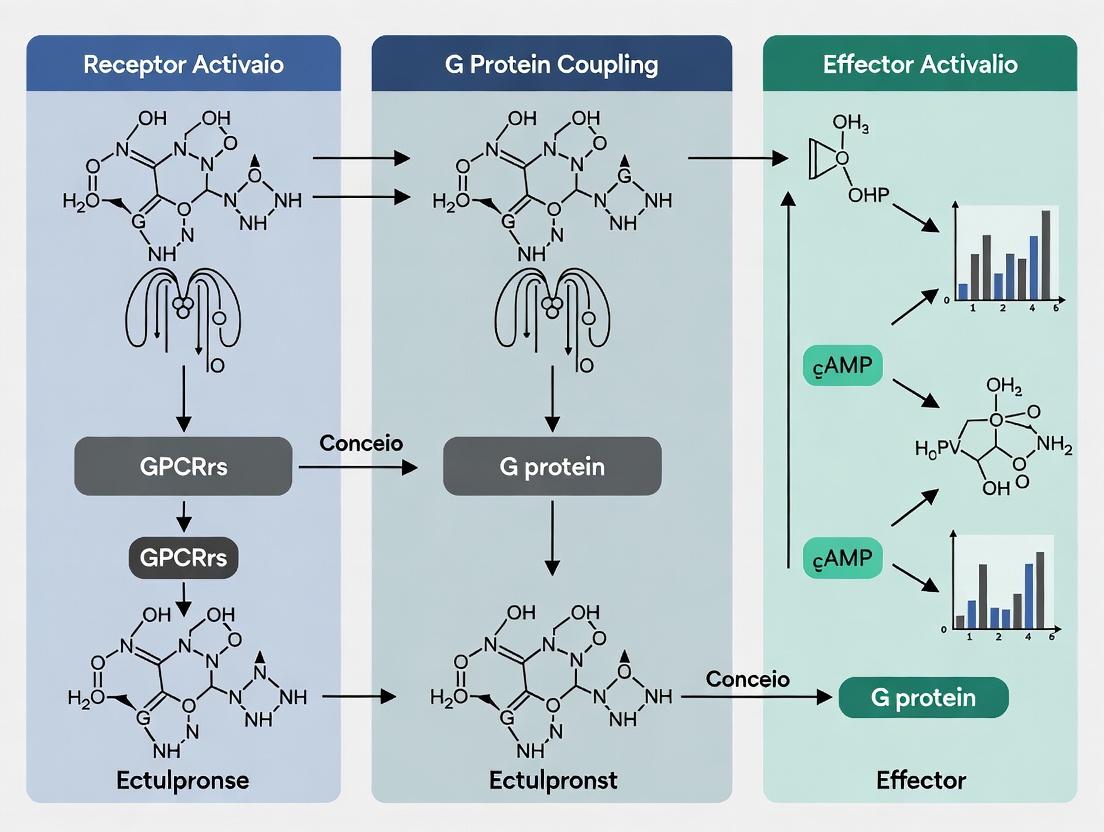
This comprehensive guide examines the intricate signal transduction mechanisms of G protein-coupled receptors (GPCRs), the largest family of membrane receptors and prime targets for drug development.
Decoding GPCR Signaling: From Molecular Mechanisms to Modern Drug Discovery
Abstract
This comprehensive guide examines the intricate signal transduction mechanisms of G protein-coupled receptors (GPCRs), the largest family of membrane receptors and prime targets for drug development. Tailored for researchers, scientists, and pharmaceutical professionals, the article explores the foundational principles of GPCR activation and allostery, details cutting-edge methodological approaches for studying these dynamics, addresses common experimental challenges and optimization strategies, and provides a critical validation framework comparing classical vs. modern paradigms. By synthesizing recent structural biology breakthroughs and functional insights, this resource aims to bridge fundamental knowledge with practical application in therapeutic design.
GPCRs 101: Unraveling the Core Architecture and Activation Mechanisms
G protein-coupled receptors (GPCRs) represent the largest and most pharmacologically important superfamily of membrane proteins. Their study is fundamental to a comprehensive thesis on GPCR signal transduction mechanism research, as their classification and structural understanding directly inform hypotheses on ligand recognition, activation, and downstream signaling diversity. This guide provides a technical overview of the defining structural features and evolving classification systems.
Structural Hallmarks of the GPCR Superfamily
The canonical GPCR structure is characterized by a conserved architecture that enables its function as a dynamic signal transducer across the plasma membrane.
Core Structural Motifs:
- Seven Transmembrane (7TM) α-Helices (TMs I-VII): The signature domain, forming a barrel-like structure that traverses the lipid bilayer.
- Extracellular N-terminus: Variable in length and involved in ligand binding, particularly for large peptides and glycoprotein hormones.
- Three Extracellular Loops (ECL1-3) and Three Intracellular Loops (ICL1-3): Critical for ligand interaction specificity and G protein/coupling partner recognition, respectively.
- Intracellular C-terminus: Often contains palmitoylation sites and phosphorylation clusters for regulation by GPCR kinases (GRKs) and arrestin binding.
- Conserved Microdomains:
- DRY Motif: A highly conserved (Asp-Arg-Tyr) sequence at the cytoplasmic end of TM3, crucial for G protein coupling and receptor activation.
- NPxxY Motif: Located in TM7, important for receptor activation and arrestin recruitment.
- Disulfide Bridge: Typically connects ECL2 with the top of TM3, stabilizing the extracellular fold.
Recent structural data from cryo-electron microscopy (cryo-EM) and advanced crystallography have elucidated states beyond the inactive and active conformations, including intermediate states and complexes with various transducers (G proteins, arrestins, GPCR kinases).
Table 1: Quantitative Summary of Human GPCR Superfamily
| Classification Class | Approximate Member Count | Representative Ligands | Key Structural Distinctions |
|---|---|---|---|
| Class A (Rhodopsin-like) | ~700 members | Light, amines, peptides, lipids, opioids | Short N-terminus; ligand binds within TM bundle |
| Class B1 (Secretin-like) | 15 members | Peptide hormones (Glucagon, PTH, Secretin) | Large N-terminus with ligand-binding domain; long ECLs |
| Class B2 (Adhesion) | 33 members | Diverse (includes cell adhesion molecules) | Very long N-terminus with adhesion motifs; GAIN domain |
| Class C (Glutamate-like) | 22 members | Glutamate, GABA, Ca2+, pheromones | Large bilobed Venus Flytrap (VFT) N-terminal domain; often form dimers |
| Class F (Frizzled) | 11 members | Wnt proteins | Cysteine-rich domain (CRD) in N-terminus |
Classification Systems
The classical A-F system (outlined in Table 1) is based on sequence homology and functional similarity. However, the GRAFS system (Glutamate, Rhodopsin, Adhesion, Frizzled/Taste2, Secretin) is a more recent phylogenetic refinement, separating Taste2 receptors from Class C and providing a clearer evolutionary picture.
The GPCRdb numbering system is now a critical standard for unified referencing of residue positions across the superfamily. It aligns residues based on their location in the TM helices relative to a conserved reference point, facilitating cross-receptor comparisons and computational analyses.
Experimental Protocols for Structural and Functional Classification
Protocol 1: Phylogenetic Analysis for Classification
- Sequence Retrieval: Curate full-length amino acid sequences of GPCRs of interest from databases like UniProt.
- Multiple Sequence Alignment (MSA): Use algorithms (e.g., Clustal Omega, MAFFT) to generate an MSA, focusing on the 7TM core domain.
- Tree Construction: Apply maximum likelihood or Bayesian inference methods (e.g., PhyML, MrBayes) to the MSA to generate a phylogenetic tree.
- Classification: Assign clades based on branching patterns, correlating with known class-defining motifs (e.g., presence of VFT, long N-terminus).
Protocol 2: Radioligand Binding Assay to Characterize Pharmacological Class
- Membrane Preparation: Isolate plasma membranes from cells expressing the GPCR of interest.
- Saturation Binding: Incubate membranes with increasing concentrations of a radiolabeled specific ligand. Perform parallel incubations with excess unlabeled ligand to determine non-specific binding.
- Competition Binding: Incubate membranes with a fixed concentration of radiolabeled ligand and increasing concentrations of unlabeled competitors.
- Analysis: Use nonlinear regression to calculate affinity constants (Kd, Ki) and receptor density (Bmax). The pharmacological profile helps associate an orphan receptor with a known class.
Visualizing GPCR Classification and Activation
Diagram 1: Phylogenetic Classification of GPCR Classes
Diagram 2: Core GPCR Activation and Signaling Branches
The Scientist's Toolkit: Key Research Reagents
Table 2: Essential Reagents for GPCR Structural & Classification Research
| Reagent / Material | Function / Application |
|---|---|
| BRIL (Apocytochrome b562 RIL) | A fusion partner used to stabilize GPCRs for crystallography, especially for conformational states like the active state. |
| ScFv16 (Nanobody) | A camelid-derived single-domain antibody that stabilizes the active state of β2-adrenergic receptor and facilitates crystallization of GPCR-G protein complexes. |
| T4 Lysozyme | Commonly inserted into ICL3 to enhance crystal contacts and facilitate the crystallization of flexible GPCRs. |
| Alprenolol-Agarose Resin | An affinity chromatography resin used for the purification of β-adrenergic receptors and related Class A GPCRs. |
| Methyl-β-cyclodextrin | Used to create a lipid-depleted environment (cholesterol removal) to study the effect of membrane composition on GPCR stability and dimerization. |
| Baculovirus Expression System | A common method for producing large quantities of recombinant GPCR protein in insect cells for structural studies. |
| Stable Isotope-Labeled Amino Acids (e.g., ^15N, ^13C) | Essential for NMR spectroscopy studies to determine the dynamics and local conformational changes in GPCRs. |
| Bimane Fluorescent Dye (e.g., mBBr) | A site-specific fluorescent label for cysteine residues used in fluorescence spectroscopy (e.g., FRET) to monitor conformational changes in real time. |
This technical guide details the canonical activation mechanism of G protein-coupled receptors (GPCRs), the largest family of membrane receptors and a primary target for therapeutic drug development. The pathway—comprising agonist binding, receptor conformational change, and subsequent heterotrimeric G protein engagement—represents the fundamental, conserved sequence initiating cellular signaling cascades. Understanding this precise mechanism is central to a broader thesis on GPCR signal transduction, informing efforts to develop biased agonists, allosteric modulators, and other precision therapeutics.
Core Mechanism: A Three-Step Process
Agonist Binding
The process initiates when an endogenous ligand or synthetic agonist binds to the receptor's orthosteric site, a pocket formed within the transmembrane helix bundle or in the extracellular regions. Binding affinity (Kd) typically ranges from nM to low µM. This interaction provides the energy to overcome the receptor's basal state stability.
Key Quantitative Data: Representative Agonist Binding Affinities
| GPCR | Agonist | Kd (nM) | Assay Type | Reference (Year) |
|---|---|---|---|---|
| β2-Adrenergic Receptor | Epinephrine | 210 | Radioligand Binding | (2023) |
| Adenosine A2A Receptor | Adenosine | 310 | SPR / BRET | (2024) |
| μ-Opioid Receptor (μOR) | DAMGO | 1.8 | Radioligand Binding | (2023) |
| Rhodopsin | 11-cis-Retinal | ~0.5 | Spectroscopy | (2022) |
Experimental Protocol: Radioligand Binding for Affinity Determination
- Objective: Determine the dissociation constant (Kd) of an unlabeled agonist by competitive displacement of a radiolabeled antagonist.
- Materials: Membrane preparation expressing target GPCR, [3H]- or [125I]-labeled antagonist, unlabeled agonist (test compound), binding buffer (e.g., Tris-HCl, MgCl2), GF/B filter plates, scintillation cocktail.
- Procedure:
- Serially dilute the unlabeled agonist in binding buffer.
- Incubate a fixed concentration of membrane protein and radioligand with each dilution of agonist in a 96-well plate (60-90 min, room temp or 4°C).
- Terminate reaction by rapid vacuum filtration through GF/B filters to separate bound from free radioligand.
- Wash filters, dry, add scintillation fluid, and count in a microplate scintillation counter.
- Data Analysis: Fit competitive binding curve data (cpm vs. log[agonist]) using a one-site competitive binding model (e.g., in GraphPad Prism) to derive the inhibition constant (Ki), which can be converted to Kd using the Cheng-Prusoff equation.
Conformational Change
Agonist binding stabilizes a specific set of conformational states characterized by outward movement of transmembrane helix 6 (TM6) and inward movement of TM7 relative to the core. This "active" conformation features a cytoplasmic cavity optimized for G protein interaction. Key molecular switches include the "ionic lock" breakage (DRY motif) and reorganization of the PIF and NPxxY motifs.
Experimental Protocol: Bioluminescence Resonance Energy Transfer (BRET) for Conformational Sensing
- Objective: Monitor real-time, intramolecular conformational changes in live cells.
- Materials: GPCR construct with N-terminal NanoLuc (donor) and C-terminal circularly permuted GFP (acceptor) inserted in intracellular loop 3, agonist/antagonist, BRET-compatible microplate reader.
- Procedure:
- Seed cells expressing the BRET sensor construct in a white-walled 96-well plate.
- Add the luciferase substrate (coelenterazine-h or furimazine) immediately before reading.
- Acquire donor (450 nm) and acceptor (510 nm) emission signals sequentially after agonist addition (kinetic mode).
- Data Analysis: Calculate BRET ratio as (acceptor emission / donor emission). Plot BRET ratio vs. time. A change in ratio indicates a conformational rearrangement altering the distance/orientation between donor and acceptor.
G Protein Engagement
The active receptor conformation recruits a cytosolic heterotrimeric G protein (αβγ). Receptor-catalyzed GDP release from the Gα subunit is the key triggering event. This is followed by GTP binding to Gα, leading to dissociation of the GTP-bound Gα from the Gβγ dimer and the receptor. Both Gα-GTP and Gβγ then regulate downstream effector proteins (e.g., adenylyl cyclase, phospholipase C, ion channels).
Key Quantitative Data: Kinetic Parameters of G Protein Engagement
| Parameter | Gαs Engagement (β2AR) | Gαi Engagement (μOR) | Gαq Engagement (M1 mAChR) | Measurement Method |
|---|---|---|---|---|
| GDP off-rate (koff) | ~0.05 s⁻¹ | ~0.03 s⁻¹ | ~0.04 s⁻¹ | Single-turnover [35S]GTPγS |
| G Protein Coupling Efficiency (ΔBRETmax) | 120-150 mBU | 80-110 mBU | 90-130 mBU | G protein BRET (Gα-Rluc8 / Gγ1-GFP2) |
| Ternary Complex Lifetime | ~1 sec | ~2 sec | ~1.5 sec | Cryo-EM / Computational |
Experimental Protocol: [35S]GTPγS Binding Assay
- Objective: Measure receptor-catalyzed G protein activation via quantification of non-hydrolyzable GTP analog binding.
- Materials: Membrane preparation expressing GPCR and G proteins, [35S]GTPγS, GDP, agonist, wash buffer, GF/B filters, scintillation counter.
- Procedure:
- Incubate membranes with [35S]GTPγS, excess GDP (to suppress basal binding), and increasing agonist concentrations (20-30 min, 30°C).
- Terminate by rapid vacuum filtration through GF/B filters.
- Wash filters, dry, add scintillation fluid, and count.
- Data Analysis: Plot specific [35S]GTPγS binding vs. agonist concentration. Fit data to a sigmoidal dose-response curve to determine EC50 and Emax, reflecting agonist potency and efficacy for G protein activation.
Visualizing the Canonical Pathway
Diagram 1: Sequential steps of canonical GPCR activation.
Diagram 2: Experimental assays mapped to activation stages.
The Scientist's Toolkit: Research Reagent Solutions
| Reagent / Material | Primary Function in Canonical Pathway Research |
|---|---|
| Membrane Preparations (Sf9, HEK293) | Source of native or recombinant GPCRs and G proteins for in vitro binding and GTPγS assays. |
| Stable Cell Lines (e.g., HEK293T, CHO) | Provide a consistent, scalable system for live-cell assays (BRET, cAMP, Ca2+). |
| NanoBit / SmBit G Protein Subunits | Genetically encoded fragments of NanoLuc for monitoring G protein dissociation (Gα from Gβγ). |
| Tag-lite Labeled Ligands (HaloTag/SNAP-tag compatible) | Fluorophore-conjugated ligands for homogenous time-resolved FRET (HTRF) binding studies. |
| PathHunter β-Arrestin / Enzyme Fragment Complementation (EFC) | Cell-based assay to measure β-arrestin recruitment, often compared to G protein signaling (bias). |
| Cryo-EM Grids (Quantifoil Au R1.2/1.3) | Support film for flash-freezing purified receptor-G protein complexes for structural determination. |
| Gα Subunit Antibodies (Selective) | For immunoprecipitation, Western blot, or to block specific G protein coupling pathways. |
| Fluorometric Imaging Plate Reader (FLIPR) + Dye Kits | Real-time, high-throughput measurement of intracellular calcium (Gαq/11) or membrane potential. |
| Baculovirus Expression System | Standard for co-expressing and purifying multi-protein complexes (GPCR, Gα, Gβ, Gγ) for biochemistry. |
| GTPγS (Guanosine 5'-O-[gamma-thio]triphosphate) | Non-hydrolyzable GTP analog used to quantify G protein activation in membrane assays. |
G protein-coupled receptors (GPCRs) represent the largest family of membrane proteins and are the target of approximately 35% of FDA-approved drugs. For decades, the canonical paradigm of GPCR signal transduction centered exclusively on heterotrimeric G proteins. Within the broader thesis of GPCR signaling mechanism research, it is now established that this view is incomplete. A major shift occurred with the discovery of β-arrestins and other non-canonical signaling partners, which not only mediate receptor desensitization and internalization but also initiate distinct and functional signaling cascades. This whitepaper provides an in-depth technical guide to these non-canonical pathways, detailing their mechanisms, experimental interrogation, and implications for drug discovery.
β-arrestin-Mediated Signaling: Mechanisms and Pathways
β-arrestins (1 and 2) were initially characterized for their role in GPCR desensitization, where they sterically hinder G protein coupling following receptor phosphorylation by G protein-coupled receptor kinases (GRKs). It is now clear that they also act as multifunctional adaptor proteins, scaffolding numerous signaling effectors to initiate G protein-independent pathways.
Key β-arrestin-Scaffolded Pathways:
- MAPK Activation: β-arrestins scaffold components of the ERK1/2, JNK3, and p38 MAPK pathways. For instance, β-arrestin-dependent ERK activation often results in sustained signaling and distinct subcellular localization (cytosolic retention) compared to the transient, nuclear-translocated ERK signals from G protein activation.
- Src and AKT Pathways: β-arrestins recruit and activate Src family kinases, influencing cell proliferation and survival via AKT.
- Transcriptional Regulation: Via interactions with proteins like MDM2, β-arrestins can regulate p53 and NF-κB activity, influencing gene expression.
Diagram 1: β-arrestin's Dual Role in GPCR Signaling (98 chars)
Other Non-Canonical Signaling Partners
Beyond β-arrestins, GPCRs interact directly with a diverse array of proteins.
- GPCR-Kinase Interactions: Some GPCRs directly bind to and activate JAK kinases, leading to STAT transcription factor phosphorylation.
- Ion Channel Modulation: Direct physical coupling (e.g., GABAB receptors with Kir3 channels) can occur independently of G proteins.
- Regulators of G protein Signaling (RGS): While they modulate G protein signaling, some RGS proteins also have effector functions.
- Adapter Proteins: Proteins like NHERF (Na+/H+ exchanger regulatory factor) use PDZ domains to tether GPCRs to other signaling and trafficking proteins.
Table 1: Key Characteristics of Canonical vs. Non-Canonical GPCR Signaling
| Feature | G Protein-Mediated (Canonical) | β-arrestin-Mediated (Non-Canonical) | Other Non-Canonical Partners |
|---|---|---|---|
| Primary Temporal Response | Fast (milliseconds to seconds) | Slower (seconds to minutes) | Variable |
| ERK1/2 Signaling Profile | Transient, nuclear localized | Sustained, cytosolic localized | Context-dependent |
| Approx. % of GPCRs Engaging Pathway | >80% (estimated) | Significant subset (e.g., AT1R, PAR2, V2R) | Smaller, receptor-specific subsets |
| Therapeutic Targeting Example | β-blockers, antihistamines | Angiotensin II Receptor Blockers (ARBs) like losartan show biased signaling | Under investigation |
| Key Small Molecule Probe | PTX (Gi/o inhibitor), YM-254890 (Gq inhibitor) | Barbadin (arrestin-GPCR inhibitor) | Receptor-specific inhibitors |
Table 2: Experimental Readouts for Differentiating Signaling Pathways
| Assay Type | Measures G Protein Activity? | Measures β-arrestin Activity? | Key Technology/Reagent |
|---|---|---|---|
| cAMP Accumulation | Yes (Gs/Gi) | No | HTRF cAMP assay, GloSensor |
| Calcium Flux | Yes (Gq) | Indirectly, if Gq-coupled | FLIPR with fluorescent dyes (e.g., Fluo-4) |
| ERK1/2 Phosphorylation | Yes (transient) | Yes (sustained) | Phospho-ERK ELISA/Western, AlphaLISA |
| β-arrestin Recruitment | No | Yes | PathHunter (enzyme fragment complementation), BRET/FRET biosensors |
| Receptor Internalization | Indirectly | Yes | TIRF microscopy, antibody-based flow cytometry |
Detailed Experimental Protocols
Protocol: Differentiating G Protein vs. β-arrestin ERK Phosphorylation
Objective: To dissect the contribution of G protein and β-arrestin pathways to total agonist-induced ERK1/2 phosphorylation.
Materials: See "The Scientist's Toolkit" below. Method:
- Cell Culture & Seeding: Plate HEK293 cells stably expressing the GPCR of interest in 12-well plates. Culture until ~90% confluent.
- Pre-treatment & Inhibition: For the final 30 min of serum starvation, treat cells with appropriate inhibitors:
- Gi/o blockade: 100 ng/mL Pertussis Toxin (PTX).
- Gq blockade: 1 µM YM-254890 or 10 µM UBO-QIC.
- β-arrestin blockade: 10 µM Barbadin or utilize siRNA knockdown (transfect 48-72 hrs prior).
- Control: Vehicle only.
- Agonist Stimulation: Stimulate cells with a concentration-response of agonist ligand (e.g., 10 pM – 1 µM) for precisely 5 minutes (for G protein bias) and 30 minutes (for β-arrestin bias) in serum-free medium.
- Cell Lysis & Sample Prep: Aspirate medium, lyse cells in 150 µL/well of ice-cold RIPA buffer with protease/phosphatase inhibitors. Scrape, vortex, and centrifuge at 14,000g for 15 min at 4°C. Collect supernatant.
- Western Blot Analysis:
- Separate 20 µg of protein by SDS-PAGE (4-12% Bis-Tris gel).
- Transfer to PVDF membrane.
- Block with 5% BSA in TBST for 1 hour.
- Incubate with primary antibodies (pERK1/2 and total ERK1/2) overnight at 4°C.
- Incubate with HRP-conjugated secondary antibodies for 1 hour at RT.
- Develop with ECL reagent and image.
- Data Analysis: Quantify band density. Normalize pERK to total ERK. Plot agonist response curves for each time point and inhibition condition to determine signaling bias.
Diagram 2: ERK Phosphorylation Bias Assay Workflow (94 chars)
Protocol: β-arrestin Recruitment using BRET
Objective: To quantitatively measure real-time recruitment of β-arrestin to an activated GPCR in live cells. Method:
- Biosensor Constructs: Co-transfect cells with:
- GPCR C-terminally tagged with a Renilla luciferase (Rluc) donor (e.g., RLuc8).
- β-arrestin tagged with a fluorescent protein (e.g., Venus) acceptor.
- Cell Preparation: Seed transfected cells into a white-walled 96-well plate.
- BRET Measurement:
- Add the luciferase substrate coelenterazine-h (final 5 µM).
- Immediately read using a microplate reader capable of sequential luminescence (460-480 nm, donor) and fluorescence (520-540 nm, acceptor) detection.
- Add agonist and continue reading for 15-30 minutes.
- Calculation: BRET ratio = (Acceptor emission) / (Donor emission). Subtract the ratio from unstimulated cells.
The Scientist's Toolkit: Key Research Reagent Solutions
| Reagent/Kit | Vendor Examples | Primary Function in Non-Canonical Signaling Research |
|---|---|---|
| PathHunter β-arrestin Recruitment | DiscoverX (Eurofins) | Enzyme fragment complementation (EFC) cell-based assay for high-throughput screening of arrestin engagement. |
| BRET/FRET Biosensor Pairs | Montana Molecular, cDNA repositories | Genetically encoded sensors for real-time, live-cell measurement of protein-protein interactions (e.g., GPCR-β-arrestin). |
| G Protein Pathway Inhibitors | Tocris, Cayman Chemical | Pertussis Toxin (PTX): Inhibits Gi/o. YM-254890/UBO-QIC: Inhibit Gq. Critical for pathway dissection. |
| β-arrestin Biased Ligands | Tocris, Peptide Vendors | TRV120027 (Sar-Arg-Val-Tyr-Ile-His-Pro-D-Ala-OH): Biased AT1R agonist for β-arrestin. Icarin: β-arrestin-biased ligand for PTH1R. |
| Phospho-ERK1/2 (Thr202/Tyr204) Assays | Cisbio (HTRF), R&D Systems (AlphaLISA), CST (Antibodies) | Quantify ERK phosphorylation as a downstream endpoint for both G protein and β-arrestin signaling. |
| siRNA/shRNA for β-arrestin1/2 | Dharmacon, Origene | Knockdown β-arrestin isoforms to confirm the specificity of observed non-canonical signaling events. |
| Barbadin | Sigma-Aldrich, Tocris | Small molecule inhibitor that selectively blocks the interaction between β-arrestin and the clathrin adaptor AP2, inhibiting β-arrestin-mediated internalization and signaling. |
| TIRF Microscopy Systems | Nikon, Olympus, Andor | High-resolution imaging of receptor and β-arrestin trafficking at the plasma membrane in real time. |
Within the broader thesis of G protein-coupled receptor (GPCR) signal transduction research, understanding allostery is paramount for achieving functional selectivity. Allosteric modulators bind to topographically distinct sites from the orthosteric pocket, inducing conformational changes that bias receptor signaling toward specific pathways. This whitepaper provides a technical guide to mapping allosteric landscapes, elucidating modulator binding sites, and interpreting the resultant functional selectivity profiles critical for modern drug development.
Defining Allosteric Sites and Functional Selectivity
Allosteric sites on GPCRs are diverse and often less conserved than orthosteric sites, offering greater potential for subtype selectivity. Binding at these sites modulates receptor dynamics, affecting the propensity to engage specific transducers (e.g., G proteins, β-arrestins). Functional selectivity, or biased signaling, arises when a ligand stabilizes a subset of receptor conformations, preferentially activating one signaling outcome over others.
Quantitative Landscape of Allosteric Modulation
Recent studies provide quantitative data on affinity, cooperativity, and efficacy of allosteric modulators. Key metrics include binding affinity (pKi, pKd), cooperativity factor (αβ), and log(τ/κA) for bias quantification.
Table 1: Quantitative Parameters for Model GPCR Allosteric Modulators
| GPCR Target | Modulator Name | Modulator Type | pKi (Allosteric) | Cooperativity (αβ) with Orthosteric Agonist | Signaling Bias Profile (G protein vs. β-arrestin) | Reference Year |
|---|---|---|---|---|---|---|
| mGlu5 | MPEP | NAM | 7.8 | 0.1 (Negative) | Not Applicable (Full inhibition) | 2023 |
| M2 mAChR | BQCA | PAM | 4.9 | 15.8 (Positive) | Gq/Gi biased | 2022 |
| CCK2R | Compound X | PAM-agonist | 6.2 | -- (Intrinsic Agonism) | β-arrestin-1 biased | 2023 |
| β2AR | Cmpd-15 | PAM | 6.5 | 12.6 (Positive) | Gs biased | 2024 |
| AT1R | TRV027 | Biased Ligand | 8.1 (Orthosteric) | -- | β-arrestin-2 biased (Gq antagonism) | 2022 |
Table 2: Common Experimental Outputs for Allosteric Parameter Determination
| Parameter | Assay Method | Typical Output Range | Interpretation |
|---|---|---|---|
| pKB / pKi (Allosteric) | Radioligand Binding (Saturation/Competition) | 4.0 - 10.0 | Higher value indicates greater affinity for allosteric site. |
| Cooperativity Factor (αβ) | Functional Assay (e.g., cAMP, IP1) with Schild/Operational Model | 0 - >100 | αβ=1 (neutral), >1 (positive cooperativity), <1 (negative cooperativity). |
| Bias Factor (log(τ/κA)) | Operational Model fitting across multiple pathways (e.g., G protein vs. β-arrestin recruitment) | -2.0 to +2.0 | Positive value indicates bias towards the first pathway in the comparison. |
| ΔΔG (Binding Energy) | Isothermal Titration Calorimetry (ITC) or Computational Docking | -5 to -15 kcal/mol | More negative values indicate stronger, more favorable binding interactions. |
Core Experimental Protocols
Protocol: Identification and Validation of Allosteric Sites
Objective: To confirm a novel allosteric binding site and distinguish it from the orthosteric pocket. Methodology:
- Orthosteric Radioligand Displacement Assay: Perform competition binding using a high-affinity orthosteric radioligand (e.g., [³H]NMS for muscarinic receptors). A modulator that does not fully displace the orthosteric radioligand, even at high concentrations, suggests a separate allosteric interaction.
- Schild Regression Analysis: In a functional assay, assess the effect of increasing concentrations of the allosteric modulator on the concentration-response curve of an orthosteric agonist. A non-parallel shift with alteration of the maximum response is indicative of allosteric modulation.
- Mutagenesis & Binding Rescue: Identify putative allosteric site residues via structural modeling (e.g., from a cryo-EM structure). Create alanine mutation constructs. Test modulator binding loss in the mutant via radioligand binding. Confirm site specificity by designing a complementary modulator with restored binding (e.g., via synthetic analogue).
Protocol: Quantifying Biased Signaling via the Operational Model
Objective: To quantitatively determine the signaling bias of an allosteric modulator relative to a reference agonist. Methodology:
- Dual-Pathway Functional Assays: In the same cellular background, conduct two parallel assays measuring distinct signaling outputs (e.g., Gs-mediated cAMP accumulation using a BRET biosensor and β-arrestin-2 recruitment using a PathHunter or BRET assay).
- Concentration-Response Curve Generation: For the test modulator and a reference balanced agonist, generate full concentration-response curves for both pathways. Include necessary controls (vehicle, full agonist, inverse agonist).
- Operational Model Fitting: Fit the data from each pathway independently to the Black/Leff operational model using nonlinear regression software (e.g., Prism):
Response = (E<sub>m</sub> * τⁿ * [A]ⁿ) / ((κ<sub>A</sub> + [A])ⁿ + τⁿ * [A]ⁿ)Where Em is system maximum, [A] is ligand concentration, κA is equilibrium dissociation constant, τ is efficacy parameter, and n is a transducer slope factor. - Bias Factor Calculation: Calculate the transduction coefficient (log(τ/κA)) for each ligand in each pathway. The bias factor (ΔΔlog(τ/κA)) is the difference between the log(τ/κA) values for pathway 1 and pathway 2 for the test ligand, normalized to the same difference for the reference ligand.
The Scientist's Toolkit: Research Reagent Solutions
Table 3: Essential Reagents for Allosteric GPCR Research
| Item/Category | Example Product/Technology | Function in Research |
|---|---|---|
| Bioluminescence Resonance Energy Transfer (BRET) Biosensors | cAMP BRET biosensor (e.g., CAMYEL), β-arrestin recruitment BRET pairs (e.g., NanoLuc-tagged receptor, Venus-tagged β-arrestin). | Enables real-time, live-cell quantification of second messenger dynamics and protein-protein interactions critical for bias assessment. |
| Tag-Lite SNAP-tag/Lumi4-Tb Technology | SNAP-tagged GPCRs, Lumi4-Tb labeled antagonists/anti-tag antibodies. | Facilitates homogeneous time-resolved fluorescence resonance energy transfer (HTRF) binding assays for both orthosteric and allosteric ligand discovery and characterization. |
| PathHunter β-Arrestin Recruitment Assay | Enzyme fragment complementation (EFC) cells for specific GPCRs. | Provides a robust, high-throughput compatible, non-BRET/Gq-dependent method to measure β-arrestin recruitment. |
| Cryo-EM Grade Stabilization Nanobodies (e.g., scFv, BRIL) | Conformation-specific nanobodies (e.g., Nb6B9 for β2AR-Gs complex). | Stabilizes specific active or inactive receptor-transducer complexes for high-resolution structural determination of allosteric states. |
| Kinase TRUPATH BRET Assay Kits | Pre-validated G protein biosensor kits (Gs, Gi, Gq, G12). | Allows simultaneous, multiplexed profiling of GPCR coupling to multiple G protein subtypes in a single experiment. |
| Photocrosslinkable/Clickable Allosteric Probe | Synthesized modulator with diazirine or aryl azide photoaffinity label and alkyne handle. | Used in chemical proteomics to covalently label and subsequently identify (via pulldown and mass spectrometry) allosteric binding sites on target GPCRs. |
Visualizing Allosteric Landscapes and Signaling
Diagram 1: Allosteric Modulation Induces Signaling Bias
Diagram 2: Workflow for Mapping an Allosteric Landscape
The elucidation of G protein-coupled receptor (GPCR) signal transduction mechanisms represents a central thesis in modern pharmacology and structural biology. For decades, the dynamic conformational states that couple extracellular ligand binding to intracellular effector engagement remained hypothetical, constrained by the limitations of low-resolution techniques. The recent convergence of cryo-electron microscopy (cryo-EM) and X-ray crystallography has revolutionized this field. This whitepaper details how these complementary high-resolution structural techniques have provided unprecedented atomic-level insights into GPCR activation, G protein coupling, arrestin recruitment, and the formation of megaplexes, fundamentally reshaping our understanding of transmembrane signaling and drug discovery paradigms.
Core Structural Techniques: Methodologies and Protocols
2.1 Single-Particle Cryo-EM Workflow for GPCR-G Protein Complexes Protocol Summary:
- Sample Preparation: Purify stabilized GPCR-G protein complexes (e.g., β2AR-Gs, µOR-Gi) in detergent or nanodiscs. Use conformation-selective nanobodies or mini-G proteins to stabilize specific states.
- Vitrification: Apply 3-4 µL of sample (~1-3 mg/mL) to a plasma-cleaned cryo-EM grid. Blot and plunge-freeze in liquid ethane using a vitrobot (blot force 0-10, blot time 2-6s, 100% humidity, 4°C).
- Data Acquisition: Image grids on a 300 keV cryo-TEM (e.g., Titan Krios) equipped with a direct electron detector (Gatan K3) and energy filter (slit width 20 eV). Use a defocus range of -0.8 to -2.5 µm. Collect ~5,000-10,000 movies at a nominal magnification of 105,000x (pixel size ~0.83 Å).
- Image Processing: Motion-correct and dose-weight frames (MotionCor2). Estimate CTF parameters (CTFFIND4/Gctf). Perform particle picking (cryoSPARC Live/Blob picker), 2D classification to remove junk, ab-initio reconstruction, and heterogeneous refinement. Final rounds of non-uniform refinement and local CTF refinement yield maps at 2.5-3.5 Å resolution.
- Model Building: Fit existing high-resolution structures into the map (ChimeraX) and perform iterative manual building (Coot) and real-space refinement (PHENIX/ISOLDE).
2.2 X-ray Crystallography of GPCR-Arrestin Complexes Protocol Summary:
- Protein Engineering & Crystallization: Engineer GPCR-arrestin fusions or use phosphorylated receptor C-terminus mimetics to stabilize the complex. Employ T4L or BRIL insertions to enhance crystallizability. Screen crystallization conditions using lipidic cubic phase (LCP) or detergent-based vapor diffusion.
- Data Collection: Harvest crystals and flash-cool in liquid nitrogen. Collect diffraction data at a synchrotron microfocus beamline (e.g., APS 23-ID-D) or using an XFEL.
- Structure Solution: Index and integrate diffraction images (XDS). Scale data (Aimless). Solve the phase problem via molecular replacement (Phaser) using known receptor and arrestin structures. Refine with iterative cycles in Buster/PHENIX.
Key Structural Insights and Quantitative Data
Table 1: Landmark GPCR Complex Structures Determined by Cryo-EM (2021-2024)
| GPCR Complex | PDB Code | Resolution | Technique | Key Revelation |
|---|---|---|---|---|
| β1AR-Gs-Nb35 | 7JJO | 2.9 Å | Cryo-EM | Full agonist-bound active state; definitive Gs engagement geometry. |
| µOR-Gi-scFv16 | 8F7W | 2.5 Å | Cryo-EM | High-resolution view of opioid-Gi engagement; basis for biased signaling. |
| GLP-1R-Gs | 7SIV | 2.8 Å | Cryo-EM | Extracellular domain (ECD) mediated peptide binding and allosteric modulation. |
| Rhodopsin-Arrestin-1 | 8FAL | 3.3 Å | Cryo-EM | Visual arrestin complex with phosphorylated receptor. |
| FSHR-Gs | 8F7A | 2.8 Å | Cryo-EM | Hormone-specific ECD recognition and transmembrane activation. |
Table 2: Comparative Metrics: Cryo-EM vs. X-ray for GPCRs
| Parameter | X-ray Crystallography | Single-Particle Cryo-EM |
|---|---|---|
| Typical Sample Size | >0.1 mg, highly homogeneous | ~0.01-0.05 mg, tolerates heterogeneity |
| State Stabilization | Requires high stability, often via fusions/mutations | Can capture transient complexes with stabilizers (nanobodies, mini-Gs) |
| Typical Resolution | 1.8 - 3.0 Å (Very High) | 2.5 - 4.0 Å (Routine, improving) |
| Key Advantage | Atomic precision, small molecule ligand visualization | Native-like environment (nanodiscs), ability to solve large, flexible complexes |
| Primary Limitation | Need for well-diffracting crystals | Particle alignment challenges for small targets (<100 kDa) |
Visualizing Signaling Pathways and Workflows
Title: GPCR Signaling Pathways to G Proteins and Arrestins
Title: Cryo-EM Structural Biology Workflow
The Scientist's Toolkit: Key Research Reagent Solutions
Table 3: Essential Reagents for GPCR Structural Studies
| Reagent/Material | Supplier Examples | Function in Structural Biology |
|---|---|---|
| Monoolein (for LCP) | Nu-Chek Prep, Sigma-Aldrich | Forms the lipidic cubic phase matrix for crystallizing membrane proteins. |
| n-Dodecyl-β-D-Maltopyranoside (DDM) | Anatrace, GoldBio | Mild detergent for GPCR solubilization and purification. |
| Cholesteryl Hemisuccinate (CHS) | Sigma-Aldrich, Anatrace | Cholesterol analog added to detergents to stabilize GPCRs. |
| Mono-body/Mini-G Proteins | Academic labs, custom synthesis | Engineered, stable mimics of G protein α-subunits to facilitate complex formation for Cryo-EM. |
| Sf9 Insect Cells & Baculovirus | Thermo Fisher, Expression Systems | Standard expression system for producing milligram quantities of functional GPCRs. |
| Fluorinated Fos-Choline Detergents | Anatrace | Detergents for stabilizing GPCRs for crystallization trials. |
| Nanodiscs (MSP, Saposin) | Sigma-Aldrich, lab-purified | Membrane mimetic systems for presenting GPCRs in a near-native lipid bilayer for Cryo-EM. |
| TEV Protease | Homebrew, commercial | High-precision protease for cleaving affinity tags during protein purification. |
| Anti-Flag M1 Affinity Gel | Sigma-Aldrich | Calcium-dependent antibody resin for gentle purification of epitope-tagged GPCRs. |
| BRIL (Apocytochrome b562RIL) | Addgene, custom cloning | Soluble fusion partner to increase GPCR surface area for crystal lattice contacts. |
Tools of the Trade: Cutting-Edge Methods to Probe GPCR Signaling Dynamics
Within the study of G protein-coupled receptor (GPCR) signal transduction, the real-time measurement of second messengers—cyclic adenosine monophosphate (cAMP), calcium ions (Ca2+), and inositol 1,4,5-trisphosphate (IP3)—is fundamental. These molecules are critical downstream effectors that translate receptor activation into cellular responses. This whitepaper provides an in-depth technical guide to contemporary biosensor technologies enabling real-time, live-cell quantification of these second messengers, directly supporting mechanistic GPCR research and drug discovery.
Core Biosensor Technologies
Genetically Encoded Fluorescent Biosensors
These are engineered proteins that change fluorescence properties upon binding a specific second messenger. They are transfected into cells for live-cell imaging.
Bioluminescent Resonance Energy Transfer (BRET) Sensors
Sensors utilizing energy transfer between a luciferase donor and a fluorescent protein acceptor, with modulation upon ligand binding, ideal for plate-reader assays.
Dye-Based Indicators
Small molecule fluorescent chelators or analogs that are cell-permeable and used primarily for Ca2+ and occasionally cAMP detection.
Quantitative Comparison of Key Biosensor Platforms
Table 1: Comparison of Major Second Messenger Biosensor Technologies
| Second Messenger | Biosensor Name/Type | Technology Principle | Dynamic Range / KD | Key Advantages | Primary Readout |
|---|---|---|---|---|---|
| cAMP | EPAC-based (e.g., CUTie) | FRET (Fluorescence Resonance Energy Transfer) | ~0.1-10 µM (cAMP) | High specificity, ratiometric, subcellular targeting | Fluorescence microscopy (FRET ratio) |
| cAMP | GLoSensor | Bioluminescence (Luciferase-EPAC) | ~0.3 µM (cAMP) | High sensitivity, low background, plate-compatible | Luminescence (BRET ratio or intensity) |
| Ca2+ | GCaMP family (e.g., GCaMP6f/7) | Single FP, Ca2+-induced fluorescence increase | ~100-300 nM (Ca2+) | Very high brightness & SNR, fast kinetics | Fluorescence microscopy (intensity) |
| Ca2+ | Fura-2/Indo-1 | Ratiometric fluorescent dye | ~145-225 nM (Ca2+) | Ratiometric, quantitative calibration | Fluorescence microscopy (excitation/emission ratio) |
| IP3 | LIBRA (IRIS) / FIRE | FRET (Pleckstrin Homology domain) | ~0.1-10 µM (IP3) | Direct IP3 binding, real-time kinetics | Fluorescence microscopy (FRET ratio) |
| IP3 | IP3R-based Ca2+ flux | Indirect via ER Ca2+ release (e.g., GCaMP in cytosol) | N/A (indirect) | Functional downstream readout, highly amplified | Fluorescence microscopy (Ca2+ signal) |
Detailed Experimental Protocols
Protocol 1: Real-Time cAMP Measurement Using a FRET-based EPAC Sensor
Objective: To monitor GPCR-mediated cAMP production in live HEK293 cells. Key Reagents: HEK293 cells, EPAC-camps or CUTie plasmid, transfection reagent, HBSS imaging buffer, Forskolin (agonist), IBMX (phosphodiesterase inhibitor).
Methodology:
- Cell Preparation & Transfection: Seed HEK293 cells on poly-D-lysine coated glass-bottom dishes. At 60-70% confluency, transfect with the EPAC FRET biosensor plasmid using a suitable transfection reagent (e.g., PEI). Incubate for 24-48h.
- Imaging Setup: Use an inverted fluorescence microscope equipped with a temperature/CO2 controller, a 40x oil objective, a dual-emission photometry system or sensitive camera, and appropriate filter sets (e.g., CFP excitation 430/24nm, FRET donor emission 470/24nm, acceptor emission 535/30nm).
- Image Acquisition: Replace medium with pre-warmed HBSS. Select cells expressing moderate sensor levels. Acquire baseline CFP and YFP emissions for 1-2 minutes at 2-5 second intervals.
- Stimulation: Add GPCR agonist of interest directly to the dish. Continue acquisition for 10-20 minutes.
- Control & Calibration: At the end, add 10µM Forskolin + 500µM IBMX to obtain maximum cAMP response (high FRET). Add a saturating amount of a cAMP analog (e.g., 8-Br-cAMP) to verify sensor saturation if needed.
- Data Analysis: Calculate the background-subtracted FRET ratio (YFP emission intensity / CFP emission intensity) over time. Normalize data as ∆R/R0 or as a percent of the maximal Forskolin/IBMX response.
Protocol 2: Real-Time Cytosolic Ca2+ Measurement Using GCaMP6s
Objective: To measure GPCR-Gq-mediated Ca2+ mobilization from ER stores. Key Reagents: Cells of interest, AAV or plasmid encoding GCaMP6s, appropriate growth medium, HBSS + Ca2+/Mg2+, GPCR agonist, Ionomycin (positive control), EGTA (chelator).
Methodology:
- Sensor Expression: Stably express GCaMP6s in your cell line via viral transduction or transient transfection. Allow 24-48h for expression.
- Preparation: Wash cells once with HBSS and incubate in fresh HBSS for 30 min at 37°C before imaging.
- Microscopy: Use a widefield or confocal microscope with a GFP filter set. Set acquisition to rapid intervals (e.g., 100-500 ms exposure every 1-2 seconds). Use low laser power to minimize photobleaching.
- Baseline & Stimulation: Record baseline for ~30 seconds. Add agonist (e.g., 100nM angiotensin II for AT1R) without interrupting acquisition. Record until the signal returns to baseline or for a fixed period (e.g., 5 min).
- Calibration: At the end of the experiment, add 2µM Ionomycin to obtain Fmax (Ca2+-saturated sensor), followed by 10mM EGTA in Ca2+-free buffer to obtain Fmin (Ca2+-free sensor).
- Analysis: Calculate ∆F/F0 = (F - F0)/F0, where F0 is the average baseline fluorescence. For calibrated values, use the formula [Ca2+] = KD * (F - Fmin)/(Fmax - F), where KD for GCaMP6s is ~144 nM.
Protocol 3: IP3 Dynamics Measurement Using a LIBRA FRET Biosensor
Objective: Direct detection of IP3 generation following GPCR-Gq activation. Key Reagents: Cells, LIBRA (IRIS-IP3) biosensor plasmid, transfection reagent, HBSS, GPCR agonist (e.g., carbachol for muscarinic receptors), LiCl (inositol monophosphatase inhibitor), Hepes-buffered medium.
Methodology:
- Transfection: Transfect cells with the LIBRA IP3 FRET biosensor. The sensor consists of an IP3-binding domain (from IP3 receptor) flanked by CFP and YFP.
- Pre-incubation: Prior to imaging, incubate cells in serum-free medium with 10mM LiCl for 30 min to inhibit inositol phosphate recycling and amplify the IP3 signal.
- Imaging: Use a FRET-capable microscope. Acquire CFP and FRET (YFP) channel images every 5-10 seconds. IP3 binding causes a decrease in FRET.
- Stimulation: Add agonist and continue acquisition for 10-15 minutes.
- Data Processing: Compute the background-corrected FRET ratio (YFP/CFP). The signal is often presented as a decrease in the ratio (∆R/R0). Use 10µM ionomycin as a control to induce maximal IP3 production in some cell types, or permeabilize cells with digitonin and add known IP3 concentrations for in-situ calibration.
Signaling Pathway & Workflow Visualizations
Diagram 1: GPCR Second Messenger Core Pathways
Diagram 2: FRET Biosensor Experimental Workflow
Diagram 3: FRET Biosensor Mechanism of Action
The Scientist's Toolkit: Research Reagent Solutions
Table 2: Essential Materials for Real-Time Second Messenger Assays
| Item / Reagent | Function / Purpose | Example Product / Note |
|---|---|---|
| Genetically Encoded Biosensor Plasmids | Encode the fluorescent protein-based sensor for expression in live cells. | Addgene plasmids: pCAG-CUTie (cAMP), pGP-CMV-GCaMP6s (Ca2+), pLIBRA-IP3 (IP3). |
| Cell Culture Vessels for Imaging | Provide optimal optical clarity and cell adherence for microscopy. | MatTek glass-bottom dishes, Ibidi µ-Slides, Cellvis imaging plates. |
| High-Efficiency Transfection Reagent | Deliver biosensor plasmids into target cells with minimal toxicity. | Lipofectamine 3000, Polyethylenimine (PEI), Fugene HD. |
| Live-Cell Imaging Buffer | Maintain pH and cell viability during imaging outside a CO2 incubator. | Hanks' Balanced Salt Solution (HBSS) with 20mM HEPES, pH 7.4. |
| Reference Agonists & Antagonists | Positive and negative controls for pathway activation/inhibition. | Forskolin (AC activator), Ionomycin (Ca2+ ionophore), Carbachol (muscarinic agonist). |
| Phosphodiesterase Inhibitor | Prevent cAMP degradation to amplify signal for sensitive detection. | 3-Isobutyl-1-methylxanthine (IBMX), Rolipram. |
| Microscope with Environmental Control | Maintain 37°C and often 5% CO2 for physiological conditions during imaging. | Stage-top incubators (e.g., Tokai Hit) or full-environmental chambers. |
| Sensitive Detection System | Capture low-light fluorescence changes with high temporal resolution. | sCMOS cameras, photomultiplier tubes (PMTs), or confocal systems. |
| Fluorescence Analysis Software | Quantify intensity or ratio changes over time from image stacks. | Fiji/ImageJ with plugins, MetaMorph, NIS-Elements, SlideBook. |
G protein-coupled receptors (GPCRs) represent the largest family of membrane proteins targeted by therapeutic drugs. Understanding their dynamic signal transduction mechanisms—involving conformational changes, G protein coupling, and arrestin recruitment—requires real-time, subcellular resolution. Bioluminescence Resonance Energy Transfer (BRET) and Förster Resonance Energy Transfer (FRET) have emerged as pivotal in vitro and in cellulo tools to quantify these molecular events with high sensitivity and temporal resolution, providing insights into ligand efficacy, bias, and allostery.
Technical Foundations: Principles of BRET and FRET
The Physical Principle: Resonance Energy Transfer
Both BRET and FRET are distance-dependent (typically 1-10 nm) non-radiative energy transfer processes from a donor to an acceptor chromophore. Transfer efficiency is inversely proportional to the sixth power of the distance, making it exquisitely sensitive to molecular proximity and orientation.
| Parameter | BRET | FRET |
|---|---|---|
| Donor Excitation Source | Chemical reaction (e.g., coelenterazine) | External light source (e.g., laser) |
| Typical Donor | Luciferase (e.g., Rluc8, NanoLuc) | Fluorophore (e.g., CFP, mCerulean) |
| Typical Acceptor | Fluorophore (e.g., GFP, YFP) | Fluorophore (e.g., YFP, mVenus) |
| Signal-to-Noise Ratio | High (no photobleaching, no autofluorescence) | Moderate (subject to autofluorescence) |
| Temporal Resolution | Excellent for kinetics | Excellent for kinetics |
| Common Ratios Measured | Acceptor Emission / Donor Emission | Acceptor Emission / Donor Emission |
Key Configurations for GPCR Studies
- Intramolecular BRET/FRET: Donor and acceptor fused to the same GPCR (e.g., at IC loop 3 and C-terminus) to monitor conformational changes.
- Intermolecular BRET/FRET: Donor fused to GPCR and acceptor fused to an interaction partner (e.g., Gα subunit, β-arrestin) to monitor protein-protein interactions (PPIs).
Experimental Protocols for Key GPCR Assays
Protocol: Intramolecular BRET to Detect GPCR Activation Conformational Change
Objective: To measure real-time ligand-induced conformational rearrangement in a β2-adrenergic receptor (β2-AR) construct. Principle: A NanoLuc luciferase (donor) is inserted in the third intracellular loop, and a HaloTag (acceptor) is fused to the C-terminus. The HaloTag is labeled with a cell-permeable fluorescent ligand (e.g., Janelia Fluor 646). Conformational change upon agonist binding alters the distance/orientation between donor and acceptor, changing the BRET ratio. Procedure:
- Construct Generation: Clone human β2-AR into a mammalian vector. Insert NanoLuc at IC loop 3 (after residue 265). Fuse HaloTag to the C-terminus.
- Cell Culture & Transfection: Seed HEK293 cells in poly-D-lysine coated 96-well white plates. Transfect with the construct using PEI reagent.
- Labeling: 24h post-transfection, incubate cells with 100 nM Janelia Fluor 646 HaloTag ligand for 30 min at 37°C. Wash with PBS.
- BRET Measurement: Add live-cell imaging substrate (e.g., Furimazine, 1:1000 dilution). Acquire emissions sequentially using a plate reader: Donor channel (460 nm, bandwidth 25 nm) and Acceptor channel (650 nm, bandwidth 25 nm).
- Stimulation: Inject isoproterenol (final 10 µM) or vehicle and continue reading every 2-5 seconds for 5 minutes.
- Data Analysis: Calculate BRET ratio as (Acceptor Emission / Donor Emission). Express as milliBRET units (mBU = ratio × 1000). Plot ΔmBU over time.
Protocol: Intermolecular FRET to Monitor G Protein Dissociation
Objective: To visualize agonist-induced dissociation of Gα and Gβγ subunits in living cells. Principle: CFP (donor) is fused to Gγ, YFP (acceptor) is fused to Gα. In the inactive heterotrimer, FRET is high. Upon GPCR activation, Gα-GTP and Gβγ separate, decreasing FRET. Procedure:
- Constructs: Prepare plasmids: GPCR of interest, Gα-YFP, Gβ, and Gγ-CFP.
- Cell Preparation: Seed COS-7 cells on glass-bottom dishes. Co-transfect all four constructs at a 1:1:1:1 ratio.
- Imaging: 48h post-transfection, image using a confocal microscope with a 458 nm laser line. Collect emissions: CFP channel (470–500 nm) and FRET/YFP channel (525–550 nm).
- Acquisition & Stimulation: Acquire baseline images for 1 min. Add agonist directly to the dish while imaging continuously for 5-10 mins.
- Processing: Calculate FRET ratio images (FRET channel / CFP channel). Correct for bleed-through and cross-excitation. Plot mean cellular FRET ratio over time. A decrease indicates subunit dissociation.
Visualization of GPCR Signaling and Assay Workflows
Diagram 1: Core GPCR Activation & BRET/FRET Readouts
Title: GPCR Activation Pathway and BRET/FRET Assay Targets
Diagram 2: Intramolecular vs. Intermolecular BRET Assay Designs
Title: Intramolecular vs. Intermolecular BRET Assay Designs
The Scientist's Toolkit: Key Research Reagent Solutions
| Reagent/Material | Function/Description | Example Products/Identifiers |
|---|---|---|
| NanoLuc Luciferase | Small, bright bioluminescent donor for BRET. Superior to Rluc in stability and output. | Promega: Nluc, HiBiT |
| HaloTag Protein | Self-labeling protein tag that covalently binds synthetic ligands. Enables specific labeling of diverse bright, cell-permeable acceptor dyes. | Promega: HaloTag technology |
| Janelia Fluor Dyes | Bright, photostable, cell-permeable fluorescent dyes for HaloTag or SNAP-tag. Ideal BRET acceptors (e.g., JF646). | Janelia Research Campus; Available through Tocris, Hello Bio |
| Coelenterazine-h / Furimazine | Luciferase substrates for Rluc and NanoLuc, respectively. Furimazine offers superior kinetics and stability for live-cell kinetics. | Furimazine (Promega: Nano-Glo) |
| SNAP-tag | Alternative self-labeling protein tag that reacts with benzylguanine-conjugated dyes. Used in combination with CLIP-tag for orthogonal labeling. | New England Biolabs |
| Venus / mVenus YFP | Optimized, bright yellow fluorescent protein acceptor for FRET with CFP donors. | Addgene: pcDNA3-Venus |
| mCerulean / mTurquoise2 CFP | Optimized cyan fluorescent protein donors for FRET. mTurquoise2 offers improved brightness and FRET efficiency. | Addgene: mTurquoise2 plasmids |
| Polyethylenimine (PEI) | Efficient, low-cost cationic polymer for transient transfection of plasmid DNA into adherent cell lines like HEK293. | Linear PEI (MW 25,000), Polysciences Inc. |
| White/Clear Bottom Microplates | Essential for luminescence/fluorescence plate reader assays. White walls reflect signal; clear bottoms allow microscopy. | Corning 96-well white/clear bottom plates |
| Live-Cell Imaging Buffer | Phenol-red free, HEPES-buffered medium to maintain pH during external imaging without CO2 control. | Gibco FluoroBrite DMEM |
G protein-coupled receptors (GPCRs) represent the largest family of membrane proteins and are pivotal targets in modern drug discovery. Understanding their signal transduction mechanisms—from ligand binding and receptor conformational change to G protein or β-arrestin coupling—is essential for designing novel therapeutics with high efficacy and selectivity. Computational approaches, namely Molecular Dynamics (MD) simulations and Virtual Screening (VS), have become indispensable tools for probing these dynamic processes at atomic resolution and accelerating the identification of novel ligands. This guide details the technical application of these methods within the specific context of GPCR research.
Molecular Dynamics Simulations for GPCR Dynamics
MD simulations solve Newton's equations of motion for all atoms in a system, providing a time-resolved view of GPCR conformational changes, ligand binding kinetics, and interactions with signaling partners.
Core Quantitative Metrics from GPCR MD Studies
Table 1: Key Quantitative Outputs from GPCR MD Simulations
| Metric | Typical Value/Range | Significance in GPCR Signaling |
|---|---|---|
| Simulation Time Scale | 100 ns – 1 ms+ | Determines observable events (local side-chain motion vs. full activation). |
| Root Mean Square Deviation (RMSD) | 1 – 4 Å (Backbone) | Measures structural stability or conformational shift from starting structure. |
| Radius of Gyration (Rg) | ~20-30 Å for 7TM domain | Assesses global compactness; changes indicate inward/outward movement. |
| Distance Between Key Residues (e.g., TM3/TM6) | 10-15 Å (inactive) → 5-10 Å (active) | Primary hallmark of activation; monitors intracellular cavity opening. |
| Principal Component Analysis (PCA) Eigenvalues | First 2-3 components cover ~60-80% variance | Identifies dominant collective motions linked to functional states. |
Experimental Protocol: All-Atom MD of a GPCR-Ligand Complex
Aim: To simulate the stability and interaction profile of a GPCR bound to a candidate drug molecule.
System Preparation:
- Obtain a GPCR structure (e.g., from PDB: 6OS0 for β2AR). Remove co-crystallized ligands if necessary.
- Use a tool like
PDBFixerorCHARMMA-GUIto add missing loops and protonate the protein at physiological pH (e.g., 7.4). - Embed the protein in a lipid bilayer (e.g., POPC) using
MemGenorCHARMM-GUI. Ensure the membrane dimensions exceed the protein's extents by ~15 Å in the XY-plane. - Solvate the system with explicit water (e.g., TIP3P) using a buffer of ≥10 Å above and below the membrane.
- Add ions (e.g., 0.15 M NaCl) to neutralize the system charge and mimic physiological conditions.
Energy Minimization and Equilibration:
- Minimization: Run 5,000-10,000 steps of steepest descent/conjugate gradient minimization to remove steric clashes.
- Equilibration NVT: Run 100-250 ps of dynamics with positional restraints on protein heavy atoms (force constant 5-10 kcal/mol/Ų), gradually heating the system to 310 K using a Langevin thermostat.
- Equilibration NPT: Run 1-5 ns of dynamics with semi-isotropic pressure coupling (e.g., Berendsen or Parrinello-Rahman barostat at 1 bar), gradually releasing restraints on the protein backbone and side chains.
Production Run:
- Run an unrestrained simulation for the desired length (e.g., 500 ns to 1 µs). Use a time step of 2 fs. Employ particle-mesh Ewald (PME) for long-range electrostatics.
- Save trajectory frames every 10-100 ps for analysis.
Analysis:
- Calculate RMSD, Rg, and inter-residue distances using
MDTrajorGROMACStools. - Perform interaction analysis (hydrogen bonds, hydrophobic contacts) using
VMDorPyInteraph2. - Use
Bio3DorMDTrajfor PCA to identify major conformational changes.
- Calculate RMSD, Rg, and inter-residue distances using
Title: All-atom MD simulation workflow for a GPCR.
Virtual Screening for GPCR Ligand Discovery
VS computationally evaluates large chemical libraries to identify compounds likely to bind to a target GPCR, focusing on structure-based (docking) or ligand-based (pharmacophore, QSAR) methods.
Performance Metrics for Virtual Screening
Table 2: Common Metrics for Evaluating Virtual Screening Campaigns
| Metric | Formula / Description | Interpretation (Higher is Better, Unless Noted) |
|---|---|---|
| Enrichment Factor (EF) | EF = (Hitssampled / Nsampled) / (Hitstotal / Ntotal) | Measures how enriched the top-ranked list is with true actives. EF₁% > 10 is good. |
| Area Under the ROC Curve (AUC-ROC) | Area under Receiver Operating Characteristic curve. | Overall ranking ability. Random = 0.5, Perfect = 1.0. |
| Sensitivity (Recall) | True Positives / (True Positives + False Negatives) | Ability to find all actives. |
| Specificity | True Negatives / (True Negatives + False Positives) | Ability to reject inactives. |
| Hit Rate | (True Positives) / (Total Compounds Selected) | Practical yield from experimental testing. |
Experimental Protocol: Structure-Based Virtual Screening (SBVS)
Aim: To identify novel antagonist candidates for a GPCR by docking a large compound library.
Target Preparation:
- Select a high-resolution inactive-state GPCR structure. Remove all waters and native ligands.
- Prepare the protein using
Schrödinger's Protein Preparation Wizard,MOE, orUCSF Chimera: add hydrogens, assign bond orders, optimize H-bond networks, and perform restrained minimization. - Define the binding site using the crystallographic ligand or known orthosteric site residues (e.g., Ballesteros-Weinstein numbering).
Ligand Library Preparation:
- Obtain a library (e.g., ZINC20, Enamine REAL, in-house collection). Convert to 3D, generate possible tautomers and protonation states at pH 7.4 ± 0.5.
- Perform energy minimization using the MMFF94 or similar force field.
- Output all compounds in a format suitable for docking (e.g., .mol2, .sdf).
Molecular Docking:
- Use docking software like
AutoDock Vina,GLIDE, orGOLD. - Generate a grid box centered on the binding site, ensuring it encompasses all key residues (e.g., 20x20x20 Å).
- Run the docking simulation. For Vina: exhaustiveness ≥ 32. For GLIDE: use Standard Precision (SP) followed by Extra Precision (XP) for top hits.
- Output multiple poses per ligand (e.g., 5-10).
- Use docking software like
Post-Docking Analysis & Selection:
- Rank compounds by docking score (e.g., Vina score in kcal/mol, GlideScore).
- Visually inspect top-ranked poses for key interactions (e.g., salt bridge with D³.³², π-π stacking with F⁶.⁵¹).
- Apply filters: drug-likeness (Lipinski's Rule of 5), PAINS removal, and interaction pattern consistency.
- Select 20-500 top candidates for in vitro testing.
Title: Structure-based virtual screening workflow.
The Scientist's Toolkit: Research Reagent Solutions
Table 3: Essential Materials for Computational GPCR Drug Design
| Item / Software / Resource | Function / Purpose | Example/Tool Name |
|---|---|---|
| GPCR Structural Database | Repository of experimental GPCR structures for simulation/docking templates. | GPCRdb (gpcrdb.org), PDB |
| Molecular Dynamics Engine | Software to perform the physics-based MD simulations. | GROMACS, AMBER, NAMD, Desmond |
| Force Field for Membranes | Parameter sets defining energy terms for proteins, lipids, and ligands in MD. | CHARMM36m, AMBER Lipid17, Slipids |
| Visualization & Analysis Suite | Visual inspection and quantitative analysis of 3D structures and trajectories. | VMD, PyMOL, UCSF Chimera(X) |
| Molecular Docking Suite | Software to predict binding pose and affinity of small molecules to a target. | AutoDock Vina, GLIDE (Schrödinger), GOLD |
| Compound Library | Curated database of purchasable or virtual small molecules for screening. | ZINC20, Enamine REAL, MCULE |
| High-Performance Computing (HPC) | Cluster/cloud resources to run computationally intensive MD and VS jobs. | Local cluster, AWS, Google Cloud, Azure |
| Bioinformatics Toolkit | Scripting and analysis libraries for parsing and processing data. | MDTraj, BioPython, RDKit |
Integrated Application: From Dynamics to Screening
The power of computational drug design for GPCRs lies in integrating MD and VS. MD can reveal novel allosteric sites or characterize the dynamic pharmacophore of an active state, which directly informs and improves the virtual screening protocol. For example, MD-derived conformational ensembles can be used for ensemble docking, increasing the likelihood of finding novel chemotypes that stabilize a specific signaling state. This iterative cycle of simulation and screening, grounded in the mechanistic understanding of GPCR transduction, represents the cutting edge of rational GPCR drug discovery.
Title: Integrative computational & experimental cycle for GPCR drug design.
Understanding the dynamic protein complexes and interaction networks that orchestrate G protein-coupled receptor (GPCR) signal transduction is a central challenge in modern pharmacology. This whitepaper provides an in-depth technical guide to contemporary proteomic strategies designed to map these critical assemblies. Moving beyond traditional binary interaction studies, these approaches elucidate the composition, stoichiometry, and context-dependent remodeling of signaling complexes, offering unprecedented insights into GPCR function, bias, and allostery for therapeutic discovery.
Core Proteomic Methodologies for GPCR Complex Analysis
Affinity Purification Mass Spectrometry (AP-MS)
AP-MS remains a cornerstone for isolating stable protein complexes associated with a target GPCR.
Detailed Protocol: Streptavidin-Binding Peptide (SBP) Tandem Affinity Purification of a GPCR Complex
- Cell Line Generation: Stably transduce cells with a GPCR construct C-terminally tagged with a streptavidin-binding peptide (SBP) and a FLAG tag (e.g., SBP-FLAG-GPCR). Use an inducible system if receptor overexpression is cytotoxic.
- Large-Scale Culture and Stimulation: Culture thirty 15-cm dishes to 80-90% confluency. Stimulate with agonist, antagonist, or vehicle for a predetermined time (e.g., 1-30 minutes).
- Membrane Protein Extraction: Wash cells in cold PBS and lyse in Buffer A (20 mM HEPES pH 7.4, 100 mM NaCl, 1% digitonin, protease/phosphatase inhibitors) for 1 hour at 4°C. Clarify by centrifugation at 20,000 x g for 30 min.
- First Affinity Purification (Anti-FLAG): Incubate supernatant with anti-FLAG M2 affinity gel for 2 hours. Wash extensively with Buffer B (20 mM HEPES pH 7.4, 100 mM NaCl, 0.1% digitonin).
- On-Bead Elution: Elute complexes by incubating beads with 3x FLAG peptide (150 µg/mL) in Buffer B for 30 min.
- Second Affinity Purification (Streptavidin): Transfer eluate to streptavidin-sepharose beads. Incubate for 1 hour. Wash with Buffer B, then high-stringency Buffer C (20 mM HEPES pH 7.4, 500 mM NaCl, 0.1% digitonin).
- On-Bead Digestion: Wash beads with 50 mM ammonium bicarbonate. Add 1 µg trypsin/Lys-C mix in 50 µL ABC and digest overnight at 37°C. Acidify peptides with formic acid and desalt using C18 stage tips.
Proximity-Dependent Biotinylation (BioID & APEX)
These techniques label proximal proteins in living cells, capturing weak/transient interactions and spatial context.
Detailed Protocol: APEX2-GPCR Proximity Labeling for Spatial Proteomics
- APEX2 Fusion Construct: Generate a GPCR construct with APEX2 fused to an intracellular loop or the C-terminus, ensuring minimal disruption to trafficking and signaling.
- Cell Preparation: Plate expressing cells on 10-cm dishes. At ~80% confluency, add 500 µM biotin-phenol to media for 30 minutes.
- Proximity Labeling: Initiate labeling by adding 1 mM H₂O₂ for exactly 60 seconds. Quench immediately with ice-cold PBS containing 10 mM sodium azide, 10 mM sodium ascorbate, and 5 mM Trolox.
- Cell Lysis: Lyse cells in RIPA Buffer with the above quenchers and protease inhibitors. Sonicate briefly and clarify.
- Streptavidin Capture: Incubate lysate with pre-washed streptavidin-agarose beads for 3 hours. Perform serial stringent washes: 2x RIPA, 1x 1M KCl, 1x 0.1M Na₂CO₃, 1x 2M urea in 10mM Tris pH 8.0, and 2x final wash (50mM Tris pH 7.4, 50mM NaCl).
- On-Bead Digestion & TMT Labeling: Digest on beads. Eluted peptides can be labeled with Tandem Mass Tag (TMT) reagents for multiplexed quantitative comparison across conditions.
Crosslinking Mass Spectrometry (XL-MS)
XL-MS captures direct physical contacts and interaction interfaces by covalently linking proximal amino acids.
Detailed Protocol: Membrane-Permeable Crosslinking for GPCR Complexes
- Crosslinking Reaction: Treat intact cells expressing the GPCR of interest with a membrane-permeable crosslinker (e.g., DSS or BS³) at 1-2 mM for 30 minutes at room temperature. Quench with 100 mM Tris pH 7.5 for 15 min.
- Complex Isolation: Lyse cells and perform affinity purification as in AP-MS.
- On-Bead Digestion with Cleavable Crosslinkers: For MS-cleavable crosslinkers (e.g., DSSO), digest on beads with trypsin. Crosslinked peptides will contain the linker.
- Enrichment & Analysis: Enrich crosslinked peptides via size-exclusion or strong cation exchange chromatography. Analyze by LC-MS/MS with stepped collision energies to trigger crosslinker cleavage for simplified data analysis.
Data Analysis & Integration Workflow
Proteomic data requires rigorous bioinformatic processing. The standard pipeline involves database search (MaxQuant, Proteome Discoverer), statistical analysis for significant interactors (SAINT, Significance Analysis of INTeractome), and network visualization (Cytoscape). Label-free quantification (LFQ) or TMT intensity values are used to differentiate specific interactors from contaminants.
Table 1: Quantitative Proteomics Data Analysis Output for β2-Adrenergic Receptor AP-MS
| Protein ID | Gene Name | LFQ Intensity (Agonist) | LFQ Intensity (Vehicle) | Significance (p-value) | Fold Change | Known Function in GPCR Signaling |
|---|---|---|---|---|---|---|
| P07550 | ADRB2 | 2.1e8 | 2.3e8 | 0.87 | 0.91 | Bait Receptor |
| P63092 | GNAS | 5.4e7 | 2.1e6 | 1.2e-8 | 25.7 | Gαs subunit |
| P29992 | ACP1 | 3.2e6 | 1.1e7 | 0.005 | 0.29 | Phosphatase; potential regulator |
| Q9Y2R2 | GPRASP1 | 8.9e6 | 3.0e5 | 3.5e-6 | 29.7 | GPCR-associated sorting protein |
| P61970 | GNB1 | 4.8e7 | 3.2e6 | 4.1e-9 | 15.0 | Gβ subunit |
| P63244 | GNG2 | 3.9e7 | 2.8e6 | 6.7e-8 | 13.9 | Gγ subunit |
| ... | ... | ... | ... | ... | ... | ... |
Table 2: Comparison of Core Proteomic Strategies for GPCR Research
| Strategy | Principle | Resolution | Captures | Key Challenge | Best For |
|---|---|---|---|---|---|
| AP-MS | Affinity isolation of complexes | Protein-level | Stable, high-affinity interactions | Contaminant removal; misses weak/transient interactors | Defining core stoichiometric complexes |
| BioID/APEX | Proximity-based biotinylation | ~10-20 nm | Vicinal proteins in living cells; weak/transient interactions | Labeling is irreversible; temporal control limited (BioID) | Spatial mapping; weak interactors; organellar contacts |
| XL-MS | Covalent crosslinking of proximal residues | Amino acid-level (<30 Å) | Direct physical contacts; interaction interfaces | Complex data analysis; low crosslinking efficiency | Mapping interaction surfaces and topology |
Visualizing Signaling Pathways and Workflows
Title: Proteomic Strategy Selection and Workflow
Title: GPCR Signaling Complex and Network Map
The Scientist's Toolkit: Essential Research Reagents & Materials
| Item | Function & Description | Example Product/Catalog # (for reference) |
|---|---|---|
| Digitonin | Mild, non-ionic detergent for membrane protein extraction and complex stabilization. Preserves protein-protein interactions better than harsher detergents. | Millipore Sigma, 300410 |
| Streptavidin-Binding Peptide (SBP) Tag | A short peptide tag enabling high-affinity, gentle elution (with biotin) for tandem affinity purification. Reduces background. | Derived from sequence: MDEKTTGWRGGHVVEGLAGELEQLRARLEHHPQGQREP |
| Membrane-Permeable Crosslinkers (DSS, BS³) | Amine-reactive N-hydroxysuccinimide (NHS) esters with spacer arms (~11 Å). Crosslink lysines in close proximity in native cellular environments. | Thermo Fisher, 21655 (DSS), 21580 (BS³) |
| Biotin-Phenol | Substrate for APEX2 peroxidase. Upon H₂O₂ activation, generates short-lived biotin-phenoxyl radical that labels proximal proteins. | Iris Biotech, LS-3500.1 |
| Tandem Mass Tag (TMT) Reagents | Isobaric chemical tags for multiplexed quantitative proteomics. Allows comparison of up to 16 conditions in a single MS run. | Thermo Fisher, TMT16plex, A44520 |
| Anti-FLAG M2 Affinity Gel | High-specificity resin for immunoprecipitation of FLAG-tagged bait proteins. | Sigma, A2220 |
| LC-MS/MS Grade Solvents | Ultra-pure water, acetonitrile, and formic acid essential for reproducible chromatography and minimal background. | Fisher, Optima LC/MS Grade |
| StageTips with C18 Material | Low-cost, in-house packed micro-columns for desalting and concentrating peptide samples prior to MS. | Nest Group, SP301 |
| SAINTexpress Software | Statistical algorithm for identifying high-confidence interactors from AP-MS data by modeling prey frequency and abundance against control runs. | http://saint-apms.sourceforge.net |
High-Throughput Screening (HTS) Assays for GPCR-Targeted Drug Discovery
Within the broader thesis on G protein-coupled receptor (GPCR) signal transduction mechanism research, the development of robust High-Throughput Screening (HTS) assays is a critical bridge between fundamental mechanistic understanding and drug discovery. GPCRs, the largest family of membrane proteins targeted by FDA-approved drugs, transduce diverse extracellular signals via complex intracellular pathways. Modern HTS strategies must therefore capture the nuanced pharmacology—agonism, antagonism, biased signaling, and allosteric modulation—arising from this complexity to identify novel therapeutic candidates.
Core HTS Assay Technologies: Principles and Protocols
HTS assays for GPCRs are broadly classified based on the signaling pathway component they measure. The choice of assay is dictated by the target's known coupling, desired pharmacology, and available instrumentation.
Second Messenger & Calcium Mobilization Assays
These assays measure downstream intracellular messengers like cAMP, IP3, or calcium (Ca²⁺).
Detailed Protocol: FLIPR Calcium Flux Assay for Gq-coupled GPCRs
- Cell Preparation: Seed recombinantly expressing cells (e.g., HEK293-Gα16) in poly-D-lysine coated 384-well black-walled, clear-bottom microplates at 40,000 cells/well. Culture for 24 hours.
- Dye Loading: Remove medium and add 20 µL/well of a fluorescent calcium indicator dye (e.g., Fluo-4 AM, 2 µM in assay buffer with 2.5 mM probenecid). Incubate for 60 minutes at 37°C, 5% CO₂.
- Compound Addition: Using an HTS liquid handler, add 20 nL of test compounds from a DMSO stock library to the dye-loaded plate.
- Agonist Mode: Incubate for 15 minutes. Transfer plate to a Fluorometric Imaging Plate Reader (FLIPR). Add 20 µL of EC20 reference agonist and measure fluorescence (λex=488 nm, λem=540 nm) at 1-second intervals for 2 minutes.
- Antagonist Mode: After compound addition, incubate 15 minutes, then add an EC80 concentration of reference agonist via FLIPR. Measure fluorescence as above.
- Data Analysis: Calculate peak fluorescence over baseline (ΔF/F). For antagonist mode, percent inhibition is calculated relative to control wells.
Quantitative Performance Data for Common Assay Types Table 1: Comparative Metrics of Core GPCR HTS Assay Platforms
| Assay Type | Target Readout | Typical Z' Factor | Throughput (wells/day) | Approx. Cost per 384-well Plate | Key Advantage |
|---|---|---|---|---|---|
| Calcium Flux (FLIPR) | Intracellular Ca²⁺ | 0.5 - 0.8 | 50,000 | $800 - $1,200 | Fast kinetics, high dynamic range |
| cAMP (HTRF/AlphaLISA) | cAMP concentration | 0.6 - 0.9 | 100,000 | $600 - $900 | Homogeneous, excellent for Gs/Gi |
| BRET/FRET β-arrestin | Protein interaction | 0.4 - 0.7 | 30,000 | $1,000 - $1,500 | Measures biased signaling |
| Radioligand Binding (SPA) | Receptor occupancy | 0.7 - 0.9 | 20,000 | $1,500 - $2,000 | Direct binding, no coupling bias |
cAMP Detection Assays for Gs/Gi-coupled Receptors
Homogeneous Time-Resolved Fluorescence (HTRF) is a gold standard.
Detailed Protocol: cAMP HTRF Assay
- Cell Stimulation: Seed cells in 384-well plate. Pre-incubate with test compounds (for Gi targets, include forskolin to elevate basal cAMP). Add agonist/antagonist in stimulation buffer. Incubate 30 minutes at 37°C.
- Cell Lysis: Add lysis buffer containing HTRF anti-cAMP antibody labeled with Cryptate (donor) and cAMP labeled with d2 (acceptor).
- Energy Transfer: Incubate plate for 1 hour at room temperature. In the absence of native cAMP, donor and acceptor are close, yielding high FRET. Native cAMP competes with d2-cAMP, reducing FRET signal.
- Reading: Measure time-resolved fluorescence at 620 nm (donor) and 665 nm (acceptor) on a compatible plate reader (e.g., PerkinElmer EnVision). Calculate the 665nm/620nm ratio.
- Analysis: Generate a standard curve with known cAMP concentrations to convert ratios to pmol cAMP. Fit data to a four-parameter logistic equation for IC50/EC50 determination.
β-Arrestin Recruitment Assays
These detect ligand-induced recruitment of β-arrestin to the activated receptor, crucial for identifying biased ligands.
Detailed Protocol: NanoBRET β-Arrestin Assay
- Transfection: Co-transfect cells with a GPCR tagged with a NanoLuc luciferase (Nluc) at its C-terminus and a β-arrestin protein tagged with a HaloTag.
- Cell Plating: Plate cells in a 384-well white assay plate 24 hours post-transfection.
- Labeling: Add HaloTag substrate (NanoBRET 618 ligand) 4-6 hours before assay.
- Compound Addition & Reading: Add test compounds. After agonist incubation (typical 5-30 min), add a cell-permeable Nluc substrate (furimazine). Immediately measure BRET ratio: collect luminescence signals at 450 nm (Nluc donor) and 618 nm (HaloTag acceptor) using a dual-channel plate reader.
- Data Processing: Calculate net BRET as (Acceptor Emission / Donor Emission) – Background ratio from cells expressing donor only.
Label-Free Dynamic Mass Redistribution (DMR)
A holistic, pathway-agnostic approach measuring integrated cellular responses.
Detailed Protocol: DMR using Epic or BIND System
- Cell Seeding: Seed cells directly onto a fibronectin-coated biosensor microplate (e.g., Corning Epic). Culture to confluence (~16-24 hrs).
- Equilibration: Replace medium with serum-free assay buffer. Equilibrate plate in the reader at 28°C for 1-2 hours.
- Baseline Read: Establish a 10-minute baseline by taking a reference scan of the resonant waveguide grating biosensor.
- Compound Addition: Using onboard fluidics, add compounds. The binding and subsequent cellular response alter the local refractive index, shifting the wavelength of reflected light (picometers, pm).
- Recording: Monitor the DMR signal (pm shift vs. time) for up to 2 hours.
- Analysis: Extract kinetic parameters (amplitude, response rate, waveform) from the DMR trace for phenotypic classification.
The Scientist's Toolkit: Key Research Reagent Solutions
Table 2: Essential Reagents and Materials for GPCR HTS
| Item | Function & Brief Explanation | Example Product/Catalog |
|---|---|---|
| Cell Line with Recombinant GPCR | Provides the target of interest in a consistent, overexpressing background for robust signal. | Thermo Fisher's Flp-In T-REx 293 system; Eurofins' GPCRProfiler cell lines. |
| Fluorescent Calcium Dye | Cell-permeable chelator that fluoresces upon binding cytosolic Ca²⁺; enables kinetic readout for Gq/Go. | Invitrogen Fluo-4 AM (F14201). |
| cAMP HTRF Kit | Homogeneous, no-wash immunoassay for quantifying cAMP levels from cell lysates; high sensitivity for Gs/Gi. | Cisbio cAMP-Gs Dynamic HTRF Kit (62AM4PEC). |
| β-Arrestin Recruitment Kit | Bioluminescence Resonance Energy Transfer (BRET) system to monitor receptor-arrestin interaction in live cells. | Promega NanoBRET GPCR β-Arrestin Assay (Nano-Glo). |
| Tag-Lite Labeled Ligand | A fluorescently tagged (SNAP-, HaloTag) ligand for homogeneous, no-wash binding studies via time-resolved FRET. | Revvity's Tag-lite platform (Cisbio). |
| G Protein Antibodies for TR-FRET | Antibodies specific to active, GTP-bound Gα subunits; allow direct measurement of G protein activation. | NanoGlo Gi assay (Promega, N7160). |
| Poly-D-Lysine Coated Microplates | Enhances cell attachment and spreading for adherent cell lines in 384/1536-well format, improving assay uniformity. | Corning 384-well Black Polystyrene (354663). |
| HTS-compatible Library Compounds | Pre-dispensed, curated chemical libraries in DMSO at defined concentrations (e.g., 10 mM) for screening. | Selleckchem L1200, Tocriscreen. |
| Dimethyl Sulfoxide (DMSO), HTS Grade | High-purity solvent for compound libraries; minimal batch-to-batch variability to avoid cellular toxicity. | Sigma-Aldrich D8418. |
| Automated Liquid Handler | Precision instrument for nanoliter-scale compound and reagent transfer across 384/1536-well plates. | Beckman Coulter Biomek i7, Labcyte Echo. |
Signaling Pathways and HTS Workflow Visualizations
The advancement of GPCR-targeted drug discovery is inextricably linked to the sophistication of HTS assays. From classical second messenger detection to label-free holistic phenotyping, each assay technology offers a unique window into GPCR signaling mechanics. The integration of these platforms, guided by deep mechanistic thesis research, enables the identification of novel, efficacious, and potentially safer drugs with tailored signaling profiles. Future directions will involve increased use of primary cells, CRISPR-edited endogenous receptors, and AI-driven multimodal data integration to deconvolute complex signaling networks further.
Navigating Experimental Pitfalls: Optimizing GPCR Signal Transduction Assays
G protein-coupled receptor (GPCR) research is foundational to modern pharmacology and signal transduction biology. A central thesis in the field posits that the spatial and temporal precision of GPCR signaling governs cellular outcomes. However, experimental artifacts—primarily receptor mislocalization, non-physiological overexpression, and promiscuous G protein coupling—can distort this precision, leading to conflicting data and erroneous mechanistic conclusions. This technical guide details the origins, implications, and methodological solutions for these core artifacts, framing them within the rigorous context of elucidating authentic GPCR signal transduction mechanisms.
I. Receptor Mislocalization
Mislocalization occurs when GPCRs are expressed in cellular compartments not reflective of their native biology, often due to heterologous expression systems or tagging artifacts.
Table 1: Common Mislocalization Artifacts and Quantitative Impacts
| Artifact Source | Typical Experimental System | Observed Error Rate vs. Native Tissue | Key Consequence for Signaling |
|---|---|---|---|
| C-terminal Fluorescent Tag (e.g., GFP) | HEK293 transfection | Up to 40% intracellular retention | Altered trafficking, false positive internalization signals |
| Lack of Necessary Chaperones | Sf9 insect cells | Near-total ER retention for some Class C GPCRs | Abolished plasma membrane signaling |
| Overexpression Saturation | COS-7 transient transfection | PM density >10x physiological (e.g., >10 pmol/mg) | Dysregulated endocytosis, pathological signaling complexes |
Protocol: Validating Plasma Membrane Localization
Method: Quantitative Confocal Microscopy with Surface Biotinylation
- Cell Preparation: Culture cells expressing tagged GPCR (e.g., SNAP-tag, FLAG-tag optimized for extracellular exposure) on glass-bottom dishes.
- Surface Labeling: Incubate live cells with impermeable, cell-surface reactive label: Option A (SNAP-tag): 2 µM SNAP-Surface Alexa Fluor 647 (15 min, 4°C). Option B (Biotinylation): 1 mg/mL EZ-Link Sulfo-NHS-SS-Biotin (30 min, 4°C), quench with 100 mM glycine.
- Immunostaining (if needed): Fix, permeabilize, and stain total receptor pool with anti-GPCR antibody and secondary Alexa Fluor 488.
- Imaging & Analysis: Acquire Z-stacks via confocal microscopy. Calculate Plasma Membrane Index (PMI) = (Surface Fluorescence Intensity / Total Cellular Fluorescence Intensity) × 100. Compare to untagged receptor or native tissue controls (e.g., via immunohistochemistry).
II. The Overexpression Artifact
Non-physiological receptor density forces stoichiometric imbalances, leading to constitutive activity, amplified basal signals, and non-selective coupling.
Table 2: Overexpression-Induced Signaling Distortions
| Signaling Parameter | Physiological Expression (≤1 pmol/mg) | Pathological Overexpression (≥5 pmol/mg) | Typical Assay Used |
|---|---|---|---|
| Basal cAMP Accumulation | Minimal (<2-fold over vector) | High (5-50 fold over vector) | BRET cAMP biosensor (e.g., CAMYEL) |
| Ligand-Independent β-arrestin Recruitment | Rare/Weak | Prevalent & Robust | Bioluminescence Resonance Energy Transfer (BRET) |
| Apparent Ligand Potency (pEC50) | Accurate to native tissue | Often right-shifted (lower apparent affinity) | Calcium flux (FLIPR), IP1 accumulation |
| Receptor Homodimerization | Regulated, dynamic | Constitutive, exaggerated | Time-Resolved FRET (TR-FRET) |
Protocol: Establishing a Physiological Expression Range
Method: Titrated Transfection with Absolute Quantification
- Titrated DNA Transfection: For a 6-well plate, transfect HEK293 cells with a gradient of receptor plasmid DNA (e.g., 10 ng to 1000 ng) using a constant total DNA with carrier plasmid.
- Radioligand Saturation Binding (B~max~ Determination):
- Harvest cells 48h post-transfection.
- Incubate intact cell aliquots with increasing concentrations of a high-affinity radioligand (e.g., [³H]-NMS for muscarinic receptors) in binding buffer (e.g., HBSS/HEPES) for 1h at 4°C.
- Terminate by rapid filtration through GF/C filters, wash, and measure retained radioactivity via scintillation counting.
- Perform nonlinear regression analysis on saturation isotherms to determine B~max~ (receptor density in fmol/mg protein).
- Correlation with Functional Output: In parallel wells, perform a key functional assay (e.g., agonist-induced ERK1/2 phosphorylation). The optimal expression level for study is the lowest B~max~ that yields a robust, ligand-dependent signal without elevated basal activity.
III. Promiscuous and Imbalanced Coupling
In native cells, GPCRs exhibit precise G protein preference. Overexpression can overwhelm this specificity, causing receptors to activate non-cognate G proteins (e.g., G~s~-coupled receptor activating G~q~), creating a false signaling profile.
Table 3: Tools to Decouple Promiscuous Artifacts
| Reagent/Solution | Mechanism of Action | Application in Deconvolving Coupling |
|---|---|---|
| Mini-G proteins | Engineered, stable Gα core domains | Isolate specific G protein pathway engagement in reconstituted systems. |
| TRUPATH Biosensors | BRET-based Gαβγ trimer dissociation assays | Simultaneously quantify engagement of up to 16 different G protein subtypes in live cells. |
| Gα Carboxyl-Terminal Peptides | Compete for receptor-G protein interaction | Confirm pathway specificity (e.g., Gα~s~ peptide inhibits cAMP production). |
| Membrane-Tethered Antibody Fragments (scFv) | Intracellularly stabilize specific receptor conformations | Bias receptor toward a specific signaling output for study. |
Protocol: Profiling G Protein Coupling Specificity with TRUPATH
Method: Multiplexed BRET Assay in Live Cells
- Cell Preparation: Co-transfect cells in a 1:1:1 ratio with:
- The GPCR of interest.
- A specific Gα-Rluc8 donor construct from the TRUPATH library.
- The common Gγ-GFP2 and Gβ acceptor constructs.
- BRET Measurement:
- 48h post-transfection, seed cells into white 96-well plates.
- Add coelenterazine 400a substrate (final 5 µM).
- Measure donor emission (RLuc8 ~400 nm) and acceptor emission (GFP2 ~510 nm) using a plate reader equipped with BRET filters.
- Calculate BRET ratio = (Acceptor Emission / Donor Emission).
- Data Analysis: Perform agonist stimulation. A specific increase in BRET ratio for a given Gα-Rluc8 pair indicates receptor-mediated engagement of that G protein subtype. Compare ratios across all Gα subtypes to generate a coupling fingerprint. Use expression-matched receptors (from Protocol II) for accurate profiling.
The Scientist's Toolkit: Research Reagent Solutions
| Item | Function & Rationale |
|---|---|
| SNAP-tag or CLIP-tag Receptors | Site-specific, covalent labeling for surface-selective receptor tracking without disrupting trafficking. |
| Nanobody (e.g., Nb80, Nb39) | Conformation-selective intracellular binders to stabilize active states or measure activation in situ. |
| Parental Cell Lines with Endogenous GPCR Knockout (e.g., HEK293 ΔGRK/ΔArrestin) | Eliminates confounding signals from endogenous receptors or regulatory proteins. |
| HaloTag Ligands (JF dyes) | Bright, photostable dyes for single-molecule tracking of receptor dynamics at physiological expression. |
| PathHunter or Tango GPCR Assay Kits | Enzyme fragment complementation assays for β-arrestin recruitment with high signal-to-noise. |
| Chimeric or Engineered G Proteins (e.g., Gα~q~i5, Gα~s~q) | Redirect receptor output to a uniform, measurable pathway (e.g., calcium) to compare potency/efficacy across receptors. |
Visualizing Artifacts and Solutions
Artifacts and Mitigation Strategies in GPCR Research
Physiological vs. Overexpression-Induced GPCR Coupling
Within GPCR signal transduction research, selecting the optimal assay readout is critical for accurately capturing the complex, multi-branching signaling events initiated by receptor activation. This guide provides a systematic framework for aligning your biological question with the most appropriate assay technology, focusing on the quantitative and mechanistic study of GPCR pathways.
Core GPCR Signaling Pathways and Key Assayable Nodes
GPCR activation triggers a network of downstream effectors. The primary pathways and their measurable components are cataloged below.
Table 1: Core GPCR Signaling Pathways and Quantifiable Outputs
| Signaling Pathway | Primary Effector | Key Second Messenger/Event | Common Functional Readout |
|---|---|---|---|
| Gαs | Adenylate Cyclase ↑ | cAMP accumulation | cAMP assay, Reporter gene (CRE) |
| Gαi/o | Adenylate Cyclase ↓ | Inhibition of cAMP accumulation | cAMP assay (inhibition format) |
| Gαq/11 | Phospholipase C-β ↑ | IP3 accumulation, Ca²⁺ mobilization | Calcium flux assay, IP3/In-cell IP1 assay |
| Gβγ | GRKs, PI3K, GIRK channels | β-arrestin recruitment, PIP3 production, Kir3.x current | β-arrestin recruitment assay, Akt phosphorylation, Electrophysiology |
| β-arrestin | Scaffolding, MAPK activation | ERK1/2 phosphorylation, Receptor internalization | Phospho-ERK assay, Internalization imaging (TIRF/Confocal) |
Detailed Assay Methodologies
cAMP Accumulation Assay for Gαs/Gαi Pathways
Principle: Measures intracellular cAMP levels using competitive immunoassays (HTRF, AlphaLISA) or bioluminescent resonance energy transfer (BRET) sensors. Protocol (HTRF-based):
- Cell Preparation: Seed cells expressing the target GPCR in a white 384-well plate (e.g., 10,000 cells/well) and culture overnight.
- Stimulation: Prepare agonist/diluent in assay buffer (HBSS with 0.5 mM IBMX, a phosphodiesterase inhibitor). Aspirate culture medium and add 10µL of compound solution. Incubate for 30 min at 37°C.
- Lysis & Detection: Add 5µL of lysis buffer containing d2-conjugated cAMP and anti-cAMP cryptate antibody. Incubate for 1 hour at room temperature.
- Readout: Measure time-resolved fluorescence resonance energy transfer (TR-FRET) at 620 nm and 665 nm on a compatible plate reader (e.g., PerkinElmer EnVision). Calculate the 665/620 nm ratio.
- Data Analysis: Generate dose-response curves using a 4-parameter logistic model. Express data as fold-change over basal or % of maximal forskolin response.
Intracellular Calcium Mobilization Assay for Gαq/11 Pathways
Principle: Uses fluorescent, cell-permeable calcium indicator dyes (e.g., Fluo-4 AM) or engineered biosensors (GCaMP). Protocol (Fluo-4 FLIPR):
- Dye Loading: Harvest cells, resuspend in assay buffer (HBSS with 20 mM HEPES, 2.5 mM probenecid). Add Fluo-4 AM dye to a final concentration of 4 µM. Incubate for 45-60 min at 37°C in the dark.
- Plate Preparation: Centrifuge dyed cells, resuspend in fresh buffer, and dispense 50µL/well into a black-walled, clear-bottom 384-well plate. Centrifuge briefly.
- Compound Addition: Prepare agonist in a separate plate. Using a FLIPR or FDSS instrument, add 25µL of compound solution concurrently while measuring fluorescence.
- Kinetic Readout: Use excitation 470-495 nm, emission 515-575 nm. Record fluorescence every second for the first 2 minutes, then every 6 seconds for up to 5 minutes.
- Analysis: Determine peak fluorescence (F) minus baseline fluorescence (F0). Normalize to a reference agonist maximum and vehicle control minimum.
β-Arrestin Recruitment Assay
Principle: Employs enzyme fragment complementation (PathHunter) or BRET between tagged receptor and β-arrestin. Protocol (PathHunter):
- Cell Line: Use engineered cells expressing the GPCR fused to a small enzyme fragment (ProLink tag) and β-arrestin fused to the larger enzyme fragment (EA).
- Assay: Seed cells at 5,000 cells/well in a 384-well plate. After 24 hours, add agonist in 10µL volume and incubate for 90-180 min at 37°C.
- Detection: Add 15µL of PathHunter detection reagent (substrate for complemented β-galactosidase). Incubate for 60 min at RT in the dark.
- Luminescence Read: Measure chemiluminescence on a plate reader (integration 0.5-1 sec/well).
- Analysis: Fit normalized luminescence units (RLU) to a sigmoidal dose-response curve.
Pathway and Workflow Visualizations
Diagram 1: Gαs-cAMP-Reporter Gene Signaling Cascade
Diagram 2: Assay Selection Decision Workflow for GPCRs
The Scientist's Toolkit: Key Research Reagent Solutions
Table 2: Essential Reagents and Materials for GPCR Signaling Assays
| Reagent/Material | Supplier Examples | Primary Function in Assay |
|---|---|---|
| cAMP Hunter eXpress Kit | DiscoverX (Eurofins) | Turnkey solution for cAMP quantification using enzyme complementation. |
| HTRF cAMP HiRange Kit | Cisbio Bioassays | Homogeneous, no-wash immunoassay for cAMP with high dynamic range. |
| Fluo-4 AM Calcium Indicator | Thermo Fisher, Abcam | Cell-permeant dye for real-time detection of intracellular Ca²⁺ flux. |
| PathHunter β-Arrestin Kit | DiscoverX (Eurofins) | Cell-based, enzyme complementation assay for β-arrestin recruitment. |
| pERK (Thr202/Tyr204) HTRF Kit | Cisbio Bioassays | Quantifies phosphorylated ERK1/2 in a cellular lysate format. |
| Cellulose Membrane 384-Well Plates | Corning, PerkinElmer | Used for radioligand binding (e.g., [³H]-cAMP) filtration assays. |
| Poly-D-Lysine Coated Plates | Greiner Bio-One, Corning | Enhances cell adherence for sensitive imaging or kinetic assays. |
| Recombinant GPCR Stable Cell Lines | Thermo Fisher, ATCC | Provides consistent, high-expression background for screening. |
| G Protein Toxins (PTX, CTX) | List Biological Labs | Tool compounds to selectively uncouple specific Gα proteins. |
| Tag-lite Labeled Ligands (SNAP-tag) | Cisbio Bioassays | Fluorescent ligands for binding studies on live cells. |
The strategic selection of an assay readout must be driven by the specific GPCR signaling node under investigation, the required throughput, and the desired pharmacological information (kinetics, bias, efficacy). Integrating data from multiple orthogonal assays across different pathways remains the gold standard for comprehensive GPCR mechanism of action studies.
Within G protein-coupled receptor (GPCR) signal transduction research, a central paradigm shift involves moving from the concept of general receptor activation to the recognition of biased signaling or functional selectivity. This refers to the ability of ligands to stabilize distinct receptor conformations, preferentially activating specific downstream signaling pathways (e.g., G protein vs. β-arrestin) over others. Accurately distinguishing this pathway-selective signaling from general, balanced activation is critical for developing safer, more efficacious therapeutics with targeted physiological effects. This guide outlines rigorous experimental strategies to mitigate observational bias and conclusively demonstrate pathway selectivity.
Core Conceptual Framework and Quantitative Metrics
Pathway-selective signaling is quantified by comparing the ligand's relative efficacy across multiple measured endpoints. The key is to move beyond single-pathway concentration-response curves to a multi-parametric analysis.
Table 1: Key Quantitative Parameters for Assessing Bias
| Parameter | Definition | Formula/Interpretation | Purpose in Bias Analysis |
|---|---|---|---|
| Emax | Maximal system response elicited by a ligand. | Normalized to a reference full agonist (e.g., 100%). | Identifies ligand efficacy (full, partial, antagonist). |
| Log(EC50/IC50) | Logarithm of the half-maximal effective/inhibitory concentration. | EC50 from agonist mode; IC50 from antagonist mode. | Measures ligand potency for a given pathway. |
| Transduction Coefficient (log(τ/KA)) | Log of the efficacy (τ) divided by affinity (KA). | Derived from operational model fitting. | System-independent estimate of ligand efficacy. |
| Bias Factor (ΔΔlog(τ/KA)) | Relative activity between two pathways. | ΔΔlog(τ/KA) = Δlog(τ/KA)Path A - Δlog(τ/KA)Path B vs. a reference ligand. | Quantifies statistically significant preferential signaling. A value > 0 favors Path A; < 0 favors Path B. |
| Relative Activity (RA) | Response relative to a reference agonist. | RA = (Emax,Ligand / EC50,Ligand) / (Emax,Ref / EC50,Ref). | Simpler, system-dependent comparison of preference. |
Foundational Experimental Protocols
Comprehensive Pathway Profiling
Objective: To measure ligand activity across a panel of downstream effectors simultaneously or under identical conditions.
Protocol: BRET-Based Kinetic Signaling Profiling
- Cell Model: Seed HEK293 cells in poly-D-lysine coated 96-well plates.
- Transfection: Co-transfect the GPCR of interest with a suite of BRET biosensors:
- G Protein Activation: e.g., Gα-RLuc8 + Gβγ-GFP2, or specific Gα subunit sensors (Gαs, Gαi, Gαq/11, Gα12/13).
- β-arrestin Recruitment: e.g., RLuc8-tagged receptor or membrane-tagged RLuc8 + β-arrestin-GFP2.
- Downstream Effectors: e.g., ERK1/2 kinase activity (EKAR), cAMP (cAMPer), IP3 (LIBRA).
- Signal Measurement: At 48h post-transfection, add coelenterazine-h substrate (5μM). Acquire baseline BRET signal (Donor: 485nm, Acceptor: 535nm) for 5 minutes.
- Ligand Stimulation: Add ligand in a concentration-response manner (typically 11 points, half-log dilutions). Monitor BRET ratio in real-time for 15-30 minutes.
- Data Analysis: Calculate area-under-curve (AUC) or peak response for each ligand concentration. Fit data to a sigmoidal concentration-response model to derive Emax and EC50 for each pathway.
Critical Control: Elimination of General Activation Bias
Objective: To confirm that observed differences are due to receptor-mediated signaling bias and not system artifacts (e.g., differential signal amplification, receptor expression).
Protocol: Receptor Titration & System Calibration
- Expression Level Modulation: For the same ligand panel, perform concentration-response curves in cells expressing a graded range of receptor densities (achieved via transfection with varying cDNA amounts or using inducible systems).
- Reference Agonist Normalization: Always include a balanced reference agonist (e.g., endogenous ligand) and a pathway-selective tool compound in every experiment.
- Null Background Verification: Replicate key experiments in receptor-knockout (CRISPR/Cas9-generated) cells to confirm all signals are receptor-dependent.
- Analysis: Plot transduction coefficients (log(τ/KA)) against receptor expression levels. True ligand bias is indicated when the relative values of ΔΔlog(τ/KA) between two pathways remain constant across different receptor densities. Changes in absolute pathway efficacy with expression are expected, but their relative relationship should be preserved for genuine bias.
Orthogonal Validation in Native Systems
Objective: To validate bias observed in recombinant systems in physiologically relevant contexts.
Protocol: Primary Cell Endogenous Signaling Assay
- Cell Isolation: Isolate primary cells endogenously expressing the target GPCR (e.g., cardiomyocytes for β-adrenergic receptors).
- Multi-parametric Endpoint Measurement:
- Pathway A (e.g., Gαs/cAMP/PKA): Use a FRET-based cAMP biosensor or a PKA substrate phosphorylation immunoassay (e.g., phospho-VASP).
- Pathway B (e.g., β-arrestin/ERK): Use a phospho-ERK1/2 (Thr202/Tyr204) AlphaLISA or Western blot.
- Global Cellular Response: Measure a proximal, integrated output like label-free dynamic mass redistribution (DMR) using an EPIC or BIND biosensor.
- Experimental Run: Treat cells with ligand concentration series (in triplicate) for a precisely timed interval (e.g., 5 min for ERK, 15 min for cAMP). Terminate reactions and process for respective readouts.
- Data Integration: Normalize all responses to the balanced reference agonist. Calculate bias factors (ΔΔlog(τ/KA)) from the pooled native cell data and compare to recombinant system results. Correlation supports translational relevance.
Visualization of Signaling Pathways and Experimental Logic
GPCR Signaling Pathway Divergence (73 chars)
Bias Confirmation Experimental Workflow (64 chars)
The Scientist's Toolkit: Research Reagent Solutions
Table 2: Essential Reagents for GPCR Bias Research
| Reagent Category | Specific Example(s) | Function & Rationale |
|---|---|---|
| Biosensors | BRET-based: Gα-RLuc8/Gβγ-GFP2, β-arrestin2-GFP2; FRET-based: EPAC-cAMP, EKAR-NES. | Enable real-time, live-cell kinetic measurement of pathway activation with high temporal resolution. |
| Pathway-Selective Tool Compounds | TRV130 (µOR: G protein-biased), SNC-80 (δOR: β-arrestin-biased), Isoquinoline 1 (AT1R: β-arrestin-biased). | Critical positive/negative controls to validate assay capability to detect known bias. |
| Reference Agonists | Endogenous ligand (e.g., Angiotensin II for AT1R, Norepinephrine for β-AR). | Serves as the benchmark for "balanced" signaling to calculate relative bias factors. |
| Genetically Encoded Tools | CRISPR/Cas9 for receptor knockout; DREADDs (Designer Receptors Exclusively Activated by Designer Drugs). | To create isogenic null backgrounds or isolate specific G protein signaling. |
| Label-Free Biosensor Plates | Corning Epic, SRU BIND systems. | Measure integrated cellular response (DMR) as an unbiased, non-prejudiced readout of net activation. |
| Operational Model Fitting Software | GraphPad Prism (with customized equations), SigmaPlot, Bias Calculator (e.g., Black- Leff based). | Essential for robust, statistically sound calculation of transduction coefficients and bias factors. |
Conclusively distinguishing pathway-selective signaling from general GPCR activation requires a multi-faceted strategy that integrates multi-parametric assays, rigorous system controls, and orthogonal validation. By adhering to the protocols and analytical frameworks outlined herein, researchers can mitigate experimental bias and provide compelling evidence for true ligand-directed functional selectivity, thereby advancing the development of biased GPCR ligands as next-generation therapeutics.
Optimizing Membrane Preparation and Detergent Use for Functional Studies
Within the field of G protein-coupled receptor (GPCR) signal transduction research, the functional and structural characterization of these membrane proteins is critically dependent on the quality of the isolated native or recombinant membranes and the subsequent solubilization process. This guide details optimized protocols for membrane preparation and detergent application, which are foundational for downstream assays such as ligand binding, G protein activation, and β-arrestin recruitment.
Membrane Preparation: Key Principles and Protocols
High-purity, functionally intact membrane preparations are essential to preserve the native lipid environment and coupling of GPCRs to their signaling partners.
Cell Lysis and Homogenization
Protocol: Dounce Homogenization for Cultured Cells
- Harvesting: Wash adherent cells (e.g., HEK293T expressing target GPCR) with ice-cold PBS (without Ca²⁺/Mg²⁺). Scrape cells into PBS and pellet at 500 × g for 5 min at 4°C.
- Hypotonic Lysis: Resuspend cell pellet in 10 mL of hypotonic lysis buffer (10 mM HEPES, pH 7.4, 10 mM KCl, 1 mM MgCl₂, supplemented with protease inhibitors) per gram of cells. Incubate on ice for 15-20 min.
- Homogenization: Transfer suspension to a tight-fitting Dounce homogenizer (15-30 strokes on ice). Monitor lysis efficiency (>90%) by trypan blue staining.
- Nuclei Removal: Centrifuge lysate at 1,000 × g for 10 min at 4°C. Retain the supernatant (S1).
Differential Centrifugation for Membrane Enrichment
Protocol: Ultracentrifugation-Based Fractionation
- Crude Membrane Pellet: Centrifuge the post-nuclear supernatant (S1) at 40,000 × g for 40 min at 4°C.
- Wash: Gently resuspend the pellet (P2, crude membranes) in wash buffer (e.g., 50 mM HEPES, pH 7.4, 100 mM NaCl) and repeat the centrifugation step.
- Final Resuspension: Resuspend the final membrane pellet in a suitable storage buffer (e.g., 50 mM HEPES, pH 7.4, 10% glycerol) at a protein concentration of 5-10 mg/mL. Aliquot, flash-freeze in liquid N₂, and store at -80°C.
Table 1: Quantitative Assessment of Membrane Preparation Methods
| Method / Parameter | Typical Yield (mg protein/g cells) | GPCR Enrichment Factor (vs. whole lysate) | Key Functional Metric (e.g., % Active Receptor) |
|---|---|---|---|
| Dounce Homogenization | 2.5 - 4.0 | 8-12x | 70-85% |
| Nitrogen Cavitation (45 psi) | 3.0 - 5.0 | 10-15x | 75-90% |
| Sonication (3x 10s pulses) | 1.5 - 3.0 | 5-8x | 60-75% |
Detergent Screening and Solubilization Optimization
Selective extraction of functional GPCRs requires detergents that disrupt the lipid bilayer while maintaining protein stability and native interactions.
Critical Micelle Concentration (CMC) and Solubilization
Protocol: Systematic Solubilization Screen
- Detergent Stock Preparation: Prepare 10% (w/v) stocks of candidate detergents (e.g., DDM, LMNG, CHS) in assay buffer. Filter sterilize (0.22 µm).
- Small-Scale Test: In a 96-well format, mix 50 µg of membrane protein with detergents at final concentrations of 0.5x, 1x, 2x, and 4x CMC. Incubate with gentle agitation for 2 h at 4°C.
- Separation: Centrifuge at 100,000 × g for 30 min (using a table-top ultracentrifuge).
- Analysis: Analyze supernatant (solubilized fraction) and pellet by SDS-PAGE and Western blot for the target GPCR. Measure total protein and specific activity (e.g., radioligand binding) in the supernatant.
Table 2: Performance Profile of Common Detergents in GPCR Solubilization
| Detergent (Abbreviation) | CMC (mM) | Aggregation Number | Typical Working Conc. (% w/v) | GPCR Stability Profile | Best Suited For |
|---|---|---|---|---|---|
| n-Dodecyl-β-D-Maltoside (DDM) | 0.17 | 78-140 | 0.1 - 0.5% | High stability, moderate activity | Initial solubilization, binding studies |
| Lauryl Maltose Neopentyl Glycol (LMNG) | 0.01 | ~100 | 0.01 - 0.1% | Excellent stability & activity | Structural studies, complex stabilization |
| Cholesteryl Hemisuccinate (CHS) | N/A (additive) | N/A | 0.1 - 0.2% (w/w to detergent) | Enhances stability | Used as a stabilizing supplement with DDM/LMNG |
| Sodium Cholate | 9-14 | 2-4 | 1.0 - 2.0% | Moderate stability, can denature | Fast, initial screening |
| Fos-Choline-12 (FC-12) | 1.4-1.6 | ~50 | 0.1 - 0.5% | Variable; can strip partners | Harsh extraction, refractory proteins |
Functional Reconstitution and Assay Integration
Solubilized receptors often require careful reconstitution into lipid or nanodisc environments for functional GTPγS binding or cAMP accumulation assays.
Protocol: Reconstitution into Proteoliposomes for GTPγS Binding
- Lipid Preparation: Mix polar brain lipid extract (e.g., 70% PC, 30% PE) in chloroform. Dry under N₂ gas to form a thin film, then desiccate under vacuum for 1 h.
- Detergent-Mediated Reconstitution: Hydrate lipid film with solubilized GPCR preparation (in DDM/LMNG) above its CMC. Incubate for 30 min on ice.
- Detergent Removal: Add Bio-Beads SM-2 (pre-washed) at a 20:1 (w/w) bead-to-detergent ratio. Incubate with gentle rotation at 4°C for 3 h. Repeat with fresh Bio-Beads for 1 h.
- Assay: Isolate proteoliposomes by gentle centrifugation. Perform the [[35]S]GTPγS binding assay in the presence of agonist, excess GDP, and appropriate G protein.
The Scientist's Toolkit: Research Reagent Solutions
Table 3: Essential Materials for Membrane & Detergent Optimization
| Reagent / Material | Supplier Examples | Key Function / Rationale |
|---|---|---|
| HEPES Buffer | Sigma, Thermo Fisher | Standard non-volatile buffering agent for maintaining physiological pH during extraction. |
| Protease Inhibitor Cocktail (EDTA-free) | Roche, Millipore | Prevents proteolytic degradation of GPCRs, especially at extracellular loops and termini. |
| DDM (n-Dodecyl-β-D-Maltoside) | Anatrace, Glycon | Mild, non-ionic detergent; gold standard for initial solubilization of functional GPCRs. |
| LMNG (Lauryl Maltose Neopentyl Glycol) | Anatrace | Bolaamphiphile with low CMC; superior for stabilizing GPCRs in long-term studies. |
| CHS (Cholesteryl Hemisuccinate) | Sigma, Anatrace | Cholesterol analog; co-supplement with DDM/LMNG to mimic lipid environment and enhance stability. |
| Bio-Beads SM-2 | Bio-Rad | Hydrophobic polystyrene beads for gentle, stepwise detergent removal during reconstitution. |
| Sf9 Insect Cells / Membranes | Expression Systems | Common recombinant system for high-yield production of post-translationally modified GPCRs. |
| SPR/SEC Lipid Nanodiscs (MSP1D1) | Sigma, Cube Biotech | Membrane scaffold protein for forming controlled lipid bilayers around solubilized GPCRs. |
Signaling Pathway and Workflow Visualizations
Title: Canonical GPCR Heterotrimeric G Protein Signaling
Title: GPCR Membrane Preparation Protocol
Title: Detergent Selection Logic for GPCR Solubilization
Within the broader thesis on G protein-coupled receptor (GPCR) signal transduction mechanism research, a critical challenge is the precise differentiation between allosteric and orthosteric modulation. This distinction is fundamental for understanding receptor dynamics, signaling bias, and the rational design of novel therapeutics with improved selectivity and reduced side-effect profiles.
Core Definitions and Mechanisms
Orthosteric Effects: Modulation occurring via the endogenous ligand-binding site. Ligands compete with the native agonist for binding, directly influencing receptor activation.
Allosteric Effects: Modulation occurring via a topographically distinct site. Allosteric modulators (AMs) alter receptor conformation and function, often in a probe- and pathway-dependent manner, without necessarily activating the receptor themselves.
Key Experimental Methodologies & Protocols
Schild and EC50 Shift Analysis for Competition
Protocol: Conduct full concentration-response curves for an orthosteric agonist (e.g., isoproterenol for β2AR) in the absence and presence of increasing, fixed concentrations of the test modulator.
- Cells: HEK293 cells expressing target GPCR.
- Assay: cAMP accumulation (HTRF or GloSensor).
- Data Analysis: Plot agonist pEC50 (-logEC50) vs. modulator concentration.
- Orthosteric Antagonist: Parallel rightward shifts with no depression of maximal response (Emax). Schild regression slope ~1.
- Negative Allosteric Modulator (NAM): Non-parallel shifts, depression of Emax, or limited rightward shift reaching a plateau.
Saturation/Binding Displacement with a Radiolabeled Orthosteric Ligand
Protocol: Perform competitive binding assays using a radiolabeled orthosteric antagonist (e.g., [³H]N-methylscopolamine for muscarinic receptors).
- Membrane Prep: Isolate membranes from receptor-expressing cells.
- Incubation: Co-incubate fixed [³H]-ligand with increasing concentrations of cold orthosteric ligand vs. test modulator.
- Data Analysis: Fit binding curves.
- Orthosteric Competitor: Fully displaces radioligand binding.
- Allosteric Modulator: Incompletely displaces radioligand (plateaus at <100% displacement), indicating binding to a distinct site.
Binding Affinity and Cooperativity Assessment
Protocol: Perform allosteric ternary complex model analysis via modified binding assays.
- Method: Measure equilibrium binding of a fixed concentration of a radiolabeled orthosteric probe across a range of modulator concentrations.
- Key Parameters: Calculate the binding cooperativity factor (α). α > 1 denotes positive cooperativity; α < 1 denotes negative cooperativity; α = 1 denotes neutral binding.
Assessment of Signaling Pathway Bias (Pathway-Specific Assays)
Protocol: Employ multiple, parallel signaling readouts for the same receptor.
- Example Assays for Gαs-coupled GPCR:
- Gαs/cAMP: cAMP accumulation (HTRF).
- Gαi/o: Inhibition of forskolin-stimulated cAMP.
- β-arrestin Recruitment: BRET or PathHunter assay.
- Interpretation: An allosteric modulator may differentially modulate one pathway (e.g., cAMP) over another (e.g., β-arrestin) compared to the orthosteric agonist—a hallmark of allosteric "biased modulation."
Table 1: Distinguishing Features in Experimental Data
| Experimental Readout | Orthosteric Antagonist | Negative Allosteric Modulator (NAM) | Positive Allosteric Modulator (PAM) |
|---|---|---|---|
| Agonist CR Curve Shift | Parallel rightward shift; Emax unchanged. | Non-parallel shift; suppression of Emax; plateau in shift. | Leftward shift and/or increased Emax of agonist curve. |
| Schild Regression Slope | ~1.0 | Significantly ≠ 1.0 | Not typically applicable. |
| Radioligand Displacement | Complete (100%) displacement. | Incomplete displacement (<100%). | May increase affinity of radioligand (α>1). |
| Probe Dependence | Absent: affects all orthosteric ligands equally. | Present: magnitude of effect depends on the orthosteric agonist used. | Present: magnitude of effect depends on the orthosteric agonist used. |
| Pathway Bias | Typically uniform inhibition across pathways. | Can be pathway-biased (e.g., inhibit arrestin but not G protein). | Often pathway-biased (e.g., enhance G protein but not arrestin). |
Table 2: Key Quantitative Parameters for Interpretation
| Parameter | Symbol | Interpretation in Allostery | Typical Determination Method |
|---|---|---|---|
| Binding Cooperativity | α | α = 1: neutral binding. α < 1: negative cooperativity. α > 1: positive cooperativity. | Radioligand binding saturation curves. |
| Modulator Affinity | pKb (ortho), pKb/pKa (allo) | Log equilibrium dissociation constant for the allosteric site itself. | Allosteric ternary complex model fitting. |
| Functional Cooperativity | β or log(β/α) | Measure of the modulator's effect on orthosteric agonist efficacy. β ≠ α indicates efficacy modulation. | Functional CR curve analysis (operational model). |
| Transduction Coefficient | ΔΔlog(τ/KA) | Quantifies bias between signaling pathways. Non-zero value for modulator indicates pathway bias. | Operational model fitting of multiple pathway data. |
Visualization of Concepts and Workflows
Diagram Title: Allosteric vs. Orthosteric Modulation of GPCR Activation
Diagram Title: Decision Workflow for Distinguishing Mechanism of Action
The Scientist's Toolkit: Key Research Reagent Solutions
| Reagent / Material | Provider Examples | Function in Distinction Experiments |
|---|---|---|
| PathHunter β-Arrestin Recruitment Kit | DiscoverX (Eurofins) | Quantifies β-arrestin recruitment via enzyme fragment complementation; critical for assessing pathway bias. |
| cAMP Gs Dynamic 2 or HTRF cAMP Assay | Cisbio (Revvity) | Homogeneous, high-throughput assay to measure cAMP accumulation for Gαs or Gαi/o activity. |
| GloSensor cAMP Nanolitre Assay | Promega | Live-cell, real-time kinetic measurement of cAMP for detailed concentration-response curves. |
| Tag-lite SNAP-Tagged GPCRs & Ligands | Cerep (Eurofins) | Platform for fluorescence-based binding assays (HTRF) to measure ligand affinity and displacement. |
| Tritium-Labeled Orthosteric Antagonists | PerkinElmer, ARC | High-affinity radioligands for definitive saturation and competitive binding studies. |
| Cell Lines Expressing Target GPCR | ATCC, cDNA.org | Stable cell lines (e.g., HEK293, CHO) with consistent, high-level receptor expression for reproducible assays. |
| Operational Model Fitting Software (e.g., Prism with specific packages) | GraphPad | Essential for quantitative analysis of CR curves, calculation of log(τ/KA), and bias factor determination. |
Validating Mechanisms: Comparative Analysis of GPCR Signaling Paradigms
For decades, the classical model of G protein-coupled receptor (GPCR) signaling posited that a single, monomeric receptor unit activates heterotrimeric G proteins upon agonist binding. This paradigm is now challenged by substantial experimental evidence supporting the existence and functional significance of GPCR dimers and higher-order oligomers. This whitepaper provides an in-depth technical comparison of these models within contemporary GPCR signal transduction research, detailing methodologies, data, and implications for drug discovery.
Core Signaling Mechanisms: A Comparative Analysis
The Classical Monomeric Model
In this model, a lone GPCR undergoes a conformational change upon ligand binding, catalyzing the exchange of GDP for GTP on the Gα subunit, leading to dissociation of the Gα-GTP and Gβγ dimer to modulate downstream effectors. The receptor is then phosphorylated by GRKs, recruits β-arrestin, and is internalized.
The Modern Dimer/Oligomer-Based Model
This model proposes that many GPCRs function as constitutive or ligand-induced dimers/oligomers. These complexes can exhibit unique pharmacological properties, such as allosteric modulation between protomers, altered G protein coupling specificity, and distinct β-arrestin recruitment profiles. Signaling can occur through a single protomer within the complex (a switched model) or through a combined interface.
Table 1: Core Functional Comparisons
| Feature | Classical Monomeric Model | Dimer/Oligomer-Based Model |
|---|---|---|
| Functional Unit | Single receptor polypeptide | Two or more receptor protomers |
| Ligand Binding | Single orthosteric site per unit | Possible cooperativity; allosteric sites between protomers |
| G Protein Coupling | One receptor activates one G protein | Oligomer may engage one or multiple G proteins; altered selectivity |
| Signal Amplification | Linear, based on single receptor kinetics | Potential for nonlinear, cooperative amplification |
| Biased Signaling | Governed by ligand-receptor conformation | Can be controlled by dimerization interface or partner identity |
| Therapeutic Targeting | Orthosteric/Allosteric sites on one protomer | Targets include dimerization interfaces ("dimer disruptors") |
Key Experimental Evidence & Methodologies
Critical experiments have fueled this paradigm shift. Below are detailed protocols for cornerstone techniques.
Resonance Energy Transfer (RET) Techniques
RET methods are pivotal for demonstrating proximity (<10 nm) between receptors in live cells.
Protocol: Bioluminescence Resonance Energy Transfer (BRET) Saturation Assay
- Objective: To confirm specific dimerization versus random collision.
- Reagents: GPCR fused to Renilla luciferase (Rluc, donor), GPCR fused to a fluorescent protein (e.g., YFP, acceptor).
- Procedure:
- Transfect constant donor DNA with increasing acceptor DNA into HEK293 cells.
- 48h post-transfection, add the luciferase substrate coelenterazine-h.
- Measure luminescence (460-480 nm) and fluorescence (520-540 nm) simultaneously using a plate reader.
- Calculate the BRET ratio (Acceptor Emission / Donor Emission).
- Data Interpretation: A hyperbolic saturation curve indicates specific interaction. A linear increase suggests nonspecific, concentration-dependent collisions.
Protocol: Time-Resolved FRET (TR-FRET) with SNAP/CLIP Tags
- Objective: High-throughput, precise detection of oligomers in live cells.
- Reagents: SNAP-tagged GPCR, CLIP-tagged GPCR, terbium cryptate (Tb) donor ligand (for SNAP), fluorescent acceptor ligand (e.g., DyLight 650 for CLIP).
- Procedure:
- Label receptors by incubating cells with Tb and DyLight ligands.
- Excite at 337 nm and measure time-delayed emission at 620 nm (donor) and 665 nm (acceptor).
- Calculate the TR-FRET ratio (Acceptor665nm / Donor620nm).
- Advantage: Minimal bleed-through, high signal-to-noise.
Biochemical & Biophysical Methods
Protocol: Co-Immunoprecipitation (Co-IP) from Native Tissue
- Objective: Provide evidence for endogenous receptor-receptor associations.
- Procedure:
- Homogenize target tissue in mild, non-denaturing detergent (e.g., n-dodecyl-β-D-maltoside).
- Pre-clear lysate with protein A/G beads.
- Incubate lysate with antibody targeting one GPCR protomer.
- Capture immune complexes with beads, wash stringently.
- Elute and analyze by SDS-PAGE/Western blot for the putative partner protomer.
- Critical Control: Use tissue from receptor knockout animals to confirm antibody specificity.
Protocol: Single-Molecule Total Internal Reflection Fluorescence (smTIRF) Microscopy
- Objective: Visualize and quantify single oligomeric complexes in the plasma membrane.
- Procedure:
- Express GPCRs labeled with photoactivatable or blinking fluorophores (e.g., mEos, HaloTag-JF dyes).
- Image using TIRF to excite a thin evanescent field (~100 nm).
- Track and localize single fluorescent spots with nanometer precision.
- Use stepwise photobleaching or coincidence analysis to count molecules per complex.
Table 2: Representative Quantitative Findings from Key Studies
| GPCR Class/Example | Evidence Method | Key Quantitative Finding | Implication for Model |
|---|---|---|---|
| Class C (mGluR5) | TR-FRET | EC50 for glutamate in dimer ~50% lower than monomer model predicts. | Positive cooperativity in dimer. |
| Class A (β2-AR) | smTIRF & BRET | ~40-60% of receptors exist as constitutive dimers/oligomers in resting cells. | Oligomers are a major native population. |
| Class A (δ-OR/κ-OR) | BRET Saturation | Saturation curve confirms specific heterodimer formation. | Creates a new pharmacologic entity. |
| Class B (GLP-1R) | Cryo-EM | Structure reveals a symmetric homodimer interface involving transmembrane helix 4 and 10. | Direct structural proof of dimerization interface. |
| Class A (D2R) | Co-IP (Brain) | Co-IP signal abolished in striatum from D2R KO mouse. | Endogenous D2R homomers exist in native tissue. |
Signaling Pathway Visualizations
Diagram 1: Classical monomeric GPCR signaling (71 chars)
Diagram 2: Dimer cooperative signaling model (70 chars)
Diagram 3: Oligomer validation workflow (58 chars)
The Scientist's Toolkit: Key Research Reagent Solutions
Table 3: Essential Reagents for Dimer/Oligomer Research
| Reagent Category | Specific Example(s) | Function & Explanation |
|---|---|---|
| Tagging Systems | SNAP-tag, CLIP-tag, HaloTag, Biotin Ligase (BioID2) | Covalent, specific labeling with diverse probes (fluorophores, biotin) for RET, microscopy, or proteomics. |
| RET Donors/Acceptors | Renilla Luciferase (Rluc8), GFP2/YFP (BRET); Lanthanide Cryptates (Tb, Eu), D2/DyLight dyes (TR-FRET) | Energy transfer pairs optimized for minimal spectral overlap and high efficiency. |
| Native Detection Kits | Duolink Proximity Ligation Assay (PLA) | Amplifies signal from two proximal (<40 nm) endogenous targets into a visible puncta for microscopy. |
| Bivalent Ligands | Bivalent agonists/antagonists (e.g., for opioid receptors) | Chemically link two pharmacophores to simultaneously engage both protomers, stabilizing dimers and probing function. |
| Membrane Scaffolds | Nanodiscs (MSP proteins) | Provide a native-like lipid bilayer environment for solubilized receptors for biophysical (e.g., smFRET) or structural studies. |
| Conformation-Sensitive Nanobodies | Nb6B9 (β2-AR active), Nb80 (β2-AR-Gs) | Report on specific receptor states within an oligomer, useful for cryo-EM and conformational tracking. |
G protein-coupled receptors (GPCRs) transmit extracellular signals via multiple intracellular effector pathways. Historically, drug discovery aimed to generate agonists or antagonists for a specific receptor. The concept of "functional selectivity" or "ligand bias" has revolutionized this paradigm, positing that ligands can stabilize unique receptor conformations that preferentially activate one signaling pathway (e.g., G protein) over another (e.g., β-arrestin). Quantifying this bias is critical for developing safer, more effective therapeutics with tailored signaling profiles.
Quantitative Framework for Bias Calculation
Ligand bias is not merely a qualitative observation but requires rigorous quantitative pharmacology. The cornerstone is the comparison of ligand efficacy (Emax) and potency (EC50) across two pathways, normalized to a reference agonist.
Key Parameters and Formulas
The most accepted method uses the Operational Model to calculate transduction coefficients (log(τ/KA)).
- Dose-response data: Fit data from each pathway (e.g., G protein cAMP inhibition and β-arrestin recruitment) to a sigmoidal curve to obtain Emax and EC50.
- Transduction Coefficient (log(τ/KA)): For each ligand in each pathway, calculate log(τ/KA), which incorporates both affinity and efficacy. This is often derived using the Black-Leff operational model in software like GraphPad Prism.
- ΔΔlog(τ/KA) (Bias Factor): The bias factor for Ligand A relative to Reference Ligand R for Pathway 1 vs. Pathway 2 is calculated as: ΔΔlog(τ/KA) = [log(τ/KA)A(Path1) - log(τ/KA)A(Path2)] - [log(τ/KA)R(Path1) - log(τ/KA)R(Path2)] A value significantly different from zero indicates bias. A positive ΔΔlog(τ/KA) indicates bias towards Pathway 1.
Table 1: Key Metrics for Quantifying Ligand Bias
| Metric | Description | Formula/Interpretation | Advantage | Limitation |
|---|---|---|---|---|
| Potency Ratio (EC50) | Ratio of EC50 values for two pathways. | EC50(Path B) / EC50(Path A) | Simple, intuitive. | Ignores differences in efficacy (Emax). Misleading for partial agonists. |
| Relative Activity (RA) | Response at a single sub-saturating concentration. | Response(Ligand) / Response(Ref) at fixed [ligand]. | High-throughput friendly. | Highly system-dependent; not a robust measure of intrinsic efficacy. |
| Transduction Coefficient (log(τ/KA)) | Composite parameter from Operational Model. | Derived from full dose-response curve fitting. | Separates affinity from efficacy; system-independent. | Requires robust curve fitting; assumes model correctness. |
| Bias Factor (ΔΔlog(τ/KA)) | Gold standard. Difference in log(τ/KA) between pathways relative to a reference. | See formula in Section 3.1. | Quantitative, comparable across systems and labs. | Relies on choice of an appropriate reference agonist. |
Experimental Protocols for Key Assays
Protocol: G Protein Signaling via cAMP Accumulation (BRET-based Biosensor)
Principle: Measures real-time changes in intracellular cAMP using a bioluminescence resonance energy transfer (BRET) biosensor (e.g., CAMYEL, GloSensor).
Workflow:
Detailed Steps:
- Cell Culture: Seed HEK293 cells expressing the GPCR of interest and the CAMYEL biosensor into white-walled, clear-bottom 96-well plates.
- Substrate Addition: Replace medium with HBSS/HEPES buffer containing 5µM coelenterazine-h. Incubate for 90-120 minutes at room temperature in the dark.
- Baseline Reading: Measure baseline donor and acceptor luminescence using a plate reader capable of sequential filter measurements (e.g., PHERAstar).
- Ligand Addition: Add agonist ligands in a volume representing 1/10th of the well volume. Use forskolin (for Gs-coupled receptors) to stimulate cAMP production as a control.
- Kinetic Reading: Immediately measure BRET signals every 30-60 seconds for 15-30 minutes. The peak or steady-state response is used.
- Analysis: Calculate the BRET ratio (535nm/480nm). Normalize data: 0% = buffer control, 100% = maximal response from a full agonist. Fit normalized dose-response data using a 3- or 4-parameter logistic equation.
Protocol: β-Arrestin Recruitment (BRET-based)
Principle: Measures proximity between the GPCR (RLuc-tagged) and β-arrestin (eYFP-tagged) using BRET.
Workflow:
Detailed Steps:
- Cell Culture: Seed HEK293 cells co-expressing the GPCR C-terminally tagged with a bright luciferase (Rluc8) and β-arrestin2 N-terminally tagged with eYFP.
- Substrate Addition: On the day of assay, replace medium with assay buffer. Add coelenterazine-h to a final concentration of 5µM. Incubate for 5-10 minutes at 37°C.
- Ligand Addition & Reading: Add agonist ligands directly to the wells. After a defined incubation time (e.g., 5-10 min for early recruitment), measure donor (475nm) and acceptor (535nm) emissions.
- Analysis: Calculate NET BRET = (Acceptor Emission / Donor Emission) - (Background Ratio from cells expressing donor-only). Plot NET BRET against ligand concentration and fit to a sigmoidal curve.
The Scientist's Toolkit: Essential Reagents & Materials
Table 2: Key Research Reagent Solutions for Bias Quantification
| Reagent / Material | Function & Purpose | Example Product/Catalog |
|---|---|---|
| BRET Biosensors | Enable real-time, live-cell kinetic measurement of second messengers (cAMP, Ca2+) or protein-protein interactions. | CAMYEL (cAMP); Nluc-based sensors (e.g., cAMP, arrestin). |
| Tag-Lite System | Homogeneous time-resolved fluorescence resonance energy transfer (HTRF) platform for labeling and studying GPCR interactions in live cells. | SNAP-/CLIP-tagged GPCRs with fluorescent ligands (Cisbio). |
| PathHunter eXpress | Enzyme fragment complementation (β-gal) assay for measuring β-arrestin recruitment; no transfection required. | DiscoverX (Eurofins) cell lines for various GPCRs. |
| Tango GPCR Assay | Transcription-based assay coupling receptor activation to reporter gene (luciferase) expression via β-arrestin/TEV protease. | Thermo Fisher Scientific ready-to-use cell lines. |
| NanoBiT Technology | Complementation of small (SmBiT) and large (LgBiT) fragments of NanoLuc luciferase for high-signal, low-background protein interaction studies. | Promega (e.g., GPCR β-arrestin recruitment kits). |
| Reference Agonists | Well-characterized, balanced (unbiased) full agonists critical for calculating ΔΔlog(τ/KA). | Dependent on target GPCR (e.g., ISO for β2-AR, AngII for AT1R). |
Validating Functional Bias: Orthogonal Assays
Quantification in recombinant systems must be validated with orthogonal, physiologically relevant endpoints to confirm translational bias.
Table 3: Orthogonal Validation Assays
| Assay Type | Measured Endpoint | Relevance to Bias | Protocol Notes |
|---|---|---|---|
| ERK1/2 Phosphorylation (Western/AlphaLISA) | Phosphorylation kinetics of ERK1/2. | β-arrestin-biased ligands often induce a distinct, sustained ERK phosphorylation profile. | Use time-course experiments (2-90 min). Compare peak and sustained phases. |
| Receptor Internalization (Flow Cytometry/ Microscopy) | Loss of surface receptor post-stimulation. | Primarily mediated by β-arrestin recruitment. | Tag receptor with extracellular epitope (e.g., HA, FLAG) and use antibody staining. |
| Cardiomyocyte Beating (IPS-CMs) | Contraction rate and force. | For receptors like β1-AR, Gs bias may increase beating, while arrestin bias may promote cardioprotection without tachycardia. | Use human induced pluripotent stem cell-derived cardiomyocytes. |
| In Vivo Pharmacodynamics | Measured physiological response (e.g., analgesia, blood pressure change). | Confirms that biased signaling observed in vitro translates to a selective functional outcome in vivo. | Requires careful pairing of a biased ligand with a balanced ligand in an animal model. |
The rigorous quantification and validation of ligand bias between G protein and β-arrestin pathways represent a sophisticated frontier in GPCR pharmacology. By employing standardized quantitative frameworks (ΔΔlog(τ/KA)), robust live-cell assays (BRET/FRET), and orthogonal validation, researchers can dissect complex signaling and guide the development of pathway-selective drugs with improved therapeutic windows. This approach is now central to modern GPCR-targeted drug discovery programs.
Advancements in G protein-coupled receptor (GPCR) signal transduction mechanism research are fundamentally dependent on the assay platforms used to probe these complex biological events. The selection of an appropriate platform involves a critical trade-off between analytical sensitivity, experimental throughput, and physiological relevance. This technical guide benchmarks contemporary assay technologies within the context of elucidating GPCR signaling—from initial ligand binding to downstream effector engagement—to inform researchers and drug development professionals in their experimental design and technology investment.
Core Assay Platforms: Principles and Applications
2.1 Radiometric Binding Assays The historical gold standard for direct measurement of ligand-receptor affinity (Kd) and binding kinetics. Utilizes radioisotope-labeled ligands to quantify binding to membrane preparations or whole cells.
2.2 Fluorescence/Luminescence-Based Second Messenger Assays High-throughput platforms measuring intracellular signals (e.g., cAMP, IP1, Ca²⁺). Includes TR-FRET (Time-Resolved Förster Resonance Energy Transfer), BRET (Bioluminescence Resonance Energy Transfer), and luminescent reporter gene assays (e.g., Luciferase, NanoLuc).
2.3 Label-Free Biosensor Technologies Monitor holistic cellular responses in real-time without engineered tags. Key technologies:
- Dynamic Mass Redistribution (DMR): Uses optical biosensors to measure integrated changes in cell mass distribution.
- Impedance-Based (e.g., xCELLigence): Measures changes in cell-electrode impedance as a proxy for morphology/adhesion.
- Surface Plasmon Resonance (SPR): Used primarily for purified protein studies to measure binding kinetics in real-time.
2.4 High-Content Imaging & Microscopy Provides single-cell resolution and spatial information. Applications include:
- Beta-Arrestin Translocation: Imaging GFP-tagged beta-arrestin movement to the membrane.
- Kinase Translocation/Phosphorylation: Using fluorescent antibodies or biosensors.
- Advanced: TIRF (Total Internal Reflection Fluorescence) and FRAP (Fluorescence Recovery After Phototobleaching) for kinetic measurements.
Benchmarking Quantitative Data
Table 1: Benchmarking Core Assay Platform Parameters for GPCR Research
| Platform | Typical Sensitivity (EC50/IC50) | Throughput (Samples/Day) | Physiological Relevance | Key GPCR Readout | Approx. Cost per 384-well |
|---|---|---|---|---|---|
| Radioligand Binding | Sub-nM (Excellent) | Low (< 100) | Low (Purified membranes) | Ligand affinity (Kd/Ki) | $5 - $10 |
| cAMP Gs TR-FRET | 0.1 - 10 nM (High) | High (> 10,000) | Medium (Live/lysed cells) | cAMP accumulation | $2 - $4 |
| Calcium Flux (Fluo-4) | 1 - 100 nM (Medium) | Very High (> 50,000) | Medium (Live cells) | Gq/15-mediated Ca²⁺ release | $1 - $3 |
| Beta-Arrestin BRET | 1 - 100 nM (Medium) | High (> 10,000) | High (Live cells, functional) | Arrestin recruitment | $3 - $5 |
| Impedance (Label-Free) | 10 - 1000 nM (Lower) | Medium (∼5,000) | Very High (Native cells, kinetic) | Integrated phenotypic response | $8 - $15 |
| High-Content Imaging | 1 - 100 nM (High) | Low-Medium (< 1,000) | Very High (Single-cell, spatial) | Translocation, morphology | $10 - $20 |
Experimental Protocols for Key Assays
4.1 Detailed Protocol: TR-FRET cAMP Assay (Gs-coupled GPCRs)
- Day 1: Cell Seeding. Seed HEK293T cells stably expressing the GPCR of interest in a white, tissue-culture treated 384-well plate at 10,000 cells/well in growth medium. Incubate overnight (37°C, 5% CO2).
- Day 2: Stimulation and Lysis.
- Prepare serial dilutions of agonist compounds in stimulation buffer (HBSS with 5 mM HEPES, 0.1% BSA, 0.5 mM IBMX (phosphodiesterase inhibitor)).
- Aspirate cell culture medium and add 10 µL/well of compound dilution. Incubate for 30 minutes at 37°C.
- Prepare TR-FRET detection mix per manufacturer's instructions (e.g., Cisbio cAMP-Gs Dynamic Kit). Contains anti-cAMP cryptate (donor) and anti-cAMP d2 (acceptor).
- Add 10 µL of detection mix directly to each well. Incubate for 1 hour at room temperature in the dark.
- Data Acquisition: Read plate on a compatible plate reader (e.g., BMG Labtech PHERAstar). Measure time-resolved fluorescence at 620 nm (donor emission) and 665 nm (acceptor emission). Calculate the 665 nm/620 nm ratio. Normalize data: 0% = buffer control (basal), 100% = forskolin (direct adenylate cyclase activator) control.
- Analysis: Fit normalized dose-response curves using a four-parameter logistic (4PL) model in software like GraphPad Prism to determine EC50 and Emax.
4.2 Detailed Protocol: Beta-Arrestin Translocation Assay (High-Content Imaging)
- Day 1: Cell Transfection & Seeding. Seed U2OS cells in a black, clear-bottom 96-well imaging plate at 15,000 cells/well. Transiently co-transfect with plasmids for the GPCR of interest and a GFP-tagged beta-arrestin 2 using a lipid-based transfection reagent.
- Day 2: Stimulation and Fixation.
- 24h post-transfection, prepare agonist dilutions in serum-free medium.
- Aspirate medium, add 100 µL/well of agonist. Incubate for 20-30 minutes at 37°C.
- Aspirate agonist, wash once with PBS, and fix cells with 4% paraformaldehyde in PBS for 15 minutes at room temperature.
- Wash 3x with PBS. Permeabilize with 0.1% Triton X-100 (optional for nuclear stain). Add DAPI (300 nM in PBS) for 10 minutes to stain nuclei.
- Image Acquisition & Analysis:
- Image plates using a high-content imager (e.g., PerkinElmer Opera, Molecular Devices ImageXpress). Acquire 20x images for GFP (beta-arrestin) and DAPI (nuclei) channels.
- Use analysis software (e.g., Harmony, MetaXpress) to:
- Identify nuclei from DAPI channel.
- Define a cytoplasmic ring region around each nucleus.
- Measure mean GFP intensity in the cytoplasmic and nuclear regions.
- Calculate a translocation metric: Cytoplasmic-to-Nuclear Intensity Ratio (C/N).
- Plot agonist concentration vs. C/N ratio to generate a dose-response curve.
Visualization of Signaling Pathways & Workflows
Diagram Title: Assay Platform Selection Logic for GPCR Research
Diagram Title: Core GPCR Signaling Pathways and Assay Targets
The Scientist's Toolkit: Key Research Reagent Solutions
Table 2: Essential Materials for GPCR Assay Development
| Reagent/Material | Function & Role in GPCR Research | Example Product/Vendor |
|---|---|---|
| NanoLuc / HiBiT Tag System | Small, bright luciferase tags for low-impact protein fusion. Enables highly sensitive BRET assays for protein-protein interactions (e.g., GPCR-Arrestin). | Promega NanoBIT |
| TR-FRET cAMP Assay Kit | Homogeneous, no-wash kit for high-throughput quantification of intracellular cAMP, the key second messenger for Gs/i-coupled GPCRs. | Cisbio cAMP-Gs Dynamic Kit |
| Fluorescent Dye (Ca²⁺) | Cell-permeable dyes that fluoresce upon binding calcium ions, enabling kinetic measurement of Gq-coupled GPCR activation. | Thermo Fisher Fluo-4 AM |
| APEX2 / AirID Enzymes | Engineered ascorbate peroxidases for proximity labeling. Used to map spatial proteomics of GPCR signaling complexes in live cells. | GeneCopoeia APEX2 |
| Tag-lite System | Uses SNAP/CLIP-tag technology with lanthanide cryptates for versatile, no-wash TR-FRET binding and oligomerization studies of GPCRs. | Revvity Tag-lite |
| BacMam Gene Delivery System | Baculovirus-based vector for efficient, tunable, and low-toxicity transient gene delivery in hard-to-transfect cells (e.g., primary cells). | Thermo Fisher BacMam 2.0 |
| Nanodiscs (MSP) | Membrane scaffold proteins forming lipid bilayers. Provide a native-like, soluble environment for studying purified GPCRs in vitro. | Sigma-Aldrich MSP1E3D1 |
| PathHunter eXpress Kits | Enzyme fragment complementation (β-gal) cell lines for detecting β-arrestin recruitment or GPCR internalization without imaging. | DiscoverX PathHunter |
Within the broader thesis on G protein-coupled receptors (GPCRs) signal transduction mechanism research, validating the precise mechanism of action (MoA) for novel therapeutics is paramount. This analysis examines contemporary methodologies used to deconvolute the MoA of recent GPCR-targeted drugs, moving beyond simple efficacy to confirm engagement with intended signaling pathways and cellular outcomes.
Key Methodological Frameworks for MoA Validation
Target Engagement & Binding Studies
Direct measurement of drug-target interaction is the foundational step.
Experimental Protocol: Radioligand Binding Displacement Assay
- Objective: Determine the affinity (Ki) of a novel therapeutic for the target GPCR and classify it as an agonist, antagonist, or allosteric modulator.
- Procedure:
- Prepare membranes from cells expressing the recombinant human GPCR.
- Incubate membranes with a fixed concentration of a known radioactive ligand (e.g., [³H]-labeled native agonist/antagonist) and increasing concentrations of the test therapeutic.
- Separate bound from free radioligand via rapid filtration through GF/B filters.
- Measure bound radioactivity by scintillation counting.
- Analyze data using nonlinear regression (e.g., one-site competition model in Prism) to calculate IC₅₀ and derive Ki using the Cheng-Prusoff equation.
Data Presentation: Table 1: Binding Affinities of Recent GPCR-Targeted Clinical Candidates
| Therapeutic (Code Name) | Target GPCR | Indication | Ki (nM) | Classification |
|---|---|---|---|---|
| Oliceridine (TRV130) | μ-opioid receptor (MOR) | Acute Pain | 1.8 ± 0.4 | Biased Agonist (G protein) |
| TAK-875 (Fasiglifam) | GPR40 (FFAR1) | Type 2 Diabetes | 14.2 ± 3.1 | Full Agonist |
| AZD8835 | GPR3 | Oncology (Investigation) | 0.5 ± 0.1 | Inverse Agonist |
Visualization: Competitive Binding Assay Workflow.
Functional Signaling & Bias Quantification
A critical modern paradigm is identifying "biased agonism," where a ligand preferentially activates one downstream signaling pathway over others.
Experimental Protocol: BRET-Based Pathway Profiling
- Objective: Quantitatively measure activation kinetics and efficacy of multiple signaling pathways (e.g., G protein vs. β-arrestin) simultaneously.
- Procedure:
- Co-transfect cells with:
- Target GPCR tagged with a luciferase (e.g., RLuc8).
- Pathway-specific biosensors: e.g., Gα-Gγ2-Venus (for G protein dissociation) and β-arrestin2-Venus (for recruitment).
- Seed cells in a white-walled microplate.
- Treat cells with a range of therapeutic concentrations.
- Inject coelenterazine-h substrate and immediately measure Bioluminescence Resonance Energy Transfer (BRET) between RLuc8 (donor) and Venus (acceptor) over time using a plate reader.
- Calculate ΔBRET ratio. Fit concentration-response curves to determine Emax and EC₅₀ for each pathway.
- Calculate a Bias Factor (e.g., using the ΔΔLog(τ/KA) method) to compare pathway preference relative to a reference ligand.
- Co-transfect cells with:
Data Presentation: Table 2: Signaling Bias of MOR Agonists (Relative to DAMGO)
| Ligand | Gᵢ/o Protein EC₅₀ (nM) | Emax (% Ref.) | β-Arrestin-2 EC₅₀ (nM) | Emax (% Ref.) | Calculated Bias Factor (G protein) |
|---|---|---|---|---|---|
| DAMGO (Ref.) | 7.1 | 100 | 22.5 | 100 | 0.0 (Neutral) |
| Morphine | 25.4 | 95 | 120.3 | 70 | +0.8 (Modest G bias) |
| Oliceridine | 5.8 | 105 | >10,000 | <10 | +4.2 Strong G bias |
| Fentanyl | 0.9 | 102 | 15.0 | 110 | -0.5 (Slight β-arrestin bias) |
Visualization: BRET Assay for Pathway Bias.
High-Content Cellular Phenotypic Profiling
Validates MoA by linking proximal signaling to downstream cellular outcomes.
Experimental Protocol: Spherical Harmonic Analysis of Cell Morphology
- Objective: Objectively quantify ligand-specific phenotypic "fingerprints" indicative of unique MoAs.
- Procedure:
- Seed cells expressing the target GPCR in imaging plates.
- Treat with therapeutic compounds (full panel: reference agonists, antagonists, test drug) for a defined time.
- Fix, stain for actin cytoskeleton (e.g., phalloidin) and nuclei (DAPI).
- Acquire high-resolution images via automated microscopy.
- Use software (e.g., CellProfiler, Harmony) to segment individual cells.
- Apply spherical harmonic decomposition to the cell boundary, generating Zernike moment descriptors.
- Perform multivariate analysis (PCA, clustering) on descriptors. Ligands with similar MoA will cluster together phenotypically.
Visualization: Phenotypic Profiling Workflow.
The Scientist's Toolkit: Key Research Reagent Solutions
Table 3: Essential Reagents for GPCR MoA Validation
| Reagent / Solution | Function in MoA Validation | Example Vendor/Product |
|---|---|---|
| PathHunter β-Arrestin Assay | Pre-optimized cell-based assay for quantifying β-arrestin recruitment via enzyme complementation. | Revvity (formerly PerkinElmer) |
| Tag-lite SNAP-GPCR Platform | HTRF-based platform for studying ligand binding and receptor oligomerization in live cells. | Cisbio Bioassays |
| Tango GPCR Assay System | Arrestin-mediated transcription reporter assay for profiling >100 GPCRs. | Thermo Fisher Scientific |
| cAMP Gs Dynamic 2 & Gi 2 Assays | Homogeneous, sensitive HTRF assays for quantifying cAMP, critical for Gs/Gi/o pathway analysis. | Revvity |
| IP-One Gq Assay | HTRF assay measuring IP1 accumulation, a stable metabolite for Gq/11 pathway activation. | Revvity |
| NanoBiT (NanoLuc Binary Technology) | Live-cell, real-time kinetic assays for protein-protein interactions (e.g., G protein dissociation). | Promega |
| Membrane Protein (GPCR) Preparations | High-quality, ready-to-use membranes for binding studies. | Eurofins DiscoverX |
| GPCR Stable Cell Lines | Validated, ready-to-use cell lines overexpressing specific human GPCRs. | Thermo Fisher Scientific, ATCC |
| BRET Biosensor Constructs | Plasmids encoding GPCRs and pathway sensors (e.g., Rluc8, Venus fusions) for transfection. | cDNA Resource Center, Addgene |
Robust MoA validation for modern GPCR therapeutics necessitates a multi-faceted approach integrating binding kinetics, multi-pathway functional profiling with bias quantification, and high-content phenotypic analysis. This layered strategy, framed within advanced signal transduction research, confirms targeted engagement and predicts therapeutic and safety profiles, de-risking the drug development pipeline.
This whitepaper examines the intricate landscape of G protein-coupled receptor (GPCR) signaling, framed within the broader thesis of understanding fundamental signal transduction mechanisms. A critical barrier in translating preclinical research to clinical success is the profound variation in GPCR signaling components and outcomes across different species and tissues. These variations impact ligand affinity, G protein coupling specificity, effector engagement, and regulatory mechanisms, leading to discrepancies between animal models and human pathophysiology. This document provides a technical guide to navigating these complexities, emphasizing experimental strategies for robust translational research.
GPCR signaling is not a monolithic cascade but a context-dependent network. Key nodes of variation include:
- Receptor Polymorphisms/Homologs: Single nucleotide polymorphisms (SNPs) in human populations and sequence differences in orthologs across species can alter receptor expression, ligand binding, and constitutive activity.
- G Protein Expression Profiles: The relative abundance of Gαs, Gαi/o, Gαq/11, Gα12/13, and βγ subunits varies between tissues and species, shaping signaling bias.
- Regulator of G protein Signaling (RGS) Proteins: The tissue-specific expression of RGS proteins dictates the kinetics of signal termination.
- Signal Amplifiers & Effectors: Differences in adenylate cyclase isoforms, phospholipase C-β variants, and arrestin isoforms create distinct cellular responses.
- Receptor-Accessory Protein Interactions: Interactions with membrane-associated proteins (e.g., MRAPs for melanocortin receptors) or intracellular scaffolds are often species- or tissue-limited.
Quantitative Data on Known Variations
The following tables summarize documented cross-species and tissue-specific variations for selected model GPCRs.
Table 1: Cross-Species Pharmacological Differences for the Beta-2 Adrenergic Receptor (ADRB2)
| Parameter | Human ADRB2 | Mouse Adrb2 | Rat Adrb1 | Implication for Translation |
|---|---|---|---|---|
| Albuterol EC₅₀ (cAMP) | ~100 nM | ~300 nM | N/A | Murine models may under-predict human bronchodilator potency. |
| Propranolol Kᵢ | ~2 nM | ~1 nM | ~0.5 nM | Beta-blocker potency varies, affecting toxicology study dosing. |
| Constitutive Activity | Moderate | Lower | Higher | Disease models relying on inverse agonism may not directly translate. |
| Major Phosphorylation Sites | GRK2/6, PKA sites | Similar but distinct patterns | Similar but distinct patterns | Desensitization kinetics may differ. |
Table 2: Tissue-Specific Signaling Bias of the Mu-Opioid Receptor (OPRM1) in Humans
| Tissue/Cell Type | Predominant G Protein Coupling | Primary Effector Pathway | Key Regulatory Protein | Functional Outcome |
|---|---|---|---|---|
| Brainstem (Pain) | Gαi/o >> Gαz | cAMP inhibition, K⁺ channel activation | RGS4, RGS17 | Analgesia, respiratory depression. |
| Ventral Tegmental Area | Gαi/o, β-arrestin-2 | cAMP inhibition, ERK MAPK activation | β-arrestin-2 | Reward, euphoria. |
| Enteric Neurons | Gαi/o, Gαo | cAMP inhibition, Ca²⁺ channel inhibition | RGS19 | Constipation. |
| Immune Cells | Gαi, β-arrestin-2 | ERK MAPK, p38 MAPK activation | β-arrestin-1 | Modulated cytokine release. |
Critical Experimental Protocols for Characterizing Variations
Protocol 4.1: Comparative Receptor Activation & Bias Assay
Objective: Quantify ligand efficacy and signaling bias across receptor orthologs or in different cellular backgrounds. Methodology:
- Cell Line Generation: Stably transduce a null background cell line (e.g., HEK293 ΔGPR) with expression constructs for the human, non-human primate (NHP), and rodent receptor orthologs. Use a titratable promoter system (e.g., Tet-On) to control expression to comparable levels.
- Pathway-Specific Reporter Assays: Plate cells in 384-well format. For each receptor ortholog, measure pathway activation using:
- cAMP Inhibition/Stimulation: BRET-based cAMP biosensor (e.g., CAMYEL).
- Calcium Mobilization: Fluorescent dye (e.g., Fluo-4) for Gαq coupling.
- β-Arrestin Recruitment: PathHunter or BRET-based arrestin recruitment assay.
- ERK1/2 Phosphorylation: TR-FRET phospho-ERK immunoassay.
- Data Analysis: Generate concentration-response curves for a panel of reference ligands. Calculate log(τ/Kₐ) for each pathway. Use the Transduction Coefficient (ΔΔlog(τ/Kₐ)) method to quantify ligand bias factors relative to a standard ligand, comparing across receptor orthologs.
Protocol 4.2: Tissue-Specific Proteomics of GPCR Signalosomes
Objective: Identify the native complement of interacting proteins for a GPCR in different tissues. Methodology:
- Sample Preparation: Generate knock-in mouse models expressing affinity-tagged (e.g., HALO, SNAP) receptor variants under endogenous promoters. Isolate target tissues (e.g., brain region, heart, liver).
- Membrane Protein Extraction: Gently homogenize tissue in isotonic buffer. Isolate crude membrane fraction via differential centrifugation.
- Receptor Capture & On-Membrane Digestion: Incubate membranes with tag-specific resin under native conditions. Wash stringently. Perform on-bead tryptic digestion.
- Mass Spectrometry & Bioinformatics: Analyze peptides by LC-MS/MS (TMT or label-free). Identify proteins enriched in tagged vs. wild-type control pulldowns. Use STRING database analysis to construct tissue-specific interaction networks.
Visualization of Signaling Networks and Workflows
Diagram 1: Key Nodes of GPCR Signaling Variation (89 chars)
Diagram 2: Translational Research Workflow for GPCRs (78 chars)
The Scientist's Toolkit: Research Reagent Solutions
| Reagent / Material | Function & Application in Variation Studies |
|---|---|
| PathHunter eXpress GPCR Assays (DiscoverX) | β-Arrestin recruitment assays using enzyme fragment complementation. Pre-engineered cell lines for many human and rodent GPCRs enable direct cross-species comparison. |
| CAMYEL BRET cAMP Sensor | Genetically-encoded biosensor for real-time, live-cell measurement of cAMP dynamics. Crucial for quantifying Gαs/Gαi efficacy across receptor variants. |
| TRUPATH (Bryan Roth Lab Resource) | A comprehensive, validated suite of BRET biosensors for quantifying activation of all 16 mammalian Gα subtypes. Essential for defining coupling selectivity. |
| HALO/SNAP-Tag Compatible Ligands (Promega) | Covalent, cell-permeable fluorescent or affinity ligands for labeling and tracking tagged receptors in native tissues from knock-in models. |
| Membrane Protein Extraction Kits (e.g., Mem-PER Plus) | Optimized reagents for gentle isolation of membrane proteins, preserving native protein complexes for proteomic studies. |
| Isoform-Selective Antibodies & siRNAs | Tools to specifically knock down or detect individual isoforms of G protein subunits, GRKs, RGS proteins, or effector enzymes to dissect their specific roles. |
| Recombinant G Protein Heterotrimers | Purified G proteins for reconstitution studies in synthetic systems, allowing precise control of the G protein complement available to a receptor. |
Implications and Future Directions for Translation
Understanding these variations dictates a paradigm shift in drug discovery: context is everything. The future lies in:
- Humanized Models: Utilizing human induced pluripotent stem cell (iPSC)-derived neurons, cardiomyocytes, or organoids as primary screening platforms.
- Systems Pharmacology: Building quantitative, tissue-specific network models that integrate omics data to predict in vivo effects.
- Structure-Based Design: Leveraging cryo-EM structures of human GPCRs in complex with tissue-specific transducers to design ligands with tailored bias.
- Translational Biomarkers: Developing functional imaging (e.g., PET ligands) or ex vivo signaling assays from patient biopsies to directly verify target engagement and signaling modulation predicted from models.
Failure to account for cross-species and tissue-specific signaling landscapes remains a primary cause of late-stage attrition. By adopting the comparative and multi-parametric experimental frameworks outlined herein, researchers can de-risk translation and develop safer, more effective GPCR-targeted therapeutics.
Conclusion
The study of GPCR signal transduction has evolved from a linear, canonical model to a complex, multidimensional network governed by receptor dynamics, allosteric modulation, and biased signaling. Mastering this mechanism requires a synergistic approach combining foundational knowledge, sophisticated methodological tools, rigorous troubleshooting, and comparative validation. For drug development professionals, these insights are directly translatable to designing safer, more efficacious therapeutics with targeted pathway engagement. Future directions will be driven by integrative structural biology, single-cell signaling analysis, and AI-powered drug discovery, promising a new generation of precision medicines that fully exploit the nuanced biology of GPCRs. The ongoing challenge lies in contextualizing in vitro findings within physiological and pathological frameworks to unlock the full therapeutic potential of this pivotal receptor family.