Head-to-Head Comparison in Drug Delivery Research: A Comprehensive Guide to Experimental Design, Methods, and Interpretation for Scientists
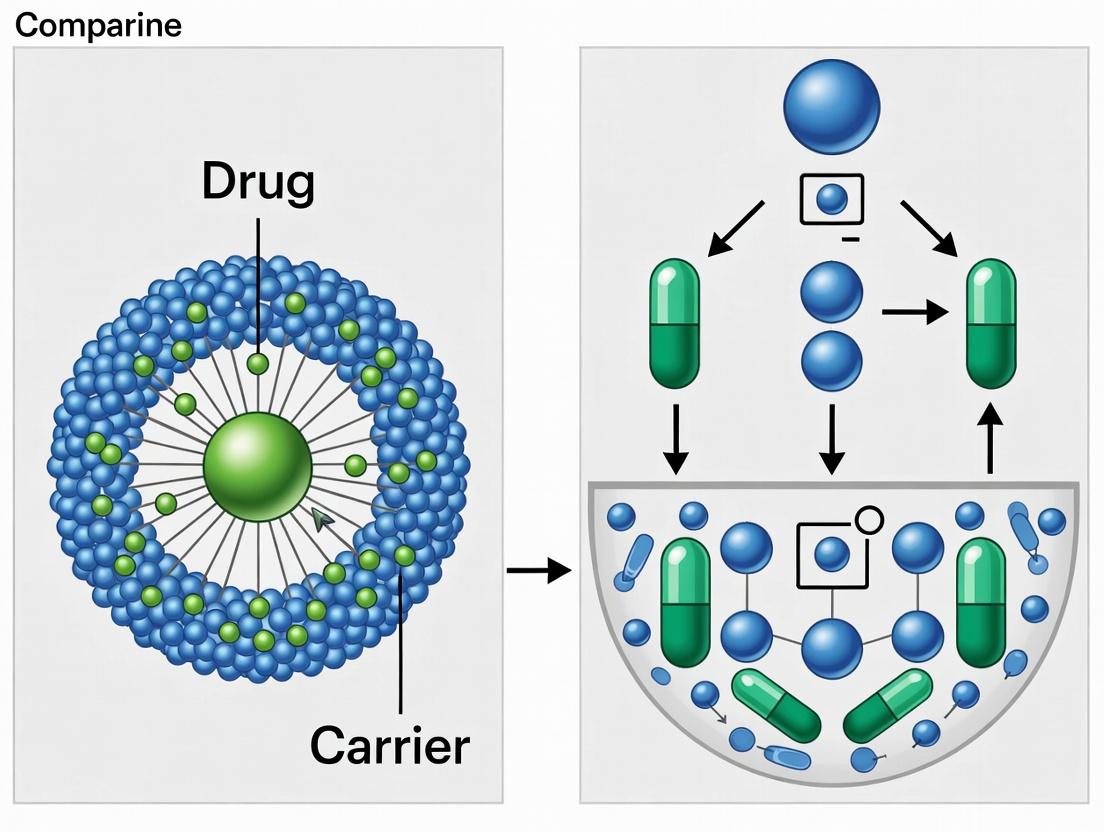
This article provides a comprehensive framework for designing, executing, and interpreting head-to-head comparison studies in advanced drug delivery systems research.
Head-to-Head Comparison in Drug Delivery Research: A Comprehensive Guide to Experimental Design, Methods, and Interpretation for Scientists
Abstract
This article provides a comprehensive framework for designing, executing, and interpreting head-to-head comparison studies in advanced drug delivery systems research. Aimed at researchers and development professionals, it covers the fundamental rationale for comparative studies, detailed methodologies from in-vitro characterization to in-vivo pharmacokinetics and efficacy models, troubleshooting for common experimental pitfalls, and robust data validation strategies. The guide synthesizes current best practices to enable rigorous, reproducible, and clinically-translatable evaluation of novel formulations against benchmarks and competitors.
Why Head-to-Head? The Foundational Rationale for Comparative Drug Delivery Studies
Defining Head-to-Head Comparisons vs. Standard Characterization
Within the broader thesis on What is a head-to-head comparison in drug delivery research, this document provides a precise technical delineation. Head-to-head comparisons are direct, controlled, and simultaneous experimental evaluations of two or more distinct drug delivery systems (DDS) against a defined, shared endpoint. In contrast, standard characterization involves the independent, often sequential, profiling of a single DDS's intrinsic physicochemical and biological properties. The former is inherently relational and competitive, while the latter is foundational and descriptive.
Conceptual Frameworks & Methodological Distinctions
Head-to-Head Comparison: A hypothesis-driven experimental design where multiple candidate DDS are tested in parallel under identical conditions (e.g., same cell line, animal model, analytical instrument, time points) to rank their performance for a specific therapeutic goal (e.g., tumor accumulation, gene transfection efficiency, pharmacokinetic profile). The outcome is a relative assessment.
Standard Characterization: A suite of established analytical and biological assays applied to a single DDS to define its absolute properties. This forms the prerequisite data for selecting candidates for head-to-head study. The outcome is an absolute assessment.
The logical relationship between these approaches is defined below.
Diagram Title: Workflow: Characterization to Head-to-Head Study
The table below summarizes data from recent studies exemplifying both approaches.
Table 1: Data from Standard Characterization vs. Head-to-Head Studies
| Study Type | Delivery Systems Compared/Characterized | Key Measured Endpoint(s) | Outcome (Quantitative Summary) |
|---|---|---|---|
| Standard Characterization | Single PEGylated liposomal doxorubicin | Particle Size, Polydispersity Index (PDI), Zeta Potential, Drug Loading | Size: 85.3 ± 2.1 nm; PDI: 0.08 ± 0.02; Zeta: -3.1 ± 0.5 mV; Loading: 9.2% w/w |
| Head-to-Head Comparison (In Vitro) | Lipid Nanoparticle (LNP) A vs. Polymer Nanoparticle B | Cellular Uptake in HeLa cells (Flow Cytometry) | LNP A Fluorescence: 15,200 ± 1,100 MFI; Polymer B: 5,800 ± 700 MFI (p<0.001) |
| Head-to-Head Comparison (In Vivo) | Targeted Nanobody-Dendrimer vs. Non-targeted Dendrimer | Tumor Accumulation (% Injected Dose/g) at 24h | Targeted: 8.7 ± 1.2 %ID/g; Non-targeted: 2.1 ± 0.4 %ID/g (p<0.01) |
| Standard Characterization | Poly(lactic-co-glycolic acid) (PLGA) microparticles | In Vitro Release Profile (Cumulative % over 30 days) | Day 1: 18±3%; Day 7: 45±5%; Day 30: 89±4% (in PBS, 37°C) |
Experimental Protocols
Protocol 4.1: Standard Characterization – Dynamic Light Scattering (DLS)
Objective: Determine hydrodynamic particle size (Z-average) and polydispersity index (PDI) of a nanocarrier suspension. Materials: Nanocarrier suspension, phosphate-buffered saline (PBS) or suitable diluent, DLS instrument. Procedure:
- Dilute the nanocarrier sample in filtered (0.2 µm) PBS to achieve an optimal scattering intensity.
- Equilibrate the sample in the instrument's cuvette holder at 25°C for 180 seconds.
- Perform measurement with backscatter detection (173°). Run a minimum of 12 sub-runs.
- Analyze data using cumulants fit to obtain Z-average and PDI. Report mean ± SD from triplicate samples.
Protocol 4.2: Head-to-Head Comparison – In Vivo Biodistribution
Objective: Compare the organ/tumor accumulation of two fluorescently labeled nanoformulations. Materials: Two test nanoformulations (labeled with distinct fluorophores, e.g., DiR and Cy5.5), tumor-bearing mice (n=5 per group), IVIS or similar imaging system. Procedure:
- Randomize mice into groups. Administer formulations via tail vein at equal dose and volume.
- At predetermined time points (e.g., 4, 24, 48h), anesthetize mice and acquire whole-body fluorescence images using appropriate excitation/emission filter sets for each fluorophore.
- Euthanize mice, harvest major organs and tumors, and perform ex vivo imaging.
- Quantify fluorescence signal in each organ using image analysis software. Normalize signal to background. Perform statistical comparison (e.g., two-way ANOVA) of tumor-to-liver or tumor-to-muscle ratios between groups at each time point.
Signaling Pathway in Receptor-Targeted Delivery
A critical element in head-to-head studies of active targeting systems is the receptor-mediated pathway.
Diagram Title: Targeted Nanoparticle Internalization Pathway
The Scientist's Toolkit: Research Reagent Solutions
Table 2: Essential Materials for DDS Head-to-Head Comparisons
| Item | Function & Relevance |
|---|---|
| Fluorescent Lipophilic Dyes (e.g., DiD, DiR) | Stable incorporation into lipid-based carriers enables in vivo tracking and direct signal comparison between formulations. |
| Cyanine NHS Esters (Cy5, Cy7) | Chemically conjugate to polymer/peptide carriers for distinct optical labeling in multiplexed head-to-head studies. |
| PEG-Lipids (DSPE-PEG2000) | Common component to confer stealth properties; varying PEG length/density is a key variable in formulation comparisons. |
| Endocytosis Inhibitors (Chlorpromazine, Dynasore) | Used in mechanistic head-to-head studies to determine if performance differences are due to distinct cellular uptake pathways. |
| Synthesized Targeting Ligands (cRGD, Folic Acid, Nanobodies) | Enable functionalization of carriers for direct comparison of targeted vs. non-targeted or different targeting motifs. |
| Standardized In Vitro BBB or Tumor Models | Provide a consistent biological barrier for comparative evaluation of DDS penetration capabilities. |
| LC-MS/MS for Bioanalysis | Gold standard for quantifying multiple drug payloads from different formulations in biological matrices without signal crosstalk. |
Within the broader thesis on "What is a head-to-head comparison in drug delivery research," this guide details the core objectives that such comparative studies are designed to achieve. A head-to-head comparison is a direct experimental evaluation of two or more drug delivery systems (DDS) under identical conditions. The primary aims are to conclusively determine if one system is superior to another on key metrics, to demonstrate equivalence (often for generic or biosimilar development), and to uncover the underlying mechanistic insights that explain the observed performance differences. These objectives are fundamental to advancing the field from empirical observation to rational design.
Core Objectives: Definitions and Experimental Frameworks
Establishing Superiority
The goal is to demonstrate that a novel DDS (Test, T) provides a statistically significant and clinically relevant advantage over an existing standard (Reference, R).
- Key Metrics: Increased bioavailability, enhanced target tissue accumulation, reduced off-target exposure, improved therapeutic index, superior release kinetics.
- Statistical Framework: Requires a pre-specified margin (Δ) and hypothesis testing (e.g., H₀: T ≤ R; H₁: T > R).
Demonstrating Equivalence
The goal is to prove that the performance of a new DDS (e.g., a generic nanocarrier) is not materially different from the reference product within a defined equivalence margin (Θ).
- Context: Critical for abbreviated regulatory pathways (e.g., ANDA, 505(b)(2)).
- Statistical Framework: Two one-sided tests (TOST) to confirm that the difference between T and R lies within the interval [-Θ, +Θ].
Gaining Mechanistic Insight
The goal is to move beyond descriptive in vivo outcomes and elucidate the biological, chemical, and physical mechanisms responsible for observed differences.
- Focus: Understanding cellular uptake pathways, intracellular trafficking, drug release triggers, carrier degradation, and immune system interactions.
Quantitative Data from Recent Head-to-Head Studies
Table 1: Head-to-Head Comparison of Lipid Nanoparticle (LNP) Formulations for siRNA Delivery to Hepatocytes
| Metric | Novel Ionizable Lipid LNP (Test) | MC3-based LNP (Reference) | Study Design & Result Summary |
|---|---|---|---|
| siRNA Delivery Efficiency (in vivo) | 95% ± 3% gene silencing | 85% ± 5% gene silencing | Single IV dose, 1 mg/kg siRNA in murine model (n=8). Test showed superior silencing (p < 0.01). |
| PK: AUC(0-24h) (ng·h/mL) | 1250 ± 210 | 980 ± 185 | Test showed 28% greater systemic exposure (p < 0.05). |
| Biodistribution: Liver %ID/g | 65.2 ± 8.1 | 52.7 ± 7.3 | Quantitative SPECT/CT imaging at 6h post-injection. Test showed significantly higher hepatic accumulation (p < 0.01). |
| Immunogenicity (IL-6 pg/mL) | 15 ± 5 | 45 ± 12 | Plasma cytokine measured 6h post-dose. Test demonstrated reduced reactogenicity (p < 0.001). |
Table 2: Equivalence Study of Two PEGylated Liposomal Doxorubicin Formulations
| Parameter | Proposed Generic (Test) | Innovator Product (Reference) | Equivalence Margin (Θ) & Outcome |
|---|---|---|---|
| Cmax (μg/mL) | 18.5 ± 2.1 | 19.1 ± 2.3 | Θ = 25%. 90% CI for ratio (T/R): 92-105%. Within 80-125% bounds. Equivalence demonstrated. |
| AUC0-∞ (μg·h/mL) | 590 ± 75 | 605 ± 80 | Θ = 20%. 90% CI for ratio (T/R): 94-102%. Within 80-125% bounds. Equivalence demonstrated. |
| Liposome Size (nm) | 88.2 ± 3.5 | 86.5 ± 4.1 | Θ = 10 nm. Difference (T-R) = 1.7 nm, 95% CI: -0.5 to 3.9 nm. Within margin. Critical quality attribute matched. |
| Drug Release (48h in vitro) | 12.3% ± 1.5% | 11.8% ± 1.8% | Θ = 5%. Difference = 0.5%, 95% CI: -0.8% to 1.8%. Release kinetics equivalent. |
Detailed Experimental Protocols
Protocol 1: In Vivo Biodistribution and Pharmacokinetics (PK) Study for Superiority/Equivalence
- Formulation & Dosing: Prepare test and reference formulations in sterile PBS. Administer via standardized IV route (e.g., tail vein) at identical drug dose (mg/kg) to age/weight-matched animal cohorts (n ≥ 5).
- Sample Collection: Collect blood samples at pre-determined time points (e.g., 5 min, 1h, 4h, 12h, 24h). At terminal time points, perfuse animals and harvest key organs (liver, spleen, kidney, heart, tumor).
- Bioanalysis: Homogenize tissues. Quantify drug and/or carrier component using validated methods (HPLC-MS/MS, fluorescence for labeled carriers). Calculate PK parameters (AUC, Cmax, t1/2) using non-compartmental analysis.
- Statistical Comparison: For superiority, use unpaired t-test or ANOVA with post-hoc test. For equivalence, apply TOST procedure with pre-defined margins based on clinical relevance.
Protocol 2: Cellular Uptake Pathway Analysis for Mechanistic Insight
- Cell Culture & Inhibitor Pre-treatment: Seed relevant cell line (e.g., HeLa, HepG2). Pre-treat cells for 1h with specific endocytic inhibitors: Chlorpromazine (10 µg/mL) for clathrin-mediated endocytosis, Genistein (100 µM) for caveolae-mediated, Amiloride (1 mM) for macropinocytosis, or Cytochalasin D (2 µM) for actin polymerization.
- Dosing & Incubation: Add fluorescently labeled test and reference nanoparticles at equal particle number/cell density. Incubate at 37°C for a defined period (e.g., 2h).
- Quantification: Wash cells thoroughly, trypsinize, and analyze mean cellular fluorescence via flow cytometry. Include 4°C incubation control to confirm energy-dependent uptake.
- Data Analysis: Express uptake as % of control (no inhibitor). Compare inhibition profiles to identify dominant entry pathways for each formulation.
Visualization of Key Concepts and Pathways
Diagram 1: Head-to-Head Study Objectives and Outcomes Logic Flow (100 chars)
Diagram 2: Cellular Uptake and Intracellular Trafficking Pathways (99 chars)
The Scientist's Toolkit: Key Research Reagent Solutions
Table 3: Essential Materials for Head-to-Head Drug Delivery Studies
| Reagent / Material | Function in Research | Example Use-Case |
|---|---|---|
| Fluorescent Lipophilic Dyes (DiD, DiR) | Labels lipid-based carriers (liposomes, LNPs) for tracking. | In vivo imaging (IVIS, FMT) to compare biodistribution of test vs. reference formulations over time. |
| Endocytic Pathway Inhibitors | Pharmacologically blocks specific cellular uptake mechanisms. | Mechanistic studies to determine if superiority in cellular uptake is due to a favored pathway (e.g., caveolae-mediated). |
| PEGylated Lipids (DSPE-PEG2000) | Provides steric stabilization, reduces opsonization, extends circulation half-life. | Formulating control/reference nanoparticles or creating stealth versions for equivalence testing. |
| Ionizable Cationic Lipids (e.g., DLin-MC3-DMA) | Critical component of LNPs for nucleic acid encapsulation and endosomal escape. | The benchmark reference material for head-to-head comparisons against novel ionizable lipids. |
| Size Exclusion Chromatography (SEC) Columns | Purifies nanoparticles from unencapsulated drug/free nucleic acids. | Critical quality step to ensure identical drug loading and purity before a head-to-head PK study. |
| Differential Scanning Calorimetry (DSC) | Analyzes phase transition temperature (Tm) of lipid bilayers. | Comparing physical stability and membrane rigidity of test vs. reference liposomal formulations. |
| Polycarbonate Membrane Extruders | Produces nanoparticles with a defined, narrow size distribution. | Standardizing particle size (a critical quality attribute) for both test and reference before comparison. |
| In Vivo Imaging Systems (IVIS, SPECT/CT) | Non-invasive, longitudinal quantification of biodistribution. | Provides spatial and temporal data to visually and quantitatively demonstrate superiority in targeting. |
A head-to-head comparison in drug delivery research is a direct, controlled experimental or clinical evaluation of two or more therapeutic interventions, designed to determine relative efficacy, safety, or mechanism of action. This guide details the critical selection of benchmarks—Gold Standards, Clinical Competitors, and Placebos—which form the essential comparators in such studies. Proper selection ensures that the observed effects of a novel drug delivery system (DDS) can be attributed to its design rather than confounding factors, providing meaningful data for advancing the field.
Defining the Benchmark Classes
Gold Standard
The Gold Standard is the currently accepted best available therapy or diagnostic reference for a given condition. In drug delivery, it often refers to the most effective marketed formulation of the active pharmaceutical ingredient (API).
- Primary Function: To establish whether a novel DDS meets or exceeds the current optimal therapeutic outcome.
- Selection Criteria: Proven efficacy, established safety profile, regulatory approval, and widespread clinical adoption.
Clinical Competitor
A Clinical Competitor is a therapy (approved or in development) that targets the same disease indication or patient population but may operate via a different mechanism or delivery route.
- Primary Function: To contextualize the novel DDS within the competitive landscape and differentiate its value proposition (e.g., improved bioavailability, reduced side effects).
- Selection Criteria: Market relevance, similar therapeutic goal, distinct mechanism or delivery technology.
Placebo
In drug delivery research, a Placebo is a formulation identical to the novel DDS but lacking the therapeutic agent (API) or its critical functional component (e.g., targeting ligand, release trigger).
- Primary Function: To control for the physiological and psychological effects of the delivery system itself, isolating the specific contribution of the API or the active targeting/release mechanism.
- Selection Criteria: Identical physicochemical properties (size, charge, surface morphology, excipients) to the test article, absent only the specific active component.
Quantitative Comparison of Benchmark Characteristics
Table 1: Key Characteristics and Selection Rationale for Benchmark Types
| Characteristic | Gold Standard | Clinical Competitor | Placebo (DDS-specific) |
|---|---|---|---|
| Primary Role | Efficacy & Safety Benchmark | Competitive Positioning | System & Procedure Control |
| Typical Form | Marketed drug formulation | Marketed or late-stage pipeline drug | Blank formulation (no API/active moiety) |
| Critical Attribute | Optimal clinical outcome | Market share & differentiation | Physicochemical identity to test article |
| Key Data Generated | Non-inferiority / superiority margin | Comparative value (e.g., dosing frequency, side effects) | Background noise, system-induced effects |
| Regulatory Necessity | Often required for approval trials | Valuable for value claims | Essential for causal inference |
| Selection Source | Clinical treatment guidelines | Competitive intelligence & pipeline analysis | Formulation lab (synthesized in-house) |
Table 2: Example in Oncology: Benchmarking a Novel mAb-Loaded Nanoparticle
| Benchmark Type | Specific Example | API / Active Component | Key Comparative Endpoint |
|---|---|---|---|
| Novel DDS (Test Article) | PEG-PLGA Nanoparticle with surface-conjugated mAb | Anti-PD-1 mAb & Chemotherapeutic | Tumor accumulation (%), Overall Survival |
| Gold Standard | IV Infusion of Anti-PD-1 mAb (e.g., Nivolumab) | Anti-PD-1 mAb | Objective Response Rate (ORR) |
| Clinical Competitor | Approved ADC for same cancer | Different payload & target | Progression-Free Survival (PFS) |
| Placebo | PEG-PLGA Nanoparticle (same size, charge, mAb) | None | Immunogenic response, Off-target toxicity |
Experimental Protocols for Benchmark-Inclusive Studies
Protocol 1:In VivoBiodistribution & Efficacy Study
Objective: Compare tumor targeting and growth inhibition of a novel targeted nanoparticle against benchmarks.
- Animal Model: Establish subcutaneous xenograft mouse model (e.g., HT-29 colon carcinoma in BALB/c nude mice, n=8 per group).
- Group Allocation:
- Group 1: Novel Targeted DDS (e.g., ligand-coated nanoparticle with drug).
- Group 2: Gold Standard (IV bolus of free drug at MTD).
- Group 3: Clinical Competitor (relevant alternative formulation).
- Group 4: Placebo (blank nanoparticle, identical to Group 1 but without drug).
- Group 5: Vehicle Control (PBS).
- Dosing: Administer equimolar drug dose via tail vein at tumor volume ~100 mm³. Repeat per regimen (e.g., q3dx4).
- Data Collection:
- Tumor Volume: Caliper measurements 3x/week.
- Biodistribution: At 24h post-injection, sacrifice subset. Harvest tumors and major organs. Quantify drug concentration via HPLC-MS.
- Toxicity: Monitor body weight, serology (ALT, Creatinine).
- Analysis: Compare tumor growth curves (ANOVA), drug concentration in tissue (tumor-to-liver ratio), and survival (Kaplan-Meier).
Protocol 2:In VitroCellular Uptake and Specificity
Objective: Demonstrate active targeting of a DDS versus passive accumulation.
- Cell Culture: Maintain target-positive (e.g., HER2+ SK-BR-3) and target-negative (e.g., MCF-7) cell lines.
- Formulation Prep: Label DDS and Placebo with DiD fluorophore. Prepare four test articles:
- A: Targeted DDS (Drug + Ligand).
- B: Non-targeted DDS (Drug, no ligand).
- C: Placebo-Targeted (No drug, Ligand).
- D: Free Ligand (blocking control).
- Blocking Study: Pre-incubate target-positive cells with excess free ligand (10x concentration) for 1h.
- Uptake Assay: Incubate all cell groups with formulations (equivalent particle number) for 2h at 37°C.
- Analysis: Analyze via flow cytometry (mean fluorescence intensity, MFI) and confocal microscopy. Specific uptake = (MFI A - MFI B) / MFI B.
Visualizing Comparative Study Design & Pathways
Title: Head-to-Head Benchmark Study Design Flow
Title: Targeted DDS Uptake and Intracellular Pathway
The Scientist's Toolkit: Key Research Reagent Solutions
Table 3: Essential Materials for Benchmarking Drug Delivery Systems
| Reagent / Material | Function in Benchmark Studies | Example Product / Vendor |
|---|---|---|
| Fluorescent Dyes (Lipophilic/NHS) | Label polymers, lipids, or proteins in DDS & Placebo for tracking biodistribution and cellular uptake. | DiD, DiR (Thermo Fisher); Cy5.5 NHS ester (Lumiprobe) |
| PEGylated Lipids / Polymers | Core materials for constructing stealth nanoparticles; critical for preparing matched Placebos. | DSPE-PEG(2000), PLGA-PEG (Avanti Polar Lipids, Sigma-Aldrich) |
| Recombinant Target Proteins | Validate targeting ligand affinity via SPR or ELISA; used in blocking studies. | Human HER2/ErbB2 Fc Chimera (R&D Systems) |
| Cell Lines (Isogenic pairs) | Compare uptake in target-positive vs. negative cells to prove specificity. | SK-BR-3 (HER2+) & MCF-7 (HER2-) (ATCC) |
| LC-MS/MS Kits | Quantify drug concentration from tissues/plasma for PK and biodistribution comparisons. | Ready-to-use validated kits for specific APIs (SCIEX) |
| In Vivo Imaging System (IVIS) | Non-invasively track fluorescently labeled DDS and benchmark accumulation longitudinally. | IVIS Spectrum (PerkinElmer) |
| PK/PD Modeling Software | Mathematically compare pharmacokinetic profiles of novel DDS vs. benchmarks. | Phoenix WinNonlin (Certara) |
In drug delivery research, a head-to-head comparison is a controlled experimental paradigm designed to directly evaluate two or more delivery systems (e.g., nanoparticles, liposomes, implants) or formulations of the same active pharmaceutical ingredient (API). The objective is to isolate the impact of the delivery technology on critical outcomes under identical conditions. This approach moves beyond benchmarking against a standard (like intravenous injection) to discern nuanced advantages in a competitive landscape. The core of such comparisons rests on a multidimensional analysis of four key parameter pillars: Efficacy, Safety, Pharmacokinetics/Pharmacodynamics (PK/PD), and Physicochemical Properties. This whitepaper serves as a technical guide for designing and interpreting these essential comparisons.
The Four Pillars of Comparison
Physicochemical Properties: The Foundational Characteristics
Physicochemical properties dictate in vitro behavior and initial in vivo performance. Direct comparison here predicts stability, release kinetics, and initial biocompatibility.
Key Parameters & Methodologies:
- Size & Polydispersity Index (PDI): Measured via Dynamic Light Scattering (DLS). PDI <0.2 indicates a monodisperse population critical for reproducible behavior.
- Surface Charge (Zeta Potential): Measured via Laser Doppler Velocimetry. Values >|±30| mV suggest colloidal stability due to electrostatic repulsion.
- Drug Loading & Encapsulation Efficiency: %Drug Loading = (Mass of drug in nanocarrier / Total mass of nanocarrier) × 100. %Encapsulation Efficiency = (Actual drug loaded / Theoretical drug load) × 100. Determined by HPLC-UV after separation (e.g., ultracentrifugation, dialysis).
- In Vitro Drug Release: Using dialysis bags or side-by-side cells in a sink condition (USP apparatus). Samples are analyzed over time via HPLC to generate a release profile (e.g., % released vs. time).
Table 1: Example Head-to-Head Physicochemical Data for Two Liposomal Formulations
| Parameter | Method | Formulation A (PEGylated) | Formulation B (Cationic) | Implication for Comparison |
|---|---|---|---|---|
| Hydrodynamic Diameter (nm) | DLS | 98.5 ± 3.2 | 115.7 ± 8.5 | A has more uniform size, potentially better circulation. |
| PDI | DLS | 0.08 ± 0.02 | 0.21 ± 0.05 | A is monodisperse; B is moderately polydisperse. |
| Zeta Potential (mV) | LDV | -2.1 ± 0.5 | +42.5 ± 1.8 | A is neutral; B is positively charged for cellular uptake. |
| Drug Loading (%) | HPLC | 8.5 ± 0.3 | 6.2 ± 0.7 | A has higher payload capacity. |
| Encapsulation Efficiency (%) | HPLC | 95.2 ± 1.1 | 78.6 ± 3.4 | A has superior preparation efficiency. |
| % Release at 24h (PBS, pH 7.4) | Dialysis-HPLC | 22 ± 4 | 65 ± 7 | A is more stable; B shows burst release. |
Experimental Protocol: Determination of Encapsulation Efficiency & Drug Loading
- Preparation: Prepare three replicates of each formulation.
- Separation: Ultracentrifuge samples at 100,000 × g for 60 min at 4°C to separate free drug from encapsulated drug.
- Quantification:
- Pellet (Encapsulated Drug): Lyse the pellet with 1% Triton X-100 in methanol. Dilute appropriately.
- Supernatant (Free Drug): Dilute supernatant directly.
- Total Drug (Reference): Dilute an unseparated aliquot of the formulation.
- Analysis: Inject all samples into a validated HPLC-UV system. Use a standard curve of pure API for quantification.
- Calculation: Apply the formulas above.
Pharmacokinetics & Pharmacodynamics (PK/PD): The Body's Interaction with the Drug
PK/PD studies quantify the time course of drug exposure (PK) and its corresponding pharmacological effect (PD). A head-to-head PK/PD comparison reveals how delivery systems modulate biodistribution, targeting, and effect duration.
Key PK Parameters: Area Under the Curve (AUC), Maximum Concentration (C~max~), Time to C~max~ (T~max~), Half-life (t~1/2~), Clearance (CL), Volume of Distribution (V~d~). Key PD Parameters: Biomarker response (e.g., cytokine level, tumor volume), EC~50~ (potency), E~max~ (maximal effect).
Table 2: Example Head-to-Head PK Parameters for a Sustained-Release vs. Immediate-Release Formulation
| PK Parameter | Unit | Immediate-Release (IR) Formulation | Sustained-Release (SR) Formulation | Comparative Interpretation |
|---|---|---|---|---|
| AUC~0-∞~ | ng·h/mL | 450 ± 50 | 440 ± 40 | Equivalent total exposure. |
| C~max~ | ng/mL | 180 ± 20 | 85 ± 10 | SR reduces peak concentration by ~53%, lowering toxicity risk. |
| T~max~ | h | 1.0 ± 0.3 | 6.5 ± 1.5 | SR significantly delays time to peak concentration. |
| t~1/2~ | h | 2.5 ± 0.4 | 12.8 ± 2.1 | SR extends circulation half-life >5-fold. |
| Clearance (CL) | L/h/kg | 0.22 ± 0.02 | 0.23 ± 0.03 | Systemic clearance is similar. |
Experimental Protocol: A Typical Rodent PK Study
- Animal Dosing: Administer a single, equimolar dose (e.g., 5 mg API/kg) of each formulation intravenously to groups of rats (n=6-8). Maintain identical housing and fasting conditions.
- Serial Blood Sampling: Collect blood (e.g., 50 µL) from the tail vein or cannula at pre-dose, 5, 15, 30 min, 1, 2, 4, 8, 12, 24, and 48 hours post-dose.
- Bioanalysis: Process plasma via protein precipitation. Analyze drug concentration using LC-MS/MS.
- Non-Compartmental Analysis (NCA): Use software (e.g., Phoenix WinNonlin) to calculate PK parameters from mean concentration-time profiles.
Diagram: PK/PD Relationship for Different Delivery Systems
Efficacy: The Therapeutic Outcome
Efficacy comparisons measure the biological or clinical effect directly. In preclinical research, this often involves disease models.
Key Models & Endpoints:
- Oncology: Xenograft tumor volume, survival time, bioluminescence imaging.
- Infectious Disease: Bacterial/viral load, survival rate.
- Chronic Disease: Biomarker levels (e.g., glucose, cytokines), functional scores.
Experimental Protocol: Efficacy Study in a Subcutaneous Xenograft Model
- Tumor Implantation: Inoculate immunodeficient mice with human cancer cells subcutaneously.
- Randomization & Dosing: When tumors reach ~100 mm³, randomize mice into groups (Control, Formulation A, Formulation B). Administer equimolar doses intravenously via tail vein on a defined schedule (e.g., q3dx4).
- Monitoring: Measure tumor dimensions with calipers 2-3 times weekly. Calculate volume: V = (Length × Width²) / 2. Monitor body weight for toxicity.
- Endpoint Analysis: At study end, sacrifice animals, excise and weigh tumors. Perform immunohistochemistry (IHC) for efficacy biomarkers (e.g., Ki-67 for proliferation, TUNEL for apoptosis).
Safety: The Toxicological Profile
Safety is evaluated by assessing on-target and off-target adverse effects. Head-to-head comparisons identify which system offers a wider therapeutic window (ratio of efficacious dose to toxic dose).
Key Assessments:
- Clinical Observations: Body weight loss, behavioral changes.
- Hematology & Clinical Chemistry: Complete blood count (CBC), liver enzymes (ALT, AST), kidney markers (BUN, Creatinine).
- Histopathology: H&E staining of major organs (liver, spleen, kidneys, heart, lungs).
Table 3: Example Safety/Toxicity Endpoints Comparison
| Safety Parameter | Method | Formulation A (Targeted) | Formulation B (Non-Targeted) | Implication |
|---|---|---|---|---|
| Maximum Tolerated Dose (MTD) | Dose Escalation | 50 mg/kg | 25 mg/kg | A has a 2-fold higher MTD. |
| Body Weight Change (%) | Weighing | +3.5 ± 2.1 | -8.2 ± 3.4 | A shows no systemic toxicity; B causes weight loss. |
| Plasma ALT (U/L) | Clinical Chemistry | 35 ± 5 | 120 ± 25 | B induces hepatotoxicity; A does not. |
| Histopathology (Liver) | H&E Staining | Normal architecture | Vacuolization & Necrosis | Confirms chemistry findings. |
The Scientist's Toolkit: Key Research Reagent Solutions
Table 4: Essential Materials for Head-to-Head Drug Delivery Studies
| Item | Function & Rationale |
|---|---|
| Critical Micelle Concentration (CMC) Kits | Determine the stability threshold of polymeric or surfactant-based carriers. Essential for predicting in vivo dilution stability. |
| Dialysis Membranes (MWCO specified) | Standardize in vitro release studies by controlling diffusion of free API, enabling comparative release kinetics. |
| LC-MS/MS Grade Solvents & Columns | Ensure accurate, sensitive, and reproducible bioanalysis for PK studies, allowing precise comparison of concentration-time profiles. |
| Pre-validated Cell-Based Assay Kits (e.g., MTT, LDH, Caspase-3) | Provide standardized, reliable methods for comparing in vitro cytotoxicity and efficacy mechanisms across formulations. |
| Near-Infrared (NIR) Fluorescent Dyes (e.g., DiR, Cy7.5) | Allow direct, non-invasive comparison of biodistribution and tumor accumulation using identical imaging protocols. |
| Animal Models with Disease Biomarkers | Genetically engineered or induced models with quantifiable endpoints (e.g., tumor volume, serum cytokine) enable robust efficacy comparison. |
| ELISA Kits for Key Cytokines (e.g., TNF-α, IL-6) | Quantify immunotoxic or immunomodulatory responses, a critical component of comparative safety profiling. |
Integrating the Data: A Holistic Comparison Workflow
Diagram: Head-to-Head Comparison Experimental & Analysis Workflow
A rigorous head-to-head comparison in drug delivery research is not a single experiment but an integrated campaign built on the four pillars outlined. By employing standardized protocols to generate quantitative data on efficacy, safety, PK/PD, and physicochemical properties—and by visualizing the relationships between them—researchers can make definitive, data-driven selections between candidate delivery systems. This systematic approach de-risks development and highlights the formulation that truly offers a superior therapeutic profile.
Designing the Experiment: Methodologies for Robust Head-to-Head Testing Across Scales
Within the context of a broader thesis on head-to-head comparison in drug delivery research, this whitepaper elucidates the critical in-vitro assays required for a rigorous, parallel evaluation of novel nanoformulations. Head-to-head comparison is the systematic, side-by-side analysis of two or more drug delivery systems under identical experimental conditions to objectively rank their performance, elucidate structure-function relationships, and de-risk downstream development. This guide details the core characterization pillars: size, zeta potential, drug release, and stability, providing the experimental framework for a decisive in-vitro battle.
Particle Size & Size Distribution (Dynamic Light Scattering)
Protocol:
- Sample Preparation: Dilute the nanoparticle suspension (e.g., liposomes, polymeric NPs, SLNs) in a suitable, filtered (0.1 µm) buffer (e.g., 1 mM KCl or PBS) to achieve an optimal scattering intensity. Conduct dilution in triplicate.
- Instrument Calibration: Use a latex standard of known size (e.g., 100 nm) to validate the DLS instrument.
- Measurement: Equilibrate samples at 25°C for 300 s. Perform measurements at a backscatter angle (e.g., 173°). Set run count to 10-15 per sample.
- Data Analysis: Report the Z-average (hydrodynamic diameter, d.nm) and the Polydispersity Index (PDI). The intensity-weighted distribution is primary; number-weighted distributions can be included for reference.
Table 1: Comparative Size & PDI Data for Model Formulations
| Formulation Type | Z-Average Diameter (d.nm) | Polydispersity Index (PDI) | Key Implication |
|---|---|---|---|
| Liposome (PEGylated) | 112.4 ± 3.2 | 0.08 ± 0.02 | Narrow distribution, suitable for IV injection. |
| Polymeric NP (PLGA) | 168.7 ± 8.5 | 0.15 ± 0.03 | Moderate polydispersity; may require further optimization. |
| Solid Lipid Nanoparticle (SLN) | 85.2 ± 2.1 | 0.11 ± 0.01 | Small, uniform size favorable for tissue penetration. |
Zeta Potential (Electrophoretic Light Scattering)
Protocol:
- Sample Preparation: Dilute nanoparticles in 1 mM KCl or 10 mM NaCl (low conductivity) to ensure adequate field strength. Use the same dilution buffer for all comparators.
- Cell Loading: Rinse and load the folded capillary zeta cell carefully to avoid air bubbles.
- Measurement Settings: Set temperature to 25°C. Use the Smoluchowski model for aqueous, moderate ionic strength dispersions. Perform a minimum of 30 runs per measurement, with 3-5 measurements per sample.
- Data Analysis: Report the mean zeta potential (mV) and electrophoretic mobility. High magnitude (>|±30| mV) typically indicates good electrostatic stability.
Table 2: Comparative Zeta Potential Data
| Formulation Type | Mean Zeta Potential (mV) | Standard Deviation | Colloidal Stability Prediction |
|---|---|---|---|
| Cationic Liposome | +41.5 ± 2.3 | Low | High electrostatic repulsion; may interact with negatively charged cell membranes. |
| Anionic PLGA NP | -28.7 ± 1.8 | Low | Moderate repulsion; stability is buffer-dependent. |
| PEGylated NP | -5.2 ± 0.9 | Very Low | Near-neutral charge; steric stabilization dominates, reduces opsonization. |
In-Vitro Drug Release Study
Protocol (Dialysis Method):
- Setup: Place a measured volume of drug-loaded nanoparticle suspension (e.g., equivalent to 1 mg drug) into a dialysis membrane tubing (MWCO 12-14 kDa). Seal the ends.
- Release Medium: Immerse the bag in a large volume of sink-appropriate release medium (e.g., PBS pH 7.4, with 0.5% w/v Tween 80 for poorly soluble drugs). Maintain at 37°C under gentle agitation (50 rpm).
- Sampling: At predetermined time points (e.g., 0.5, 1, 2, 4, 8, 12, 24, 48, 72 h), withdraw a known volume of external medium and replace with fresh pre-warmed medium.
- Analysis: Quantify drug concentration in samples via HPLC or UV-Vis spectroscopy. Calculate cumulative drug release (%) vs. time.
Table 3: Comparative Drug Release Kinetics (Cumulative % at 24h)
| Formulation Type | % Release at 24h (PBS, 37°C) | Release Profile | Likely Mechanism |
|---|---|---|---|
| PLGA NP (Fast) | 85.2 ± 4.1 | Biphasic: Burst then sustained. | Diffusion + polymer erosion. |
| Liposome (Sustained) | 45.3 ± 3.8 | Slow, sustained release. | Diffusion through lipid bilayer. |
| Dendrimer | 92.8 ± 2.5 | Rapid, complete release. | Surface-associated drug release. |
Stability Assessment
Protocol (Short-Term Kinetic Stability):
- Storage Conditions: Aliquot nanoparticle samples. Store under:
- Accelerated Conditions: 4°C, 25°C, and 37°C.
- Medium: Relevant buffers (PBS, HEPES) or simulated biological fluids (e.g., plasma).
- Monitoring: At time points (0, 1, 3, 7, 14, 28 days), analyze aliquots for:
- Particle Size & PDI (DLS)
- Zeta Potential (ELS)
- Visual inspection (aggregation, precipitation)
- Data Presentation: Plot size and PDI over time. A significant change (e.g., >10% increase in size, PDI >0.3) indicates instability.
Workflow for Comparative In-Vitro Characterization
The Scientist's Toolkit: Key Research Reagent Solutions
| Item | Function & Rationale |
|---|---|
| Phosphate Buffered Saline (PBS), 10X | Standard physiological buffer for dilution, release studies, and as a storage medium. Provides ionic strength and pH control (7.4). |
| Dialysis Tubing (MWCO 12-14 kDa) | Permeable membrane to separate nanoparticles from released drug for in-vitro release kinetics studies. MWCO must retain NPs while allowing free drug diffusion. |
| HPLC-grade Acetonitrile/Methanol | Mobile phase components for analytical HPLC to quantify drug concentration in release samples with high accuracy and sensitivity. |
| Zeta Potential Standard (e.g., -50 mV) | Standard dispersion used to verify the performance and alignment of the electrophoretic light scattering instrument. |
| Latex Size Standard (e.g., 100 nm) | Monodisperse particle standard for validating the accuracy and resolution of the Dynamic Light Scattering instrument. |
| Filter Membranes (0.1 & 0.22 µm) | For sterilizing and clarifying buffers to eliminate dust/particulates that interfere with light scattering measurements. |
| Tween 80 / Polysorbate 80 | Non-ionic surfactant used to create sink conditions in release media for hydrophobic drugs and to prevent nanoparticle aggregation. |
In drug delivery research, a head-to-head comparison is a controlled, systematic experimental framework where two or more distinct delivery systems (e.g., lipid nanoparticles vs. polymeric nanoparticles, or different formulations of the same carrier type) are evaluated in parallel under identical conditions. The core objective is to eliminate confounding variables and directly attribute performance differences—in uptake, cytotoxicity, and functional delivery (e.g., transfection efficiency)—to the intrinsic properties of the systems being tested. This approach is fundamental for rational formulation development, enabling researchers to identify lead candidates, understand structure-activity relationships, and optimize vectors for specific therapeutic applications such as gene therapy, mRNA vaccines, or targeted chemotherapy.
Quantitative Metrics for Side-by-Side Assessment
Table 1: Core Quantitative Metrics for Delivery System Comparison
| Metric | Typical Assay/Technique | Key Output Parameters | Relevance to Drug Delivery |
|---|---|---|---|
| Cellular Uptake | Flow Cytometry (labeled carriers), Confocal Microscopy, ICP-MS (for inorganic) | % Positive Cells, Mean Fluorescence Intensity (MFI), Cellular Associated Quantity (ng/cell) | Determines internalization efficiency and kinetics. |
| Cytotoxicity / Biocompatibility | MTT/XTT/WST-1, LDH Release, Live/Dead Staining, ATP Assay | Cell Viability (%), IC50 (µg/mL), EC50 | Assesses safety profile and therapeutic window. |
| Transfection Efficiency (for nucleic acids) | Reporter Gene Assay (Luciferase, GFP), qPCR for mRNA, ELISA for Protein | RLU/mg protein, % GFP+ Cells, mRNA/protein expression level | Measures functional delivery and potency. |
| Intracellular Trafficking | Confocal Microscopy with Organelle Markers, Colocalization Analysis | Pearson's Correlation Coefficient, Mander's Overlap Coefficient | Elucidates endosomal escape, nuclear entry, etc. |
| Physicochemical Characterization (Pre-requisite) | DLS, NTA, Zeta Potential, TEM/SEM | Size (nm), PDI, Zeta Potential (mV), Morphology | Links material properties to biological performance. |
Table 2: Example Head-to-Head Data: LNP vs. PEI Polyplex for mRNA Delivery (Hypothetical Data from Recent Literature)
| Delivery System | Size (nm) | Zeta (mV) | Uptake (% GFP+ HeLa) at 4h | Viability (%) at 24h | Luciferase Expression (RLU/µg protein) at 24h |
|---|---|---|---|---|---|
| LNP (DLin-MC3-DMA) | 85 ± 5 | -2 ± 1 | 98.5 ± 1.2 | 92 ± 3 | 1.2 x 10^9 ± 2.1 x 10^8 |
| PEI 25kDa Polyplex | 120 ± 15 | +35 ± 5 | 95.0 ± 2.5 | 65 ± 5 | 3.5 x 10^7 ± 5.0 x 10^6 |
| Naked mRNA | N/A | N/A | 5.5 ± 1.5 | 99 ± 1 | 1.0 x 10^3 ± 5.0 x 10^2 |
Detailed Experimental Protocols for Head-to-Head Assessment
Protocol 1: Parallel Assessment of Uptake and Cytotoxicity via Flow Cytometry
Objective: To quantitatively compare cellular association/uptake and concomitant cytotoxicity of two nanoparticle formulations in the same experiment.
- Cell Seeding: Seed HEK-293 or relevant cell line in a 24-well plate at 1x10^5 cells/well. Culture for 24h.
- Dosing: Prepare serial dilutions of each nanoparticle formulation (e.g., LNP-A and LNP-B), loaded with a fluorescent dye (e.g., Cy5). Treat cells in triplicate with equivalent doses (e.g., 10, 50, 100 µg/mL total lipid). Include untreated control for viability baseline.
- Incubation: Incubate for 4h (uptake phase) at 37°C, 5% CO2.
- Viability Staining: Add a viability dye (e.g., propidium iodide or 7-AAD) directly to the medium for 5 min on ice. Alternatively, perform a separate MTT assay post-wash.
- Harvesting & Analysis: Wash cells with PBS, trypsinize, resuspend in flow buffer, and analyze immediately on a flow cytometer.
- Gating Strategy: Gate on single, live cells. Measure the fluorescence intensity in the Cy5 channel for uptake and the viability dye channel for cytotoxicity. Report as Mean Fluorescence Intensity (MFI) and % Viable Cells for each dose and formulation.
Protocol 2: Dual-Luciferase Transfection Efficiency Assay for Direct Comparison
Objective: To directly compare the functional delivery efficiency of two transfection reagents.
- Vector Preparation: Use two different reporter plasmids (e.g., pGL4 Firefly Luciferase for test and pRL Renilla Luciferase for normalization) OR co-deliver a single reporter with a control.
- Complex Formation: Formulate each delivery system (e.g., cationic liposome vs. polymer) with the reporter plasmid(s) at optimal N/P or lipid/DNA ratios in serum-free medium. Incubate 20 min.
- Transfection: Apply complexes to cells (seeded 24h prior) in duplicate or triplicate. Include a commercial positive control (e.g., Lipofectamine 3000) and a negative control (naked DNA).
- Incubation: After 4-6h, replace with complete growth medium. Incubate for total of 24-48h.
- Lysis & Measurement: Lyse cells with Passive Lysis Buffer. Assay lysates using a Dual-Luciferase Reporter Assay System. Measure Firefly and Renilla luciferase activity sequentially in a luminometer.
- Analysis: Normalize Firefly luminescence to Renilla luminescence for each well. Calculate average normalized Relative Light Units (RLU) ± SD for each formulation. Compare statistically.
Visualization of Pathways and Workflows
Title: Head-to-Head In Vitro Assessment Workflow
Title: Intracellular Trafficking Pathways for Non-Viral Vectors
The Scientist's Toolkit: Essential Research Reagent Solutions
Table 3: Key Reagents for Cellular Delivery Studies
| Reagent / Material | Primary Function & Rationale | Example Product / Assay |
|---|---|---|
| Fluorescent Lipids / Dyes | Label nanoparticles to track cellular uptake and intracellular distribution via flow cytometry or microscopy. | DIR, DiD, Cy5-DSPE; CellMask Membranes. |
| AlamarBlue / MTT / WST-1 | Colorimetric or fluorometric cell viability assays to assess cytotoxicity of formulations. | Thermo Fisher AlamarBlue, Sigma MTT. |
| Dual-Luciferase Reporter Assay | Gold-standard for quantifying transfection efficiency; allows normalization to control for cell number and viability. | Promega Dual-Luciferase Reporter. |
| Endo-lysosomal Trackers | Label specific organelles to study intracellular trafficking and endosomal escape efficiency. | LysoTracker dyes, Early Endosome Antigen 1 (EEA1) Antibody. |
| siRNA / mRNA (Reporter) | Functional payloads to measure gene knockdown (siRNA) or protein expression (mRNA). | GFP-targeting siRNA, Firefly Luciferase mRNA. |
| Serum-Free Transfection Media | Optimize complex formation and initial cellular contact by reducing interference from serum proteins. | Opti-MEM Reduced Serum Medium. |
| Protease Inhibitors / Bafilomycin A1 | Tools to probe uptake mechanisms (inhibitors of key pathways like endosomal acidification). | Bafilomycin A1 (V-ATPase inhibitor). |
| Size & Zeta Standards | Calibrate DLS and zeta potential instruments for accurate nanoparticle characterization. | Polystyrene Nanosphere Standards. |
A head-to-head comparison in drug delivery research represents the most definitive experimental paradigm for evaluating the relative performance of two or more candidate formulations, carriers, or drug constructs in vivo. This approach moves beyond single-arm studies by directly contrasting critical pharmacokinetic (PK) and biodistribution (BD) parameters under identical physiological conditions, thereby controlling for inter-subject and inter-experimental variability. The core thesis posits that only through such direct, synchronous comparison can researchers robustly rank candidates, elucidate structure-activity relationships, and identify the optimal system for a given therapeutic goal. This whitepaper provides a technical guide for designing, executing, and interpreting these pivotal studies, focusing on the direct measurement of exposure (AUC, C~max~), targeting (tissue-specific accumulation), and clearance (half-life, clearance routes).
Foundational Concepts: PK/BD Parameters for Direct Comparison
The following parameters must be quantified for each candidate in a head-to-head study.
Table 1: Core Pharmacokinetic Parameters for Comparison
| Parameter | Symbol | Definition | Key Insight Provided |
|---|---|---|---|
| Maximum Plasma Concentration | C~max~ | Peak drug concentration in systemic circulation. | Exposure magnitude & potential acute toxicity risk. |
| Time to C~max~ | T~max~ | Time post-dose to reach C~max~. | Rate of systemic absorption/release. |
| Area Under the Curve | AUC~0-t~, AUC~0-∞~ | Integral of concentration-time curve. | Total systemic exposure (bioavailability). |
| Elimination Half-Life | t~1/2~ | Time for plasma concentration to reduce by 50%. | Duration of exposure & dosing frequency. |
| Clearance | CL | Volume of plasma cleared of drug per unit time. | Efficiency of elimination organs. |
| Volume of Distribution | V~d~ | Apparent volume into which drug disperses. | Extent of tissue distribution. |
Table 2: Core Biodistribution Parameters for Comparison
| Parameter | Measurement | Key Insight Provided |
|---|---|---|
| Tissue Accumulation | % Injected Dose per Gram (%ID/g) | Absolute targeting efficiency to specific organs/tumors. |
| Selectivity Index | Target Tissue %ID/g / Off-Target Tissue %ID/g (e.g., Tumor/Liver) | Specificity of delivery; predicts therapeutic index. |
| Tissue-to-Plasma Ratio | Tissue Concentration / Plasma Concentration at time t | Tendency to leave vasculature and retain in tissue. |
| Clearance Pathways | Cumulative %ID in urine, feces, bile, etc. | Routes of elimination; informs toxicity & DDI potential. |
Experimental Protocols for Head-to-Head Comparison
Synchronous Dosing and Sample Collection
- Objective: To administer all candidate formulations to cohorts within the same experiment for simultaneous data collection.
- Protocol:
- Formulation Preparation: Prepare sterile, endotoxin-free formulations of each candidate (e.g., lipid nanoparticle A, polymer conjugate B, free drug C) at equivalent drug payloads (mg/kg). Include a tracer (e.g., ^3^H, ^14^C, ^125^I, near-infrared dye Cy7) for quantification.
- Animal Cohorts: Randomize healthy or disease-model rodents (n=5-6 per group per time point) into candidate groups and a vehicle control group.
- Administration: Administer all formulations via the intended route (e.g., IV bolus) within a minimal timeframe (<1 hour).
- Serial Sampling: Collect blood samples (e.g., 50 µL via saphenous vein) at predetermined times (e.g., 2 min, 15 min, 1h, 4h, 8h, 24h, 48h, 72h). Process to plasma.
- Terminal Tissue Harvest: Euthanize subsets at key time points (e.g., 1h, 24h, 72h). Perfuse with saline via cardiac puncture to clear blood from vasculature. Excise organs of interest (liver, spleen, kidneys, heart, lungs, target tissue, tumor) and weigh.
Quantitative Bioanalysis
- Objective: To quantify drug or carrier concentration in biological matrices.
- Protocol for Radiolabeled Agents:
- Homogenize weighed tissues in an appropriate buffer.
- Aliquot known volumes of plasma or tissue homogenate into scintillation vials.
- Add scintillation cocktail and measure radioactivity using a Liquid Scintillation Counter (LSC) or gamma counter.
- Convert counts per minute (CPM) to %ID/g using a standard curve from the injected dose.
- Protocol for Fluorescently Labeled Agents (for BD, semi-quantitative):
- Image excised organs ex vivo using a calibrated fluorescence imager.
- Quantify mean fluorescence intensity (MFI) in a region of interest.
- Calculate relative uptake using a standard curve of the fluorophore. Note: Validated HPLC-MS/MS is required for absolute drug quantification, especially for cleavable prodrugs.
Clearance Pathway Elucidation
- Objective: To determine primary routes of elimination.
- Protocol for Biliary Excretion:
- Cannulate the common bile duct under anesthesia prior to dosing.
- Collect bile at timed intervals (0-2h, 2-4h, etc.) post-IV administration.
- Quantify drug/carrier content in bile samples.
- Protocol for Renal & Fecal Excretion:
- House dosed animals in metabolic cages.
- Collect total urine and feces cumulatively over 0-24h, 24-48h, 48-72h periods.
- Homogenize feces and quantify content in both matrices.
Data Analysis and Visualization
Table 3: Example Head-to-Head PK Data Output
| Candidate | C~max~ (µg/mL) | T~max~ (h) | AUC~0-∞~ (µg·h/mL) | t~1/2~ (h) | CL (mL/h/kg) | V~d~ (mL/kg) |
|---|---|---|---|---|---|---|
| Free Drug | 45.2 ± 3.1 | 0.08 | 25.1 ± 2.5 | 1.5 ± 0.3 | 398 ± 35 | 850 ± 95 |
| Nanoformulation A | 38.5 ± 2.8 | 0.08 | 185.7 ± 15.3 | 12.8 ± 1.5 | 54 ± 4.5 | 950 ± 110 |
| Nanoformulation B | 36.8 ± 3.3 | 0.08 | 320.5 ± 28.7 | 28.4 ± 3.2 | 31 ± 2.8 | 1200 ± 135 |
Table 4: Example Head-to-Head Biodistribution Data at 24h Post-IV Dose
| Tissue | Free Drug (%ID/g) | Nanoformulation A (%ID/g) | Nanoformulation B (%ID/g) |
|---|---|---|---|
| Plasma | 0.5 ± 0.1 | 8.2 ± 1.1 | 15.5 ± 2.0 |
| Liver | 8.2 ± 1.5 | 35.4 ± 4.2 | 18.8 ± 2.3 |
| Spleen | 1.1 ± 0.3 | 12.8 ± 1.8 | 5.5 ± 0.9 |
| Kidneys | 15.3 ± 2.2 | 4.5 ± 0.7 | 3.2 ± 0.5 |
| Tumor | 1.8 ± 0.4 | 5.2 ± 0.9 | 12.7 ± 2.1 |
| Tumor/Liver Ratio | 0.22 | 0.15 | 0.68 |
Head-to-Head PK/BD Study Workflow
In Vivo Nanocarrier Fate Pathways
The Scientist's Toolkit: Essential Research Reagents & Materials
Table 5: Key Reagent Solutions for PK/BD Studies
| Item | Function & Description | Example Vendor/Catalog |
|---|---|---|
| Radiolabeled Precursors (^3^H, ^14^C, ^125^I) | Enable quantitative tracking of drug or carrier with high sensitivity, regardless of chemical metabolism. | American Radiolabeled Chemicals, Hartmann Analytic |
| Near-Infrared (NIR) Dyes (Cy7, IRDye 800CW) | Facilitate real-time or terminal fluorescence imaging of biodistribution; semi-quantitative. | Lumiprobe, LI-COR Biosciences |
| HPLC-MS/MS Kit | For validated, absolute quantification of the parent drug molecule in complex biomatrices. | Waters, Agilent, Thermo Fisher |
| Scintillation Cocktails (for ^3^H/^14^C) | Emit light when mixed with radioactive samples, essential for LSC quantification. | PerkinElmer (Ultima Gold), Fisher Scientific |
| Perfusion Buffers (Phosphate-Buffered Saline, Heparinized) | Clear blood from vasculature during tissue harvest to reduce background signal. | Thermo Fisher, Sigma-Aldrich |
| Metabolic Cage Systems | Allow for separate, quantitative collection of urine and feces for excretion studies. | Tecniplast, Becker & Co. |
| Bile Duct Cannulation Kit | Specialized surgical tools for cannulation to study hepatobiliary excretion. | Instech Laboratories, Braintree Scientific |
| Sterile, Endotoxin-Free Vials & Filters | Critical for preparing injectable formulations to avoid confounding immune responses. | Corning, Cytiva |
| PK Modeling Software (Phoenix WinNonlin, PKSolver) | Industry-standard tools for non-compartmental and compartmental PK analysis. | Certara, Microsoft Excel Add-in |
1. Introduction & Context Within Head-to-Head Comparisons
A head-to-head comparison in drug delivery research is a direct experimental or clinical confrontation between two or more therapeutic interventions, typically an innovative formulation versus a standard-of-care or placebo. The core objective is to generate unequivocal evidence of a clinically meaningful advantage, most often in therapeutic efficacy or safety (reduced toxicity). This whitepaper details the design and implementation of preclinical and clinical therapeutic efficacy models to robustly power such comparisons, moving beyond mere bioequivalence to demonstrate clear superiority.
2. Core Quantitative Metrics for Head-to-Head Study Design
Table 1: Key Quantitative Endpoints for Efficacy & Toxicity Comparisons
| Endpoint Category | Specific Metric | Typical Measurement | Interpretation in Head-to-Head Design |
|---|---|---|---|
| Primary Efficacy | Tumor Growth Inhibition (TGI) | % TGI = [1-(ΔT/ΔC)]*100 | Superiority requires statistically greater % TGI for novel delivery. |
| Progression-Free Survival (PFS) | Median PFS, Hazard Ratio (HR) | HR < 1.0 favors the experimental arm; CI must not cross 1.0. | |
| Biomarker Efficacy | Target Engagement (e.g., Receptor Occupancy) | % Occupancy via PET or ELISA | Demonstrates improved delivery to the site of action. |
| Pathologic Response Rate | % of patients with Major Pathologic Response | Direct measure of biological activity in tissue. | |
| Toxicity/Safety | Incidence of Grade ≥3 Adverse Events (AEs) | % of patients | Lower incidence indicates improved therapeutic index. |
| Maximum Tolerated Dose (MTD) | mg/kg (preclinical) or mg/m² (clinical) | Higher MTD suggests reduced toxicity of the new formulation. | |
| Pharmacokinetic/Pharmacodynamic (PK/PD) | Area Under the Curve (AUC) at Target Site | ng·h/mL (e.g., in tumor) | Higher target-site AUC indicates enhanced delivery. |
| Therapeutic Index (TI) | TI = TD50 / ED50 | A larger TI demonstrates a wider safety margin. |
3. Detailed Experimental Protocols
3.1. Preclinical Protocol: Orthotopic Xenograft Model for Targeted Delivery
- Objective: Compare the efficacy and systemic toxicity of a novel nanoparticle-encapsulated chemotherapeutic (NP-Drug) versus free drug (Free-Drug).
- Model Generation: Inject luciferase-tagged human cancer cells into the anatomically correct organ (e.g., pancreas, breast) of immunocompromised mice (n=10-12 per group).
- Randomization & Dosing: Randomize mice into 4 groups upon tumor confirmation via bioluminescence imaging (BLI): (1) Vehicle control, (2) Free-Drug at MTD, (3) NP-Drug at equivalent dose, (4) NP-Drug at higher dose (escalated based on prior toxicity studies). Administer treatments intravenously weekly for 4 weeks.
- Efficacy Monitoring: Perform BLI weekly to quantify tumor burden (photons/sec). Calculate % TGI relative to control at study endpoint.
- Toxicity Monitoring: Record body weight bi-weekly. Collect serum at endpoint for liver (ALT, AST) and kidney (BUN, Creatinine) function markers.
- Terminal Analysis: Harvest tumors, weigh, and process for histology (H&E, TUNEL for apoptosis). Quantify drug concentration in tumors and key healthy organs (e.g., heart, liver) via LC-MS/MS.
3.2. Clinical Protocol: Adaptive Phase II/III Design for Superior Efficacy
- Study Population: Patients with confirmed, measurable disease who have progressed on standard therapy.
- Randomization: 1:1 randomization to experimental drug delivery system (Arm A) or active comparator (Arm B). Stratification by key prognostic factors.
- Primary Endpoint: Progression-Free Survival (PFS).
- Interim Analysis: A pre-planned interim analysis for efficacy and futility is conducted after 50% of PFS events are recorded. An adaptive design may allow re-estimation of sample size or early stopping for overwhelming efficacy (if pre-specified Haybittle-Peto boundary is crossed).
- Key Assessments: Radiographic tumor assessment per RECIST 1.1 criteria every 8 weeks. Continuous monitoring of AEs graded per CTCAE v6.0. Pharmacokinetic sampling in a subset of patients to correlate exposure with outcome.
- Statistical Plan: Power = 90%, 2-sided alpha = 0.05. A Cox proportional hazards model will be used to estimate the Hazard Ratio (HR) with 95% CI. Superiority is claimed if the upper bound of the CI for HR (Arm B vs. A) is <1.0 and p-value < 0.049.
4. Visualizing Experimental Workflows and Mechanisms
Diagram 1: Preclinical workflow and EPR mechanism.
Diagram 2: Clinical head-to-head trial logic.
5. The Scientist's Toolkit: Key Research Reagent Solutions
Table 2: Essential Reagents for Therapeutic Efficacy Models
| Reagent / Material | Function in Head-to-Head Studies | Example Application |
|---|---|---|
| Luciferase-Expressing Cell Lines | Enable non-invasive, longitudinal tracking of tumor burden via bioluminescence imaging (BLI). | Quantifying tumor growth inhibition (%TGI) in orthotopic xenografts. |
| Species-Specific Cytokine ELISA Kits | Quantify immune-related or toxicity-related biomarkers in serum or tissue homogenates. | Measuring IL-6, TNF-α as markers of cytokine release syndrome. |
| Phospho-Specific Antibodies for IHC/IF | Visualize and quantify target engagement and downstream pathway modulation in tissue sections. | Staining for p-ERK, p-AKT to confirm on-target activity of delivered inhibitor. |
| LC-MS/MS Grade Internal Standards | Absolute quantification of drug and metabolite concentrations in complex biological matrices. | Measuring tumor vs. liver drug concentration to calculate targeting ratio. |
| RECIST 1.1 Criteria Guidelines | Standardized framework for measuring tumor response in clinical trials via CT/MRI. | Defining objective response rate (ORR) and progression-free survival (PFS). |
| CTCAE (v6.0) Grading Handbook | Common terminology for reporting adverse events, critical for toxicity comparisons. | Uniform grading of hematologic, hepatic, and neurological toxicities. |
| PK/PD Modeling Software (e.g., Phoenix, NONMEM) | Mathematical modeling to link drug exposure (PK) to pharmacological effect (PD). | Simulating optimal dosing regimens to maximize efficacy and minimize toxicity. |
Navigating Pitfalls: Troubleshooting Common Challenges in Comparative Study Design
Mitigating Batch-to-Batch Variability in Test and Control Formulations
Within the rigorous thesis of drug delivery research, a head-to-head comparison is the direct, contemporaneous evaluation of two or more formulations, devices, or delivery systems under identical experimental conditions. Its core purpose is to isolate the impact of the critical variable under investigation—be it a novel excipient, particle engineering technique, or release mechanism—from confounding factors. The validity of such comparisons hinges on the principle of ceteris paribus (all other things being equal). Batch-to-batch variability in test and control formulations is a primary threat to this principle, introducing noise that can obscure true performance differences, lead to erroneous conclusions, and ultimately derail development timelines. This guide details advanced strategies to identify, quantify, and mitigate this variability, ensuring the integrity of head-to-head studies.
Variability arises from multiple stages of formulation and processing. Key sources and their typical quantitative impact ranges are summarized below.
Table 1: Primary Sources and Measured Impact of Batch-to-Batch Variability
| Source Category | Specific Parameter | Typical Variability Range (Illustrative) | Primary Analytical Method |
|---|---|---|---|
| Raw Material | Active Pharmaceutical Ingredient (API) Particle Size (D90) | 5-25% coefficient of variation (CV) | Laser Diffraction |
| Polymer Viscosity Grade | 10-30% of nominal value | Viscometry | |
| Surfactant Critical Micelle Concentration | 2-15% batch difference | Surface Tensiometry | |
| Manufacturing Process | High-Shear Granulation Endpoint | 3-10% CV in granule density | Power Consumption Profile |
| Spray Drying Yield | 70-95% per batch | Mass Balance | |
| Compression Force | 5-15% CV | In-line Force Sensors | |
| Final Product | Content Uniformity | RSD 0.5-4.0% | HPLC/UPLC |
| Dissolution (f2 similarity factor) | 50-100 (lower = more variable) | USP Apparatus I/II | |
| Mean Particle Size (Nanoparticles) | 5-20% CV | Dynamic Light Scattering |
Detailed Experimental Protocols for Variability Assessment
Protocol 1: Systematic Forced Degradation for Excipient Compatibility Screening
Objective: To identify batch-sensitive interactions between API and excipients from different lots.
- Sample Preparation: Prepare intimate binary mixtures (1:1 ratio by weight) of the API with each excipient lot (n≥3 lots per excipient). Include API-only controls.
- Stress Conditions: Subject samples to controlled stress: 40°C/75% RH, 60°C (dry), and photostability (1.2 million lux hours) in open-dish configuration.
- Time Points: Analyze at 0, 1, 2, and 4 weeks.
- Analysis: Use stability-indicating HPLC to quantify API degradation products and impurities. Pair with spectroscopic techniques (e.g., FTIR, Raman mapping) to detect physical form changes.
- Data Analysis: Calculate degradation rate constants for each excipient lot. Statistically compare slopes using ANOVA; lots causing significantly different (p<0.05) degradation rates are flagged as high-variability risk.
Protocol 2: High-Resolution Dissolution Profiling for Controlled Release Formulations
Objective: To capture subtle inter-batch release profile differences missed by standard QC methods.
- Apparatus: Use USP Apparatus II (paddles) or IV (flow-through cell) with automated, fraction-collecting dissolution systems.
- Medium: Employ physiologically relevant, biorelevant media (e.g., FaSSIF/FeSSIF for intestinal targeting).
- Sampling: High-frequency sampling (e.g., every 5 minutes for the first 2 hours, then every 15 minutes) to increase profile resolution.
- Analysis: Quantify drug release via in-line UV probes or rapid UPLC analysis of fractions.
- Modeling: Fit data to relevant release models (zero-order, Higuchi, Korsmeyer-Peppas). Compare model parameters (e.g., release rate constant 'k', diffusional exponent 'n') across batches using multivariate analysis (e.g., PCA of the entire time-course data).
Mitigation Strategies: A Tiered Approach
1. Design of Experiments (DoE) for Robust Formulation: A structured DoE (e.g., Response Surface Methodology) is employed to create formulations less sensitive to input variability. Critical Material Attributes (CMAs) and Critical Process Parameters (CPPs) are varied simultaneously. The goal is to identify a "robust zone" where the Critical Quality Attributes (CQAs) remain within spec despite expected lot-to-lot fluctuations.
2. Advanced Process Analytical Technology (PAT): Implement real-time monitoring and closed-loop control. For example, in a wet granulation process, using inline NIR to monitor granule moisture content and automatically adjusting binder addition time can compensate for raw material moisture variability.
3. Statistical Batch Acceptance for Controls: For control/reference formulations, establish stricter "research-grade" acceptance criteria beyond standard QC. This may include tighter limits on dissolution profile similarity (f2 > 70) or requiring that particle size distribution from multiple lots falls within a pre-defined, narrow master range.
The Scientist's Toolkit: Research Reagent Solutions
Table 2: Essential Materials for Variability Mitigation Studies
| Item | Function & Relevance to Variability Control |
|---|---|
| NIST-Traceable Reference Standards | Provides absolute calibration for particle size analyzers and rheometers, ensuring data consistency across batches and labs. |
| Biorelevant Dissolution Media (e.g., FaSSIF/FeSSIF) | Mimics in vivo conditions for more predictive release profiling, revealing batch differences that simple buffer tests may miss. |
| Near-Infrared (NIR) Chemical Imaging Probes | Enables non-destructive, real-time mapping of API/excipient distribution in blends and granules, identifying segregation risks. |
| Forced Degradation Kits | Standardized, pre-portioned stress reagents (e.g., peroxide, acid, base) for consistent excipient compatibility screening. |
| Multi-Lot Excipient Libraries | Commercially available collections of 10+ production lots of a single excipient, essential for designed variability studies. |
| QbD Software Suites (e.g., MODDE, JMP) | Facilitates the design, execution, and analysis of DoE studies to build robustness into formulations. |
Visualizing the Mitigation Workflow and Critical Relationships
Diagram 1: Systematic workflow for mitigating formulation variability.
Diagram 2: Relationship of variability sources to product quality attributes.
In drug delivery research, a head-to-head comparison is a direct experimental evaluation of two or more therapeutic interventions, formulations, or delivery systems under identical conditions to determine relative efficacy, safety, or performance. The core objective is to isolate the variable of interest—such as a novel nanoparticle carrier or a modified release profile—by ensuring all other factors are equivalent. The principle of Dose and Administration Parity is foundational to this approach. It mandates that the dose (e.g., mg of active pharmaceutical ingredient/kg body weight), route of administration, dosing regimen, and vehicle are meticulously matched between comparator groups. Failure to achieve parity introduces comparison bias, confounding results and leading to erroneous conclusions about the intrinsic merits of the delivery system under investigation.
Bias arises when disparities in dose or administration create unequal experimental starting points. Common sources include:
- Dose Disparity: Comparing a novel, high-bioavailability formulation at its optimized dose against a standard formulation at its conventional, potentially sub-optimal dose.
- Regimen Disparity: Administering a sustained-release formulation once daily versus an immediate-release formulation multiple times daily, without adjusting total daily dose.
- Vehicle/Formulation Disparity: Using different solvents, excipients, or volumes of administration that independently influence pharmacokinetics (PK) or pharmacodynamics (PD).
- Administration Technique Disparity: Inconsistent methods (e.g., bolus vs. slow infusion, site of injection) that affect local or systemic exposure.
The impact skews key evaluation metrics, invalidating the head-to-head comparison.
Table 1: Impact of Dose/Administration Disparity on Key Drug Delivery Metrics
| Metric | Effect of Dose Disparity (Test > Reference) | Effect of Administration Disparity (e.g., unequal volume) |
|---|---|---|
| Maximum Concentration (C~max~) | Artificially increased C~max~ for higher dose. | Altered absorption rate; larger volume may delay or enhance uptake. |
| Total Exposure (AUC) | Artificially increased AUC for higher dose. | Variable bioavailability due to local tissue damage or precipitation. |
| Therapeutic Efficacy | Efficacy attributed to delivery system may be due to higher drug exposure. | Confounded by local effects of vehicle or administration stress. |
| Toxicity Profile | Increased toxicity incorrectly linked to delivery system rather than dose. | Toxicity may stem from vehicle or physical administration method. |
| Mechanistic Insights | Obscures true structure-activity relationships of the delivery platform. | Precludes isolation of delivery mechanism's contribution. |
Foundational Experimental Protocols for Ensuring Parity
Protocol: Establishing Pharmacokinetic (PK) Equivalence for Dose Calibration
Objective: To determine the dose of a novel formulation required to achieve systemic exposure (AUC) equivalent to a reference formulation. Methodology:
- Study Design: Randomized, crossover or parallel-group design in relevant animal model (n≥5/group).
- Dose Escalation: Administer the reference formulation (e.g., free drug in standard vehicle) at the target clinical dose. Separately, administer the test formulation (e.g., drug-loaded nanoparticle) at 2-3 escalating doses.
- Sampling: Collect serial blood plasma/serum samples over 3-5 elimination half-lives.
- Bioanalysis: Quantify drug concentration using validated LC-MS/MS.
- Data Analysis: Non-compartmental analysis to calculate AUC~0-inf~ for each subject/dose.
- Parity Determination: Use linear regression (AUC vs. dose) for the test formulation to identify the dose that yields an AUC statistically equivalent (90% CI within 80-125%) to the reference AUC.
Protocol: Matched Administration for Local/Targeted Delivery Systems
Objective: To control for administration-related variables in localized delivery (e.g., intratumoral, intracranial, transdermal). Methodology:
- Vehicle Control: Prepare the test article (drug + delivery system) and a matched vehicle control (identical delivery system without active drug).
- Dose & Volume Parity: The reference group receives the free drug dissolved/suspended in a standard vehicle. The total administered volume and mass of excipients must be identical to the test and vehicle control groups.
- Administration Standardization: Use identical syringes, needles (gauge, length), infusion rates (µL/min), and anatomical sites. Perform procedures blinded.
- Endpoint Analysis: Compare test article against both reference and vehicle control to disentangle effects of the drug from effects of the delivery vehicle/administration.
Case Study: Lipid Nanoparticle (LNP) vs. Free siRNA Delivery
Thesis Context: A head-to-head comparison to determine if LNP encapsulation enhances hepatic gene silencing efficacy.
Experimental Workflow:
Diagram Title: Workflow for Unbiased LNP vs. Free siRNA Efficacy Study
Key Results & Data:
Table 2: PK Parameters from Dose-Finding Study (Hypothetical Data)
| Formulation | Dose (mg/kg) | C~max~ (ng/mL) | AUC~0-inf~ (ng·h/mL) | t~1/2~ (h) |
|---|---|---|---|---|
| Free siRNA | 1.0 | 150 ± 25 | 300 ± 45 | 0.3 ± 0.1 |
| LNP-siRNA | 0.5 | 120 ± 30 | 280 ± 40 | 3.5 ± 0.8 |
| LNP-siRNA | 1.0 | 250 ± 40 | 650 ± 90 | 4.0 ± 1.0 |
| LNP-siRNA | 0.75 | 190 ± 35 | 310 ± 50 | 3.8 ± 0.9 |
Result: 0.75 mg/kg LNP-siRNA achieved PK parity (AUC) with 1.0 mg/kg free siRNA.
Table 3: Efficacy Results from Main Study (All groups dosed at 1 mL/kg volume)
| Group | Dose (mg/kg) | Target mRNA (% Reduction vs. Control) | Target Protein (% Inhibition) | Interpretation Free from Bias |
|---|---|---|---|---|
| LNP-siRNA | 0.75 | 85% ± 6%* | 80% ± 8%* | True delivery enhancement effect. |
| Free siRNA | 1.0 | 15% ± 10% | 10% ± 12% | Baseline activity of free drug. |
| LNP-scramble | 0.75 | 5% ± 3% | 0% ± 5% | No sequence-specific effect from LNP. |
| Buffer Only | N/A | 0% (Reference) | 0% (Reference) | No vehicle/administration effect. |
(p < 0.01 vs. all other groups)*
The Scientist's Toolkit: Essential Research Reagent Solutions
Table 4: Key Reagents and Materials for Parity Studies
| Item / Solution | Function in Ensuring Parity | Critical Specification for Parity |
|---|---|---|
| Iso-osmotic, pH-matched Buffers | Universal vehicle for reconstituting free drug and diluting formulations. | Identical osmolarity, pH, and electrolyte composition across all groups to prevent vascular/tissue stress bias. |
| Validated Bioanalytical Assay (LC-MS/MS) | Quantifies active drug (and metabolites) in plasma/tissue homogenate for PK parity studies. | Must demonstrate equal accuracy and recovery for drug from both test and reference matrices. |
| Fluorescent/Bioluminescent Tracers (e.g., DiR, Luciferin) | Incorporated into delivery systems to normalize for biodistribution differences not related to drug release. | Ensures equivalent detection sensitivity; used to confirm administration site accuracy. |
| Matched Placebo Formulations | Contains the complete delivery system (nanoparticle, hydrogel) without the active ingredient. | Identical particle size, zeta potential, viscosity, and appearance to the test article to control for carrier effects. |
| Precision Dosing Syringes & Pumps | Administers exact volumes at controlled rates for IV, SC, or IP routes. | Calibrated to deliver identical volumes (±1%) across all treatment groups. |
| Standard Reference Material (API) | High-purity active pharmaceutical ingredient for preparing reference formulations. | Certified purity and solubility to ensure reference group receives correct, bioavailable dose. |
Signaling Pathway Analysis in Parity-Controlled Studies
When parity is ensured, observed differences in PD markers can be confidently attributed to the delivery system. For example, a targeted nanoparticle may alter intracellular trafficking compared to free drug.
Diagram Title: Differential Intracellular Pathways: Free Drug vs. Targeted Nanoparticle
Head-to-head comparisons in drug delivery research are only scientifically valid when dose and administration parity is rigorously enforced. By implementing foundational PK equivalence protocols, utilizing matched vehicle and placebo controls, and standardizing all administration parameters, researchers can eliminate comparison biases. This discipline isolates the true effect of the drug delivery system, yielding reliable, interpretable data that robustly informs downstream development decisions. The protocols and toolkit outlined herein provide a methodological framework to uphold this standard, ensuring that reported advancements reflect genuine delivery platform efficacy rather than experimental artifact.
Statistical Power and Sample Size Considerations for Comparative Endpoints
In the context of a broader thesis on head-to-head comparisons in drug delivery research, this guide addresses the statistical backbone of such studies. A head-to-head comparison is a direct, randomized trial comparing the efficacy and/or safety of two or more active drug delivery systems or formulations, as opposed to comparisons against a placebo or standard of care. These studies are pivotal for determining which delivery technology—be it a nanoparticle, liposome, hydrogel, or implant—provides superior performance on key clinical or pharmacokinetic endpoints. The validity and interpretability of these critical comparisons are fundamentally dependent on rigorous statistical power and sample size planning.
Fundamental Concepts: Power, Error, and Effect Size
Statistical power is the probability that a study will detect a true effect (i.e., a real difference between formulations) when one exists. Inadequate power risks false-negative (Type II error) results, potentially causing promising innovations to be incorrectly abandoned.
- Null Hypothesis (H₀): No difference exists between the comparative endpoints of the two delivery systems.
- Alternative Hypothesis (H₁): A significant difference exists.
- Significance Level (α): Probability of a Type I error (false positive). Typically set at 0.05.
- Power (1 - β): Probability of correctly rejecting H₀ when H₁ is true. Target is usually 80% or 90%.
- Effect Size (Δ): The minimum clinically or scientifically meaningful difference between groups one wishes to detect. It is the engine of sample size calculation.
Table 1: Relationship Between Statistical Error Types and Power
| Error Type | Probability | Definition | Consequence in Drug Delivery Research |
|---|---|---|---|
| Type I (α) | Typically 0.05 | Falsely concluding a difference exists | Pursuing an inferior delivery system, wasting resources |
| Type II (β) | Typically 0.1 or 0.2 | Failing to detect a true difference | Missing a superior formulation, halting development |
| Power (1-β) | 0.8 or 0.9 | Correctly detecting a true difference | Reliable evidence for formulary or development decisions |
Key Parameters in Sample Size Determination
The sample size (N) required per group for a two-arm comparative study is a function of several interconnected parameters. The fundamental formula for a continuous endpoint (e.g., AUC, tumor reduction percentage) is approximated by:
[ n \text{ per group} = \frac{2 \sigma^2 (Z{1-\alpha/2} + Z{1-\beta})^2}{\Delta^2} ]
Where:
- (\sigma) = Standard deviation of the endpoint.
- (\Delta) = Minimum meaningful difference to detect.
- (Z_{1-\alpha/2}) = Z-value for significance level (e.g., 1.96 for α=0.05).
- (Z_{1-\beta}) = Z-value for desired power (e.g., 0.84 for 80% power).
Table 2: Impact of Parameter Variation on Required Sample Size (Continuous Endpoint)
| Parameter | Change | Impact on Required Sample Size | Rationale |
|---|---|---|---|
| Effect Size (Δ) | Larger | Decreases | A bigger difference is easier to detect. |
| Standard Deviation (σ) | Larger | Increases | More noise makes the signal harder to find. |
| Power (1-β) | Increase (e.g., 80%→90%) | Increases | Higher certainty of detection requires more data. |
| Significance Level (α) | Decrease (e.g., 0.05→0.01) | Increases | Stricter threshold for false positives requires more evidence. |
Experimental Protocols for Endpoint Characterization
Accurate estimation of σ and Δ requires robust preclinical and early-phase clinical data.
Protocol 4.1: Pharmacokinetic (PK) Study for Bioavailability Comparison
Objective: To estimate the mean and variability in AUC and Cmax for two drug formulations (A and B) for a head-to-head comparison.
- Animal/Subject Randomization: Randomly assign N subjects to receive formulation A or B in a crossover or parallel-group design.
- Dosing & Sampling: Administer the formulations at the target dose. Collect serial blood samples at pre-defined time points (e.g., 0, 0.25, 0.5, 1, 2, 4, 8, 12, 24 hours).
- Bioanalysis: Quantify drug concentration in each sample using validated LC-MS/MS.
- PK Analysis: Use non-compartmental analysis (e.g., with Phoenix WinNonlin) to calculate AUC0-∞ and Cmax for each subject.
- Data for Power Analysis: Calculate the observed mean difference (Δ) in AUC between groups and the pooled standard deviation (σ) of AUC. These become inputs for the sample size calculation for a definitive study.
Protocol 4.2: In Vivo Efficacy Study for Tumor Growth Inhibition
Objective: To compare the mean tumor volume reduction between two nano-formulations.
- Tumor Implantation: Establish xenograft tumors in immunodeficient mice.
- Randomization & Dosing: Randomize mice into three groups: Control (Placebo), Formulation X, Formulation Y. Begin treatment when tumors reach ~100 mm³.
- Tumor Measurement: Measure tumor dimensions with digital calipers 2-3 times weekly. Calculate volume: ( V = (Length × Width²) / 2 ).
- Endpoint Calculation: At study end, calculate % Tumor Growth Inhibition (TGI) for each treatment group relative to control.
- Data for Power Analysis: The observed difference in %TGI between Formulation X and Y is Δ. The standard deviation of %TGI within the previous formulation groups provides σ.
Visualizing the Statistical Design Workflow
Title: Workflow for Sample Size Determination in Comparative Studies
Title: Statistical Decision Matrix and Error Types
The Scientist's Toolkit: Research Reagent Solutions
Table 3: Essential Materials for Head-to-Head Comparative Studies
| Item / Reagent | Function in Comparative Studies | Example & Rationale |
|---|---|---|
| Validated Bioanalytical Assay | Quantifies drug concentration or biomarker levels in biological matrices. | LC-MS/MS Kit for API: Enables precise PK comparison (AUC, Cmax) between formulations. Critical for estimating σ. |
| Fluorescent/Vital Dye Tracers | Labels drug carriers for biodistribution and cellular uptake studies. | DiD/DiR Lipophilic Dyes: Incorporated into lipid nanoparticles to visually compare targeting efficiency and organ accumulation in vivo. |
| Reference Standard Formulation | Serves as the active comparator in the head-to-head trial. | Clinical-grade Liposomal Doxorubicin (Doxil): The benchmark for comparing new nano-formulations of chemotherapeutics. |
| In Vivo Imaging System (IVIS) | Non-invasive, longitudinal tracking of disease progression or carrier distribution. | PerkinElmer IVIS Spectrum: Quantifies tumor burden or luminescent/fluorescent signal from both treatment groups in the same animal over time, reducing inter-subject variability. |
| Statistical Power Analysis Software | Calculates required sample size and power for proposed study designs. | PASS, nQuery, G*Power: Uses inputs (Δ, σ, α, β) to compute N. Essential for protocol design and grant justification. |
| Randomization & Blinding Tools | Ensures unbiased allocation of subjects/treatments and objective assessment. | Online Randomization Generator & Coded Vials: Critical for maintaining internal validity in a head-to-head comparison to prevent bias. |
Handling and Interpreting Non-Inferiority vs. Superiority Outcomes
In the context of a broader thesis on What is a head-to-head comparison in drug delivery research, a fundamental statistical and regulatory consideration is the nature of the primary objective: to demonstrate superiority or non-inferiority. This distinction dictates trial design, sample size, interpretation, and ultimate regulatory and clinical strategy.
Fundamental Trial Design Objectives
A Superiority Trial aims to demonstrate that a new intervention (e.g., a novel drug delivery system, DDS) is superior to an active comparator (standard of care) or placebo on a specified endpoint. The null hypothesis (H₀) is that there is no difference, and the goal is to reject it in favor of the alternative hypothesis (H₁) of a difference in favor of the new treatment.
A Non-Inferiority (NI) Trial aims to demonstrate that a new intervention is not unacceptably worse than an active comparator. This is often employed when the new DDS offers secondary benefits (e.g., improved safety, convenience, cost) but the primary efficacy must not be meaningfully compromised. The NI margin (Δ) is a pre-specified, clinically acceptable worst-case difference.
Key Statistical Parameters and Data Presentation
Table 1: Core Hypotheses and Decision Criteria
| Parameter | Superiority Trial | Non-Inferiority Trial |
|---|---|---|
| Primary Aim | Prove new treatment is better. | Prove new treatment is not unacceptably worse. |
| Null Hypothesis (H₀) | True difference = 0 (or ≤ 0). | True difference ≥ Δ (new treatment is worse by Δ or more). |
| Alternative Hypothesis (H₁) | True difference > 0 (or > 0). | True difference < Δ (new treatment loses less than Δ). |
| Key Threshold | Significance level (α, typically 0.05). | Non-inferiority margin (Δ). |
| Statistical Test | Often a two-sided test for difference. | One-sided test at α (typically 0.025) for difference. |
| Evidence for Success | Lower bound of 95% CI > 0 (for difference >0). | Upper bound of 95% CI < Δ. |
| Typical Context in Drug Delivery | New DDS aims to enhance efficacy (e.g., higher bioavailability). | New DDS (e.g., weekly vs. daily) aims for similar efficacy with improved convenience. |
Table 2: Interpretation of Possible Trial Outcomes (Example: Hazard Ratio <1 Favors New DDS)
| Outcome (Point Estimate & 95% CI) | Superiority Trial Interpretation | Non-Inferiority Trial Interpretation |
|---|---|---|
| HR: 0.85 (0.72 to 0.98) | Superiority demonstrated. CI entirely <1. | Non-inferiority demonstrated. CI entirely < Δ (e.g., 1.15). Potential superiority. |
| HR: 0.95 (0.80 to 1.10) | Superiority not demonstrated. CI includes 1. | Non-inferiority demonstrated if 1.10 < Δ. Superiority not shown. |
| HR: 1.05 (0.90 to 1.22) | Superiority not demonstrated. | Non-inferiority not demonstrated if Δ = 1.15 (CI extends beyond Δ). Inconclusive. |
| HR: 1.12 (1.01 to 1.25) | New treatment inferior. | Non-inferiority not demonstrated if Δ = 1.15. Inferiority likely. |
Experimental Protocol for a Head-to-Head Bioavailability Study
Protocol Title: Randomized, Two-Period, Crossover Study to Assess Relative Bioavailability of New Sustained-Release (SR) Formulation vs. Immediate-Release (IR) Reference.
Objective: To demonstrate non-inferiority of total drug exposure (AUC) for a new, more convenient SR DDS.
- Subject Selection: N=24 healthy volunteers. Inclusion/Exclusion criteria per ICH E6.
- Randomization & Blinding: Computer-generated randomization to sequence (SR→IR or IR→SR). Double-dummy technique for blinding.
- Interventions:
- Test: Single dose of New SR Formulation (Drug X, 100mg).
- Reference: Single dose of Marketed IR Formulation (Drug X, 100mg).
- Washout: 7-day period between doses.
- Pharmacokinetic Sampling: Serial blood samples pre-dose and at 0.5, 1, 2, 4, 6, 8, 12, 18, 24, 36, 48 hours post-dose.
- Bioanalytical Method: Validated LC-MS/MS assay for plasma Drug X concentration.
- Primary Endpoint: Area under the plasma concentration-time curve from zero to infinity (AUC₀–∞).
- Statistical Analysis:
- AUC₀–∞ log-transformed.
- Analysis of Variance (ANOVA) on log-values including sequence, period, and treatment effects.
- Calculate geometric mean ratio (Test/Reference) and its 90% confidence interval.
- NI Criterion: Pre-specified Δ = 20%. Non-inferiority concluded if the upper limit of the 90% CI < 1.25.
Visualizing the Decision Pathways
Title: Decision Flow for Superiority vs. Non-Inferiority Analysis
The Scientist's Toolkit: Research Reagent Solutions
Table 3: Essential Materials for a Head-to-Head Pharmacokinetic Study
| Item | Function in Experiment | Example/Note |
|---|---|---|
| Validated Reference Standard | Serves as primary standard for quantitation of the drug analyte in biological matrices. | High-purity (>98%) drug compound from certified supplier (e.g., USP). |
| Stable Isotope-Labeled Internal Standard (IS) | Normalizes for variability in sample extraction and instrument response in LC-MS/MS. | Deuterated (d₃, d₅) or ¹³C-labeled analog of the analyte. |
| Blank Biological Matrix | Used for preparation of calibration standards and quality control (QC) samples. | Drug-free human plasma, sourced ethically and screened for interferences. |
| Sample Derivatization Reagents | For analytes requiring enhanced detection sensitivity or stability. | For LC-MS: specific acylating or silylating agents. |
| Solid-Phase Extraction (SPE) Cartridges | Isolate and concentrate the analyte from plasma, removing salts and proteins. | Mixed-mode (reverse-phase/cation-exchange) cartridges for basic drugs. |
| LC-MS/MS System with Column | Separation (LC) and highly specific, sensitive detection (MS/MS) of the analyte. | C18 column; Triple quadrupole MS with optimized MRM transitions. |
| Pharmacokinetic Analysis Software | Non-compartmental analysis (NCA) to calculate AUC, Cmax, Tmax, t₁/₂. | Phoenix WinNonlin, PKanalix. |
| Statistical Software | Perform ANOVA on log-transformed PK parameters and calculate CI for ratios. | SAS, R, Phoenix WinNonlin. |
Beyond the Data: Validating, Interpreting, and Communicating Comparative Results
Within the broader thesis on drug delivery research, a head-to-head comparison is a direct experimental assessment of two or more therapeutic formulations, delivery systems, or administration routes. The primary objective is to determine superiority, equivalence, or non-inferiority in terms of efficacy, safety, pharmacokinetic profile, or physicochemical stability under identical experimental conditions. This approach is fundamental for optimizing formulations, supporting regulatory submissions, and guiding clinical development decisions.
Foundational Statistical Tests and Selection Criteria
The choice of statistical test depends on data distribution, number of groups, and experimental design. The primary decision flow is based on normality and homogeneity of variance.
Diagram 1: Statistical test selection for multi-group head-to-head comparisons.
Table 1: Core Statistical Tests for Head-to-Head Comparisons
| Test | Data Type & Assumptions | Primary Use in Drug Delivery | Key Output |
|---|---|---|---|
| One-Way ANOVA | Continuous data (e.g., AUC, % release). Normality, independence, homogeneity of variance. | Compare mean outcomes across ≥3 independent formulation groups (e.g., efficacy of liposomal vs. polymeric vs. free drug). | F-statistic, p-value. Indicates if ≥1 group mean is different. |
| Tukey's HSD | Post-hoc test applied after significant ANOVA. | All pairwise comparisons between group means while controlling family-wise error rate. | Adjusted p-values, confidence intervals for all pairwise differences. |
| Kruskal-Wallis H | Ordinal or continuous non-normal data. Independent groups. | Compare ranked outcomes (e.g., ordinal toxicity scores, skewed bioavailability data). | H-statistic, p-value. Indicates if ≥1 group distribution differs. |
| Dunn's Test | Non-parametric post-hoc after significant Kruskal-Wallis. | Pairwise comparisons with adjustment for multiple testing. | Adjusted p-values for pairwise differences in mean ranks. |
| Brown-Forsythe / Welch ANOVA | Continuous data, normality assumed, variances not equal. | Robust comparison of means when homogeneity of variance is violated. | F-statistic (adjusted degrees of freedom), p-value. |
| Games-Howell | Post-hoc for unequal variances, no strict normality requirement. | Pairwise comparisons following Welch ANOVA. | Adjusted p-values and CIs for heterogeneous data. |
Detailed Experimental Protocols
Protocol for a StandardIn VitroDrug Release Head-to-Head Study
Aim: Compare the cumulative drug release over time from three novel hydrogel formulations (Formulation A, B, C) against a standard control.
1. Experimental Design:
- Groups: Control (Standard formulation), Formulation A, B, C (n=6 independent replicates per group).
- Time Points: 0.5, 1, 2, 4, 8, 12, 24 hours.
- Apparatus: USP Type II (paddle) dissolution apparatus.
- Medium: 900 mL phosphate buffer (pH 7.4), 37°C ± 0.5°C, 50 rpm.
2. Sample Analysis:
- At each time point, withdraw 5 mL aliquot (replace with fresh medium).
- Filter through 0.45 μm membrane.
- Quantify drug concentration via validated HPLC-UV method.
- Calculate cumulative percentage release.
3. Statistical Analysis Workflow:
- Data Preparation: Tabulate cumulative release at 24h for each replicate.
- Assumption Testing:
- Normality: Perform Shapiro-Wilk test on each group's 24h data.
- Homogeneity of Variance: Perform Levene's test on the 24h data.
- Omnibus Test:
- If assumptions are met: Perform One-Way ANOVA on 24h release data.
- If assumptions are violated: Perform Kruskal-Wallis H test.
- Post-Hoc Analysis:
- If ANOVA is significant (p < 0.05): Perform Tukey's HSD.
- If Kruskal-Wallis is significant: Perform Dunn's test with Bonferroni adjustment.
- Longitudinal Analysis: For time-course data, use repeated measures ANOVA or mixed-effects models (beyond basic head-to-head scope).
Diagram 2: Statistical workflow for in-vitro release head-to-head study.
Table 2: Example Hypothetical Data & Analysis Results (24h Release)
| Formulation | Mean % Release ± SD | Median % Release | Shapiro-Wilk p-value | ANOVA / K-W Result | Post-Hoc vs. Control (adj. p-value) |
|---|---|---|---|---|---|
| Control | 78.2 ± 5.1 | 79.1 | 0.452 | Reference | -- |
| Formulation A | 92.5 ± 3.8 | 93.0 | 0.678 | F(3,20)=25.7, p<0.001 | p<0.001 |
| Formulation B | 85.1 ± 6.3 | 84.8 | 0.312 | (One-Way ANOVA) | p=0.023 |
| Formulation C | 79.8 ± 5.9 | 80.3 | 0.189 | p=0.874 |
Levene's test p = 0.412, confirming homogeneity of variance. Post-hoc Tukey HSD performed.
The Scientist's Toolkit: Research Reagent Solutions
Table 3: Essential Materials for Head-to-Head Drug Delivery Studies
| Item / Reagent | Function in Head-to-Head Experiments | Example Specifications / Notes |
|---|---|---|
| USP Dissolution Apparatus | Provides standardized, reproducible hydrodynamic conditions for in vitro release testing of solid dosage forms or implants. | Type I (basket) or Type II (paddle); temperature-controlled vessels. |
| Dialysis Membranes | Enables sink condition for nanoparticle or micelle formulation release studies by separating the formulation from the release medium. | Molecular weight cut-off (MWCO) 3.5-14 kDa; pre-soaked before use. |
| Simulated Biological Fluids | Mimics the pH, ionic strength, and enzyme content of target biological environments (e.g., GI fluid, plasma). | FaSSIF (Fasted State Simulated Intestinal Fluid), PBS (Phosphate Buffered Saline). |
| HPLC-MS/MS System | Gold standard for quantifying drug concentrations in complex matrices (release medium, plasma, tissue homogenates) with high sensitivity and specificity. | Enables simultaneous pharmacokinetic profiling of multiple formulations. |
| Cell-Based Barrier Models | (e.g., Caco-2, MDCK) Used in head-to-head comparisons of permeability and transport efficiency of different formulations. | Measures apparent permeability (Papp) and efflux ratio. |
| Fluorescent / Radioisotopic Tracers | Allow tracking of the carrier itself (not just the drug) in biodistribution studies comparing targeting efficiency. | e.g., DiD lipophilic dye, 111In for radiolabeling. |
| Statistical Software | Performs assumption checks, primary tests, and post-hoc analyses with accurate adjustment for multiple comparisons. | R (stats, car, PMCMRplus packages), GraphPad Prism, SAS PROC GLM. |
Advanced Considerations and Reporting Standards
For robust head-to-head validation, researchers must:
- Pre-specify Analysis Plan: Define primary endpoint and statistical tests a priori in the protocol.
- Account for Multiple Testing: Always use post-hoc tests that control the Family-Wise Error Rate (FWER) or False Discovery Rate (FDR), not uncorrected pairwise t-tests.
- Report Effect Sizes: Supplement p-values with measures like Cohen's d (for pairwise comparisons) or η² (eta-squared) for ANOVA to indicate the magnitude of difference.
- Consider Equivalence Testing: For formulations intended to be similar (e.g., generic vs. innovator), use TOST (Two One-Sided Tests) procedure within a pre-defined equivalence margin (Δ), rather than standard difference-based tests.
Benchmarking Against Regulatory and Commercial Standards
Within the thesis of head-to-head comparison in drug delivery research, benchmarking serves as the critical, systematic experimental framework. It moves beyond internal candidate selection to a rigorous evaluation against established external standards. These standards are twofold: Regulatory Standards (e.g., FDA-defined bioequivalence criteria, EMA quality guidelines) and Commercial Standards (the leading marketed therapy or device, often the "standard of care"). This guide details the technical protocols and analytical frameworks required to execute such benchmarking, ensuring development programs are strategically aligned with both approval requirements and market competitiveness.
Core Experimental Domains for Benchmarking
Effective benchmarking requires parallel testing across multiple performance domains. The following table summarizes key quantitative endpoints.
Table 1: Core Benchmarking Domains & Quantitative Metrics
| Domain | Key Performance Indicators (KPIs) | Regulatory Benchmark | Commercial Benchmark |
|---|---|---|---|
| Pharmacokinetics (PK) | AUC0-t, AUC0-∞, Cmax, Tmax, t1/2 | 90% Confidence Interval of geometric mean ratio (Test/Reference) must fall within 80.00-125.00% for AUC & Cmax (for bioequivalence). | Statistical superiority or non-inferiority in exposure metrics vs. marketed competitor. |
| Pharmacodynamics (PD) / Efficacy | Target engagement level, tumor volume reduction, clinical score improvement, EC50. | Demonstration of a significant treatment effect vs. placebo or active comparator in pivotal trials. | Statistical superiority or non-inferiority in primary efficacy endpoint vs. standard of care. |
| Biodistribution & Targeting | % Injected Dose per gram (%ID/g) in target vs. off-target tissues, Target-to-Background Ratio (TBR), imaging metrics. | For targeted therapies or imaging agents, validation of selective delivery to intended site. | Superior targeting efficiency or reduced off-target accumulation vs. competitor formulation. |
| Stability & Quality | Drug loading (%), encapsulation efficiency (%), particle size (nm), PDI, zeta potential (mV), shelf-life (months). | Compliance with ICH Q1 (Stability), Q3D (Elements), and specific product quality guidelines (e.g., USP monographs). | Superior drug loading, longer shelf-life, or more favorable storage conditions vs. commercial product. |
| Safety & Toxicology | Incidence of adverse events, maximum tolerated dose (MTD), changes in serum biomarkers (e.g., ALT, AST), histopathology scores. | Clean safety profile meeting non-clinical ICH S4, S6, S8 and clinical safety monitoring requirements. | Improved tolerability profile or higher MTD compared to existing standard therapy. |
Detailed Experimental Protocols
Protocol forIn VivoBioequivalence/Bioavailability Benchmarking
- Objective: To compare the rate and extent of absorption of a new test formulation (T) against a regulatory reference (R) or commercial product.
- Design: Randomized, crossover study in relevant animal model (e.g., Sprague-Dawley rats, Beagle dogs) or single-dose clinical study in humans.
- Materials: Test and reference formulations, validated bioanalytical method (LC-MS/MS), cannulated animals (if applicable).
- Procedure:
- Administer T or R at the same therapeutic dose.
- Collect serial blood samples at pre-dose and at defined intervals post-dose (e.g., 0.25, 0.5, 1, 2, 4, 8, 12, 24 hours).
- Process plasma samples via protein precipitation.
- Analyze drug concentration using a validated LC-MS/MS method.
- Calculate PK parameters using non-compartmental analysis (NCA) with software (e.g., Phoenix WinNonlin).
- Perform statistical analysis on log-transformed AUC and Cmax. Compute 90% geometric confidence intervals (GCI).
Protocol forIn VitroBio-relevant Drug Release Benchmarking
- Objective: To simulate and compare drug release profiles in physiologically relevant media.
- Design: USP Apparatus II (paddle) or IV (flow-through cell) dissolution test with media changes.
- Materials: Dissolution apparatus, biorelevant media (e.g., FaSSGF, FaSSIF, FeSSIF), HPLC system.
- Procedure:
- Fill dissolution vessel with 500 mL FaSSGF (pH 1.6), 37°C, paddle speed 75 rpm.
- Introduce test and commercial standard formulations (n=6 each).
- Sample at intervals (e.g., 15, 30, 45, 60 min).
- At 60 min, add concentrated phosphate buffer and pancreatin to adjust to FaSSIF conditions (pH 6.5).
- Continue sampling for up to 6 hours.
- Analyze samples via HPLC to determine % drug released.
- Compare profiles using similarity factor (f2); f2 > 50 suggests similar profiles.
Visualization of Benchmarking Workflow & Logic
Diagram 1: Head-to-Head Benchmarking Workflow (81 chars)
The Scientist's Toolkit: Key Research Reagent Solutions
Table 2: Essential Reagents & Materials for Benchmarking Studies
| Item | Function | Example/Application |
|---|---|---|
| Biorelevant Dissolution Media (FaSSIF/FeSSIF) | Simulates intestinal fluids for predictive in vitro release testing. | Comparing oral solid dosage form performance against reference. |
| Validated Bioanalytical Standard | Provides a known purity reference for accurate quantification of drug in biological matrices. | LC-MS/MS assay development for PK sample analysis. |
| Target-Specific Binding Assay Kits (e.g., SPR, ELISA) | Measures binding affinity (KD) and kinetics to the therapeutic target. | Benchmarking affinity of a new targeted nanoparticle vs. antibody standard. |
| Certified Reference Material (CRM) for Drug Substance | Serves as an absolute standard for identity, purity, and dosage in quality tests. | HPLC/GC method validation for stability-indicating assays. |
| Commercial Standard-of-Care Therapeutic | The physical product used as the direct comparator in all in vitro and in vivo studies. | Dosing in animal efficacy models (e.g., comparing novel liposomal doxorubicin to marketed version). |
| Immunohistochemistry (IHC) Antibody Panels | Visualizes and quantifies drug target expression, biomarker changes, and toxicity markers in tissues. | Assessing target engagement and off-target effects in treated vs. control tissue sections. |
| Stable Isotope-Labeled Internal Standards (SIL-IS) | Essential for mass spectrometry-based bioanalysis to correct for matrix effects and variability. | Accurate quantification of drug concentrations in complex plasma/serum samples. |
Translating Preclinical Head-to-Head Data to Clinical Trial Design
Within the broader thesis of "What is a head-to-head comparison in drug delivery research," a head-to-head comparison is defined as a direct, controlled experimental evaluation of two or more therapeutic candidates, formulations, or delivery systems under identical conditions. The primary objective is to generate definitive, comparative data on critical parameters such as efficacy, pharmacokinetics, biodistribution, toxicity, and release profiles. This rigorous preclinical framework is the cornerstone for making objective, data-driven decisions that inform clinical trial design, including candidate selection, dosing regimen, route of administration, and primary endpoint identification.
Key Quantitative Data from Preclinical Head-to-Head Studies
Effective translation requires systematic compilation and comparison of multimodal datasets. The following tables summarize core quantitative domains.
Table 1: Comparative Pharmacokinetic & Biodistribution Profile (Hypothetical Case: Nanoformulation A vs. Free Drug B)
| Parameter | Nanoformulation A | Free Drug B | Assay/Method | Implications for Clinical Design |
|---|---|---|---|---|
| Cmax (µg/mL) | 15.2 ± 1.8 | 42.5 ± 5.1 | LC-MS/MS Plasma Analysis | Lower Cmax may reduce acute toxicity risk. |
| t1/2 (hr) | 24.5 ± 3.2 | 2.1 ± 0.3 | Non-compartmental analysis | Longer half-life supports less frequent dosing. |
| AUC0-∞ (µg·h/mL) | 350 ± 45 | 85 ± 12 | LC-MS/MS Plasma Analysis | Higher systemic exposure may enhance efficacy. |
| Tumor:Plasma Ratio (24h) | 8.5 ± 1.2 | 0.6 ± 0.1 | Radiolabel tracing (¹¹In/¹⁴C) | Superior tumor targeting validates tumor as biopsy site for PD markers. |
| Liver Uptake (%ID/g) | 25 ± 4 | 12 ± 2 | Gamma counting / IVIS | Higher RES uptake signals need for liver function monitoring. |
Table 2: Comparative Efficacy & Safety in Orthotopic Model
| Metric | Nanoformulation A | Free Drug B | Control | P-Value (A vs. B) | Clinical Translation |
|---|---|---|---|---|---|
| Tumor Growth Inhibition (%) | 78 ± 6 | 45 ± 8 | - | <0.001 | Primary efficacy endpoint (e.g., PFS, ORR). |
| Median Survival (days) | 65 | 48 | 35 | <0.01 | Overall survival as key secondary endpoint. |
| Body Weight Loss >20% | 0% | 40% | 0% | <0.001 | Informs patient eligibility and toxicity monitoring plan. |
| Histopathological Toxicity Score (Liver) | 2.1 ± 0.5 | 1.2 ± 0.3 | 0.5 ± 0.1 | <0.05 | Guides safety lab schedules and exclusion criteria. |
Detailed Experimental Protocols for Key Assays
Protocol 1: Longitudinal Biodistribution Study Using Radiolabeling
Objective: Quantify and compare the spatiotemporal distribution of head-to-head formulations.
- Dual Labeling: Covalently tag Candidate A with ¹¹In via DOTA chelator. Incorporate ¹⁴C into the molecular backbone of Candidate B (or its payload).
- Dosing & Cohorts: Administer a single, equimolar dose of A and B (as a mixture or separately to distinct cohorts) to tumor-bearing murine models (n=5/time point) via the intended clinical route (e.g., IV).
- Tissue Harvest: Euthanize animals at pre-defined timepoints (e.g., 1, 4, 24, 72h). Collect blood, tumor, and major organs (liver, spleen, kidneys, heart, lungs).
- Quantification: Weigh tissues. For ¹¹In, measure radioactivity using a gamma counter. For ¹⁴C, homogenize tissues and analyze by liquid scintillation counting. Express data as % Injected Dose per gram (%ID/g).
- Imaging Correlate: Perform parallel SPECT/CT imaging on a separate cohort using ¹¹In-labeled candidates to visualize distribution.
Protocol 2: Efficacy in Patient-Derived Xenograft (PDX) Models
Objective: Compare therapeutic efficacy in a clinically relevant model.
- Model Generation: Implant a clinically annotated, low-passage PDX fragment subcutaneously or orthotopically into immunocompromised mice.
- Randomization & Blinding: Randomize mice into treatment and control groups (n=8-10/group) upon tumor volume reaching ~150 mm³. Ensure treatments are coded to blind the researcher measuring tumors.
- Dosing Regimen: Administer candidates at their respective Maximum Tolerated Dose (MTD) or clinically projected dose equivalents. Use the same vehicle and schedule (e.g., Q7Dx3, IV).
- Monitoring: Measure tumor volumes via calipers 2-3 times weekly. Monitor body weight and clinical signs. The primary endpoint is often Tumor Growth Inhibition (TGI) or time-to-progress.
- Pharmacodynamic Analysis: At study end, harvest tumors for analysis (e.g., IHC for apoptosis, proliferation, target engagement).
Visualizing Translation Pathways and Workflows
Title: Translating Preclinical Data to Clinical Trial Components
Title: Decision Workflow from Preclinical to Clinical
The Scientist's Toolkit: Essential Research Reagent Solutions
Table 3: Key Reagents for Head-to-Head Drug Delivery Studies
| Reagent / Material | Function & Application in Head-to-Head Studies | Example Vendor/Type |
|---|---|---|
| Near-Infrared (NIR) Dyes (e.g., DiR, Cy7) | In vivo imaging: Allows simultaneous, non-invasive tracking of two different formulations if spectrally distinct dyes are used. Critical for comparative biodistribution and tumor accumulation kinetics. | Lumiprobe, PerkinElmer |
| Isotopic Labels (¹¹In, ¹⁴C, ³H) | Quantitative biodistribution: Provides absolute, tissue-specific quantification of drug concentration. Dual-label (e.g., gamma + beta) enables direct comparison in a single animal. | American Radiolabeled Chemicals |
| Patient-Derived Xenograft (PDX) Models | Clinically relevant efficacy testing: Maintains tumor heterogeneity and patient-specific drug responses. The gold standard for comparative efficacy studies before clinical translation. | The Jackson Laboratory, Champions Oncology |
| 3D Tumor Spheroid/Organoid Co-cultures | In vitro efficacy & penetration: Mimics tumor microenvironment. Used for high-throughput screening of formulation penetration and cytotoxicity head-to-head. | ATCC, STEMCELL Technologies |
| LC-MS/MS Assay Kits | Multiplexed PK/PD analysis: Enables simultaneous quantification of multiple drug candidates and their metabolites from a single biological sample for precise comparison. | Waters, Sciex |
| Multiplex Immunoassay Panels (Luminex/MSD) | Comparative pharmacodynamics: Quantifies multiple cytokine, phosphorylation, or cell death markers from limited tissue samples to compare mechanisms of action. | R&D Systems, Meso Scale Discovery |
| Specialized Animal Diets (e.g., Alfalfa-free) | Reducing background fluorescence: Essential for reducing autofluorescence in in vivo imaging studies, improving signal-to-noise for accurate comparison. | Envigo, TestDiet |
Effective Visualization and Communication of Comparative Results in Grants and Publications
In drug delivery research, a head-to-head comparison is a critical experimental paradigm where two or more distinct delivery systems, formulations, or strategies are evaluated under identical, controlled conditions. The objective is to directly attribute differences in a defined therapeutic outcome—such as efficacy, pharmacokinetics, or safety—to the intrinsic properties of the delivery systems being tested. This approach moves beyond single-system characterization to provide decisive, actionable evidence for selecting the optimal candidate for further development.
Core Methodologies for Head-to-Head Comparative Studies
In Vitro Release Kinetics
A standardized methodology to compare drug release profiles.
Protocol: Utilize USP Apparatus II (paddle) or IV (flow-through cell). Dissolution media (e.g., PBS at pH 7.4, or simulated gastric/intestinal fluid) is maintained at 37±0.5°C. Samples of each formulation (n=6) are placed in vessels. Aliquots are withdrawn at predetermined time points (e.g., 0.25, 0.5, 1, 2, 4, 8, 12, 24 h), filtered, and quantified via HPLC-UV. Sink conditions are maintained. Data is fitted to models (zero-order, first-order, Higuchi, Korsmeyer-Peppas) to infer release mechanisms.
Cellular Uptake and Internalization Pathways
Directly compares efficiency and mechanisms of cellular entry.
Protocol: Culture relevant cell lines (e.g., Caco-2, HeLa). Treat with fluorescently labeled formulations (e.g., DiI-labeled liposomes, Cy5-tagged polymeric nanoparticles) at equal particle number or drug concentration. For pathway inhibition, pre-treat cells with inhibitors: chlorpromazine (clathrin-mediated endocytosis), genistein (caveolae-mediated), amiloride (macropinocytosis), or incubate at 4°C (energy-dependent processes). Analyze via flow cytometry (quantification) and confocal microscopy (localization) after 1-4 hours.
In Vivo Pharmacokinetics and Biodistribution
The gold standard for comparing bioavailability and targeting.
Protocol: Use animal models (e.g., Sprague-Dawley rats, BALB/c mice). Administer formulations via the intended route (IV, oral, etc.) at equivalent drug doses. Collect serial blood samples over 24-72 hours. At terminal time points, harvest major organs. Quantify drug concentration in plasma and tissue homogenates using LC-MS/MS. Calculate PK parameters: AUC0-t, Cmax, Tmax, t1/2. For biodistribution, express data as % injected dose per gram of tissue (%ID/g).
In Vivo Therapeutic Efficacy
Comparative assessment of biological outcome.
Protocol: Establish disease models (e.g., subcutaneous xenograft tumors for oncology). Randomize animals into groups: Control, Formulation A, Formulation B. Administer treatments at matched dose and schedule. Monitor outcome: tumor volume (caliper measurement), survival, or relevant biomarkers. Perform statistical comparison of growth curves and median survival.
Table 1: Hypothetical In Vivo Pharmacokinetic Comparison of Two Nanoformulations (Mean ± SD, n=6)
| Parameter | Formulation A (Liposome) | Formulation B (Polymeric NP) | Statistical Significance (p-value) |
|---|---|---|---|
| AUC0-24h (μg·h/mL) | 125.6 ± 15.3 | 89.2 ± 9.7 | <0.01 |
| Cmax (μg/mL) | 8.7 ± 1.2 | 5.1 ± 0.8 | <0.001 |
| Tmax (h) | 2.0 ± 0.5 | 4.0 ± 1.0 | <0.01 |
| t1/2 (h) | 12.4 ± 2.1 | 8.2 ± 1.5 | <0.05 |
| Liver %ID/g (24h) | 18.3 ± 3.5 | 35.6 ± 4.8 | <0.001 |
| Tumor %ID/g (24h) | 5.2 ± 1.1 | 8.9 ± 1.7 | <0.05 |
Table 2: Key Research Reagent Solutions for Head-to-Head Comparisons
| Reagent / Material | Function in Comparative Studies |
|---|---|
| Fluorescent Probes (DiR, Cy5.5) | Label carriers for identical tracking in biodistribution and cellular uptake studies. |
| Endocytic Pathway Inhibitors | Elucidate differences in cellular internalization mechanisms between formulations. |
| USP Dissolution Apparatus | Provide standardized hydrodynamic conditions for comparative release kinetics. |
| LC-MS/MS System | Gold-standard for sensitive, simultaneous quantification of drug from different formulations in biological matrices. |
| Isogenic Cell Lines | Ensure genetic identity to remove host variability in in vitro comparisons. |
| Immunodeficient Mouse Models | Enable consistent evaluation of human-derived xenografts for therapeutic efficacy comparisons. |
Essential Visualization Schematics
Experimental Workflow for Head-to-Head Comparison
Cellular Uptake Pathways for Drug Carriers
Best Practices for Visual Communication
- Standardization: Always use identical axes, scales, and units when plotting data for compared formulations on the same graph.
- Clarity in Design: Use distinct, high-contrast colors (e.g., #EA4335 for Formulation A, #4285F4 for Formulation B) and symbols. Directly label lines or bars instead of relying on legends where possible.
- Statistical Annotation: Clearly denote statistical significance on figures using asterisks (* p<0.05, * p<0.01, ** p<0.001) with brackets connecting compared groups.
- Multi-panel Figures: Construct logical multi-panel figures to tell a cohesive story (e.g., Panel A: release kinetics, B: cellular uptake, C: in vivo biodistribution, D: therapeutic efficacy).
- Scheme Inclusion: Always include a graphical abstract or conceptual scheme summarizing the core comparative hypothesis and key findings.
Conclusion
Head-to-head comparisons are not merely an optional experiment but a critical, multi-stage discipline in drug delivery research that bridges formulation science with translational impact. A rigorous approach, spanning from foundational design through robust methodology and vigilant troubleshooting to stringent validation, is essential for generating credible data. Well-executed comparative studies de-risk development, provide compelling evidence for advancement, and inform clinical strategy. The future lies in integrating more complex, multi-parameter comparisons and real-world simulation models, pushing the field toward more predictive and efficient development of next-generation delivery systems with clear, demonstrable advantages over existing standards of care.