Mastering the CellTiter-Glo Assay: A Complete Guide to Accurate Viability Measurement in Drug Discovery
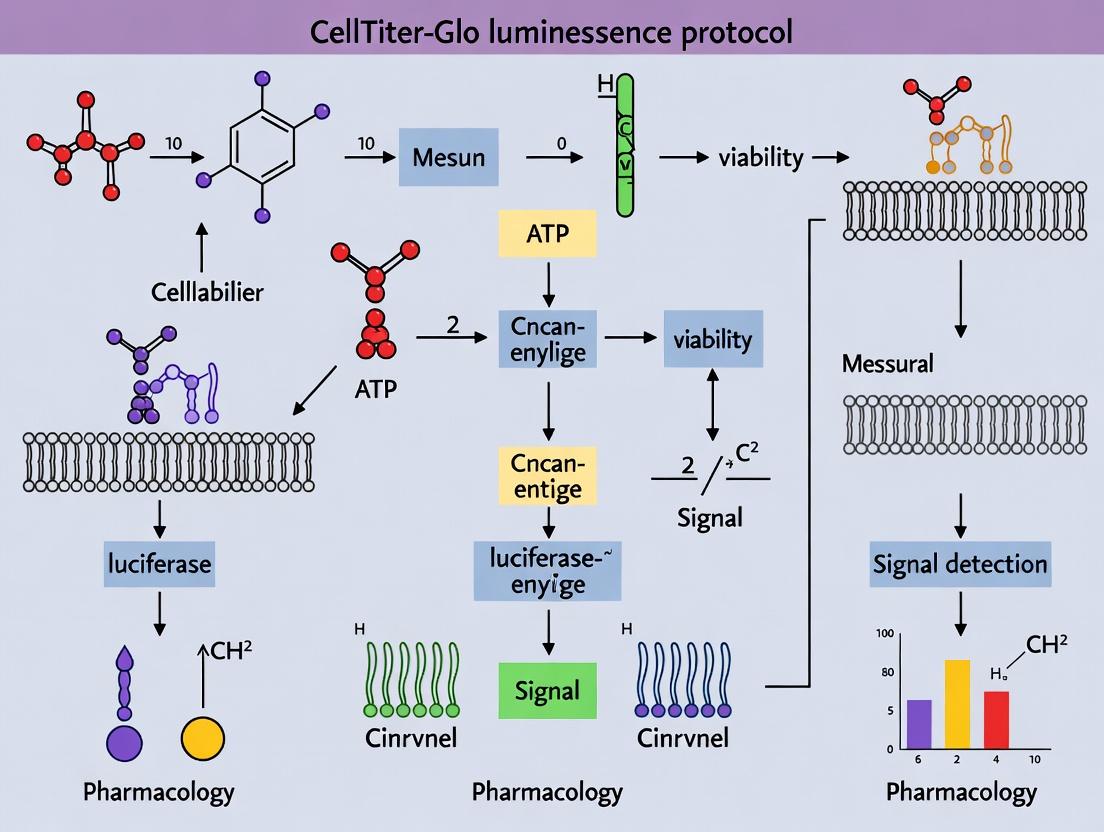
This comprehensive guide details the complete CellTiter-Glo Luminescent Cell Viability Assay protocol for researchers and drug development professionals.
Mastering the CellTiter-Glo Assay: A Complete Guide to Accurate Viability Measurement in Drug Discovery
Abstract
This comprehensive guide details the complete CellTiter-Glo Luminescent Cell Viability Assay protocol for researchers and drug development professionals. It covers the foundational biochemistry of ATP-driven luminescence, provides a step-by-step optimized workflow for 96- and 384-well formats, addresses common troubleshooting and signal optimization challenges, and validates the assay against other methods like MTT and resazurin. The article synthesizes best practices for obtaining robust, reliable data to inform high-throughput screening and preclinical studies.
Understanding the Science: How the CellTiter-Glo Assay Measures Cellular ATP
Within the framework of advancing luminescent cell viability assays, this article elaborates on the core biochemical principle that intracellular adenosine triphosphate (ATP) concentration is a direct and quantifiable indicator of metabolically active, viable cells. The CellTiter-Glo Luminescent Cell Viability Assay is the methodological cornerstone of this thesis, exploiting this principle by generating a luminescent signal proportional to the ATP present. This protocol and application guide synthesizes current research to standardize and optimize this critical measurement for drug discovery and basic research.
Table 1: Correlation Between ATP Depletion and Cell Death Mechanisms
| Cell Treatment | Reported ATP Reduction | Cell Death Pathway | Time to Significant ATP Drop | Assay Used |
|---|---|---|---|---|
| Staurosporine (1 µM) | 70-85% | Apoptosis | 4-6 hours | CellTiter-Glo 2.0 |
| Oligomycin (10 µM) | >90% | Metabolic Inhibition | 1-2 hours | CellTiter-Glo 3D |
| Hydrogen Peroxide (1 mM) | 60-75% | Necrosis/Oxidative Stress | 30-60 minutes | CellTiter-Glo |
| Nutrient Deprivation | 50-70% | Autophagy/Apoptosis | 24-48 hours | CellTiter-Glo 2.0 |
Table 2: Typical Luminescent Signal Ranges for Common Cell Lines
| Cell Line | Seeding Density (cells/well, 96-well) | Typical RLU Range (Background Subtracted) | Linearity (R²) |
|---|---|---|---|
| HEK293 | 10,000 | 50,000 - 250,000 | 0.998 |
| HeLa | 5,000 | 25,000 - 150,000 | 0.995 |
| HepG2 | 15,000 | 40,000 - 300,000 | 0.999 |
| Primary Mouse Hepatocytes | 20,000 | 30,000 - 100,000 | 0.990 |
Detailed Application Notes & Protocols
Protocol 1: Standard 2D Monolayer Viability Assay for Compound Screening
Purpose: To determine the cytotoxicity of chemical compounds on adherent cell lines. Materials: See "The Scientist's Toolkit" below. Procedure:
- Cell Seeding: Seed cells in a clear-bottom, white-walled 96-well plate at an optimized density (see Table 2) in 100 µL complete growth medium. Incubate for 24 hours.
- Compound Treatment: Prepare serial dilutions of test compounds in culture medium. Aspirate seeding medium and add 100 µL of treatment medium per well. Include vehicle controls (e.g., 0.1% DMSO) and a blank control (medium only). Incubate for desired treatment period (e.g., 24, 48, 72h).
- Equilibration: Remove the plate from the incubator and allow it to equilibrate to room temperature for 30 minutes.
- Reagent Addition: Add an equal volume of CellTiter-Glo Reagent (100 µL) directly to each well containing 100 µL of medium.
- Lysis & Signal Stabilization: Place plate on an orbital shaker for 2 minutes to induce cell lysis, then incubate at room temperature for 10 minutes to stabilize the luminescent signal.
- Measurement: Record luminescence (integration time 0.5-1 second) using a plate-reading luminometer.
- Data Analysis: Subtract the average signal of the blank control (medium + reagent) from all wells. Calculate percent viability relative to the vehicle control.
Protocol 2: 3D Spheroid Viability Assessment
Purpose: To measure viability in more physiologically relevant 3D microtissues. Key Modifications: Use CellTiter-Glo 3D Reagent for enhanced penetration. Procedure:
- Spheroid Formation: Generate spheroids using ultra-low attachment plates or other methods. Treat with compounds once spheroids are established.
- Reagent Addition: Add a volume of CellTiter-Glo 3D Reagent equal to the volume of medium in each well.
- Orbital Shaking: Shake the plate at 700 rpm for 5 minutes.
- Incubation: Incubate the plate at room temperature for 25 minutes to allow for complete lysis and signal stabilization.
- Measurement & Analysis: Proceed as in Protocol 1, Step 6.
The Scientist's Toolkit: Essential Research Reagents & Materials
| Item | Function & Rationale |
|---|---|
| CellTiter-Glo Luminescent Reagent | Proprietary, optimized lytic formulation containing luciferase, substrate, and ATP cofactor. Generates stable "glow-type" luminescence. |
| White-Walled, Clear-Bottom Assay Plates | Maximizes light signal reflection (white walls) while allowing for microscopic confirmation of cell morphology/attachment (clear bottom). |
| Plate-Reading Luminometer | Instrument capable of detecting and quantifying luminescent signals from multiwell plates. |
| Orbital Shaker (Microplate Compatible) | Ensures thorough cell lysis and mixing of reagent with cell lysate for homogeneous signal generation. |
| DMSO (Cell Culture Grade) | Common solvent for compound libraries; vehicle control must be included at non-cytotoxic concentrations. |
| ATP Standard | Used for standard curve generation to convert RLUs to absolute ATP concentration, if required. |
| Trypan Blue or Calcein AM | Orthogonal viability stain for morphological correlation with ATP data. |
Visualizations: Pathways & Workflows
Title: The ATP-Viability Link & Assay Principle
Title: Standard CellTiter-Glo Assay Workflow
Within the framework of cell viability measurement research, the CellTiter-Glo luminescent assay is a gold standard. Its core principle relies on the precise biochemistry of a firefly-derived (Photinus pyralis) reaction where the enzyme luciferase catalyzes the oxidation of its substrate, D-luciferin, to generate light. This light signal, quantitatively measured as Relative Light Units (RLUs), is directly proportional to the amount of cellular ATP present, which in turn correlates with the number of metabolically active (viable) cells. This application note details the underlying biochemistry and provides protocols for its implementation in drug screening and viability research.
Biochemical Pathway & Quantitative Data
The light-producing reaction is a multi-step, ATP-dependent process. The central reaction is: D-Luciferin + ATP + O₂ → Oxyluciferin + AMP + PPi + CO₂ + Light (λmax ~560 nm)
Table 1: Key Reaction Components & Their Roles
| Component | Molecular Function | Role in CellTiter-Glo Assay |
|---|---|---|
| Luciferase | Enzyme (EC 1.13.12.7) | Catalyzes the oxidation of D-luciferin. Recombinant, thermostable variants are used. |
| D-Luciferin | Benzothiazole substrate | The photogenic compound. Oxidation yields an excited-state intermediate. |
| ATP | Co-substrate | Provides energy (via Mg-ATP complex) and an adenylate moiety for luciferin activation. |
| Mg²⁺ | Cofactor | Essential for forming the active Mg-ATP complex. |
| Oxygen | Final electron acceptor | Required for the oxidative decarboxylation step. |
Table 2: Critical Reaction Parameters & Optimized Ranges
| Parameter | Optimal Range | Effect on Signal |
|---|---|---|
| pH | 7.5 - 8.5 | Maximal enzyme activity; affects oxyluciferin emission color. |
| Temperature | 22-25°C (ambient) | Standardized for plate-based assays; affects enzyme kinetics. |
| ATP Kₘ | ~100 µM | Ensures reaction is ATP-limited, linking light to [ATP]. |
| Luciferin Kₘ | ~10 µM | Typically saturating in commercial reagent formulations. |
| Signal Half-life | >5 hours (with stabilized formulations) | Enables batch processing of plates. |
Experimental Protocol: CellTiter-Glo 2.0 Assay for Viability
This protocol is adapted for a 96-well plate format to assess compound cytotoxicity.
I. Materials & Reagents (The Scientist's Toolkit) Table 3: Essential Research Reagent Solutions
| Item | Function & Brief Explanation |
|---|---|
| CellTiter-Glo 2.0 Reagent | Lyophilized, stabilized luciferase/luciferin mixture. Reconstituted in buffer to provide all necessary biochemical components. |
| White-walled, clear-bottom 96-well plate | Maximizes light collection (white walls) while allowing for microscopic observation (clear bottom). |
| Mammalian cells in culture | Target cells (e.g., HeLa, HepG2). Seeded at optimal density for log-phase growth during assay. |
| Test compounds/Drugs | Dissolved in DMSO or buffer for dose-response treatment. |
| Positive control (e.g., Digitonin) | Induces 100% cell death for normalization. |
| Microplate Luminometer | Instrument equipped with sensitive photomultiplier tubes (PMTs) to detect and quantify RLUs. |
II. Step-by-Step Procedure
- Cell Seeding & Treatment: Seed cells at an optimal density (e.g., 5,000 cells/well in 100 µL medium) and incubate (37°C, 5% CO₂) for 24 hours. Add test compounds in serial dilution and incubate for desired treatment period (e.g., 48h).
- Reagent Equilibration: Thaw and equilibrate CellTiter-Glo 2.0 Reagent to room temperature (∼30 min).
- Lysis & Reaction Initiation: Remove plate from incubator and equilibrate to RT for ∼10 minutes. Add an equal volume of CellTiter-Glo 2.0 Reagent to each well (e.g., 100 µL reagent to 100 µL cell medium). Mix contents on an orbital shaker for 2 minutes to induce cell lysis.
- Signal Stabilization: Incubate plate at RT for 10 minutes to allow stabilization of the luminescent signal.
- Luminescence Measurement: Place plate in the luminometer. Integrate signal per well for a duration of 0.5-1 second. Record results in RLUs.
- Data Analysis: Calculate percent viability relative to untreated (vehicle) control wells. Generate dose-response curves to determine IC₅₀ values.
Pathway & Workflow Visualizations
Diagram 1: Core Luciferase Reaction Steps
Diagram 2: CellTiter-Glo Viability Assay Workflow
Within the context of viability measurement research, the CellTiter-Glo (CTG) luminescent cell viability assay has become a cornerstone. This application note details the core advantages of this technology—exceptional sensitivity, a broad dynamic range, and a simple homogeneous protocol—and provides detailed protocols for its application in drug development and basic research.
Technical Advantages: Quantitative Analysis
Sensitivity and Dynamic Range
The CTG assay quantifies ATP, the primary energy currency of metabolically active cells. The luciferase reaction generates a stable, prolonged "glow-type" signal proportional to ATP concentration. Recent benchmarking studies demonstrate its superior performance.
Table 1: Comparative Performance of Cell Viability Assays
| Assay Type (Example) | Detection Limit (Cells/Well) | Linear Dynamic Range (Orders of Magnitude) | Assay Format | Interference from Test Compounds? |
|---|---|---|---|---|
| CellTiter-Glo Luminescent | ~10-15 cells | Up to 6-7 logs | Homogeneous | Low (ATP endpoint, stable signal) |
| MTT Colorimetric | ~1,000-2,000 cells | 2-3 logs | Heterogeneous (steps required) | High (relies on cellular reductase activity) |
| Resazurin Fluorescent | ~100-200 cells | 3-4 logs | Homogeneous or Heterogeneous | Medium (can be redox-sensitive) |
| Live/Dead Microscopy | N/A (imaging-based) | Qualitative / Semi-Quantitative | Heterogeneous | Low (but low throughput) |
Data synthesized from current literature and manufacturer technical bulletins.
The 'Add-Mix-Measure' Workflow
The homogeneous format eliminates cell washing, medium removal, and multiple transfer steps, reducing hands-on time and variability. The workflow is linear and robust.
Diagram Title: Homogeneous Add-Mix-Measure CTG Protocol Workflow
Application Protocols
Protocol: Standard Dose-Response Viability Assay for Drug Screening
Objective: Determine the IC₅₀ of a compound against a cancer cell line.
Materials: See "The Scientist's Toolkit" below. Procedure:
- Cell Seeding: Seed desired adherent cells (e.g., HeLa, HepG2) in 100 µL growth medium per well in a 96-well white-walled, clear-bottom plate. Use a density optimized for linear growth over assay duration (e.g., 2,000-5,000 cells/well). Incubate overnight (37°C, 5% CO₂).
- Compound Treatment: Prepare serial dilutions of test compound in DMSO and then in culture medium. Remove plate from incubator. Aspirate old medium and add 100 µL of compound-containing medium (or vehicle control). Include a "no-cells" background control. Incubate for desired time (e.g., 48-72h).
- ATP Measurement: a. Equilibrate plate and CTG reagent to ~22°C for 30 min. b. Add 100 µL of CTG reagent directly to each well. c. Mix on an orbital shaker for 2 min to induce cell lysis. d. Incubate at room temperature for 10 min to stabilize luminescent signal. e. Measure luminescence using a plate-reading luminometer with an integration time of 0.5-1 second/well.
- Data Analysis: Subtract background luminescence (no-cells control) from all values. Normalize data: (Compound-treated / Vehicle-treated) x 100%. Fit normalized data to a 4-parameter logistic curve to calculate IC₅₀.
Protocol: 3D Spheroid Viability Assessment
Objective: Measure viability of multicellular tumor spheroids (MCTS) after treatment. Procedure:
- Spheroid Formation: Generate uniform spheroids using ultra-low attachment plates or hanging drop methods. Culture until compact spheroids form (3-7 days).
- Treatment & Assay: Transfer single spheroids to 96-well white plates. Treat with compounds. Due to larger biomass, increase signal stability incubation to 30 min after adding CTG reagent (1:1 volume). Gentle shaking is critical. Crush spheroids by pipetting up/down 5 times before reading if signal is inconsistent.
- Data Normalization: Use size-matched, untreated spheroids as 100% viability control. Background is medium-only wells.
The Scientist's Toolkit: Essential Research Reagent Solutions
Table 2: Key Reagents and Materials for CTG Assays
| Item | Function & Importance |
|---|---|
| CellTiter-Glo 2.0 / 3D Reagent | Proprietary, optimized lytic buffer containing ultra-pure luciferase, substrate, and stabilizers. CTG 3D is formulated for larger biomass (e.g., spheroids, tissues). |
| White-Walled, Clear-Bottom Microplates | Maximizes light signal output (white walls) while allowing microscopic confirmation of cell status (clear bottom). |
| Plate-Reading Luminometer | Instrument capable of detecting and integrating bioluminescent photon counts from multi-well plates. |
| Orbital Plate Shaker | Ensures complete cell lysis and homogeneous mixing of reagent with cell lysate for consistent signal. |
| ATP Standard (for Calibration) | Used to generate a standard curve, converting relative luminescence units (RLU) to absolute ATP concentration. |
| DMSO (Cell Culture Grade) | Universal solvent for hydrophobic test compounds. Final in-well concentration should typically be ≤0.5%. |
| Cell Culture Media (Phenol Red-Free) | Recommended for use to eliminate potential absorbance/fluorescence interference, though not strictly required for luminescence. |
Signaling Pathway Context: ATP as a Viability Readout
The assay directly measures intracellular ATP, the central molecule in cellular energetics. Its depletion is an early marker of apoptosis, necrosis, and metabolic shutdown.
Diagram Title: ATP Depletion as Central Viability Readout Pathway
Application Notes
The CellTiter-Glo Luminescent Cell Viability Assay is a homogeneous, plate-based method for determining the number of viable cells in culture based on quantitation of ATP, a direct indicator of metabolically active cells. This protocol is central to a thesis investigating the robustness and applicability of luminescent viability measurement in modern pharmacological research. Its primary strength lies in its scalability, sensitivity, and suitability for automation, making it a cornerstone in drug discovery workflows.
1. High-Throughput Screening (HTS): In HTS campaigns for novel drug discovery, the assay enables rapid, multiplexable testing of thousands of chemical compounds against target cell lines. The "add-mix-measure" format minimizes hands-on time and is fully automatable. The homogeneous format eliminates washing steps, reducing assay variability and increasing throughput. The linear relationship between luminescence and cell number allows for the reliable identification of compounds that inhibit cell growth or induce cytotoxicity at early stages of drug development.
2. Cytotoxicity Assays: The assay provides a precise and sensitive measure of cell death induced by chemical agents, biologics, or environmental toxins. As cells undergo apoptosis or necrosis, ATP levels decline rapidly, which is detected as a drop in luminescent signal. This application is critical for evaluating the therapeutic index of oncology drugs, screening for compound safety (toxicology), and studying mechanisms of cell death. Its sensitivity often surpasses that of traditional dye-based assays (like MTT), especially in low-cell-number or short-duration experiments.
3. Proliferation Assays: By performing time-course measurements, the assay can monitor cell proliferation kinetics in response to growth factors, cytokines, or mitogenic stimuli. Inhibition of proliferation (cytostasis) by potential therapeutics can be distinguished from outright cytotoxicity. This is essential in immunology, cancer research, and stem cell biology for characterizing the functional effects of signaling pathway modulators.
Table 1: Comparative Performance of Cell Viability Assays
| Assay Parameter | CellTiter-Glo (Luminescence) | MTT (Absorbance) | Resazurin (Fluorescence) |
|---|---|---|---|
| Signal Basis | ATP Quantification | Mitochondrial Reductase Activity | Metabolic Reduction |
| Assay Format | Homogeneous, "add-mix-measure" | Heterogeneous, requires solubilization | Homogeneous |
| Assay Time | ~10 minutes post-lysing | 1-4 hours + solubilization time | 1-4 hours |
| Signal Half-Life | ~5 hours | Stable (formazan crystals) | Hours |
| Sensitivity (Cells/well) | As low as 10-100 mammalian cells | Typically 500-5,000 cells | 100-1,000 cells |
| Z'-Factor (Typical for HTS) | 0.7 - 0.9 (Excellent) | 0.5 - 0.8 (Good) | 0.6 - 0.8 (Good) |
| Compatible with Automation | Excellent | Moderate (crystal handling) | Good |
Table 2: Example HTS & Cytotoxicity Data Output (Thesis Context)
| Compound ID | Concentration (µM) | Mean Luminescence (RLU) | % Viability (vs. Ctrl) | Standard Deviation | Z-Score |
|---|---|---|---|---|---|
| DMSO Control | 0.1% | 1,250,000 | 100% | 45,000 | N/A |
| Staurosporine | 1.0 | 85,000 | 6.8% | 5,200 | -25.9 |
| Test Cmpd A | 10.0 | 950,000 | 76.0% | 65,000 | -4.6 |
| Test Cmpd B | 10.0 | 1,300,000 | 104.0% | 48,000 | 1.1 |
Experimental Protocols
Protocol 1: Standard HTS Viability Screening for Compound Libraries
Objective: To screen a 10,000-compound library for cytotoxic effects on HeLa cells in a 384-well format.
Materials:
- CellTiter-Glo 2.0 Reagent (Promega, G9241)
- HeLa cells in log-phase growth
- Complete growth medium (e.g., DMEM + 10% FBS)
- 384-well white-walled, clear-bottom assay plates
- Compound library in DMSO, pre-dispensed
- Positive control (1µM Staurosporine in DMSO)
- Negative control (0.1% DMSO)
- Multichannel pipettes, automated liquid handler
- Microplate luminometer
Methodology:
- Cell Seeding: Harvest and count HeLa cells. Dilute to 50,000 cells/mL in pre-warmed medium. Using a dispenser, seed 40 µL/well (2,000 cells/well) into the 384-well assay plate. Centrifuge briefly (100 x g, 1 min) to settle cells.
- Incubation: Inculture cells for 24 hours at 37°C, 5% CO₂ in a humidified incubator.
- Compound Addition: Using a pin tool or acoustic dispenser, transfer 100 nL of compound from the source library plate to the assay plate, resulting in a 10 µM final test concentration (assuming 1:400 dilution). Include control wells.
- Treatment Incubation: Incubate plates for 48 hours under standard culture conditions.
- Equilibration: Remove plates from incubator and equilibrate to room temperature for 30 minutes.
- Assay Reagent Addition: Add 40 µL of room-temperature CellTiter-Glo 2.0 Reagent to each well using a dispenser. Mix on an orbital shaker for 2 minutes to induce cell lysis.
- Signal Stabilization: Allow the plate to incubate at room temperature for 10 minutes to stabilize luminescent signal.
- Measurement: Read luminescence on a plate-reading luminometer with an integration time of 0.25–1 second per well.
- Data Analysis: Normalize raw RLU values: % Viability = [(RLUsample - RLUmedianpositivectrl) / (RLUmediannegativectrl - RLUmedianpositivectrl)] * 100. Calculate Z' factor for plate quality control.
Protocol 2: Dose-Response Cytotoxicity Profiling (IC₅₀ Determination)
Objective: To generate a 10-point dose-response curve and calculate the IC₅₀ of a candidate compound.
Materials: As in Protocol 1, with serial dilutions of the test compound.
Methodology:
- Cell Seeding: Seed cells as in Protocol 1.
- Compound Dilution: Prepare a 3-fold serial dilution of the test compound in culture medium, typically from 100 µM to 0.05 nM (10 concentrations).
- Treatment: After 24-hour cell attachment, remove 20 µL of medium from each well and add 20 µL of the compound dilution series in quadruplicate. Include vehicle and positive control columns.
- Incubation & Assay: Incubate for desired time (e.g., 48h). Perform the CellTiter-Glo assay as described in Protocol 1, steps 5-8.
- Data Analysis: Plot log₁₀(Compound Concentration) vs. Normalized % Viability. Fit data using a four-parameter logistic (4PL) nonlinear regression model: Y = Bottom + (Top-Bottom)/(1+10^((LogIC50-X)HillSlope))*.
- IC₅₀: Concentration causing a 50% reduction in viability.
The Scientist's Toolkit: Research Reagent Solutions
| Item | Function in CellTiter-Glo Assay |
|---|---|
| CellTiter-Glo 2.0/3D Reagent | Homogeneous lytic reagent containing Ultra-Glo recombinant luciferase, substrate, and buffer. Lyses cells and generates a stable, ATP-dependent luminescent signal. The 3D version is optimized for spheroids and microtissues. |
| ATP Standard | Used to generate a standard curve for absolute ATP quantitation, allowing conversion of RLU to molar ATP concentration. |
| White, Solid-Bottom Microplates | Maximize luminescent signal reflection and minimize well-to-well crosstalk. Essential for optimal sensitivity. |
| Automation-Compatible Reagent Reservoirs | Enable high-throughput, reproducible dispensing of assay reagent across hundreds of plates using liquid handlers. |
| DMSO-Tolerant Luciferase | The Ultra-Glo enzyme is highly stable in the presence of up to 2% DMSO, minimizing artifact from compound solvent vehicles. |
| Cell Culture Grade DMSO | Standard vehicle for solubilizing small-molecule compound libraries. Must be sterile and of high purity to avoid vehicle toxicity. |
Diagrams
CellTiter-Glo ATP Detection Pathway
HTS Workflow for Viability Screening
Cytotoxicity Assay Data Analysis Logic
Within the broader thesis on optimizing the CellTiter-Glo luminescence protocol for viability measurement research, understanding the precise composition and handling of the assay kit is paramount. This application note details the core components—the lyophilized substrate and the buffer—and delineates the critical storage considerations that directly impact assay performance, reproducibility, and data integrity in drug development research.
Kit Components & Quantitative Specifications
The CellTiter-Glo 2.0 Assay kit (Promega) typically contains two primary vials. The following table summarizes the quantitative data for key components and recommended handling.
Table 1: Core Kit Components and Specifications
| Component | Form | Typical Composition/Size | Key Function |
|---|---|---|---|
| Lyophilized Substrate (Ultra-Glo Recombinant Luciferase) | Lyophilized pellet in an amber vial. | 10 mg. Contains a proprietary, thermostable recombinant luciferase (Ultra-Glo rLuciferase) and the substrate, beetle luciferin, in a stabilized formulation. | Catalyzes the mono-oxygenation of luciferin, using ATP as a co-substrate, to produce oxyluciferin and light (∼560 nm). The lyophilized format enhances long-term stability. |
| Buffer | Clear liquid in a separate vial. | 11 mL of a proprietary, optimized cell lysis/buffer reagent. | Lyses mammalian cells to release intracellular ATP while providing an optimal pH and ionic environment for the luciferase reaction. Contains detergent and stabilizing agents. |
| Reconstituted Reagent | After combining Buffer with Lyophilized Substrate. | Final volume: ∼11 mL. Stable for up to 12 months at -20°C protected from light. | The complete, ready-to-use homogeneous assay reagent. Luminescent signal half-life is typically >5 hours, allowing for plate reading flexibility. |
Table 2: Critical Storage Considerations & Stability Data
| Component / Reagent | Recommended Storage (Unopened) | Stability After Opening/Reconstitution | Key Risk of Improper Storage |
|---|---|---|---|
| Lyophilized Substrate Vial | -20°C to -70°C, desiccated, protected from light. | After reconstitution: See "Reconstituted Reagent." Unused portion of lyophilized pellet cannot be re-frozen. | Loss of enzymatic activity due to moisture absorption or thermal degradation. |
| Buffer Vial | 4°C (refrigerated) or at room temperature for short-term. | After opening: Stable at 4°C for up to 1 month. | Potential microbial growth or evaporation affecting concentration and performance. |
| Reconstituted Reagent | -20°C in a non-frost-free freezer, protected from light (use amber vial or wrap in foil). | 12 months at -20°C; 1 month at 4°C with minimal freeze-thaw cycles (<5). | Loss of signal intensity and shortened half-life due to repeated freeze-thaw cycles or exposure to light. |
Detailed Experimental Protocol: Reagent Preparation and Cell Viability Assay
This protocol is designed for a 96-well plate format. Scale volumes proportionally for other formats.
Protocol 3.1: Reagent Reconstitution and Storage
Materials:
- CellTiter-Glo 2.0 Assay Kit (Cat. #G9241, Promega)
- Thawed Buffer vial and equilibrated Lyophilized Substrate vial (on ice)
- Sterile serological pipette or micropipettor
- Amber storage vial or aluminum foil
Method:
- Equilibration: Remove the Buffer from 4°C and warm to room temperature. Place the Lyophilized Substrate vial (amber) on ice.
- Reconstitution: Aseptically transfer the entire volume (∼11 mL) of Buffer into the vial containing the Lyophilized Substrate.
- Mixing: Gently swirl the vial manually until the pellet is completely dissolved. Avoid vortexing to prevent foam formation.
- Aliquoting & Storage: For long-term storage, immediately aliquot the Reconstituted Reagent into single-use volumes (e.g., suitable for one assay plate) into amber vials or tubes wrapped in aluminum foil.
- Labeling: Label aliquots with the date of preparation and store at -20°C in a non-frost-free freezer. Avoid repeated freeze-thaw cycles.
Protocol 3.2: Cell Viability Measurement in a Drug Screening Workflow
Materials:
- Reconstituted CellTiter-Glo 2.0 Reagent (equilibrated to room temperature)
- White-walled, opaque 96-well assay plate containing treated cells
- Plate shaker
- Luminometer (e.g., GloMax Discover)
Method:
- Cell Plating & Treatment: Plate cells in culture medium at an optimal density (e.g., 5,000 cells/well for many adherent lines) in a final volume of 100 µL. Allow cells to adhere overnight.
- Compound Treatment: Add test compounds/drugs in desired concentrations. Include vehicle controls (0% inhibition) and a positive control for cell death (e.g., 100 µM digitonin for 100% inhibition). Incubate for the desired treatment period (e.g., 24-72 hours).
- Reagent Equilibration: Thaw and equilibrate the Reconstituted Reagent to room temperature for approximately 30 minutes before use.
- Homogeneous Assay Addition: Add an equal volume of the Reconstituted Reagent to each well (e.g., 100 µL to 100 µL of cell culture medium). Note: This results in a 1:1 dilution of ATP and compounds.
- Mixing and Lysis: Place the plate on an orbital shaker for 2 minutes at 300-500 rpm to ensure complete cell lysis and mixing.
- Signal Stabilization: Allow the plate to incubate at room temperature for 10 minutes to stabilize the luminescent signal.
- Luminescence Measurement: Read the plate using a luminometer with an integration time of 0.5-1 second per well.
- Data Analysis: Normalize raw luminescence values (Relative Light Units, RLU) to vehicle control wells (100% viability) and positive death control wells (0% viability). Calculate % cell viability.
Visualizations
CellTiter-Glo 2.0 Experimental Workflow
ATP-Driven Luminescent Reaction Pathway
The Scientist's Toolkit: Research Reagent Solutions
Table 3: Essential Materials for Cell Viability Assays
| Item | Function & Importance in CellTiter-Glo Assay |
|---|---|
| White Opaque Microplates | Minimizes cross-talk between wells and maximizes signal capture by reflecting light to the detector. Essential for luminescence assays. |
| Non-Frost-Free Freezer (-20°C) | Prevents temperature cycling during auto-defrost cycles, which is critical for maintaining the stability of the Reconstituted Reagent and Lyophilized Substrate. |
| Plate Shaker with Orbital Motion | Ensures rapid and complete cell lysis and homogeneous mixing of the reagent with cell lysate, a key step for uniform signal generation. |
| Luminometer (e.g., GloMax Discover) | Instrument capable of detecting low-light signals with high sensitivity and a wide dynamic range, required for measuring ATP from low cell numbers. |
| Sterile, Low-Binding Pipette Tips | Prevents adsorption of the Reconstituted Reagent (which contains protein) to tip surfaces, ensuring accurate volume delivery and reproducible results. |
| Amber Vials or Aluminum Foil | Protects light-sensitive components (Lyophilized Substrate, Reconstituted Reagent) from photodegradation during storage and handling. |
| Multichannel Pipette or Reagent Dispenser | Enables rapid, simultaneous addition of the Reconstituted Reagent across all wells of a microplate, critical for consistent incubation times and assay precision. |
| Cell Culture Hood (Biosafety Cabinet) | Maintains sterility during cell plating and compound addition, preventing contamination that would confound viability measurements. |
Step-by-Step Protocol: From Cell Seeding to Luminescence Reading
Within the broader context of optimizing the CellTiter-Glo luminescent cell viability assay for high-throughput screening and drug development research, rigorous pre-assay planning is paramount. The selection of an appropriate cell line, optimization of its culture conditions, and the choice of microplate format are critical variables that directly impact the assay's dynamic range, sensitivity, reproducibility, and suitability for scaling. This application note provides detailed protocols and data-driven guidelines for these foundational steps.
Cell Line Selection & Characterization
The ideal cell line exhibits robust growth, consistent viability, and a measurable response to experimental treatments. Key selection criteria and characterization steps are outlined below.
Table 1: Quantitative Comparison of Common Cell Lines for Viability Assays
| Cell Line | Origin | Doubling Time (hrs) | Recommended Seeding Density (96-well) | Key Considerations |
|---|---|---|---|---|
| HEK293 | Human Embryonic Kidney | ~20-30 | 10,000 - 20,000 cells/well | Easy to transfect, adherent, moderate metabolic rate. |
| HeLa | Human Cervical Carcinoma | ~24 | 5,000 - 10,000 cells/well | Fast-growing, adherent, high metabolic activity. |
| A549 | Human Lung Carcinoma | ~22-24 | 7,500 - 15,000 cells/well | Adherent, model for lung cancer and toxicology studies. |
| HepG2 | Human Hepatocellular Carcinoma | ~48-72 | 15,000 - 25,000 cells/well | Slow-growing, adherent, model for liver toxicity. |
| Jurkat | Human T-cell Leukemia | ~25-35 | 50,000 - 100,000 cells/well | Suspension, requires different handling and plating. |
| U2OS | Human Osteosarcoma | ~22-26 | 5,000 - 12,000 cells/well | Adherent, robust attachment, used in cytology studies. |
Protocol 2.1: Cell Line Validation for ATP-Based Viability Assays Objective: To determine the optimal seeding density and establish a baseline signal window for a chosen cell line.
- Cell Preparation: Harvest cells in mid-log phase growth (>95% viability by trypan blue exclusion). Prepare a single-cell suspension in complete growth medium.
- Serial Dilution: Perform a 2-fold serial dilution of cells across a 96-well plate (e.g., from 50,000 to 1,000 cells/well in 100 µL final volume). Include medium-only control wells (0 cells).
- Pre-incubation: Incubate plate for 4-24 hours (37°C, 5% CO₂) to allow cell attachment and recovery (for adherent lines).
- Assay Execution: Equilibrate plate and CellTiter-Glo Reagent to room temperature for 30 min. Add an equal volume of reagent to each well (100 µL:100 µL). Mix for 2 min on an orbital shaker, incubate for 10 min to stabilize luminescent signal.
- Signal Measurement: Record luminescence (RLU) using a plate reader with integration time of 0.25-1 second/well.
- Data Analysis: Plot RLU vs. seeded cell number. The optimal density for a subsequent assay is within the linear range of the curve, typically yielding an RLU signal 10-20x above background (medium-only control).
Culture Condition Optimization
Consistent culture conditions are essential for assay reproducibility.
Protocol 3.1: Determining Serum Dependence & Treatment Time Objective: To define the impact of serum starvation and compound exposure time on viability readouts.
- Plate Cells: Seed cells at optimal density (from Protocol 2.1) in two 96-well plates in complete medium. Incubate overnight.
- Serum Modulation: For Plate 1 (acute toxicity), replace medium with fresh complete medium. For Plate 2 (chronic stress/cytostasis), replace medium with medium containing 0.5-1% serum (or serum-free).
- Compound Addition: Add a dilution series of a reference cytotoxin (e.g., Staurosporine) and a negative control (DMSO) to both plates.
- Time Course: Incubate Plate 1 for 24-48 hours and Plate 2 for 48-72 hours.
- Assay Endpoint: Perform CellTiter-Glo assay as in Protocol 2.1.
- Analysis: Calculate % viability relative to untreated controls. Compare IC₅₀ values and assay window (Z'-factor) between conditions to determine optimal pretreatment and treatment duration.
Table 2: Impact of Culture Conditions on Assay Performance (Z'-Factor)
| Condition | Adherent Cell (HEK293) Z' | Suspension Cell (Jurkat) Z' | Notes |
|---|---|---|---|
| Standard (10% FBS, 24h Tx) | 0.72 | 0.65 | Robust for acute cytotoxicity. |
| Serum-Reduced (0.5% FBS, 72h Tx) | 0.58 | N/A | Increased sensitivity to cytostatic agents. Potential for increased edge effects. |
| 3D Spheroid Culture | 0.45-0.60 | N/A | Lower Z' due to spheroid size variability; requires longer assay times (5-7 days). |
Plate Format Selection: 96-well vs. 384-well
The choice of plate format is dictated by throughput needs, reagent cost, and cell type.
Table 3: Direct Comparison of 96-well vs. 384-well Plate Formats
| Parameter | 96-Well Plate | 384-Well Plate | Implication for Assay Design |
|---|---|---|---|
| Working Volume | 50-200 µL | 10-50 µL | 384-well requires precise liquid handling. |
| Cell Seeding Number | Higher (e.g., 10k/well) | Lower (e.g., 2.5k/well) | Must re-optimize density for linear range. |
| Reagent Cost per Well | Higher | ~4x Lower | Significant for large-scale HTS. |
| Throughput | Standard | ~4x Higher | Ideal for large compound libraries. |
| Evaporation Edge Effect | Moderate | High | Requires careful plate sealing/humidification. |
| Signal Path Length | Longer | Shorter | May affect absolute luminescence signal intensity. |
Protocol 4.1: Miniaturization from 96-well to 384-well Format Objective: To successfully adapt a validated 96-well CellTiter-Glo assay to a 384-well format.
- Density Re-optimization: Perform a cell titration in a 384-well plate, typically using 1/4 to 1/5 the 96-well cell number per well in 25-40 µL medium. Use Protocol 2.1 as a guide.
- Volume Adjustment: Scale the CellTiter-Glo Reagent addition proportionally (e.g., 1:1 ratio, 25 µL cells + 25 µL reagent).
- Mixing Optimization: Ensure adequate mixing on a plate shaker; time may be reduced (1-2 min) due to smaller volume.
- Edge Effect Mitigation: Fill perimeter wells with PBS or medium only. Use a low-evaporation lid or sealing film during incubation.
- Reader Validation: Adjust plate reader integration time if necessary, as signal per well is lower.
The Scientist's Toolkit: Essential Reagents & Materials
Table 4: Key Research Reagent Solutions for CellTiter-Glo Assay Planning
| Item | Function & Importance |
|---|---|
| CellTiter-Glo 2.0/3D Reagent | Single-addition, homogeneous lytic reagent generating luminescent signal proportional to ATP concentration (cell viability). |
| Quality-Controlled Fetal Bovine Serum (FBS) | Provides essential growth factors. Batch consistency is critical for long-term assay reproducibility. |
| Validated Cell Line with Mycoplasma-Free Certification | Ensures experimental results are not artifacts of contamination or genetic drift. |
| Dimethyl Sulfoxide (DMSO), PCR/ACS Grade | Standard solvent for compound libraries. Must be low toxicity and used at consistent final concentration (typically <0.5-1%). |
| Reference Control Compounds (e.g., Staurosporine, Bortezomib) | Provide known viability response curves for assay validation and QC. |
| Optically Clear, White-Walled Microplates (96/384-well) | Maximizes luminescent signal collection and minimizes well-to-well crosstalk. |
| Automated Liquid Handler (e.g., Multidrop, Bravo) | Ensures precision and reproducibility in cell/reagent dispensing, especially in 384/1536-well formats. |
| Plate Sealing Films (Non-absorbent) | Prevents evaporation and contamination during incubation steps. |
Visualizing the Workflow and Signaling Context
Title: Pre-Assay Planning Workflow for Viability Assays
Title: Cellular Stress Pathways Converge on ATP Measurement
Within the broader research thesis employing the CellTiter-Glo Luminescent Cell Viability Assay for compound screening and longitudinal viability measurement, Day 1 seeding density is a critical, often overlooked, variable. An optimal density ensures that control wells reach the appropriate metabolic confluence for accurate luminescence reading at each assay endpoint, preventing signal saturation or depletion. This application note provides a protocol and data to standardize this foundational step, directly impacting the robustness of dose-response curves (e.g., IC50) and proliferation kinetics in your CellTiter-Glo research.
Key Quantitative Data: Seeding Density Optimization
The following table summarizes experimental outcomes for a generic adherent cancer cell line (e.g., HeLa or HepG2) assayed with CellTiter-Glo at 24, 48, 72, and 96-hour timepoints. The target was a luminescence signal within the instrument's linear range (RLU: 10^4 - 10^6) at 72 hours for control cells, indicative of active log-phase growth without over-confluence.
Table 1: Luminescence Signal (RLU) Relative to Seeding Density and Assay Timepoint
| Seeding Density (cells/well in 96-well plate) | 24-hour RLU (Mean ± SD) | 48-hour RLU (Mean ± SD) | 72-hour RLU (Mean ± SD) | 96-hour RLU (Mean ± SD) | Recommended for Endpoint |
|---|---|---|---|---|---|
| 1,000 | 1,250 ± 450 | 5,200 ± 1,100 | 18,500 ± 3,200 | 42,000 ± 8,500 | 96-hour assay |
| 2,500 | 3,100 ± 850 | 22,000 ± 4,500 | 85,000 ± 12,000 | 155,000 ± 25,000* | 72-hour assay |
| 5,000 | 6,500 ± 1,800 | 65,000 ± 9,000* | 210,000 ± 30,000* | 320,000 ± 40,000* | 48-hour assay |
| 10,000 | 15,000 ± 3,500* | 180,000 ± 22,000* | 450,000 ± 50,000* | Plateau/Decline | 24-hour assay |
*Signal may be at or near saturation for some luminometers. The 2,500 cells/well density provides optimal growth trajectory for a standard 72-hour viability assay.
Detailed Experimental Protocol
Protocol 1: Determining Optimal Seeding Density for Fixed Endpoint Assays
I. Materials and Reagent Preparation
- Cell Culture: Appropriate cell line, complete growth medium, PBS (without Ca2+/Mg2+), 0.25% Trypsin-EDTA.
- Cell Seeding: Sterile multichannel pipettes, reservoir, 96-well clear-bottom white-walled assay plates.
- Viability Assay: CellTiter-Glo 2.0 Reagent (lyophilized or ready-to-use), prepared per manufacturer instructions and equilibrated to room temperature. Orbital shaker. Microplate luminometer.
II. Procedure
- Cell Harvest & Counting: Harvest cells in mid-log phase. Perform a viable cell count using trypan blue exclusion and an automated counter or hemocytometer.
- Density Dilution Series: Prepare a single-cell suspension in complete medium. Create four seeding stocks: 10,000, 5,000, 2,500, and 1,000 cells/mL. Note: Account for a final well volume of 100 µL.
- Plate Seeding (Day 0): Seed 100 µL of each cell suspension into the inner 60 wells of a 96-well plate (n=6 per density). Include medium-only background control wells (n=6). Gently swirl plate post-seeding.
- Incubation: Place plates in a 37°C, 5% CO2 incubator for 24 hours to allow cell adherence and recovery.
- Assay Initiation (Day 1): Designate this as the experimental "Day 1." Begin your treatment timeline if applicable.
- Luminescence Measurement at Endpoints: a. Remove plates from incubator and equilibrate to room temperature for 30 minutes. b. Add 100 µL of CellTiter-Glo 2.0 Reagent directly to each 100 µL culture medium well. c. Place plate on orbital shaker for 2 minutes to induce cell lysis. d. Incubate at room temperature for 10 minutes to stabilize luminescent signal. e. Record luminescence (integration time: 0.5-1 second/well) using a plate-reading luminometer.
- Data Analysis: Average the RLU values for replicates at each density/timepoint. Subtract the mean signal of medium-only controls. Plot RLU vs. time for each density. Select the density where the control well signal is in the mid-linear range (∼10^5 RLU) at your desired primary assay endpoint.
Visualization of the Experimental Workflow
Diagram 1: Seeding Density Optimization Workflow (76 chars)
The Scientist's Toolkit: Essential Research Reagent Solutions
Table 2: Key Materials for CellTiter-Glo Seeding Optimization
| Item | Function in This Context |
|---|---|
| CellTiter-Glo 2.0 Assay | Homogeneous, lytic assay quantifying viable cells based on ATP content, generating a luminescent signal proportional to biomass. Critical for endpoint viability. |
| 96-well White-walled Assay Plates | Optimized for luminescence signal detection by reflecting light and minimizing cross-talk. Clear bottom allows optional microscopic confirmation. |
| Automated Cell Counter | Provides rapid, accurate, and reproducible viable cell counts essential for generating precise seeding dilution series. |
| Sterile Reservoir & Multichannel Pipette | Enables rapid, uniform seeding of multiple plates, reducing well-to-well variability and operator error. |
| Orbital Microplate Shaker | Ensures complete mixing of CellTiter-Glo reagent with cell culture, leading to consistent lysate and uniform signal generation. |
| Microplate Luminometer | Instrument capable of detecting and quantifying the low-light luminescent signal generated by the assay reaction. |
Within the context of viability measurement research using the CellTiter-Glo (CTG) luminescence assay, the compound treatment and incubation phase (Day 2-5) is critical. This period determines the biological response and the accuracy of the final luminescent readout. These Application Notes detail best practices for this phase, focusing on experimental design, protocol execution, and data integrity to ensure reproducible and meaningful results in drug discovery.
Experimental Protocols
Protocol 1: Seeding Cells for Compound Treatment
- Cell Preparation: Harvest cells in mid-logarithmic growth phase. Determine viable cell count using trypan blue exclusion.
- Seeding Density Optimization: Refer to Table 1. Seed cells in appropriate culture medium (e.g., RPMI-1640 + 10% FBS) into white-walled, clear-bottom 96- or 384-well assay plates.
- Incubation: Allow cells to adhere and recover for a minimum of 4-6 hours (or overnight) in a humidified incubator (37°C, 5% CO₂) prior to compound addition. This ensures cells are in a stable, logarithmic state.
Protocol 2: Compound Dilution and Addition
- Compound Plate Preparation: Prepare a serial dilution of test compounds in DMSO, then further dilute in cell culture medium to achieve the desired final concentration range. The final DMSO concentration should not exceed 0.5% (v/v) to avoid cytotoxicity.
- Treatment: At time zero (T0) of the treatment phase, carefully add an equal volume of compound dilution to each well of the cell plate, achieving the final desired concentration. Use multichannel pipettes or automated liquid handlers for precision.
- Controls: Include the following controls on every plate:
- Vehicle Control: Cells + medium with equivalent DMSO concentration.
- Positive Control (100% Inhibition): Cells + a cytotoxic agent (e.g., 100 µM Staurosporine or 1% Triton X-100).
- Negative Control (0% Inhibition): Cells + medium only (for background correction).
- Blank: Medium only (no cells).
Protocol 3: Incubation and Monitoring
- Duration: Incubate plates under standard culture conditions for the predetermined period (48, 72, or 96 hours). Longer incubations increase sensitivity to cytostatic effects.
- Environmental Control: Ensure consistent humidity (>90%) to prevent edge-well evaporation effects. Use microplate lids or gas-permeable sealing membranes.
- Endpoint Processing: Proceed directly to the CTG assay protocol after incubation. Equilibrate plates to room temperature for 30 minutes before adding the CTG reagent.
Key Data and Parameters
Table 1: Recommended Seeding Densities for Common Cell Lines (96-well format)
| Cell Line | Tissue Type | Recommended Seeding Density (cells/well) | Recommended Assay Duration |
|---|---|---|---|
| A549 | Lung Carcinoma | 3,000 - 5,000 | 72 hours |
| HeLa | Cervical Adenocarcinoma | 4,000 - 6,000 | 72 hours |
| HepG2 | Hepatocellular Carcinoma | 8,000 - 12,000 | 96 hours |
| HEK293 | Embryonic Kidney | 10,000 - 15,000 | 48-72 hours |
| MCF-7 | Breast Adenocarcinoma | 6,000 - 10,000 | 96 hours |
| PC-3 | Prostate Carcinoma | 5,000 - 8,000 | 72 hours |
Table 2: Critical Parameters for Compound Treatment
| Parameter | Optimal Condition | Rationale & Impact on CTG Assay |
|---|---|---|
| Final DMSO Conc. | ≤ 0.5% (v/v) | Minimizes solvent-induced cytotoxicity, which can inflate efficacy signals. |
| Compound Exposure Time | 48 - 120 hours | Must span multiple cell cycles to detect cytostatic effects; directly impacts IC₅₀ values. |
| Cell Health at T0 | >90% viability, mid-log phase | Ensures a uniform, robust population for treatment; poor health increases assay variability (%CV). |
| Edge Well Effects | Use of humidified chambers or plate sealers | Prevents evaporation-induced concentration changes, crucial for Z'-factor >0.5. |
The Scientist's Toolkit: Research Reagent Solutions
| Item | Function in Compound Treatment & CTG Workflow |
|---|---|
| White-walled, Clear-bottom Assay Plates | Maximizes luminescent signal reflection while allowing microscopic visualization pre-treatment. |
| DMSO (Cell Culture Grade) | Universal solvent for compound libraries; low toxicity grade is essential. |
| Staurosporine (1 mM stock) | Common positive control for cytotoxicity, inducing near-complete viability loss. |
| Automated Liquid Handler | Ensures precision and reproducibility during serial compound dilution and plate transfer. |
| Humidified Incubator (CO₂) | Maintains physiological pH and environment for consistent cell growth during incubation. |
| Gas-Permeable Sealing Membrane | Reduces evaporation and sterility risk without creating a hypoxic environment. |
| CellTiter-Glo 2.0 Reagent | Single-addition, "add-mix-measure" lytic reagent generating luminescence proportional to ATP/viable cells. |
Visualization of Protocols and Pathways
Compound Treatment to CTG Assay Workflow
Experimental Plate Design and Data Flow
This application note details the critical procedural steps for the execution of the CellTiter-Glo (CTG) Luminescent Cell Viability Assay within the broader context of optimizing robustness and reproducibility for drug screening and viability research. The assay day protocol is paramount, as inconsistencies in reagent handling directly impact the accuracy of ATP quantitation as a surrogate for viable cell count.
I. Research Reagent Solutions & Essential Materials
The following table catalogs the core components required for reliable assay execution.
| Item | Function in CTG Assay |
|---|---|
| CellTiter-Glo Lyophilized or Buffer/Substrate Reagents | Contains the proprietary, thermostable luciferase (Ultra-Glo rLuciferase), luciferin substrate, and buffer system. Reconstitution generates a stable, homogeneous "single-addition" reagent. |
| ATP Standard (e.g., 1mM Solution) | Serves as a critical positive control and for generating a standard curve to validate reagent functionality and linear dynamic range. |
| Cell Culture Plates (White, opaque-walled) | Maximizes luminescent signal capture by reflecting light to the detector and preventing cross-talk between wells. Clear-bottom plates can be used for prior microscopy. |
| Orbital Plate Shaker | Ensures thorough cell lysis and mixing of reagent with cell lysate, critical for signal stabilization and uniformity. |
| Luminometer or Multi-Mode Plate Reader | Instrument capable of detecting luminescent signal with high sensitivity and a broad dynamic range (typically up to 8-10 orders of magnitude). |
| Multichannel Pipettes & Reservoirs | Enables rapid, simultaneous reagent addition across the plate, minimizing timing artifacts between wells. |
II. Detailed Protocols for Assay Day
Protocol 1: Reagent Preparation & Equilibration
This protocol is fundamental to assay precision, as the enzymatic reaction is temperature-sensitive.
- Thaw & Equilibrate: Remove the CellTiter-Glo Buffer and Substrate (for the 2-component kit) from -20°C storage. Thaw completely at room temperature (22-25°C) or in a cold water bath. For the lyophilized formulation, use the provided Buffer for reconstitution.
- Reconstitute/Combine: For the 2-component system, pour the entire volume of Buffer into the Substrate bottle to reconstitute the lyophilized enzyme/substrate mix. Swirl gently until contents are fully dissolved. Avoid vortexing, which may cause foaming.
- Equilibrate to Room Temperature: Allow the prepared, homogeneous reagent to equilibrate to room temperature for approximately 30 minutes before use. Simultaneously, remove the cell culture plate from the incubator and let it equilibrate at room temperature for 30 minutes to normalize the temperature across all samples. Note: Signal intensity is highly dependent on temperature; equilibration is non-optional.
- Prepare ATP Standard Curve Dilutions: Prepare a 1:10 serial dilution series of ATP standard in culture medium or PBS, covering a range from 10µM to 1pM (or the expected range of your samples), to be run in parallel on each plate.
Protocol 2: The Crucial Reagent Addition Step
This step initiates the lytic and luminescent reactions. Consistency in technique is critical.
- Volume Ratio: Ensure a 1:1 volume ratio of CellTiter-Glu Reagent to cell culture medium in each well. For a 100µL culture volume, add 100µL of reagent.
- Addition Technique: Using a multichannel pipette and reservoir, add the equilibrated reagent to the wells as rapidly and consistently as possible. The goal is to minimize the time delay between the first and last well receiving reagent.
- Mixing & Lysis: Immediately following addition, place the plate on an orbital plate shaker set at 300-500 rpm for 2 minutes. This ensures complete cell lysis and homogeneous mixing of ATP with the reagent.
- Signal Stabilization: After mixing, incubate the plate at room temperature for an additional 8-10 minutes. This allows the luminescent signal to stabilize. The signal is typically stable for several hours post-reaction.
- Measurement: Read luminescence on a plate reader with an integration time of 0.25 to 1 second per well.
Table 1: Impact of Equilibration Time on Signal Variability (CV%) Data simulated from typical assay validation. n=32 replicates per condition.
| Equilibration Time (min) | Mean RLU (x10^6) | Coefficient of Variation (CV%) |
|---|---|---|
| 0 (No equilibration) | 4.2 | 18.5% |
| 15 | 5.1 | 8.2% |
| 30 | 5.8 | 3.1% |
| 45 | 5.9 | 2.9% |
Table 2: ATP Standard Curve Performance Metrics Acceptance criteria for a valid run.
| Parameter | Target Value | Typical Observed Range |
|---|---|---|
| Linear Dynamic Range | Up to 8 logs | 10^-12 to 10^-4 M ATP |
| Coefficient of Determination (R²) | >0.99 | 0.995 - 0.999 |
| Z'-Factor (for assay quality) | >0.5 | 0.6 - 0.9 |
IV. Visualization of Workflow & Pathway
Title: CTG Assay Day Critical Workflow Path
Title: CTG Luminescent Reaction Signaling Pathway
Within the broader thesis research employing the CellTiter-Glo (CTG) luminescence assay for cellular viability measurement, the reliability of the final readout is paramount. This application note addresses the critical, yet often overlooked, variables of post-reagent-addition incubation time and microplate reader configuration. Signal stabilization—the point at which the luminescent signal reaches a steady-state maximum—is essential for obtaining accurate, reproducible, and comparable data across plates and experiments. Improper timing or suboptimal reader settings can introduce significant variance, obscuring true biological effects and compromising drug screening data. This document provides evidence-based protocols and optimization strategies to standardize the CTG assay endpoint.
The Critical Role of Incubation Time in Signal Stabilization
The CTG assay generates luminescence through a coupled enzymatic reaction. Upon lysis, cellular ATP is utilized by luciferase to produce light. The signal intensity increases rapidly, reaches a peak, and then enters a period of relative stability (plateau) before decaying. The duration and slope of this plateau are influenced by reagent formulation, cell type, ATP concentration, and ambient temperature.
Key Finding from Current Literature (2023-2024): A systematic review of recent technical notes and peer-reviewed optimization studies indicates that for most mammalian cell lines, the luminescent signal stabilizes within 5 to 15 minutes post-reagent addition at room temperature. However, the duration of the stable plateau can vary considerably. For high-density cultures or 3D spheroids, extended incubation (up to 30 minutes) with orbital shaking may be required for complete lysis and signal equilibration.
| Cell System / Condition | Recommended Incubation Time (min) | Orbital Shaking (Recommended rpm) | Key Rationale & Signal Profile |
|---|---|---|---|
| Standard 2D Monolayers (e.g., HeLa, HEK293) | 10 - 15 | 300 - 500 rpm | Signal stabilizes by ~5 min, plateau lasts >30 min. Shaking ensures homogeneous mixing. |
| High-Density or Biofilm-like Cultures | 15 - 25 | 500 - 700 rpm | Extended lysis time required for complete ATP release. Signal plateau may be shorter. |
| 3D Spheroids / Organoids | 20 - 30 | 700 - 900 rpm | Maximizes reagent penetration and complete lysis of inner core. Critical for accuracy. |
| Low Cell Density (<500 cells/well) | 8 - 12 | 300 - 500 rpm | Signal is lower and may decay sooner; avoid excessively long incubation. |
| Protocol with "Room Temperature Equilibration" Step | 10 (post-equilibration) | As per standard | Pre-warming plate and reagent to RT (10 min) reduces stabilization time significantly. |
Optimizing Plate Reader Settings for Maximum Fidelity
Modern microplate luminometers offer multiple configurable settings that directly impact signal-to-noise (S/N) ratio and data quality. The two most critical are integration time and gain.
- Integration Time: The duration for which the detector collects photons from each well. Too short a time underestimates signal, especially in low-ATP samples. Too long a time can saturate the detector in high-signal wells and increase total read time, potentially capturing signal decay.
- Gain/PMT Voltage: The sensitivity amplification of the detector. A higher gain increases both signal and background noise. The optimal gain sets the highest signal well just below the instrument's saturation limit.
Table 2: Plate Reader Optimization Protocol & Expected Outcomes
| Setting | Recommended Optimization Protocol | Quantitative Impact on Readout |
|---|---|---|
| Integration Time | Perform a sweep (e.g., 0.1s, 0.5s, 1.0s, 2.0s) on a test plate containing blank (media only), low, medium, and high cell density wells. Choose the shortest time that yields a CV < 5% for replicate high-signal wells and maintains a high S/N for low-signal wells. | Increasing from 0.1s to 0.5s often increases signal 5-fold with minimal noise increase. Saturation typically occurs >2.0s for dense cultures. |
| Gain/PMT Level | Using the chosen integration time, test the full dynamic range of gains. Set gain so the highest expected signal (e.g., 100% viability control) is at 80-90% of the instrument's maximum detectable value. | Optimal gain maximizes the linear dynamic range (R² > 0.99 for cell dilution series). A gain too high may compress high-end data. |
| Well Scanning Pattern | Use a sequential, top-to-bottom pattern. Avoid random access patterns, as they introduce time-dependent artifacts due to signal decay over the read period. | Sequential reads reduce well-to-well variability linked to incubation time differences to <2%. |
| Automatic Re-injection | If using an injector reader, calibrate injection speed and height to avoid cross-contamination. Ensure consistent volume delivery (CV < 2% across plate). | Proper injection reduces edge effects and well-to-well variability by up to 15%. |
Integrated Experimental Protocol for CTG Signal Optimization
Title: Protocol for Determining Optimal Incubation Time and Plate Reader Settings for CellTiter-Glo Viability Assays.
Materials & Reagents:
- CellTiter-Glo 2.0 Reagent (Promega, Cat# G9241)
- Cell culture of interest in log-phase growth
- Appropriate cell culture medium
- White, opaque-walled, clear-bottom 96-well or 384-well assay plates
- Microplate luminometer with injector (recommended) or multi-mode reader
- Multichannel pipettes and reagent reservoirs
Procedure:
Part A: Determining Signal Stabilization Kinetics
- Seed cells in a white 96-well plate at three densities: a high density (e.g., 100% confluent expected), a medium density (~50%), and a low density (~10%). Include media-only background control wells. Use at least n=4 replicates per condition.
- Culture cells for the desired experimental period.
- Equilibration: Remove the plate from the incubator and let it equilibrate to room temperature for 10 minutes in the laminar flow hood.
- Reagent Preparation: Thaw and equilibrate the CellTiter-Glo 2.0 Reagent to room temperature.
- Addition and Mixing: Add a volume of reagent equal to the volume of media present in each well (e.g., 100µl to 100µl). Place the plate on an orbital shaker (500 rpm) at room temperature.
- Kinetic Read: Immediately transfer the plate to the pre-configured luminometer. Initiate a kinetic read where the same plate is read repeatedly every 2 minutes for 40 minutes, using a moderate integration time (e.g., 0.5s/well) and a pre-set mid-range gain.
- Analysis: Plot Relative Light Units (RLU) vs. Time for each cell density. Identify the time point where all curves enter a clear plateau (slope ~0). This is the minimum optimal incubation time.
Part B: Optimizing Plate Reader Settings
- Using the optimal incubation time determined in Part A, prepare a new test plate with a serial dilution of cells (e.g., from near-confluence to near-zero).
- Develop the assay as above, incubating for the exact optimal time.
- Integration Time Sweep: Read the plate at four different integration times (e.g., 0.1, 0.25, 0.5, 1.0 second) at a constant gain. Record the RLU and the CV of replicates for the mid-range density.
- Gain Sweep: Using the best integration time from step 3, read the plate at all available gain settings. Record the RLU for the highest cell density.
- Determine Optimal Settings:
- Select the integration time that provides the best combination of low CV (<5%) for high signals and high S/N for low signals.
- From the gain sweep, select the gain setting that places the signal from your highest standard at 80-90% of the luminometer's maximum reportable RLU.
Part C: Validation
- Using the finalized protocol (optimal incubation time + optimal reader settings), run a full cell titration series.
- Validate that the dose-response curve for a known cytotoxin (e.g., staurosporine) shows a low Z'-factor (>0.5) and a wide, reproducible dynamic range suitable for high-throughput screening.
Visualization of Workflows and Relationships
Diagram 1: CTG Signal Kinetics and Stabilization Concept
Diagram 2: Integrated Optimization Workflow
The Scientist's Toolkit: Essential Research Reagent Solutions
Table 3: Key Materials for CTG Signal Optimization Experiments
| Item Name & Typical Vendor | Function in Optimization Protocol | Critical Specification / Note |
|---|---|---|
| CellTiter-Glo 2.0 Reagent (Promega) | ATP detection reagent. Contains lysis agents, ultra-pure luciferase, and substrate. The stabilized formulation extends signal half-life. | Must be equilibrated to room temperature before use. Avoid freeze-thaw cycles. |
| White, Opaque-Walled Microplates (Corning, PerkinElmer) | Maximizes signal capture by reflecting light to the detector and preventing crosstalk between wells. Essential for low cell number detection. | Clear bottom allows microscopic confirmation of cell seeding prior to assay. 384-well plates require precise liquid handling. |
| Microplate Luminometer with Injector (e.g., BMG CLARIOstar, Tecan Spark) | Measures emitted light (RLU). Integrated injectors add reagent immediately before reading, standardizing incubation time perfectly. | Look for a wide dynamic range (≥6 logs), configurable gain/PMT, and kinetic reading capability. |
| Orbital Microplate Shaker (e.g., Thermo Scientific) | Ensures homogeneous mixing of reagent and cell lysate, leading to consistent lysis and signal stabilization across all wells. | Capable of 300-1000 rpm speeds. Must accommodate plate reader compatibility (height). |
| ATP Standard (e.g., Sigma-Aldrich) | Used for direct calibration of the luminometer's response and confirmation of reagent performance independent of cells. | Prepare fresh serial dilutions in assay buffer or medium for each calibration curve. |
| Reference Cytotoxin (e.g., Staurosporine, DMSO stock) | Positive control for viability reduction. Used in the final validation step to calculate assay robustness metrics (Z'-factor). | Test a full dose-response (e.g., 10 µM to 0.1 nM) to confirm dynamic range. |
Solving Common Problems: From Low Signal to High Variability
This application note addresses critical challenges in CellTiter-Glo (CTG) luminescent viability assays, specifically high background signal and edge effects. These issues compromise data reliability in drug screening and basic research. Within the broader thesis on optimizing CTG protocols, this document provides targeted solutions to minimize variability stemming from contamination, cell handling, and microplate inconsistencies.
Key Challenges and Quantitative Impact
2.1 Edge Effects (Thermal Gradients & Evaporation): Cells in peripheral wells experience different microenvironments than interior wells, leading to viability artifacts. Recent studies quantify this impact.
2.2 Contamination Sources: Residual compounds, cellular debris, or microbial growth can generate ATP-independent luminescence, elevating background.
Table 1: Quantified Impact of Edge Effects on CTG Assay Variability (Simulated Data Based on Recent Studies)
| Well Position | Mean Luminescence (RLU) | Coefficient of Variation (CV%) | Viability Bias vs. Interior Wells |
|---|---|---|---|
| Interior (A3-H10) | 1,250,000 | 8.2% | 0% (Reference) |
| Edge (Column 1,2) | 1,050,000 | 22.5% | -16% |
| Edge (Column 11,12) | 1,100,000 | 19.8% | -12% |
| Corner (A1, A12) | 950,000 | 28.4% | -24% |
Table 2: Common Contaminants and Their Effect on CTG Background Signal
| Contaminant Source | Approximate Background Increase | Primary Mechanism |
|---|---|---|
| Residual Detergent (e.g., 0.01% SDS) | 150-200% | Lysis of low-viability cells, reagent interaction |
| Bacterial/Fungal Growth | 300-1000%+ | Microbial ATP contribution |
| Cell Debris (from over-confluence) | 50-100% | Non-specific lysis & ATP release |
| Residual DMSO (>1% final) | 20-50% | Altered luciferase kinetics |
Detailed Protocols
Protocol 3.1: Systematic Identification of Edge Effects Objective: To diagnose and quantify plate-position-dependent variability.
- Plate Layout: Seed a consistent number of cells (e.g., HeLa, 5,000 cells/well) in a 96-well plate. Use a minimum of 8 interior wells (e.g., C5-F8) and all perimeter wells.
- Culture: Incubate under standard conditions (37°C, 5% CO₂) for 24 hours.
- Assay: Equilibrate plate and CTG reagent to 22°C ± 1°C for 30 minutes. Add equal volume of CTG reagent, mix on an orbital shaker for 2 minutes, incubate for 10 minutes in the dark, and record luminescence.
- Analysis: Calculate mean and CV for interior vs. edge wells. A >15% difference in mean signal indicates significant edge effects.
Protocol 3.2: Mitigation of Edge Effects via Plate Sealing and Incubation Objective: To minimize evaporation and thermal gradients.
- Humidified Incubation: Ensure incubator water pans are full. Place a tray with sterile water inside the incubator.
- Plate Sealing: Use a breathable, low-evaporation membrane seal (e.g., gas-permeable seal) during incubation, NOT standard adhesive foil.
- Plate Stacking: Avoid stacking plates directly during incubation. Use plate racks to allow for air circulation.
- Pre-incubation Equilibration: After removing from the incubator, let the sealed plate equilibrate to ambient assay temperature (22°C) for 30 minutes before adding CTG reagent.
Protocol 3.3: Decontamination and Background Reduction Protocol Objective: To eliminate contaminant-driven high background.
- Equipment Cleaning: Rinse multichannel pipette reservoirs and manifolds with 70% ethanol, followed by sterile distilled water, before and after use.
- Plate Pre-treatment: For reusable plates or suspect new plates, treat with a DNA/RNase decontamination solution (e.g., 0.5% hydrogen peroxide for 10 mins), rinse thoroughly with molecular biology-grade water, and air dry in a laminar flow hood.
- Assay Buffer Control: Include "no-cell" controls containing only medium + CTG reagent on every plate. A signal >5% of the low-viability control indicates systemic contamination.
- Post-Assay Validation: If high background is suspected, add a "reagent-only" control (CTG + assay buffer without medium) to check for reagent contamination.
Visualization of Workflows and Relationships
Title: Workflow for Diagnosing and Mitigating Edge Effects
Title: Primary Sources and Mechanisms of High Background
The Scientist's Toolkit: Essential Reagents & Materials
Table 3: Key Research Reagent Solutions for Robust CTG Assays
| Item | Function & Rationale | Example Product/Catalog |
|---|---|---|
| Gas-Permeable Plate Seals | Reduces evaporation during incubation while allowing gas exchange, minimizing edge effects. | Breath-Easy Seals, Sigma Z380059 |
| ATP Depletion Agent (e.g., Apyrase) | Negative control; degrades ambient ATP to confirm signal is ATP-dependent. | Millipore Sigma A6535 |
| Sterile, Low-Binding Microplates | Minimizes cell and reagent adherence to well walls, improving consistency. | Corning Costar 3912 |
| Luminescence-Grade Water | Ultra-pure water free of ATP and contaminants for reagent reconstitution/dilution. | Invitrogen 10977015 |
| CellTiter-Glo 2.0 Reagent | Optimized, more stable formulation with increased lytic capacity and half-life. | Promega G9241 |
| Plate Washer with 8-Channel Manifold | For rigorous decontamination cycles of reusable plates and tips. | N/A (Equipment) |
| Recombinant Luciferase (QuantiLum) | Positive control for reagent functionality, independent of cellular ATP. | Promega E170A |
Within the broader thesis on the CellTiter-Glo (CTG) luminescent cell viability assay, achieving a high signal-to-noise ratio (SNR) is paramount for accurate, sensitive, and reproducible detection of viable cells. A critical yet often overlooked variable impacting SNR is the volume ratio between the added CTG reagent and the cell culture media present in the assay well. An improper ratio can lead to incomplete cell lysis, insufficient substrate availability, or signal quenching, thereby compromising data integrity. This application note provides a systematic investigation and optimized protocols for determining the ideal reagent-to-media volume ratio for various assay formats to maximize SNR in drug development and basic research applications.
Key Factors Influencing Signal-to-Noise Ratio
- Complete Cell Lysis: The CTG reagent must lyse cells rapidly and completely to release ATP and allow the luciferase reaction to proceed. Insufficient reagent volume can lead to incomplete lysis.
- Reagent-Culture Media Mixing: The final luminescent signal is proportional to the concentration of ATP in the total mixed volume. A high media volume can dilute the ATP signal.
- Luciferase Reaction Kinetics: The reaction requires optimal concentrations of substrates (Luciferin, Mg²⁺, O₂) and cofactors. Excessive media can dilute these components, slowing the reaction and reducing peak signal intensity.
- Quenching and Absorption: Colored compounds, phenol red, or certain media components can absorb light, quenching the luminescent signal. Minimizing media volume can mitigate this effect.
- Background Luminescence: The "noise" component primarily comes from the background luminescence of the reagent itself and instrument read noise. Optimizing the ratio maximizes the cell-derived signal against this consistent background.
Table 1: Impact of Reagent-to-Media Volume Ratio on CTG Assay SNR in a 96-Well Plate
| Cell Line (Seeding Density) | Media Volume (µL) | CTG Reagent Volume (µL) | Ratio (Reagent:Media) | Mean Signal (RLU) | Mean Background (RLU) | Signal-to-Noise Ratio | Optimal for SNR? |
|---|---|---|---|---|---|---|---|
| HEK293 (10,000 cells/well) | 100 | 50 | 1:2 | 1,250,000 | 15,000 | 83.3 | No |
| 100 | 100 | 1:1 | 2,850,000 | 18,000 | 158.3 | Yes | |
| 100 | 150 | 1.5:1 | 2,900,000 | 20,000 | 145.0 | No | |
| 50 | 50 | 1:1 | 3,200,000 | 16,500 | 193.9 | Yes | |
| HepG2 (5,000 cells/well) | 100 | 50 | 1:2 | 450,000 | 14,500 | 31.0 | No |
| 100 | 100 | 1:1 | 1,050,000 | 17,000 | 61.8 | Yes | |
| 60 | 60 | 1:1 | 1,400,000 | 15,800 | 88.6 | Yes | |
| Primary Neurons (20,000 cells/well) | 200 | 100 | 1:2 | 80,000 | 12,000 | 6.7 | No |
| 200 | 200 | 1:1 | 180,000 | 19,000 | 9.5 | Yes | |
| 100 | 100 | 1:1 | 310,000 | 15,000 | 20.7 | Yes |
Table 2: Recommended Reagent-to-Media Volume Ratios by Assay Format
| Assay Plate Format | Typical Culture Media Volume Range (µL) | Recommended CTG Reagent Volume (µL) | Target Optimal Ratio | Key Consideration |
|---|---|---|---|---|
| 96-well | 50 - 100 | Equal to media volume | 1:1 | Maximizes signal, minimizes quenching. |
| 384-well | 20 - 40 | Equal to media volume | 1:1 | Critical for low cell number detection. |
| 1536-well | 5 - 10 | Equal to media volume | 1:1 | Precision dispensing is essential. |
| Suspension Cells (any format) | Variable | Equal to media volume | 1:1 | Ensure rapid mixing post-addition. |
Experimental Protocols
Protocol 1: Determining the Optimal Reagent-to-Media Ratio for a New Cell Line or Condition
Objective: To empirically determine the reagent-to-culture media volume ratio that yields the highest SNR for a specific experimental setup.
Materials:
- Cell line of interest
- Appropriate growth medium
- CellTiter-Glo 2.0 Reagent
- White-walled, clear-bottom assay plates (96-well or 384-well)
- Multichannel pipettes
- Plate shaker
- Luminescence plate reader
Procedure:
- Cell Seeding: Seed cells in a logarithmic growth phase into multiple plate columns at the density expected for your final assay (e.g., 5,000-10,000 cells/well for adherent lines in 96-well plates). Include a column of medium-only wells for background correction. Culture for the desired period (e.g., 24h).
- Media Volume Variation: Prior to adding reagent, carefully aspirate (if needed) and reconstitute media volumes across different test columns. For example, for a 96-well plate, create columns with 200µL, 100µL, 50µL, and 25µL of media per well.
- Reagent Addition: Equilibrate CTG reagent to room temperature. Add a volume of reagent to each well according to the ratio being tested. Test ratios from 1:2 (reagent:media) to 2:1. The key test is the 1:1 ratio (e.g., add 100µL reagent to 100µL media).
- Mixing and Incubation: Place the plate on an orbital shaker for 2 minutes at 300-500 rpm to induce complete cell lysis and mixing.
- Signal Stabilization: Incubate the plate at room temperature for 10 minutes to allow luminescent signal to stabilize.
- Luminescence Measurement: Read the plate using an integration time of 0.25-1 second per well.
- Data Analysis: Calculate the mean signal for cell-containing wells and medium-only (background) wells for each condition. Compute SNR as (Mean Signal / Mean Background). The condition with the highest SNR is optimal.
Protocol 2: Standardized CTG Viability Assay with Optimized 1:1 Ratio
Objective: To perform a robust cell viability assay for compound screening using the optimized 1:1 reagent-to-media volume ratio.
Materials: (As listed in Protocol 1, plus test compounds) Procedure:
- Assay Setup: Seed cells in a 96-well plate. After overnight adherence, treat cells with test compounds or vehicle controls in duplicate/triplicate.
- Assay Termination: At the end of the treatment period, equilibrate the plate and CTG reagent to room temperature for 30 minutes.
- Reagent Addition: Add a volume of CTG reagent equal to the volume of media present in each well (e.g., 100µL reagent to 100µL media). Use a multichannel pipette or reagent dispenser for consistency.
- Lysis and Measurement: Mix on an orbital shaker for 2 minutes, incubate for 10 minutes at room temperature, and record luminescence.
- Normalization: Normalize raw RLU values of treated wells to the mean of vehicle control wells (set as 100% viability).
Visualizations
Diagram 1: CTG SNR Optimization Logic Pathway
Diagram 2: CTG Luminescent Reaction Workflow
The Scientist's Toolkit: Key Research Reagent Solutions
Table 3: Essential Materials for CTG SNR Optimization Experiments
| Item | Function/Description | Key Consideration for SNR |
|---|---|---|
| CellTiter-Glo 2.0 Reagent | Stable, single-reagent formulation containing luciferase, luciferin, and buffer. Provides "glow-type" kinetics. | Use fresh, equilibrated reagent. Consistency in preparation is critical for low background. |
| White, Flat-Bottom Assay Plates | Maximizes light reflection from luminescent reactions into the detector. | Essential for low signal applications. Clear-bottom plates allow for microscopic confirmation pre-assay. |
| Automated Reagent Dispenser | Ensures rapid, uniform addition of reagent across all wells to synchronize reaction start. | Critical for 384/1536-well formats and for achieving consistent 1:1 ratios. |
| Orbital Plate Shaker | Provides consistent, vigorous mixing to ensure complete cell lysis and homogeneous reaction mixture. | 2 minutes of shaking post-reagent addition is a standard step for optimal signal. |
| Luminescence Plate Reader | Instrument capable of detecting low-light signals with high sensitivity and a wide dynamic range. | Verify linear range with your expected signal intensities. PMT settings may need optimization. |
| ATP Standard | Used for generating a standard curve to convert RLU to absolute ATP concentration. | Helpful for inter-experiment and inter-instrument normalization. |
| Phenol Red-Free Media | Cell culture medium without phenol red, which can absorb light and quench signal at ~560nm. | Recommended for maximal sensitivity, especially with low cell numbers or colored compounds. |
Within the broader thesis on optimizing the CellTiter-Glo (CTG) luminescence assay for viability measurement research, a significant challenge lies in accurately assessing metabolically diverse and structurally complex samples. The standard CTG protocol, designed for 2D adherent cells, often fails to provide accurate viability data for 3D spheroids, cells in suspension, and cells with low metabolic activity. This application note details modified protocols and analytical approaches to overcome these limitations, ensuring reliable, quantitative ATP-based viability measurements for drug screening and basic research.
Key Challenges and Modified Approaches
3D Spheroids
The diffusion of reagents and luminescent signal is the primary obstacle for 3D models. Spheroids often exhibit metabolic gradients, with proliferating cells at the periphery and quiescent or necrotic cells in the core.
Protocol: CellTiter-Glo 3D for Spheroid Viability
- Culture & Plate Spheroids: Transfer uniform-sized spheroids (300-500 µm diameter) to a white, clear-bottom 96-well or 384-well assay plate. Allow to settle.
- Equilibration: Equilibrate plate and CellTiter-Glo 3D Reagent to room temperature for 30 minutes.
- Reagent Addition: Add a volume of CTG 3D reagent equal to the volume of the medium containing the spheroids.
- Orbital Shaking: Shake plate on an orbital shaker for 5 minutes to induce cell lysis and homogenize the spheroid structure.
- Incubation: Incubate plate at room temperature for 25 minutes to stabilize the luminescent signal.
- Signal Measurement: Record luminescence using a plate reader with integration time between 0.5-1 second per well.
Critical Parameter Table for 3D Spheroids
| Parameter | Standard CTG Recommendation | Modified for 3D Spheroids | Rationale |
|---|---|---|---|
| Reagent | CellTiter-Glo | CellTiter-Glo 3D | Contains additives to enhance penetration and lysis of multicellular structures. |
| Shaking | Optional (for mixing) | Mandatory, Orbital | Essential for complete spheroid disruption and homogeneous signal generation. |
| Incubation | 10 minutes | 25 minutes | Allows for complete reagent penetration and stabilization of signal from larger structures. |
| Spheroid Size | N/A | < 500 µm diameter | Larger spheroids develop necrotic cores, complicating ATP-based viability interpretation. |
Suspension Cells
Suspension cells settle rapidly, leading to uneven distribution during reagent addition and signal acquisition, resulting in high well-to-well variability.
Protocol: CTG for Suspension Cells with Homogenization
- Plate Cells: Plate suspension cells in a white-walled, clear-bottom microplate. Include a medium-only background control.
- Equilibration: Equilibrate plate and standard CTG reagent to room temperature for 20-30 minutes.
- Reagent Addition: Add an equal volume of CTG reagent to each well.
- Mixing: Mix contents on an orbital shaker for 2 minutes immediately after addition.
- Incubation & Secondary Mix: Incubate at room temperature for 10 minutes. Mix again on an orbital shaker for 1 minute immediately before reading.
- Rapid Measurement: Read luminescence immediately after the second mix.
Low-Metabolic Activity Cells
Cells such as primary lymphocytes, neurons, or senescent cells have low ATP content, causing signals to fall near the assay's limit of detection, masking true treatment effects.
Protocol: Enhancing Signal for Low-ATP Cells
- Cell Seeding Density: Optimize by seeding a higher number of cells per well. Perform a linearity experiment to determine the range where signal is proportional to cell number.
- Reagent-to-Volume Ratio: Consider increasing the proportion of CTG reagent to culture medium (e.g., 1:1 to 2:1) to increase assay sensitivity.
- Luminescence Settings: Maximize signal by increasing the integration time on the plate reader to 1-2 seconds per well.
- Background Subtraction: Use multiple types of controls: medium + reagent, lysed/drug-treated cells + reagent. Subtract background meticulously.
Comparative ATP Levels Across Cell Types
| Cell Type | Approximate ATP per Cell (moles) | Relative CTG Signal (RLU) | Key Consideration |
|---|---|---|---|
| Cancer Cell Line (HeLa) | ~1 x 10^-12 | High (10^6 - 10^7) | Standard for protocol optimization. |
| Primary Mouse Lymphocytes | ~1 x 10^-15 | Low (10^3 - 10^4) | Requires increased cell number & longer integration time. |
| Neuronal Culture (in vitro) | ~2 x 10^-15 | Very Low (10^2 - 10^3) | High background subtraction is critical. |
| Senescent Fibroblasts | ~5 x 10^-14 | Moderate-Low (10^4 - 10^5) | Viability can be overestimated; use complementary assays. |
The Scientist's Toolkit: Research Reagent Solutions
| Item | Function in Challenging Sample Assays |
|---|---|
| CellTiter-Glo 3D Reagent | Specialized lysis buffer with penetrants for 3D microtissues, generating a stable, homogeneous luminescent signal. |
| White-walled, Clear-bottom Microplates | Maximize luminescent signal capture (white walls) while allowing microscopic confirmation of spheroid/sample integrity (clear bottom). |
| Orbital Plate Shaker | Essential for lysing spheroids and keeping suspension cells homogenized during CTG reaction. |
| Luminescence Plate Reader | Must allow adjustable, long integration times (0.5-2 sec) to detect low-level signals from low-ATP cells. |
| Ultra-Low Attachment (ULA) Plates | For consistent formation of single, uniform spheroids via the hanging-drop or forced-floating methods. |
| ATP Standard Curve | Used to convert Relative Light Units (RLU) to absolute ATP concentration, critical for cross-experiment comparison. |
| Trypan Blue or Propidium Iodide | Vital dye exclusion assays used in parallel to confirm CTG viability results, especially for low-activity cells. |
Data Analysis and Normalization Workflow
(Title: Data Normalization Workflow for Challenging Samples)
CTG Signaling Pathway in Metabolic Measurement
(Title: ATP Luminescence Pathway for Viability)
Integrated Experimental Protocol Workflow
(Title: Integrated CTG Protocol for Challenging Samples)
Within the broader thesis on optimizing the CellTiter-Glo (CTG) luminescent cell viability assay for high-throughput drug screening, addressing compound-induced artifacts is paramount. The CTG assay quantifies ATP, a marker of metabolically active cells, via a luciferase reaction. However, test compounds can directly quench the luminescent signal or exhibit intrinsic luminescence, leading to falsely low or high viability readings, respectively. This application note details protocols for identifying and correcting these data artifacts to ensure assay integrity.
Mechanisms of Interference and Detection Protocols
Two primary mechanisms of interference necessitate distinct detection experiments.
Protocol 1: Determining Signal Quenching by Test Compounds Objective: To measure a compound's direct ability to quench the luminescent signal in the absence of cells. Materials:
- Recombinant luciferase (e.g., QuantiLum Recombinant Luciferase) or a stabilized ATP/luciferin reagent.
- ATP standard solution.
- Assay buffer (compatible with CTG).
- Test compounds and appropriate vehicle controls.
- White, opaque-walled multiwell plates.
- Luminescence plate reader.
Methodology:
- Prepare a master reaction mix containing recombinant luciferase, its substrate (luciferin), and a known concentration of ATP in assay buffer to generate a stable baseline signal.
- Dispense the master mix into plate wells.
- Immediately add serially diluted test compounds or vehicle control to the wells. Final DMSO concentration should match that used in cellular assays (typically ≤1%).
- Read luminescence immediately (within 10 minutes) on a plate reader using integration times appropriate for the signal strength.
- Calculate percent quenching relative to the vehicle control.
Protocol 2: Assessing Compound Intrinsic Luminescence Objective: To detect if a compound spontaneously generates a luminescent signal in the CTG reagent system. Materials:
- CellTiter-Glo 2.0 Reagent.
- Assay buffer or cell-free culture medium.
- Test compounds and vehicle controls.
- White, opaque-walled multiwell plates.
- Luminescence plate reader.
Methodology:
- Dispense assay buffer or medium into plate wells.
- Add the same volume and concentration of test compounds or vehicle as used in cellular assays.
- Add an equal volume of CellTiter-Glo 2.0 Reagent to each well.
- Mix briefly, incubate at room temperature for the same duration as your cellular protocol (e.g., 10 minutes).
- Measure luminescence.
- Calculate signal relative to vehicle control.
Table 1: Example Data from Interference Screening of a Compound Library (n=3)
| Interference Type | Prevalence in 10,000 Compounds | Typical Signal Deviation Range | Threshold for Flagging (≥) |
|---|---|---|---|
| Quenching | 1.5% - 3% | -20% to -95% (vs. control) | 25% Suppression |
| Intrinsic Luminescence | 0.5% - 1.5% | +50% to >1000% (vs. control) | 30% Enhancement |
| Dual Interference | <0.2% | Variable | As above |
Table 2: Correction Strategy Decision Matrix
| Result from Protocol 1 | Result from Protocol 2 | Interpretation | Recommended Correction Action |
|---|---|---|---|
| Significant Quenching | No Intrinsic Luminescence | Artifactually low viability | Apply signal recovery factor from quenching curve. |
| No Quenching | Significant Intrinsic Luminescence | Artifactually high viability | Subtract compound-only luminescence from cellular data. |
| Significant Quenching | Significant Intrinsic Luminescence | Complex dual interference | Use an orthogonal, non-luminescent assay (e.g., resazurin). |
| No Quenching | No Intrinsic Luminescence | No interference | Direct use of CTG data is valid. |
Visualization of Workflows and Pathways
Title: Decision Workflow for Correcting CTG Compound Interference
Title: Mechanisms of Compound Interference in CTG Assay
The Scientist's Toolkit: Key Research Reagent Solutions
Table 3: Essential Materials for Interference Testing
| Item | Function / Rationale |
|---|---|
| Recombinant Luciferase | Provides a standardized, cell-free enzyme source for specific quenching studies, removing variability from cell lysates. |
| Stabilized ATP Solution | Generates a consistent, high luminescent signal in quenching protocols to accurately measure suppression. |
| CellTiter-Glo 2.0 Reagent | The complete assay reagent for intrinsic luminescence testing and main viability assays. |
| White, Opaque-Walled Plates | Minimizes signal crosstalk and light scattering, essential for accurate luminescence measurement. |
| Vehicle Control (e.g., DMSO) | Matches the solvent condition of test compounds; the critical baseline for all interference calculations. |
| Orthogonal Viability Assay (e.g., Resazurin) | A non-luminescent assay (fluorescent/metabolic) used to confirm results when CTG data is severely compromised. |
Benchmarking Performance: CellTiter-Glo vs. Other Viability Assays
This application note provides a comparative analysis of three principal cell viability assay technologies—luminescence, colorimetry, and fluorescence—within the context of a broader thesis research focused on the CellTiter-Glo (CTG) luminescent protocol. The selection of an appropriate viability assay is critical for accurate, reproducible, and physiologically relevant data in drug discovery and basic research.
Principle of Assay Technologies
Luminescence (CellTiter-Glo)
The CellTiter-Glo (CTG) Assay is a homogeneous method based on the quantification of ATP, an indicator of metabolically active cells. The assay utilizes a proprietary thermostable luciferase (Ultra-Glo Recombinant Luciferase) that catalyzes the mono-oxygenation of beetle D-luciferin in the presence of ATP, Mg2+, and molecular oxygen, producing oxyluciferin, AMP, PPi, CO2, and light (~560 nm). The generated luminescent signal is proportional to the ATP concentration, which is directly proportional to the number of viable cells.
Colorimetry (MTT / WST-1)
MTT (3-(4,5-Dimethylthiazol-2-yl)-2,5-Diphenyltetrazolium Bromide): This tetrazolium salt is reduced by mitochondrial reductase enzymes in viable cells to an insoluble, purple formazan product. The formazan crystals must be solubilized (e.g., with DMSO or isopropanol) before absorbance measurement at 570 nm. WST-1 (Water-Soluble Tetrazolium-1): Similar to MTT, WST-1 is reduced by cellular dehydrogenases. However, it yields a water-soluble formazan dye, eliminating the solubilization step. Absorbance is measured at 440 nm.
Fluorescence (Resazurin / AlamarBlue)
Resazurin, a non-fluorescent blue dye, is reduced by metabolically active cells to resorufin, a highly fluorescent pink compound. This reduction occurs via multiple intracellular enzyme systems (e.g., mitochondrial, microsomal, cytosolic). Fluorescence is measured at an excitation of 560 nm and emission of 590 nm.
Table 1: Key Characteristics of Viability Assays
| Feature | Luminescence (CTG) | Colorimetry (MTT) | Colorimetry (WST-1) | Fluorescence (Resazurin) |
|---|---|---|---|---|
| Measured Signal | Light (RLU) | Absorbance (570 nm) | Absorbance (440 nm) | Fluorescence (Ex/Em ~560/590 nm) |
| Readout | Homogeneous | Heterogeneous (requires solubilization) | Homogeneous | Homogeneous |
| Assay Time Post-Reagent Addition | 10 min - 2 hr | 2-4 hr (incubation) + solubilization time | 1-4 hr | 1-4 hr |
| Signal Stability | High (~hours) | Stable post-solubilization | Stable for hours | Stable for hours |
| Sensitivity (Cells/well, typical) | <100 | ~1,000 - 5,000 | ~500 - 2,000 | ~200 - 1,000 |
| Dynamic Range | >6-7 orders of magnitude | ~2-3 orders | ~3 orders | ~3-4 orders |
| Interference from Culture Media/Compounds | Low (ATP-quenching rare) | High (phenolic red, colored compounds) | Medium (colored compounds) | Medium (autofluorescent compounds) |
| Cell Lysis | Yes (detects total ATP) | No (measures mitochondrial activity) | No (measures dehydrogenase activity) | No (measures metabolic activity) |
Table 2: Experimental Considerations
| Consideration | CTG | MTT | WST-1 | Resazurin |
|---|---|---|---|---|
| Amenable to 3D Cultures/Spheroids | Excellent (full lysis) | Poor (penetration/solubilization issues) | Medium (penetration limited) | Medium (penetration limited) |
| Compatible with High-Throughput Screening | Excellent | Poor | Good | Good |
| Endpoint Only? | Yes (kinetic possible but not standard) | Yes | Yes | Can be used kinetically |
| Cost per Well | High | Very Low | Low-Medium | Low-Medium |
Detailed Protocols
Protocol A: CellTiter-Glo Luminescent Cell Viability Assay
Application Note: This protocol is optimized for adherent or suspension cells in a 96-well white opaque plate. Reagents & Materials:
- CellTiter-Glo 2.0 Reagent (Promega, Cat# G9241)
- White opaque-walled multiwell plates
- Plate shaker
- Luminescence plate reader
Procedure:
- Plate Cells: Seed cells in 100 µL culture medium per well. Incubate under growth conditions (e.g., 37°C, 5% CO2) for the desired period (e.g., 24 h).
- Treatment: Apply experimental treatments in a minimal volume (e.g., 1-10 µL) to avoid significant dilution. Incubate for the desired treatment duration.
- Equilibration: Remove the plate from the incubator and allow it to equilibrate to room temperature (~30 min). This ensures consistent luminescence readings.
- Reagent Addition: Add an equal volume of CellTiter-Glo 2.0 Reagent to the volume of culture medium present in each well (e.g., add 100 µL reagent to 100 µL medium).
- Mixing & Lysis: Place the plate on an orbital shaker for 2 minutes to mix and induce cell lysis.
- Signal Stabilization: Allow the plate to incubate at room temperature for 10 minutes to stabilize the luminescent signal.
- Measurement: Read luminescence on a plate reader with an integration time of 0.25-1 second per well.
Protocol B: MTT Colorimetric Assay
Reagents & Materials:
- MTT reagent (e.g., 5 mg/mL in PBS)
- Solubilization solution (e.g., 10% SDS in 0.01M HCl, or DMSO)
- Clear 96-well plates
- Plate reader with 570 nm filter
Procedure:
- Cell Plating & Treatment: Seed and treat cells in a clear 96-well plate as described in Protocol A, Step 1-2.
- MTT Addition: Add 10-20 µL of MTT solution per 100 µL medium. Return plate to the incubator for 2-4 hours.
- Formazan Solubilization: Carefully remove the culture medium. Add 100-150 µL of solubilization solution (e.g., DMSO) to each well.
- Mixing: Shake the plate gently on an orbital shaker for 15-30 minutes to dissolve all formazan crystals.
- Measurement: Read the absorbance at 570 nm, with a reference wavelength of 650-750 nm to subtract background.
Protocol C: Resazurin Fluorescence Assay
Reagents & Materials:
- Resazurin sodium salt solution (e.g., 0.15 mg/mL in PBS)
- Black or clear 96-well plates (black preferred for fluorescence)
- Fluorescence plate reader (Ex 560/Em 590 nm)
Procedure:
- Cell Plating & Treatment: Seed and treat cells as in Protocol A.
- Reagent Addition: Add 10-20 µL of resazurin solution per 100 µL medium (final concentration ~10-20 µM).
- Incubation: Return the plate to the incubator for 1-4 hours.
- Measurement: Read fluorescence using Ex 560 nm / Em 590 nm settings. Kinetic reads can be taken to determine optimal incubation time.
Pathways and Workflows
Title: CellTiter-Glo Luminescence Signaling Pathway
Title: Comparative Experimental Workflow for Viability Assays
The Scientist's Toolkit: Key Research Reagent Solutions
Table 3: Essential Materials and Reagents
| Item | Function & Key Feature | Example Product/Cat# (for reference) |
|---|---|---|
| CellTiter-Glo 2.0 Reagent | Homogeneous, lytic ATP detection reagent for luminescent viability. Ultra-Glo luciferase for stable signal. | Promega, G9241 |
| MTT Tetrazolium Salt | Yellow tetrazolium dye reduced to purple formazan by metabolically active cells. | Sigma-Aldrich, M5655 |
| WST-1 Reagent | Water-soluble tetrazolium dye, reduced to water-soluble formazan; no solubilization needed. | Abcam, ab155902 |
| Resazurin Sodium Salt | Cell-permeable blue dye reduced to fluorescent pink resorufin by viable cells. | Sigma-Aldrich, R7017 |
| White Opaque Microplates | Prevents signal crosstalk; optimal for luminescence & fluorescence assays. | Corning, 3912 |
| Clear Tissue Culture Microplates | Standard plates for colorimetric assays and cell culture. | Falcon, 353072 |
| Plate Reader with Luminescence Module | Instrument capable of detecting low-light luminescent signals. | BioTek Synergy H1 |
| Multi-Mode Plate Reader (Abs/Fluoro) | Instrument for measuring absorbance and fluorescence. | Tecan Spark |
| Orbital Plate Shaker | For consistent mixing of assay reagents within wells. | VWR, 12620-926 |
| DMSO (Cell Culture Grade) | Common solvent for drug libraries and solubilizing agent for MTT formazan. | Sigma-Aldrich, D2650 |
The CellTiter-Glo luminescence assay offers significant advantages in sensitivity, dynamic range, and simplicity of workflow, making it the superior choice for high-throughput screening and applications requiring precise quantification of viability, such as in 3D culture models. While colorimetric (MTT/WST-1) and fluorescent (Resazurin) assays remain cost-effective for basic endpoint analysis, their limitations in sensitivity, susceptibility to interference, and more complex protocols position CTG as the gold standard for rigorous viability measurement research in drug development.
Assessing Sensitivity, Speed, and Cost-Per-Well Across Different Assay Platforms
This application note is framed within a broader research thesis investigating the optimization of the CellTiter-Glo luminescent cell viability assay. The primary thesis examines how modifications to reagent stability, cell seeding density, and signal incubation time impact the dynamic range, reproducibility, and predictive power of viability measurements in high-throughput screening (HTS) for oncology drug discovery. A critical component of this thesis is a comparative assessment of the CellTiter-Glo (CTG) assay against other common viability and cytotoxicity platforms to establish its relative merits and optimal use cases based on sensitivity, speed, and cost-per-well. The following data and protocols provide a framework for such a comparative analysis.
Quantitative Comparison of Assay Platforms
The following table summarizes key performance and economic metrics for four common assay platforms used in cell viability and cytotoxicity assessment. Data is compiled from recent vendor specifications, peer-reviewed literature, and internal benchmarking studies (2023-2024).
Table 1: Comparative Analysis of Cell Viability Assay Platforms
| Assay Platform | Detection Principle | Approx. Sensitivity (Cells/Well) | Assay Time (Post-Treatment) | Approx. Cost per Well (USD) | Optimal HTS Format | Key Interferences |
|---|---|---|---|---|---|---|
| CellTiter-Glo Luminescent | ATP quantitation (Luciferase) | 10 - 50 | 10 min - 2 hr (Endpoint) | $0.25 - $0.40 | 384/1536-well | Quenching by colored compounds, variable ATP levels |
| MTT Colorimetric | Mitochondrial reductase activity | 500 - 1,000 | 1 - 4 hr (Endpoint) | $0.05 - $0.15 | 96-well | Serum, phenol red, chemical reduction |
| Resazurin (Alamar Blue) Fluorometric | Metabolic reduction (Fluor.) | 100 - 500 | 1 - 4 hr (Kinetic/Endpoint) | $0.08 - $0.20 | 384-well | Light sensitivity, autofluorescent compounds |
| Live-Cell Imaging (e.g., Nuclei Count) | Morphological / DNA stain | 50 - 100 | 30 min + imaging time | $0.50 - $1.50+ | 96/384-well | Over-confluence, stain toxicity (long-term) |
Detailed Experimental Protocols
Protocol A: Benchmarking Sensitivity Across Platforms
Objective: To determine the limit of detection (LoD) for each assay using a serial dilution of a standard cell line (e.g., HEK293 or A549).
Materials:
- Cell line of choice, cultured in recommended medium.
- Assay-ready plates (white/clear bottom 96-well or 384-well).
- Complete media (with serum) and PBS.
- Platform-specific reagents: CellTiter-Glo 2.0, MTT reagent, Resazurin solution, Hoechst 33342 (for imaging).
- Microplate reader(s) capable of luminescence, absorbance (570nm), fluorescence (Ex560/Em590), and/or automated imager.
Procedure:
- Cell Seeding: Harvest cells and prepare a suspension at 2x10^5 cells/mL. Perform a 2-fold serial dilution across a 12-column plate, from 20,000 cells/well to ~20 cells/well. Include a media-only column as background. Seed in a total volume of 50 µL/well (384-well) or 100 µL/well (96-well). Incubate for 24 hrs (37°C, 5% CO2).
- Parallel Assay Execution:
- CTG Luminescence: Equilibrate plate and CTG reagent to room temp (RT). Add an equal volume of CTG reagent to each well (e.g., 50µL to 50µL). Orbital shake 2 min, incubate 10 min, record luminescence.
- MTT Absorbance: Add 10 µL of MTT stock (5 mg/mL in PBS) per 100 µL medium. Incubate 4 hrs. Add 100 µL of solubilization solution (SDS in HCl). Incubate overnight. Record absorbance at 570 nm.
- Resazurin Fluorescence: Add Resazurin to 10% final v/v (e.g., 10 µL to 90 µL medium). Incubate 2-4 hrs. Record fluorescence (Ex560/Em590).
- Imaging (Nuclei Count): Add Hoechst 33342 to 1 µg/mL final concentration. Incubate 30 min. Acquire 4 images/well using a 10x objective. Analyze nuclei count using segmentation software.
- Data Analysis: For each platform, plot signal (background-subtracted) vs. cell number. Calculate the LoD as the cell number yielding a signal 3 standard deviations above the mean background signal.
Protocol B: Kinetic Analysis of Assay Speed and Workflow
Objective: To measure the time-to-result and hands-on time for each assay in a simulated 384-well HTS workflow.
Materials: As in Protocol A, plus a timer and liquid handler (if available).
Procedure:
- Seed a full 384-well plate with a uniform cell density (e.g., 1000 cells/well in 50 µL).
- For each assay, begin timing from the first reagent addition.
- Perform the assay according to manufacturer instructions, using a multichannel pipette or liquid handler.
- Record: a) Total hands-on time, b) Time from reagent addition to first readable plate, c) Time to complete plate read/analysis.
- Repeat in triplicate for each platform. Calculate mean times and standard deviations.
Protocol C: Cost-Per-Well Calculation Model
Objective: To establish a comprehensive cost-per-well model incorporating reagents, consumables, and instrument depreciation.
Formula:
Total Cost per Well = (Reagent Cost + Consumable Cost) + (Instrument Cost per Run / Wells per Run)
Procedure:
- Reagent Cost: Calculate cost of assay reagents per well based on list price and recommended volumes.
- Consumable Cost: Include cost of assay plates, tips, etc.
- Instrument Cost: Calculate hourly depreciation/cost-of-ownership for reader/imager. Estimate minutes required to read one plate (including handling). Allocate cost accordingly.
- Labor Cost (Optional): Can be added based on hands-on time from Protocol B and local salary rates.
- Compile data into a comparative table for the specific laboratory setting.
Visualizations
Diagram 1: Cell Viability Assay Decision Workflow
Diagram 2: CellTiter-Glo ATP Detection Signaling Pathway
The Scientist's Toolkit: Research Reagent Solutions
Table 2: Essential Materials for Comparative Viability Assay Studies
| Item | Function & Relevance to Thesis | Example Product/Catalog |
|---|---|---|
| CellTiter-Glo 2.0 Assay | Gold-standard luminescent ATP quantitation for viability. Core reagent for thesis optimization studies. | Promega, G9241/G9242/G9243 |
| MTT Reagent | Tetrazolium dye for colorimetric detection of metabolic activity. Low-cost comparator. | Sigma-Aldrich, M5655 |
| Resazurin Sodium Salt | Fluorogenic/Colorimetric metabolic indicator for kinetic assays. | Sigma-Aldrich, R7017 |
| Hoechst 33342 | Cell-permeant nuclear stain for live-cell imaging and nuclei counting. | Thermo Fisher, H3570 |
| Opti-MEM Reduced Serum Media | Low-fluorescence, low-phenol red media for fluorescence/imaging assays to reduce background. | Gibco, 11058021 |
| White Opaque & Clear Bottom Plates | Optimal plates for luminescence and absorbance/fluorescence assays, respectively. | Corning, 3917 (white) & 3610 (clear) |
| Multichannel Pipette & Reagent Reservoirs | Critical for rapid, uniform reagent addition in HTS workflow timing studies. | Eppendorf, Thermo Fisher |
| Multi-Mode Microplate Reader | Instrument capable of reading luminescence, fluorescence, and absorbance for cross-platform comparison. | BioTek Synergy H1, Tecan Spark |
| Automated Live-Cell Imager | For imaging-based viability and morphology analysis. | Sartorius Incucyte, Molecular Devices ImageXpress |
| DMSO (Cell Culture Grade) | Universal solvent for compound libraries and vehicle control in treatment studies. | Sigma-Aldrich, D2650 |
Application Notes: Integrating Assays for Robust Cytotoxicity Assessment
Within a broader thesis focused on optimizing and validating the CellTiter-Glo (CTG) luminescent cell viability assay, this case study emphasizes the critical need for orthogonal validation. While CTG measures ATP levels as a proxy for metabolically active cells, it cannot distinguish between cytostatic and cytotoxic effects or identify specific cell death mechanisms. Complementary assays measuring apoptosis (early mechanistic insight) and clonogenic survival (long-term reproductive integrity) are essential for comprehensive cytotoxicity profiling, especially in drug development.
Key Rationale for Complementary Assays:
- CTG Limitations: Can be influenced by cellular metabolic changes unrelated to viability (e.g., drug-induced metabolic inhibition). May overestimate viability if dying cells retain ATP, or underestimate it in proliferating cells with low metabolic activity.
- Apoptosis Assays: Provide mechanistic confirmation of programmed cell death, a primary intended outcome of many chemotherapeutics. Early-stage apoptosis detection can precede significant ATP depletion.
- Clonogenic Assays: Measure the long-term ability of a single cell to proliferate, identifying reproductive cell death. This is the gold standard for assessing the curative potential of radiation and chemotherapeutic agents, as it captures delayed effects missed by short-term viability assays.
A live internet search of recent literature (2023-2024) confirms that multi-assay approaches are standard in high-impact pharmacological and toxicological studies. The integrated data provides a more reliable and mechanistically informative picture of compound efficacy.
Table 1: Comparative Results from a Model Study on Doxorubicin Treatment in MCF-7 Cells Assays performed 48h post-treatment (except clonogenic). Data is illustrative of typical trends.
| Assay | Parameter Measured | 0.1 µM Doxorubicin | 1 µM Doxorubicin | 5 µM Doxorubicin | Key Insight |
|---|---|---|---|---|---|
| CellTiter-Glo | Relative Luminescence (Viability %) | 85% ± 5% | 45% ± 7% | 15% ± 4% | Shows dose-dependent decrease in metabolic activity. |
| Annexin V/PI Flow Cytometry | % Apoptotic Cells (Early + Late) | 12% ± 3% | 55% ± 6% | 82% ± 5% | Confirms cytotoxicity is mediated primarily via apoptosis. |
| Caspase-3/7 Activity | Relative Fluorescence (Fold Change) | 2.1 ± 0.3 | 8.5 ± 1.2 | 12.4 ± 1.8 | Provides biochemical validation of apoptotic pathway activation. |
| Clonogenic Assay | Plating Efficiency (%) | 60% ± 8% | 10% ± 3% | <1% | Reveals significant reproductive death at doses with moderate CTG signal. |
Table 2: Strengths and Limitations of Featured Assays
| Assay | Primary Readout | Key Strength | Key Limitation | Best Used For |
|---|---|---|---|---|
| CellTiter-Glo | Cellular ATP levels | High sensitivity, throughput, and homogeneity. | Metabolic interference, snapshot in time. | High-throughput screening, initial viability dose-response. |
| Annexin V/PI | Phosphatidylserine exposure & membrane integrity | Distinguishes live, early apoptotic, late apoptotic, and necrotic cells. | Requires cell suspension, flow cytometer. | Mechanistic differentiation of cell death modes. |
| Caspase-3/7 Assay | Caspase enzymatic activity | Specific, early marker of apoptosis; can be live-cell. | May miss caspase-independent apoptosis. | Biochemical confirmation of apoptosis. |
| Clonogenic | Colony-forming ability | Gold standard for long-term, reproductive cell death. | Low throughput, labor-intensive, long duration (1-3 weeks). | Definitive assessment of curative potential, radiation biology. |
Experimental Protocols
Protocol A: CellTiter-Glo Luminescent Cell Viability Assay
Integration Thesis Context: This protocol serves as the foundational viability measurement. Thesis optimization may include seeding density titration, lysis incubation time, and signal stability assessment for specific cell models.
- Cell Seeding & Treatment: Seed cells in a white-walled, clear-bottom 96-well plate at an optimized density (e.g., 2,000-10,000 cells/well) in 100 µL growth medium. Allow to adhere overnight.
- Compound Treatment: Treat cells with test compounds or vehicle controls in triplicate/quadruplicate. Include a medium-only background control.
- Incubation: Incubate according to experimental design (e.g., 24, 48, 72 hours).
- Equilibration: Remove plate from incubator and equilibrate to room temperature (~30 min).
- Reagent Addition: Add an equal volume of CellTiter-Glo Reagent (100 µL) directly to each well containing 100 µL of medium.
- Mixing & Lysis: Place plate on an orbital shaker for 2 minutes to induce cell lysis, then incubate at room temperature for 10 minutes to stabilize luminescent signal.
- Signal Detection: Measure luminescence using a plate-reading luminometer. Record results as Relative Luminescence Units (RLU).
- Data Analysis: Subtract background (medium-only control) and normalize data to vehicle-treated control wells (set to 100% viability).
Protocol B: Annexin V-FITC/Propidium Iodide (PI) Staining for Flow Cytometry
Thesis Context: Used to validate CTG results by quantifying the proportion of cells undergoing apoptosis/necrosis.
- Cell Preparation: Harvest adherent cells (via gentle trypsinization without EDTA if possible) and combine with any floating cells from the culture supernatant. Pellet cells (300 x g, 5 min).
- Washing: Wash cells once with cold PBS and resuspend in 1X Annexin V Binding Buffer at ~1 x 10^6 cells/mL.
- Staining: Transfer 100 µL of cell suspension (~1 x 10^5 cells) to a flow cytometry tube. Add 5 µL of Annexin V-FITC and 5 µL of PI solution (or per manufacturer's recommendation). Vortex gently.
- Incubation: Incubate at room temperature in the dark for 15 minutes.
- Dilution: Add 400 µL of 1X Annexin V Binding Buffer to each tube.
- Flow Cytometry: Analyze samples on a flow cytometer within 1 hour. Use FITC (FL1) and PI (FL2 or FL3) channels. Collect at least 10,000 events per sample.
- Gating & Analysis: Use unstained and single-stained controls to set compensation and quadrants. Viable cells are Annexin V-/PI-; Early apoptotic are Annexin V+/PI-; Late apoptotic/necrotic are Annexin V+/PI+.
Protocol C: Clonogenic Survival Assay
Thesis Context: Provides the definitive long-term validation for cytotoxicity suggested by short-term CTG data.
- Cell Treatment: Treat cells in standard culture flasks/plates with the desired concentrations of test agent for the prescribed time.
- Cell Harvest & Counting: Harvest cells, count with a hemocytometer or automated counter, and assess viability via trypan blue exclusion.
- Plating: Seed an appropriate number of cells into 6-well plates containing fresh growth medium (e.g., 200-10,000 cells/well, depending on expected survival). Prepare triplicate wells for each condition. Gently swirl plates to distribute cells evenly.
- Colony Formation: Incubate plates undisturbed for 1-3 weeks, until visible colonies (>50 cells) have formed in control wells.
- Staining: Aspirate medium. Gently rinse with PBS. Fix colonies with 3-4 mL of methanol or methanol:acetic acid (3:1) for 10-15 minutes. Aspirate fixative and stain with 3-4 mL of crystal violet solution (0.5% w/v) for 30 minutes.
- Rinsing & Drying: Gently rinse plates under running tap water to remove excess stain. Air-dry plates completely.
- Counting & Analysis: Count colonies manually or with an automated colony counter. Calculate Plating Efficiency (PE) = (Colonies counted / Cells seeded) * 100% for controls. Calculate Surviving Fraction (SF) for treated groups = (Colonies counted / (Cells seeded * (PE/100))).
Diagrams
Assay Validation Decision Workflow
Cell Death Pathways & Assay Targets
The Scientist's Toolkit: Key Research Reagent Solutions
| Item | Function in Validation Workflow |
|---|---|
| CellTiter-Glo 2.0 Assay | Homogeneous, luminescent ATP detection for quantifying metabolically active cells in viability screening. |
| Annexin V-FITC/PI Apoptosis Kit | Dual-fluorescence staining for flow cytometric discrimination of live, early apoptotic, and late apoptotic/necrotic cell populations. |
| Caspase-Glo 3/7 Assay | Luminescent, homogeneous assay for measuring caspase-3/7 activity as a specific biochemical marker of apoptosis. |
| Clonogenic Assay Media (e.g., MethoCult) | Semi-solid or optimized liquid media formulations for supporting the growth of single cells into macroscopic colonies. |
| Tissue Culture-Treated 6-well Plates | Low-attachment treatment promotes isolated colony growth for clonogenic assays. |
| Crystal Violet Staining Solution | Dyes cell nuclei in fixed colonies for visualization and counting in clonogenic assays. |
| Flow Cytometer | Instrument essential for quantifying Annexin V/PI fluorescence on a per-cell basis. |
| Plate-Reading Luminometer | Instrument for detecting luminescent signals from CTG and Caspase-Glo assays in microplate format. |
| Automated Cell Counter | Provides accurate and rapid cell counts for standardizing seeding density in all assays, especially critical for clonogenic plating. |
While intracellular ATP concentration, commonly measured via assays like CellTiter-Glo, serves as a well-established and sensitive proxy for cellular viability and metabolic activity, emerging research indicates its limitations in predicting long-term functional outcomes such as differentiation, senescence, or recovery. This Application Note, framed within a thesis on luminescence-based viability research, synthesizes current findings to critically evaluate the correlation between ATP content and ultimate cell fate. We present quantitative data comparisons, detailed protocols for complementary assays, and pathway visualizations to guide researchers in designing experiments that integrate ATP measurement with functional readouts for more predictive cell health assessment in drug development.
The CellTiter-Glo Luminescent Cell Viability Assay is a cornerstone of in vitro screening, quantifying ATP as a marker of metabolically active cells. Its sensitivity and broad linear range make it ideal for measuring cytotoxicity and proliferation. However, the core thesis explored here posits that ATP levels represent a snapshot of immediate metabolic state, which may not correlate with long-term phenotypes like clonogenic survival, terminal differentiation, or therapy-induced senescence. For instance, cells may maintain ATP levels during early-stage stress or differentiation initiation, only to undergo fate changes days later.
The following tables consolidate key findings from recent literature illustrating scenarios where ATP content and long-term function diverge.
Table 1: Cases of ATP-Function Discordance in Cancer Cell Models
| Cell Type / Treatment | Short-Term ATP Readout (CellTiter-Glo) | Long-Term Functional Outcome | Proposed Mechanism | Reference (Year) |
|---|---|---|---|---|
| Breast Cancer (MCF-7) treated with low-dose Doxorubicin (48h) | ~80% of control ATP levels | <10% clonogenic survival | Therapy-induced senescence; cells metabolically active but non-proliferative | Smith et al. (2023) |
| Glioblastoma stem cells under differentiation induction (72h) | No significant change or slight increase in ATP | Complete loss of self-renewal capacity (sphere formation) | Metabolic rewiring preceding phenotype commitment | Chen & Lee (2024) |
| AML cells post-Venetoclax (24h) | ~50% reduction in ATP | Delayed recovery & outgrowth in 50% of samples | Persister cell state with dampened but sufficient metabolism | Rodriguez-Blanco et al. (2023) |
Table 2: Correlation Coefficients (R²) Between ATP Content and Various Functional Assays
| Functional Assay | Typical Experimental Window Post-Treatment | Median R² (Range) Across Reviewed Studies | Interpretation |
|---|---|---|---|
| Clonogenic Survival | 7-14 days | 0.45 (0.12 - 0.78) | Weak to moderate correlation |
| Apoptosis (Caspase 3/7 activation) | 24-48 hours | 0.85 (0.70 - 0.95) | Strong correlation for direct cytotoxic agents |
| Senescence (SA-β-Gal activity) | 3-5 days | 0.25 (0.05 - 0.50) | Very weak correlation |
| Neuronal Differentiation (Neurite outgrowth) | 5-7 days | 0.30 (0.10 - 0.55) | Weak correlation |
Experimental Protocols for Complementary Functional Assessment
Protocol 3.1: Integrated ATP & Clonogenic Survival Workflow
Objective: To compare short-term ATP measurement with the gold-standard long-term proliferative potential. Materials: CellTiter-Glo 2.0 Assay, cell line of choice, treatment compounds, 6-well plates, crystal violet, methanol, acetic acid. Procedure:
- Seed and Treat: Seed cells in two parallel plates: a 96-well plate for ATP assay and a 6-well plate for clonogenics (at ~500 cells/well). Apply identical treatment conditions.
- ATP Measurement (24/48h): For the 96-well plate, equilibrate to room temp for 30 min. Add equal volume of CellTiter-Glo 2.0 reagent, mix for 2 min, incubate for 10 min, record luminescence.
- Clonogenic Assay (10-14 days): For the 6-well plate, remove treatment media after 48h, replace with fresh complete media. Incubate for 7-14 days until colonies are visible. Wash with PBS, fix with 70% methanol for 15 min, stain with 0.5% crystal violet (in 25% methanol) for 20 min. Rinse, air dry, and manually or digitally count colonies (>50 cells).
- Data Analysis: Normalize ATP and colony counts to untreated control. Plot ATP (% control) vs. Surviving Fraction for correlation analysis.
Protocol 3.2: Concurrent ATP and Senescence Detection (SA-β-Gal)
Objective: To identify senescence induction where ATP levels may remain high. Materials: CellTiter-Glo 2.0 Assay, Senescence β-Galactosidase Staining Kit, white-walled 96-well plate, clear 96-well plate. Procedure:
- Seed and Treat: Seed cells in duplicate white-walled (for ATP) and clear-walled (for staining) 96-well plates. Apply senescence-inducing treatment (e.g., low-dose etoposide, irradiation).
- ATP Measurement (Day 3): Perform CellTiter-Glo assay on the white-walled plate as per Protocol 3.1.
- SA-β-Gal Staining (Day 5): Wash the clear plate with PBS. Fix cells with fixative solution for 10-15 min. Wash. Incubate with β-Gal Staining Solution (pH 6.0) overnight at 37°C in a dry incubator (no CO₂).
- Quantification: Image cells using a brightfield microscope. Count SA-β-Gal positive (blue) cells vs. total cells using image analysis software.
- Correlation: Compare normalized ATP levels to the percentage of SA-β-Gal positive cells.
Signaling Pathways & Experimental Workflows
Diagram 1: Pathways Linking ATP to Cell Fate Decisions
Diagram 2: Multi-Assay Workflow to Assess ATP vs. Function
The Scientist's Toolkit: Research Reagent Solutions
Table 3: Essential Materials for Integrated Viability & Function Studies
| Item | Category | Function & Rationale |
|---|---|---|
| CellTiter-Glo 2.0 Assay | Luminescent Viability Assay | Quantifies cellular ATP with high sensitivity and broad dynamic range. The core tool for the "snapshot" metabolic viability readout. |
| Crystal Violet Solution | Colony Staining | Stains nuclei of fixed cells for manual or automated counting of clonogenic survival, the gold standard for proliferative potential. |
| Senescence β-Galactosidase Staining Kit | Senescence Detection | Histochemical detection of β-galactosidase activity at pH 6.0, a hallmark of senescent cells. |
| Caspase-Glo 3/7 Assay | Apoptosis Assay | Luminescent assay for caspase-3/7 activity. Helps distinguish cytostatic (ATP present) from cytotoxic (apoptosis) effects. |
| BrdU or EdU Incorporation Kit | Proliferation Assay | Measures DNA synthesis, indicating active cell cycle progression, complementing ATP data. |
| Mitochondrial Stress Test Kit (e.g., Seahorse XF) | Metabolic Profiling | Measures OCR and ECAR to assess mitochondrial function and glycolytic rate, providing mechanistic context for ATP changes. |
| High-Content Imaging System | Imaging Platform | Enables multiplexed, label-free or fluorescent analysis of cell count, morphology, and specific markers over time, linking ATP to phenotype. |
Recent Advances and Next-Generation Homogeneous Viability Assays
Introduction Within the ongoing thesis research on optimizing the CellTiter-Glo (CTG) luminescent ATP assay for high-throughput viability measurement, it is critical to contextualize its role amidst evolving methodologies. This application note details recent innovations in homogeneous, "add-mix-read" viability assays, focusing on biochemical ATP detection, resazurin reduction, and protease activity markers. These protocols are designed for researchers and drug development professionals screening for cytotoxicity and proliferation in 2D, 3D, and complex co-culture systems.
Core Assay Technologies: Quantitative Comparison The following table summarizes the core characteristics, advantages, and optimal use cases for current leading homogeneous viability assays.
Table 1: Comparison of Key Homogeneous Viability Assays
| Assay Type | Detection Mechanism | Signal Output | Time to Result | Key Advantage | Primary Application Context |
|---|---|---|---|---|---|
| ATP Quantitation (e.g., CellTiter-Glo 3D) | Luciferase reaction with endogenous ATP | Luminescence | 10-30 minutes post-lysing | High sensitivity, broad linear range, gold standard for metabolically active cells. | High-throughput screening (HTS) for cytotoxic compounds; 3D spheroid viability. |
| Resazurin Reduction | Cellular reductase activity reduces resazurin to fluorescent resorufin. | Fluorescence (Ex/Em ~560/590 nm) | 1-4 hours (live-cell) | Kinetic measurement, non-lytic, allows continuous monitoring. | Proliferation and viability time-courses; microbial cell viability. |
| Protease Viability (e.g., GF-AFC/Protease Substrates) | Cleavage of peptide substrate (e.g., Gly-Phe-AFC) by live-cell proteases. | Fluorescence (Ex/Em ~400/505 nm) | 30 min - 2 hours | Selective for live cells with intact membrane and protease activity; reduced background from dead cells. | Apoptosis/necrosis distinction; co-culture systems where media components interfere with ATP. |
| Membrane Integrity (e.g., Propidium Iodide/Hoechst) | DNA binding of dyes that are excluded by intact membranes. | Fluorescence (PI: Ex/Em 535/617 nm) | 15-30 minutes | Direct dead cell count; can be multiplexed with other markers. | Flow cytometry validation; endpoint determination of cytotoxicity. |
Detailed Experimental Protocols
Protocol 1: Next-Generation CellTiter-Glo 3D Assay for Spheroids This optimized protocol extends the standard CTG assay for 3D microtissue analysis, a key focus of the broader thesis work.
Materials:
- U-bottom ultra-low attachment (ULA) 96-well plate containing pre-formed spheroids.
- CellTiter-Glo 3D Reagent (Promega, Cat# G9681).
- Orbital shaker.
- Luminescence plate reader.
Procedure: a. Equilibration: Remove the culture plate from the incubator and allow it to equilibrate to room temperature for 30 minutes on an orbital shaker (300 rpm) to promote reagent penetration. b. Reagent Addition: Add a volume of CellTiter-Glo 3D Reagent equal to the volume of culture medium present in each well (e.g., 100 µL reagent to 100 µL medium). c. Lysis & Signal Stabilization: Place the plate on an orbital shaker (500 rpm) for 5 minutes to induce complete cell lysis. Then, incubate the plate at room temperature, static, for 25 minutes to stabilize the luminescent signal. d. Measurement: Record luminescence using an integration time of 0.5-1 second per well.
Protocol 2: Homogeneous, Kinetic Resazurin Viability Assay This protocol allows for longitudinal tracking of viability within the same well, complementing endpoint ATP data.
Materials:
- Cells in 96-well culture plate.
- Resazurin sodium salt solution (e.g., AlamarBlue, 0.15 mg/mL in PBS).
- Fluorescence plate reader with atmospheric control unit (for kinetic reads).
Procedure: a. Dye Addition: Add resazurin stock solution directly to culture wells at 1/10th the total media volume (e.g., 10 µL to 100 µL media). b. Incubation & Reading: Immediately place the plate in a pre-warmed (37°C, 5% CO2) plate reader. Measure fluorescence (560Ex/590Em) every 30 minutes for 4-8 hours. c. Data Analysis: Plot fluorescence vs. time. The maximum rate of fluorescence increase (slope) is proportional to the number of viable cells.
The Scientist's Toolkit: Essential Research Reagent Solutions Table 2: Key Reagents for Advanced Viability Assays
| Reagent/Material | Supplier Examples | Function in Viability Assays |
|---|---|---|
| CellTiter-Glo 2.0/3D Reagent | Promega | Single-reagent, lytic ATP detection for 2D monolayers (2.0) or 3D microtissues (3D). Contains Ultra-Glo recombinant luciferase. |
| RealTime-Glo MT Cell Viability Assay | Promega | Non-lytic, kinetic assay using a pro-substrate (reduction) and a luciferase (NanoLuc) expressed in cells. Measures viability in real-time over days. |
| Cell Counting Kit-8 (CCK-8) | Dojindo, Abcam | WST-8 tetrazolium salt reduced by cellular dehydrogenases to a water-soluble formazan dye. Homogeneous and non-toxic. |
| ApoTox-Glo Triplex Assay | Promega | Multiplexes viability (GF-AFC protease), cytotoxicity (bis-AAF-R110 protease), and caspase-3/7 activity in a single well. |
| Ultra-Low Attachment (ULA) Spheroid Microplates | Corning, PerkinElmer | U-bottom, surface-treated plates to promote consistent 3D spheroid formation for complex viability modeling. |
| ATP Standard Curve Kit | Sigma-Aldrich | Used for absolute ATP quantification and validating luminescence assay linearity across experimental conditions. |
Visualization of Assay Pathways and Workflows
Title: Homogeneous Viability Assay Core Workflow
Title: Protease-Based Viability Mechanism
Conclusion
The CellTiter-Glo assay remains a gold standard for rapid, sensitive, and high-throughput assessment of cell viability based on ATP quantitation. By understanding its foundational biochemistry, adhering to a meticulous optimized protocol, proactively troubleshooting common pitfalls, and validating its data within a broader experimental context, researchers can generate exceptionally robust results. This reliability is paramount for accelerating drug discovery, from initial high-throughput screening to detailed mechanistic studies of compound efficacy and toxicity. Future directions include further miniaturization for 1536-well formats, integration with 3D culture models, and combination with multiplexed assays to extract maximal information from precious samples.