Optimizing IV to Oral Transition: A Research-Focused Guide to Predicting and Managing Complex Drug Interactions
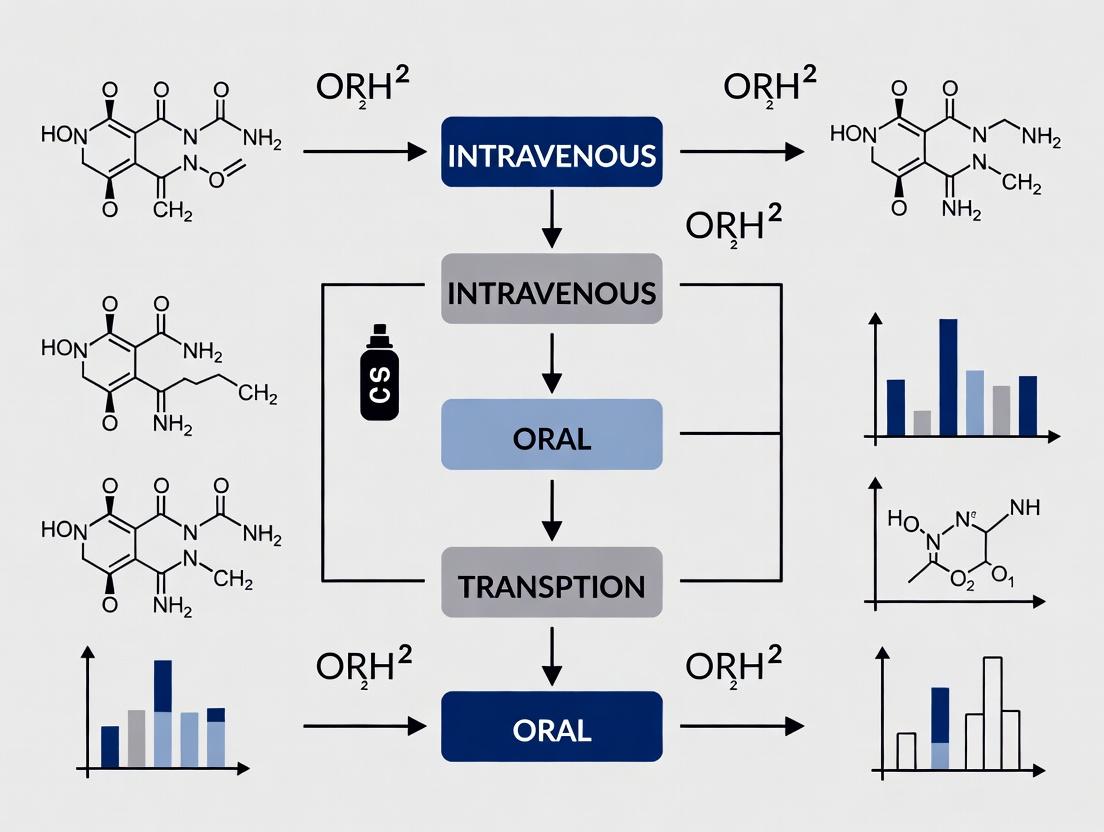
This article provides a comprehensive analysis for researchers and drug development professionals on the pharmacokinetic and pharmacodynamic complexities of drug interactions during the critical IV to oral transition phase.
Optimizing IV to Oral Transition: A Research-Focused Guide to Predicting and Managing Complex Drug Interactions
Abstract
This article provides a comprehensive analysis for researchers and drug development professionals on the pharmacokinetic and pharmacodynamic complexities of drug interactions during the critical IV to oral transition phase. It explores foundational mechanisms, details methodological approaches for prediction and modeling, offers troubleshooting strategies for high-risk scenarios, and validates these approaches through comparative analysis of therapeutic drug monitoring and model-informed precision dosing. The scope is designed to bridge preclinical discovery with clinical application, emphasizing the mitigation of efficacy loss and toxicity risks.
Decoding the Pharmacokinetic Puzzle: Core Mechanisms of Interaction During IV to Oral Switch
Technical Support Center
Troubleshooting Guide: Common Issues in Transition Window Studies
Issue 1: Unexpected plasma concentration spikes after oral switch.
- Potential Cause: Saturation of first-pass metabolism or gut-wall transporters (e.g., P-glycoprotein) due to a perpetrator drug introduced during the transition.
- Diagnosis Step: Check the concomitant medication log for drugs known to inhibit CYP3A4 (e.g., ketoconazole) or P-gp (e.g., verapamil) initiated just prior to or during the transition.
- Action: Re-assay samples with a broader standard curve. Initiate a parallel in vitro transporter inhibition assay.
Issue 2: Greater-than-predicted drop in systemic exposure post-IV cessation.
- Potential Cause: Induction of metabolic enzymes (e.g., CYP induction by rifampin) that only becomes fully apparent when the continuous IV infusion stops, and the orally administered drug is subject to pre-systemic metabolism.
- Diagnosis Step: Review study subject history for enzyme-inducing agents administered in the days before the transition window. Analyze biomarker ratios (e.g., 6β-hydroxycortisol/cortisol) from pre- and post-transition urine samples.
- Action: Perform a population PK analysis incorporating an "induction offset" time parameter.
Issue 3: High inter-subject variability in oral bioavailability (F) during transition studies.
- Potential Cause: Uncontrolled gastric pH affecting the solubility of a weakly basic/acidic drug, compounded by IV-to-oral protocol timing.
- Diagnosis Step: Audit records of proton-pump inhibitor (PPI) or H2 antagonist administration relative to first oral dose.
- Action: Implement a standardized gastric acid suppression protocol or stratify subjects by antacid use in the analysis.
Frequently Asked Questions (FAQs)
Q1: How do we formally define the "Transition Window" for pharmacokinetic (PK) analysis? A1: The Transition Window is the period spanning from the cessation of intravenous therapy to the point where steady-state plasma concentrations are re-established on the oral regimen. It is not merely the first oral dose. PK sampling must continue for at least 5 half-lives post-first oral dose to capture the new equilibrium.
Q2: Why is the interaction risk unique during this window? A2: The risk is unique due to the non-steady-state condition and the shifting contribution of clearance pathways. A drug's exposure is simultaneously determined by changing factors: declining IV contribution, rising oral input, and pre-systemic extraction (gut and liver) that is now vulnerable to modulation by interacting substances. This creates a dynamic "vulnerability zone."
Q3: Which key pharmacokinetic parameters are most critical to monitor? A3: The parameters in the table below are essential.
Table 1: Key PK Parameters for Transition Window Interaction Risk Assessment
| Parameter | Symbol | Definition | Why It's Critical During Transition |
|---|---|---|---|
| Absolute Bioavailability | F | Fraction of oral dose reaching systemic circulation (AUCpo/AUCiv). | Directly measures the net effect of first-pass loss. Changes here indicate interaction at gut/liver. |
| Apparent Clearance (Oral) | CL/F | Clearance normalized by bioavailability. | A change in CL/F without a change in IV clearance (CL) pinpoints an interaction affecting F. |
| Time to Reach Oral Css | T_ss,oral | Time to reach 90% of new steady-state on oral dosing. | The transition window duration. Prolongation suggests an interaction affecting accumulation. |
| Peak-to-Trough Fluctuation | PTF | (Cmax - Cmin)/C_avg at oral steady-state. | Increased PTF can signal impaired absorption or altered metabolism, increasing toxicity/inefficacy risk. |
Q4: What is a robust experimental protocol to identify an interaction during the transition? A4: Protocol for Assessing a Perpetrator Drug's Impact on the IV-to-Oral Transition
Title: Sequential PK Study with Introduced Perpetrator.
Objective: To quantify the effect of Drug P (perpetrator) on the bioavailability and PK of Drug T (target) during its IV-to-oral transition.
Design: Open-label, fixed-sequence, two-period study in healthy volunteers (n=12-16).
Period 1 (Reference):
- Day 1-3: IV infusion of Drug T to steady-state.
- Day 4: Switch to oral dosing of Drug T, continue through Day 8. Intensive PK sampling on Day 3 (IV SS) and Day 8 (Oral SS).
Washout: Sufficient for elimination of Drug T (≥5 half-lives).
Period 2 (Test with Perpetrator):
- Day 1-3: Pre-treatment with perpetrator Drug P to steady-state.
- Day 4-6: IV infusion of Drug T to steady-state while continuing Drug P.
- Day 7: Switch to oral dosing of Drug T, continue both drugs through Day 11. Intensive PK sampling on Day 6 (IV SS + P) and Day 11 (Oral SS + P).
Bioanalysis: Validated LC-MS/MS for both drugs. Endpoint: Compare F, CL/F, and AUC ratios between Periods 1 and 2.
Q5: What are essential reagents and tools for these studies?
Table 2: Research Reagent Solutions Toolkit
| Item | Function in Transition Studies |
|---|---|
| Stable Isotope-Labeled Internal Standards | Essential for LC-MS/MS bioanalysis to ensure accurate quantification of drug concentrations in complex matrices during changing PK states. |
| Recombinant CYP Enzymes & Transporter-Expressing Cell Lines (e.g., Caco-2, MDCK-MDR1) | For in vitro screening to predict if a drug is a victim of metabolism/transport, identifying potential interaction mechanisms. |
| Specific Chemical Inhibitors (e.g., GF120918 for P-gp, Ketoconazole for CYP3A4) | Used in in vitro assays to confirm the involvement of specific pathways in a drug's disposition. |
| Physiologically-Based PK (PBPK) Modeling Software | To simulate and predict the complex, time-dependent PK during the transition window and plan sampling schedules. |
Visualizations
Diagram 1: Key Pathways Affecting Oral Drug Bioavailability (F)
Diagram 2: Transition Window PK Study Workflow
Technical Support Center
Troubleshooting Guide & FAQs
Q1: During our IV-to-oral switch study in a perfused liver model, we observe a much higher than predicted oral bioavailability for our drug candidate. Initial in vitro data suggested high CYP3A4 metabolism. What are the most likely experimental causes?
A: This discrepancy often stems from inaccurate in vitro to in vivo extrapolation (IVIVE). Key troubleshooting steps:
- Check Incubation Conditions: Confirm your microsomal or hepatocyte incubations included NADPH at sufficient concentrations (e.g., 1 mM) for full CYP450 activity. Omission leads to underestimated clearance.
- Verify Protein Binding: Ensure your in vitro metabolic stability assays used physiologically relevant protein concentrations (e.g., 1% human serum albumin). High unbound fraction in vitro overestimates metabolic rate.
- Assess Transporter Interplay: Your drug may be a substrate for hepatic uptake transporters (e.g., OATP1B1/1B3) and CYP3A4. If uptake is rate-limiting in vivo, metabolism appears lower. Perform transporter inhibition studies alongside CYP inhibition.
- Confirm Enzyme Source: Recombinant CYP3A4 systems lack native membrane environment and accessory proteins (e.g., cytochrome b5) which can alter kinetics. Cross-validate using human liver microsomes or hepatocytes.
Q2: Our Caco-2 permeability assay shows high apparent permeability (Papp), but in vivo studies indicate poor, variable oral absorption, suggesting P-gp efflux. Why did the Caco-2 model fail to predict this?
A: Caco-2 cells can under-express or variably express transporters. Follow this diagnostic protocol:
- Assay Validation: Run a positive control (e.g., Digoxin for P-gp, Rosuvastatin for BCRP) concurrently with your test article. If efflux ratio (Papp(B-A)/Papp(A-B)) is <2 for the control, your cell monolayer is not functionally expressing transporters.
- Inhibition Studies: Repeat the assay with a selective inhibitor (e.g., Zosuquidar for P-gp, Ko143 for BCRP). A significant increase in B-A permeability confirms transporter activity missed in the initial screen.
- Check pH: For weak bases, perform assays at physiologically relevant pH (donor pH 6.5, acceptor pH 7.4) to unmask efflux effects that may be neutralized at standard pH 7.4 on both sides.
Q3: When using chemical inhibitors (e.g., ketoconazole) in hepatocyte studies to delineate CYP contribution, we get inconsistent results between lots. How can we standardize this?
A: Chemical inhibitor specificity and potency vary. Implement this standardized protocol:
- Use Selective Probe Substrates: First, characterize each hepatocyte lot with isoform-specific probe reactions (see Table 1).
- Pre-incubate Inhibitors: Pre-incubate hepatocytes with the inhibitor (e.g., ketoconazole for CYP3A4) for 15-30 minutes before adding the substrate. This is critical for mechanism-based inhibitors.
- Employ Multiple Inhibitors: Confirm findings with a structurally different inhibitor (e.g., use Itraconazole and Ketoconazole for CYP3A4) to rule off-target effects.
- Move to Recombinant Systems: For definitive reaction phenotyping, use a panel of individual recombinant CYP isozymes (rCYP) as a follow-up experiment.
Q4: In a clinical DDI study, co-administration with a known P-gp inhibitor increased our drug's AUC as expected, but also altered its metabolic profile, suggesting CYP inhibition. How do we deconvolute this in preclinical models?
A: This indicates your drug is a dual substrate, and the inhibitor is non-selective. A mechanistic workflow is required:
- Parallel Artificial Membrane Permeability Assay (PAMPA): Determine intrinsic passive transcellular permeability to establish baseline.
- Transfected Cell Lines: Use single-transfected systems (e.g., MDCK-II overexpressing only P-gp or only BCRP) to isolate transporter effects.
- Hepatocyte Co-incubation: Use hepatocytes to assess metabolism. First, inhibit transporters (e.g., with Elacridar, a dual P-gp/BCRP inhibitor) to see remaining metabolic rate. Then add a CYP inhibitor to parse the contribution.
- See Diagram 1: "Deconvolution of Transporter-Enzyme Interplay" for the experimental decision tree.
Research Reagent Solutions Toolkit
| Reagent / Material | Function in Experiment |
|---|---|
| Human Liver Microsomes (Pooled) | Contains the full complement of human CYP450 enzymes for intrinsic clearance and reaction phenotyping studies. |
| Cryopreserved Human Hepatocytes | Gold-standard cell-based system for integrated metabolism (Phase I/II) and transporter studies; maintains physiological enzyme and transporter expression. |
| Transfected Cell Lines (MDCK-II, LLC-PK1) | Cells engineered to overexpress a single human transporter (e.g., P-gp, BCRP, OATP1B1) for unambiguous substrate/ inhibitor identification. |
| Recombinant CYP Isozymes (rCYP) | Individual human CYP enzymes (CYP3A4, 2D6, 2C9, etc.) expressed in a standardized system (e.g., baculovirus) for definitive reaction phenotyping. |
| Selective Chemical Inhibitors | Tools to inhibit specific pathways (e.g., Ketoconazole (CYP3A4), Quinidine (CYP2D6), Zosuquidar (P-gp), Ko143 (BCRP)). |
| LC-MS/MS System | Essential analytical platform for quantifying drugs and their metabolites in complex biological matrices with high sensitivity and specificity. |
Table 1: Major Human CYP450 Isozymes: Key Probes & Contribution
| CYP Isozyme | % of Hepatic CYP | Typical Probe Substrate | IC50 for Potent Inhibitor |
|---|---|---|---|
| CYP3A4/5 | ~30% | Midazolam, Testosterone | Ketoconazole (CYP3A4): ~0.02 µM |
| CYP2D6 | ~2-4% | Dextromethorphan, Bufuralol | Quinidine: ~0.1 µM |
| CYP2C9 | ~10% | Diclofenac, S-Warfarin | Sulfaphenazole: ~0.5 µM |
| CYP2C19 | ~<5% | S-Mephenytoin, Omeprazole | Ticlopidine: ~0.5 µM |
| CYP1A2 | ~10% | Phenacetin, Theophylline | Furafylline: ~0.2 µM |
Table 2: Key Drug Transporters in Oral Bioavailability & Hepatic Clearance
| Transporter | Primary Tissue Location | Direction | Model Substrate | Potent Inhibitor |
|---|---|---|---|---|
| P-glycoprotein (P-gp/ABCD1) | Intestine, Liver, BBB | Efflux | Digoxin, Loperamide | Zosuquidar (IC50 ~0.06 µM) |
| Breast Cancer Resistance Protein (BCRP/ABCG2) | Intestine, Liver, Placenta | Efflux | Rosuvastatin, Sulfasalazine | Ko143 (IC50 ~0.01 µM) |
| Organic Anion Transporting Polypeptide 1B1 (OATP1B1) | Liver (Basolateral) | Uptake | Pitavastatin, Rifampin | Rifamycin SV (IC50 ~0.2 µM) |
| Organic Cation Transporter 1 (OCT1) | Liver (Basolateral) | Uptake | Metformin | Quinidine (IC50 ~5 µM) |
Experimental Protocols
Protocol 1: Delineating CYP Isozyme Contribution Using Chemical Inhibition in Human Liver Microsomes (HLM)
- Objective: To estimate the fraction metabolized (fm) by a specific CYP pathway.
- Materials: Pooled HLM, NADPH regenerating system, selective chemical inhibitors, substrate drug, LC-MS/MS.
- Procedure:
- Prepare incubation mixtures (0.1 M phosphate buffer, pH 7.4) containing HLM (0.5 mg/mL protein) and substrate at ~Km concentration.
- Pre-incubate with/without selective inhibitor at reported IC50 or Ki concentration for 5 min at 37°C.
- Initiate reaction with NADPH system. Incubate for linear time (e.g., 10-30 min).
- Terminate with acetonitrile containing internal standard.
- Analyze by LC-MS/MS for parent compound depletion.
- Calculate % inhibition = (1 - (Activity with inhibitor/Activity without inhibitor)) * 100. This approximates the CYP's contribution.
Protocol 2: Assessing P-gp & BCRP Efflux in Transfected Cell Monolayers
- Objective: To confirm if a drug is a substrate for P-gp or BCRP.
- Materials: MDCK-II cells stably transfected with human MDR1 (P-gp) or ABCG2 (BCRP), corresponding parental cell line, transport buffer.
- Procedure (Bidirectional Assay):
- Seed cells on permeable filters and culture for 4-5 days to form confluent monolayers (TEER > 300 Ω·cm²).
- Add test article to donor compartment (A-B: Apical; B-A: Basolateral). Include control substrates.
- Incubate (e.g., 37°C, 2 hrs). Sample from both donor and receiver compartments.
- Analyze samples by LC-MS/MS.
- Calculate Apparent Permeability (Papp) and Efflux Ratio (ER).
- Interpretation: ER (Transfected) > 2 and significantly higher than ER (Parental) confirms substrate status.
Visualizations
Title: Deconvolution of Transporter-Enzyme Interplay
Title: Oral Drug Pathway: Gut & Hepatic First-Pass
The Impact of Formulation Excipients on Oral Absorption and Interaction Potential
Technical Support Center: Troubleshooting Excipient-Drug Interaction Research
FAQ & Troubleshooting Guide
Q1: In my biorelevant dissolution test, the API concentration is lower than expected when using a surfactant-containing formulation (e.g., SLS, Polysorbate 80). What could be the cause?
A: This is a classic sign of excipient-mediated micellar entrapment. Surfactants above their critical micelle concentration (CMC) can solubilize the drug within micelles, making it temporarily unavailable for absorption across the artificial membrane.
- Troubleshooting Steps:
- Confirm CMC: Measure the CMC of your surfactant in the specific biorelevant medium (e.g., FaSSIF, FeSSIF) using a conductivity or surface tension probe. Ensure your concentration is above the CMC.
- Ultrafiltration: Centrifuge a sample of your dissolution medium using a centrifugal ultrafilter (e.g., 10 kDa MWCO). Compare the drug concentration in the filtrate (free drug) to the total concentration. A significant difference confirms micellar entrapment.
- Adjust Protocol: Consider reducing the surfactant concentration to below its CMC or switching to a different wetting agent (e.g., vitamin E TPGS, which has a very low CMC).
Q2: During permeability studies (e.g., Caco-2, PAMPA), my formulation with permeation enhancers (e.g., Capmul MCM, sodium caprate) shows high variability and sometimes cytotoxic effects. How can I optimize this?
A: Permeation enhancers are often cytotoxic at effective concentrations. The key is balancing efficacy with cell viability.
- Troubleshooting Steps:
- Pre-Treatment vs. Co-Incubation: Test a short pre-treatment (e.g., 20-30 minutes) followed by removal of the enhancer solution before introducing the drug. This can reduce prolonged exposure.
- Concentration Gradient: Perform a detailed cytotoxicity assay (e.g., MTT, LDH) to establish a non-toxic threshold concentration for your cell line.
- Tight Junction Integrity Monitoring: Always include a transepithelial electrical resistance (TEER) measurement or a fluorescent paracellular marker (e.g., Lucifer Yellow) to confirm that enhancement is not purely due to monolayer disruption.
Q3: I suspect a precipitation interaction between my drug and a polymeric precipitation inhibitor (e.g., HPMC-AS) in the gut. How can I model this dynamically?
A: This requires a transfer model simulating gastric-to-intestinal transition.
- Experimental Protocol: Transfer Model
- Setup: Use a two-compartment apparatus (e.g., USP Apparatus II with a pH-shift setup). The "gastric" compartment contains 0.1N HCl with the dissolved drug product.
- Simulated Intestinal Transfer: Initiate a peristaltic pump to transfer the gastric contents at a controlled rate (e.g., 1-2 mL/min) into the "intestinal" compartment containing pre-warmed biorelevant intestinal medium (FaSSIF V2 or FeSSIF V2) at pH 6.5.
- Monitoring: Use an in-situ fiber optic probe or automated sampling to monitor concentration in the intestinal compartment over time. Compare formulations with and without the polymer.
- Analysis: A successful polymer will maintain supersaturation, showing a higher area under the concentration-time curve (AUC) compared to the control.
Q4: How do I systematically screen for pharmacokinetic interactions between common excipients and transporter substrates (e.g., P-gp, OATP2B1)?
A: Employ a tiered screening approach using transfected cell systems.
- Detailed Methodology:
- Primary Screen (Inhibition Potential): Use transfected MDCKII or HEK293 cells overexpressing a single human transporter (e.g., P-gp, BCRP, OATP2B1). Incubate cells with a known fluorescent probe substrate (see table below) in the presence and absence of the excipient at a physiologically relevant concentration. Measure fluorescence (uptake or efflux). >20% change indicates interaction potential.
- Secondary Screen (Mechanism): For positive hits, conduct concentration-dependent inhibition studies to calculate an IC50 value.
- Tertiary Confirmation (Bidirectional Transport): Perform full bidirectional transport assays across Caco-2 or transfected monolayers with the excipient and your specific API to determine efflux ratio changes.
Quantitative Data Summary
Table 1: Common Excipients and Their Interaction Potential with Absorption Pathways
| Excipient Category | Example | Primary Mechanism | Key Interaction Risk (Quantitative Example) | Recommended Test System |
|---|---|---|---|---|
| Surfactants | Sodium Lauryl Sulfate (SLS) | Micellar Entrapment / P-gp Inhibition | Can reduce free drug conc. by up to 40% in FaSSIF; May inhibit P-gp at >0.1 mg/mL. | Biorelevant Dissolution; MDCKII-MDR1 |
| Polymeric Inhibitors | HPMC-AS | Supersaturation Maintenance | Can increase intestinal AUC by 2-5 fold for weak bases. | pH-Shift Dissolution; Transfer Model |
| Permeation Enhancers | Sodium Caprate | Tight Junction Modulation | Can increase paracellular flux of mannitol by 3-10x; Cytotoxic above 8.5 mM in Caco-2. | Caco-2 with TEER/LDH |
| P-gp Inhibiting Solubilizers | Vitamin E TPGS, Cremophor EL | Transporter Inhibition | TPGS (0.01% w/v) can reduce Digoxin efflux ratio in Caco-2 from ~3.5 to ~1.2. | Bidirectional Caco-2/MDCKII-MDR1 |
| Chelating Agents | EDTA, Citric Acid | Divalent Cation Chelation | May increase permeability of some APIs by 1.5-2x; Can affect enzyme stability. | PAMPA with metal buffers |
Table 2: Probe Substrates for Key Intestinal Transporters in Screening Assays
| Transporter | Recommended Probe Substrate | Assay Readout |
|---|---|---|
| P-glycoprotein (P-gp/ABCB1) | Digoxin, Rhodamine 123 | LC-MS/MS, Fluorescence |
| Breast Cancer Resistance Protein (BCRP/ABCG2) | Mitoxantrone, Pheophorbide A | Fluorescence |
| Organic Anion Transporting Polypeptide 2B1 (OATP2B1) | Estrone-3-sulfate, Dehydroepiandrosterone Sulfate (DHEAS) | LC-MS/MS |
| Organic Cation Transporter 1 (OCT1) | Metformin | LC-MS/MS, Radioactivity |
The Scientist's Toolkit: Key Research Reagent Solutions
| Item | Function/Application |
|---|---|
| Biorelevant Media Powders (FaSSIF/FeSSIF V2) | Simulates fasted and fed state intestinal fluids for predictive dissolution testing. |
| Transwell Plates (e.g., 24-well, 0.4µm pore) | Standard platform for running Caco-2 and transfected cell monolayer permeability assays. |
| LC-MS/MS System | Gold-standard for quantifying low concentrations of drugs and probes in complex matrices from dissolution or cellular assays. |
| In-situ Fiber Optic Dissolution System | Enables real-time, non-invasive concentration monitoring in precipitation and transfer model experiments. |
| Transfected Cell Lines (e.g., MDCKII-MDR1, HEK293-OATP2B1) | Essential for isolating and studying the effect of excipients on specific human transport proteins. |
| Centrifugal Ultrafilters (10 kDa MWCO) | Used to separate free drug from micelle-bound drug in surfactant-containing solutions. |
Visualizations
Title: Excipient Interaction Risk Screening Workflow
Title: Key Excipient Mechanisms at Intestinal Barrier
Technical Support Center
This support center provides troubleshooting guidance for researchers investigating the complex drug interactions inherent to the IV to oral transition of high-risk drug classes. A focus on precise pharmacokinetic (PK) and pharmacodynamic (PD) assessment is critical for a successful thesis on this topic.
FAQs & Troubleshooting Guides
Q1: During our in-vitro CYP450 inhibition assay for a new oral azole antifungal, the positive control (ketoconazole) shows unexpectedly low inhibition. What could be wrong? A: This indicates a potential assay validity issue.
- Step 1: Verify Reagent Integrity. Check the preparation date of your fluorescent or LC-MS/MS probe substrate and the positive control stock solution. Degradation is common. Prepare fresh solutions from powder.
- Step 2: Calibrate Microsomal Protein Concentration. Overly high microsomal protein concentration can lead to non-specific binding, reducing observed inhibition. Re-titrate using a range of 0.1-0.5 mg/mL.
- Step 3: Confirm Incubation Conditions. Ensure proper pre-incubation of the inhibitor with the enzyme system (NADPH-regenerating system) before substrate addition, as recommended for mechanism-based inhibitors.
Q2: We are modeling the drug-drug interaction (DDI) risk between an oral mTOR immunosuppressant and a P-gp inhibitor. Our Caco-2 permeability results are highly variable. How can we stabilize the assay? A: Variability often stems from cell monolayer integrity.
- Step 1: Standardize Passage Number. Use Caco-2 cells within a confined passage range (e.g., passages 25-40). Document passage number for every experiment.
- Step 2: Enforce QC for Monolayer Integrity. Measure Transepithelial Electrical Resistance (TEER) immediately before and after each experiment. Accept only monolayers with TEER > 300 Ω·cm². Include a control for Lucifer Yellow permeability (should be < 1% per hour).
- Step 3: Control for Non-Specific Binding. Pre-saturate apparatus and tubing with your drug solution, as hydrophobic immunosuppressants often bind to plastics.
Q3: When using physiologically based pharmacokinetic (PBPK) software to simulate oral absorption of a tyrosine kinase inhibitor (TKI) with pH-dependent solubility, the model underpredicts clinical exposure. What key parameters should we re-examine? A: This points to mis-specified dissolution or gut metabolism parameters.
- Step 1: Refine Dissolution Profile. Re-run solubility tests at multiple physiologically relevant pH values (1.5, 4.5, 6.5). Use biorelevant media (FaSSIF/FeSSIF) instead of simple buffers. Input the full pH-dissolution profile into the PBPK model.
- Step 2: Consider Gut Wall Metabolism. Check literature for evidence of first-pass gut metabolism via CYP3A4 or UGTs. Incorporate in-vitro intrinsic clearance data from human intestinal microsomes, not just hepatic.
- Step 3: Verify API Particle Size Distribution. The default model setting may assume a standard particle size. Incorporate the actual D90 value from your formulated drug substance.
Q4: Our LC-MS/MS method for simultaneous quantification of an IV prodrug and its active oral metabolite shows ion suppression for the metabolite. How can we resolve this? A: Ion suppression indicates matrix interference.
- Step 1: Improve Chromatographic Separation. Adjust the gradient elution to increase the retention time difference between the interfering matrix component (often phospholipids eluting early) and your analyte. Use a specialized column (e.g., HILIC, or a column with charged surface hybrid technology).
- Step 2: Optimize Sample Clean-up. Switch from protein precipitation to a more selective method like solid-phase extraction (SPE).
- Step 3: Use a Stable Isotope-Labeled Internal Standard (SIL-IS). A SIL-IS for the metabolite will co-elute with it and correct for suppression/enhancement effects.
Key Experimental Protocols
Protocol 1: Time-Dependent CYP3A4 Inhibition (TDI) Assay Purpose: To identify irreversible enzyme inhibition, a major risk for azole antifungals and some kinase inhibitors.
- Incubation Setup: Prepare two sets of human liver microsomes (0.2 mg/mL) with test drug at multiple concentrations in potassium phosphate buffer (pH 7.4). Set A receives NADPH-regenerating system immediately. Set B is pre-incubated with NADPH for 30 minutes.
- Dilution: After pre-incubation, dilute both sets 10-fold into a secondary mixture containing a specific CYP3A4 probe substrate (e.g., midazolam) at its Km concentration and NADPH.
- Reaction & Quench: Incubate for 5-10 minutes, then quench with cold acetonitrile containing internal standard.
- Analysis: Quantify metabolite formation (1'-OH midazolam) via LC-MS/MS.
- Calculation: Compare metabolite formation in Set A vs. Set B. A significant reduction in Set B indicates time-dependent inhibition.
Protocol 2: P-gp Efflux Ratio Determination in MDCK-II MDR1 Cells Purpose: To assess if a drug is a P-gp substrate, influencing its oral bioavailability and DDI potential.
- Cell Culture: Seed MDCK-II cells transfected with human MDR1 gene on 24-well transwell inserts. Culture for 5-7 days until TEER > 1500 Ω·cm².
- Dosing: Add HBSS buffer (pH 7.4) to donor and receiver compartments. Add test drug to the apical (A) side for A>B transport, or to the basal (B) side for B>A transport.
- Sampling: Take samples from the receiver compartment at 30, 60, 90, and 120 minutes. Replace with fresh buffer.
- Inhibition Control: Repeat experiment with a potent P-gp inhibitor (e.g., zosuquidar) in both compartments.
- Analysis: Quantify drug concentration by LC-MS/MS. Calculate Papp (apparent permeability) and Efflux Ratio (ER = Papp(B>A)/Papp(A>B)). An ER > 2 that diminishes with inhibitor confirms P-gp substrate status.
Visualizations
Key Barriers in Oral Drug Absorption & Metabolism
IV to Oral Transition Research Workflow
The Scientist's Toolkit: Key Research Reagent Solutions
| Reagent/Material | Function in IV to Oral DDI Research |
|---|---|
| Human Liver Microsomes (HLM) & Intestinal Microsomes (HIM) | Enzyme sources for in-vitro CYP450 and UGT metabolism, inhibition, and stability studies. |
| Recombinant CYP450 Isoenzymes | For definitive reaction phenotyping to identify specific enzymes responsible for drug metabolism. |
| Transfected Cell Lines (MDCK-II/Caco-2 with MDR1, BCRP, etc.) | Essential for assessing drug permeability and identifying transporter-mediated substrate/DDI risks. |
| Biorelevant Dissolution Media (FaSSIF, FeSSIF) | Simulates intestinal fluids to provide clinically relevant solubility and dissolution profiles for PBPK modeling. |
| Stable Isotope-Labeled Internal Standards (SIL-IS) | Critical for accurate LC-MS/MS bioanalysis to correct for matrix effects and recovery variability. |
| Selective Chemical Inhibitors (e.g., Ketoconazole, Verapamil, Zosuquidar) | Used as positive controls or tools to delineate specific metabolic/transporter pathways in in-vitro systems. |
| NADPH Regenerating System | Cofactor required for all oxidative metabolism reactions catalyzed by CYP450 enzymes. |
Quantitative Data Summary: Key DDI Risk Parameters for High-Risk Classes
Table 1: Common Drug Interaction Risks & Magnitude Indicators
| Drug Class | Primary Enzyme | Common Inhibitor (Effect) | Common Inducer (Effect) | Typical AUC Change |
|---|---|---|---|---|
| Azole Antifungals | CYP3A4 (Strong Inhibitor) | Itraconazole, Voriconazole | Rifampin | ↑ Substrate AUC by 3-10x (Inhibition) ↓ Itraconazole AUC by >90% (Induction) |
| Calcineurin Inhibitors | CYP3A4/P-gp (Substrate) | Clarithromycin, Fluconazole | Rifampin, St. John's Wort | ↑ Tacrolimus AUC by 5x (Inhibition) ↓ Tacrolimus AUC by 90% (Induction) |
| Tyrosine Kinase Inhibitors | CYP3A4/Transporters | Ketoconazole, Ritonavir | Rifampin | ↑ Ibrutinib AUC by 20-30x (Inhibition) ↓ Imatinib AUC by 70% (Induction) |
| mTOR Inhibitors | CYP3A4/P-gp (Substrate) | Posaconazole, Verapamil | Carbamazepine | ↑ Sirolimus AUC by 10x (Inhibition) ↓ Sirolimus AUC by 80% (Induction) |
Table 2: In-vitro Assay Thresholds for DDI Risk Prediction
| Assay Type | Parameter | Threshold for Positive | Regulatory Guidance |
|---|---|---|---|
| Reversible CYP Inhibition | IC50 / [I] | [I]max,u / IC50 ≥ 0.1 | FDA/EMA recommend follow-up |
| Time-Dependent Inhibition | Kinact/KI | Kinact/KI > 0.1 mL/min/nmol | FDA/EMA recommend follow-up |
| P-gp Substrate | Efflux Ratio (ER) | ER ≥ 2 (with inhibitor reversal) | FDA recommends clinical eval |
| P-gp Inhibition | IC50 | [I]1,u / IC50 ≥ 0.1 or [I]2 / IC50 ≥ 10 | FDA recommends clinical eval |
From Bench to Bedside: Methodologies for Predicting and Modeling Transition Phase Interactions
In Vitro to In Vivo Extrapolation (IVIVE) Strategies for Interaction Prediction
Troubleshooting Guides & FAQs
FAQ: Core Concepts & Common Pitfalls
Q1: Our IVIVE-predicted oral AUC for a drug in the presence of an inhibitor is consistently under-predicted compared to clinical observations. What are the likely sources of this error?
A: Under-prediction during interaction IVIVE often stems from inaccurate scaling factors or missed mechanisms.
- Check your Fraction Metabolized (fm) value: An underestimated fm for the inhibited pathway leads to under-predicted interaction magnitude. Use multiple in vitro probe substrates to refine the fm estimate.
- Verify Inhibitor [I]: The choice of inhibitor concentration ([I]) is critical. For reversible inhibition, use maximum unbound hepatic inlet concentration (Iin,max,u) as a conservative estimate. Consider incorporating gut inhibition if the drug has high oral bioavailability.
- Review Model Assumptions: The static "[I]/Ki" model has limitations. For time-dependent inhibitors, consider incorporating kinact and KI parameters. A dynamic physiologically based pharmacokinetic (PBPK) model may be necessary for complex scenarios.
Q2: When transitioning from IV to oral IVIVE for an inducer, how do we handle the time-dependent change in enzyme activity?
A: Enzyme induction introduces a temporal component that static models cannot address.
- Protocol: Use a dynamic PBPK framework. Input parameters must include in vitro induction parameters (EC50, Emax) from human hepatocytes. The model must simulate the pre-dosing period with the inducer to allow enzyme levels to reach a new steady-state before administering the victim drug.
- Troubleshooting: If predictions are off, verify the translation of in vitro Emax to in vivo fold-increase. The in vitro system may not fully capture the maximal induction potential. A system-specific scaling factor may be required.
Q3: Our lab's results for CYP3A4 inhibition potency (Ki) show high variability, affecting IVIVE confidence. How can we standardize this?
A: Variability often arises from pre-analytical and analytical factors.
- Standardized Protocol:
- Substrate Concentration: Use probe substrate at concentration ≈ Km (e.g., Midazolam at 1-3 µM for CYP3A4).
- Pre-incubation: For time-dependent inhibitors (TDI), include a pre-incubation step (e.g., 30 min) of the inhibitor with NADPH and enzyme before adding substrate.
- Positive Controls: Always run parallel assays with a known inhibitor (e.g., Ketoconazole for reversible CYP3A4 inhibition).
- Replication: Perform experiments in triplicate across at least three independent runs.
- Analytical Method: Use LC-MS/MS with a stable isotopically labeled internal standard for each analyte to minimize analytical variability.
Troubleshooting: Technical Failures
Q4: During hepatocyte incubation for induction studies, cell viability drops significantly after 72 hours, compromising results.
A:
- Cause: Media exhaustion, bacterial contamination, or inappropriate culture conditions.
- Solution:
- Media Change: Replace 50-70% of the culture medium every 24 hours.
- Antibiotics: Use a penicillin-streptomycin or gentamicin supplement.
- Matrix: Consider sandwich-cultured hepatocytes or spheroid models for long-term culture stability. Ensure the incubator maintains 5% CO2 at 37°C with high humidity.
Q5: The predicted vs. observed interaction magnitude (AUC ratio) is accurate for some CYPs but not for others (e.g., CYP2D6 vs. CYP2C9).
A:
- Diagnosis: This suggests enzyme-specific scaling issues.
- Action:
- Verify the Relative Expression Factor (REF) and Intersystem Activity Factor (ISEF) used for each specific CYP isoform. These are not interchangeable.
- Confirm the enzyme abundance (pmol/mg protein) value used in the scaling calculation is current and from a comparable tissue source.
- For CYP2C9, consider genetic polymorphism data; is the in vitro system reflective of the population's major genotype?
Table 1: Common In Vitro Parameters for IVIVE of Drug Interactions
| Parameter | Symbol | Typical In Vitro Assay | Critical Consideration for IVIVE |
|---|---|---|---|
| Inhibition Constant | Ki | Recombinant CYP Incubation | Use unbound Ki (Ki,u). Distinguish competitive vs. non-competitive. |
| Inactivation Constant | KI | Time-dependent pre-incubation | Must be paired with kinact. |
| Max. Inactivation Rate | kinact | Time-dependent pre-incubation | Often more reliable than KI for scaling. |
| Half-maximal Inducer Conc. | EC50 | Cultured Human Hepatocytes | Use unbound concentration. System-dependent variability is high. |
| Max. Induction Effect | Emax | Cultured Human Hepatocytes | May need scaling to in vivo maximal fold increase. |
| Fraction Metabolized | fm | Reaction Phenotyping | Largest source of uncertainty. Use [14C]-label or specific antibodies for confidence. |
Table 2: Key Scaling Factors and Inputs for Static IVIVE Models (ROME, FDA)
| Factor | Description | Example Values & Sources |
|---|---|---|
| [I] | Inhibitor Concentration | Iin,max,u = [I]max,p + (kaDoseFa)/Qh. Use plasma Cmax for conservative reversible inhibition. |
| Enzyme Abundance | pmol enzyme per mg microsomal protein | CYP3A4: 137 pmol/mg (liver); 31 pmol/mg (intestine). Source: Quantitative Proteomics. |
| Scaling Factor | Microsomal Protein per Gram Liver | 40-50 mg microsomal protein/g liver. |
| Organ Weight/Flow | Physiological Scaling | Human Liver Weight: 25.7 g/kg bw; Hepatic Blood Flow: 20.7 mL/min/kg. |
Detailed Experimental Protocols
Protocol 1: Determination of Reversible Inhibition (Ki) Using Human Liver Microsomes (HLM)
Objective: To determine the inhibition constant (Ki) of a new molecular entity (NME) against a specific CYP450 isoform.
Methodology:
- Incubation Setup: Prepare HLM (0.1 mg/mL protein) in 100 mM phosphate buffer (pH 7.4).
- Substrate: Add a CYP-specific probe substrate at 5 concentrations spanning its Km (e.g., 0.5x, 1x, 2x, 5x Km).
- Inhibitor: Co-incubate with the NME at 4-5 concentrations (e.g., 0, 0.5x, 1x, 2x, 5x estimated Ki).
- Pre-incubation: Pre-warm mixture for 3 min at 37°C.
- Reaction Initiation: Start reaction by adding NADPH (1 mM final concentration). Incubate for a time within linear range (typically 5-15 min).
- Termination: Stop reaction with an equal volume of ice-cold acetonitrile containing internal standard.
- Analysis: Centrifuge, analyze supernatant via LC-MS/MS for metabolite formation rate.
- Data Analysis: Fit data to appropriate inhibition model (competitive, non-competitive, mixed) using nonlinear regression (e.g., GraphPad Prism) to calculate Ki.
Protocol 2: Assessing Time-Dependent Inhibition (TDI)
Objective: To characterize time-dependent inhibition (KI, kinact).
Methodology:
- Primary Incubation (Inactivation): Incubate HLM with NME (multiple concentrations) and NADPH in buffer at 37°C.
- Sampling: At multiple timepoints (e.g., 0, 5, 10, 15, 30 min), remove an aliquot.
- Dilution: Dilute aliquot 10-fold into a secondary mixture containing a high concentration of specific probe substrate (≈10x Km) and NADPH. This dilution minimizes further inhibition during the activity assay.
- Secondary Incubation (Activity Assay): Incubate for a short, linear period (e.g., 5 min) to measure remaining enzyme activity.
- Analysis: Measure metabolite formation. Plot residual activity (% of control) vs. pre-incubation time for each [I]. Fit the natural log of residual activity vs. time to obtain the observed inactivation rate (kobs) at each [I].
- Derivation: Plot kobs vs. [I] and fit to the equation: kobs = (kinact * [I]) / (KI + [I]) to determine KI and kinact.
Visualizations
Diagram 1: IVIVE for DDI Prediction Workflow
Diagram 2: Key Pathways in Enzyme Inhibition DDI
The Scientist's Toolkit: Key Research Reagent Solutions
Table 3: Essential Materials for IVIVE-Driven DDI Studies
| Item | Function & Application | Key Consideration |
|---|---|---|
| Cryopreserved Human Hepatocytes | Gold standard for induction studies and metabolite identification. | Pooled donors recommended to average polymorphism effects. Check viability (>80%) post-thaw. |
| Human Liver Microsomes (Pooled) | Primary system for inhibition (Ki) and reaction phenotyping assays. | Use a large donor pool (e.g., n=50) for generalizability. S9 fraction needed for UGT assays. |
| Recombinant CYP Enzymes (rCYP) | Isoform-specific reaction phenotyping and inhibition screening. | Co-express P450 reductase and cytochrome b5. Normalize activity to pmol P450. |
| LC-MS/MS System with Stable Isotopes | Quantification of probe metabolites and NME concentrations. | Use deuterated/internal standards for each analyte to ensure precision and accuracy. |
| PBPK Software Platform (e.g., GastroPlus, Simcyp, PK-Sim) | Dynamic integration of in vitro data for complex IVIVE and DDI prediction. | Model verification with clinical probe compounds is essential before NME application. |
| Specific Chemical Inhibitors & Antibodies | Confirmatory tools for reaction phenotyping to assign fm. | Use chemical inhibitors at isoform-specific concentrations. Antibodies provide immunoinhibition. |
Utilizing PBPK/PD Modeling to Simulate Transition Scenarios and Dose Adjustments
Technical Support Center
Troubleshooting Guides & FAQs
Q1: My PBPK model for IV administration predicts systemic concentrations accurately, but the simulated oral profile after transition consistently underestimates the observed Cmax. What could be the issue?
- A: This is a common calibration challenge. The discrepancy often lies in the oral absorption submodel. Key parameters to re-evaluate are:
- Solubility & Permeability: Ensure the biorelevant solubility (e.g., at FaSSIF/FeSSIF pH) is correctly parameterized, not just intrinsic solubility.
- First-Pass Metabolism: The gut wall metabolism (
Kgut) or hepatic extraction ratio may be mis-specified. Check if the compound is a substrate for intestinal CYP3A4 or UGT enzymes. - Transit Times: Consider using a compartmental absorption and transit (CAT) or advanced dissolution, absorption, and metabolism (ADAM) model instead of a simple first-order absorption lag time model.
- Protocol for Calibration: Isolate the absorption process by performing a parameter sensitivity analysis (PSA) on the mentioned variables. Refine them using observed oral pharmacokinetic data from healthy volunteer studies before applying the model to patient transition scenarios. Validate the updated model against a separate oral dataset.
- A: This is a common calibration challenge. The discrepancy often lies in the oral absorption submodel. Key parameters to re-evaluate are:
Q2: How should I incorporate a dynamically changing drug-drug interaction (DDI) during the IV to oral transition in my PBPK-PD model?
- A: Dynamic DDI requires time-dependent changes in enzyme/transporter activity. Follow this workflow:
- Develop a base PBPK model for both the object drug (therapy being transitioned) and the precipitant drug (e.g., a concomitant medication like ketoconazole).
- Incorporate an enzyme turnover model for the relevant CYP enzyme. Define the baseline synthesis rate (
kdeg) and the inhibitor'skinactorKIparameters. - Link the changing enzyme concentration over time to the metabolic clearance of the object drug in the liver or gut compartment.
- The PD model (e.g., an indirect response model) should then link the time-varying object drug concentration to the effect metric.
- Protocol: Simulate the IV phase with the object drug alone. Introduce the precipitant drug's dosing regimen prior to the oral transition to simulate enzyme inhibition induction. The transition simulation will now account for the altered metabolic capacity at the time of switch.
- A: Dynamic DDI requires time-dependent changes in enzyme/transporter activity. Follow this workflow:
Q3: When simulating dose adjustments for renal impaired patients during transition, my model fails. What data is critical to include?
- A: Renal impairment affects multiple physiological parameters beyond just glomerular filtration rate (GFR). A robust model must scale:
- Plasma Protein Levels: Albumin and alpha-1-acid glycoprotein (AAG) are often reduced.
- Hematocrit
- Organ Blood Flows (e.g., renal plasma flow).
- Non-Renal Clearance: Hepatic metabolic capacity may also be altered.
- Protocol: Use a population PBPK approach. Create virtual patient groups (e.g., mild, moderate, severe renal impairment) by systematically scaling the aforementioned parameters using established regression equations from the literature (e.g., [1]). Verify the model's performance by recovering published trends in exposure (AUC) for drugs cleared renally before implementing the transition scenario.
- A: Renal impairment affects multiple physiological parameters beyond just glomerular filtration rate (GFR). A robust model must scale:
Q4: What are the best practices for validating a PBPK/PD model intended for IV to oral transition dosing recommendations?
- A: Employ a stepwise, external validation strategy:
- Internal Validation: Ensure the model can predict IV and oral PK separately in the target population.
- Predict-Check-Validate:
- Predict: Use the finalized model to simulate the transition scenario and propose an optimal oral dose.
- Check: Compare simulated concentrations and PD effect markers (e.g., biomarker suppression) against observed data from a pilot transition study (if available).
- Validate: The ultimate test is to compare the model-proposed dose adjustment against clinical outcomes (e.g., efficacy/toxicity rates) from a subsequent, prospectively designed clinical study. Use metrics like prediction error and geometric mean fold error.
- A: Employ a stepwise, external validation strategy:
Quantitative Data Summary: Key Physiological Parameters for Renal Impairment Scaling
Table 1: Representative Scaling Factors for Virtual Population Building in Renal Impairment (Moderate, eGFR 30-59 mL/min)
| Physiological Parameter | Scaling Factor (vs. Healthy) | Source/Justification |
|---|---|---|
| Glomerular Filtration Rate (GFR) | 0.50 | Directly from eGFR category. |
| Renal Plasma Flow | 0.65 | Correlated reduction in renal blood flow. |
| Albumin Concentration | 0.85 | Literature-reported average decrease. |
| Hematocrit | 0.90 | Associated with reduced erythropoietin. |
| Hepatic CYP3A4 Activity | 0.80 | Some studies indicate mild reduction. |
The Scientist's Toolkit: Essential Research Reagent Solutions
Table 2: Key Reagents for In Vitro-In Vivo Extrapolation (IVIVE) in PBPK Modeling
| Item | Function in Context |
|---|---|
| Human Liver Microsomes (HLM) & Hepatocytes | To determine intrinsic metabolic clearance (CLint) and identify involved CYP enzymes for IVIVE to hepatic clearance. |
| Caco-2 or MDCK Cell Lines | To assess intestinal permeability (Peff) and identify transporter substrates (e.g., P-gp, BCRP). |
| FaSSIF & FeSSIF Media | Biorelevant media to measure solubility and dissolution rate, critical for predicting oral absorption. |
| Recombinant Human CYP Enzymes | To characterize reaction kinetics (Km, Vmax) for specific metabolic pathways. |
| Human Plasma | To determine drug-specific plasma protein binding (fu) for accurate free drug concentration estimation. |
Modeling Workflow Diagram
Title: PBPK/PD Workflow for Transition Dosing
Drug Interaction Pathways During Transition
Title: Key DDI Sites in Oral Transition
Integrating Gastrointestinal Physiology and Microbiome Data into Interaction Models
Technical Support & Troubleshooting Center
FAQ: General Modeling & Data Integration
Q1: Our PBPK model fails to recapitulate observed plasma concentrations after oral dosing, despite accurate IV data. What are the primary physiological parameters to re-examine? A: This often indicates a mis-specification of gastrointestinal (GI) physiology. Focus on these parameters, listed in order of priority:
- Gastric Emptying Time (GET): A key driver for initial absorption onset.
- Intestinal Transit Time (ITT): Influences the window for absorption.
- pH-dependent Solubility/Dissolution: Check compartment-specific pH (stomach ~1.5-3, duodenum ~6-6.5, colon ~6.5-7.5).
- Enterohepatic Recirculation: If relevant, its omission can cause under-prediction of secondary concentration peaks.
Q2: When incorporating microbiome data, what is the critical control step often missed in in vitro metabolism assays? A: The failure to establish anaerobic conditions for the entire sample processing and incubation period. Even brief oxygen exposure can drastically shift microbial community function and viability, leading to false-negative metabolism results. Use anaerobic chambers or sealed pre-reduced media for all steps.
Q3: How do we differentiate between host enzyme-mediated and microbiome-mediated drug metabolism in ex vivo intestinal content studies? A: Employ a parallel heat-inactivation control. Split each intestinal content sample (e.g., fecal or luminal slurry).
- Test Sample: Incubated with drug under anaerobic conditions.
- Heat-Inactivated Control: Sample heated (e.g., 70°C for 30 min) to denature host enzymes but spare many heat-stable bacterial enzymes, then incubated identically. Compare metabolite profiles via LC-MS/MS. Metabolites present only in the test sample indicate heat-labile (likely host) activity. Metabolites present in both suggest microbial origin.
Q4: Our interaction model shows high sensitivity to microbiome composition data. How can we improve stability without ignoring key microbial actors? A: Move from absolute abundance to functional pathway abundance. Use tools like HUMAnN3 or PICRUSt2 to map metagenomic data to metabolic pathways (e.g., "PORPHYRINMETABOLISM," "BIOTINMETABOLISM"). This aggregates the contributions of many taxa performing the same function, reducing noise from individual taxonomic fluctuations while preserving biochemical capacity.
Troubleshooting Guide: Common Experimental Issues
| Issue | Possible Cause | Solution |
|---|---|---|
| High variability in microbial metabolite formation rates between biological replicates. | Inconsistent sampling of luminal contents or fecal matter, leading to non-representative microbial biomass. | Standardize sampling: For feces, use a stabilizer buffer immediately upon collection. For luminal contents, specify exact intestinal segment (e.g., distal ileum vs. proximal colon) and homogenize thoroughly. |
| PBPK model predicts near-complete absorption, but in vivo data shows low oral bioavailability. | Model may not account for gut wall metabolism (e.g., by CYP3A4, UGTs) or efflux by P-glycoprotein (P-gp). | Integrate expression data for key enzymes/transporters along the GI tract (stomach to colon) into the absorption model. Validate with portal vein concentration data if available. |
| No drug metabolism observed in anaerobic fecal incubations. | 1. Drug concentration may be antimicrobial. 2. Lack of essential co-factors in the medium. | 1. Run a viability check (e.g., ATP assay) across a range of drug concentrations. 2. Supplement media with general microbial growth factors (e.g., yeast extract, hemin, vitamin K). |
| Discrepancy between in silico predicted and in vitro measured solubility at intestinal pH. | Prediction based on pure buffer, ignoring complexation with bile acids or dietary components. | Measure solubility experimentally in fasted-state simulated intestinal fluid (FaSSIF) and fed-state simulated intestinal fluid (FeSSIF) to account for physiological surfactants. |
Quantitative Data Summary: Key Physiological Parameters for GI Absorption Models
Table 1: Default Human GI Physiological Parameters (70kg Adult)
| Parameter | Stomach | Small Intestine | Colon | Notes |
|---|---|---|---|---|
| Transit Time (avg) | 0.25 - 2 hr | 3 - 5 hr | 20 - 48 hr | Highly variable; primary calibration lever. |
| pH Range | 1.5 - 3 (fasted) 4 - 6.5 (fed) | 6.0 - 7.5 (proximal to distal) | 6.5 - 7.5 | Fed state increases stomach pH significantly. |
| Surface Area | ~0.1 m² | ~120 m² | ~2 m² | Jejunal surface area is dominant for absorption. |
| Blood Flow (Q_{GI}) | - | ~1.0 - 1.2 L/min (total splanchnic) | - | Critical for clearance and first-pass extraction. |
Table 2: Common Microbiome-Derived Enzymes Affecting Drug Metabolism
| Enzyme Class | Example Reaction | Key Bacterial Genera Often Associated | Impact on Drug |
|---|---|---|---|
| Azoreductases | Reduction of sulfasalazine to 5-aminosalicylic acid (5-ASA) and sulfapyridine. | Clostridium, Eubacterium, Bacteroides | Activation of prodrug. |
| Nitroreductases | Reduction of nitro groups (e.g., chloramphenicol). | Bacteroides, Clostridium | Activation or detoxification. |
| β-Glucuronidases | Deconjugation of drug-glucuronide metabolites (e.g., irinotecan -> SN-38). | Clostridium, Escherichia, Ruminococcus | Reactivation; can cause gut toxicity. |
| Bile Salt Hydrolases (BSHs) | Deconjugation of bile acids. | Most lactobacilli, bifidobacteria, Clostridium | Alters bile acid pool, affecting solubility of lipophilic drugs. |
Experimental Protocol: Anaerobic Fecal Incubation for Microbial Metabolism Assessment
Title: Assessing Gut Microbiome Drug Metabolism Ex Vivo
1. Reagent Preparation:
- Pre-reduced PBS (prPBS): Prepare 1X phosphate-buffered saline. Sparge with oxygen-free nitrogen (N₂) for 30 min. Add 0.5 g/L L-cysteine HCl as a reducing agent. Sparge for another 15 min. Store anaerobically.
- Incubation Medium: Use pre-reduced, anaerobically sterilized Brain Heart Infusion (BHI) broth or defined microbial medium. Maintain under N₂/CO₂ atmosphere.
2. Sample Processing (in Anaerobic Chamber):
- Weigh fresh fecal sample (e.g., 2 g).
- Homogenize with 10 mL of cold prPBS using a sterile blender bag.
- Centrifuge briefly (500 x g, 2 min) to remove large particulate matter. The supernatant is the fecal slurry inoculum.
3. Incubation Setup:
- In serum vials, add 9 mL of pre-reduced medium.
- Add 1 mL of fecal slurry inoculum.
- Add test drug (from a sterile, anaerobic stock solution) to desired concentration.
- Immediately seal vials with butyl rubber stoppers and crimp.
- Flush headspace with N₂ for 1 min.
- Include controls: No-drug (background), heat-inactivated slurry (70°C, 30 min), no-inoculum (sterility).
4. Incubation & Analysis:
- Incubate at 37°C with gentle agitation for a relevant period (e.g., 4-72 hr).
- Terminate reaction by placing vials on ice.
- Centrifuge (10,000 x g, 10 min) to pellet biomass.
- Analyze supernatant (and pellet extract, if needed) via LC-MS/MS for parent drug depletion and metabolite formation.
The Scientist's Toolkit: Research Reagent Solutions
| Item | Function & Application |
|---|---|
| Simulated Intestinal Fluids (FaSSIF/FeSSIF) | Biorelevant media containing bile salts & phospholipids to measure drug solubility/dissolution under physiological conditions. |
| Anaerobe Chamber (Glove Box) | Maintains oxygen-free atmosphere (typically N₂/H₂/CO₂) for processing samples and conducting incubations without exposing anaerobic microbes to O₂. |
| Pre-reduced, Anaerobically Sterilized (PRAS) Media | Culture media pre-processed to remove oxygen and contain reducing agents, essential for cultivating fastidious gut anaerobes. |
| Cryopreservation Media (with Glycerol or DMSO) | For long-term storage of defined microbial communities or patient-derived samples at -80°C, preserving community structure. |
| Specific Enzyme Inhibitors (e.g., Dicumarol for reductases) | Used in control experiments to chemically inhibit specific classes of microbial enzymes, confirming their role in a metabolic reaction. |
| Gas-Permeable, Anaerobic Culture Bags | A simpler alternative to chambers for incubating samples in an anaerobic environment generated by a gas pack. |
| LC-MS/MS with High-Resolution Mass Spectrometry | The core analytical platform for quantifying parent drugs and identifying/quantifying novel microbial metabolites in complex matrices. |
| Bioinformatics Pipelines (QIIME2, HUMAnN3, MetaCyc) | For processing 16S rRNA or shotgun metagenomic sequencing data to derive taxonomic and functional pathway abundances for modeling. |
Visualizations
Technical Support Center: Troubleshooting Transition-Phase Studies
FAQs & Troubleshooting Guides
Q1: During an IV-to-oral transition study, we observe highly variable oral bioavailability. What are the primary experimental factors to investigate? A: High variability often stems from drug- or patient-related factors. Key experimental checks include:
- Patient Stratification: Ensure patients are stratified by gastric pH modifiers (PPIs, H2 antagonists) and prokinetics. Design your protocol to record concomitant medication timing relative to study drug administration.
- Fasting State Control: Standardize the fasting/fed state (typically fasted) and the content/nutrient load of any subsequent meals. Protocol must specify precise timings for food intake post-dose.
- Formulation Analysis: For the oral formulation, verify particle size distribution and dissolution profile under biorelevant conditions (e.g., FaSSIF/FeSSIF media).
Q2: How should we handle PK sampling when the oral formulation has a known enteric coating or delayed release mechanism? A: Standard sparse sampling can miss key PK events. Implement a protocol with:
- Intensified Sampling: Schedule dense PK sampling around the expected T~max~ for the first 12-24 hours post-oral switch, followed by strategic sparse sampling to capture terminal phase.
- Protocol Amendment Consideration: For adaptive designs, plan a sentinel cohort with very dense sampling (e.g., every 15-30 minutes) to define the true absorption profile before finalizing the sampling schedule for the main cohort.
Q3: Our PD biomarker shows a hysteresis loop post-transition. Does this invalidate the PK/PD model? A: No, but it requires a specific analytical approach. This often indicates a distributional delay to the effect site or a time-dependent physiological response.
- Troubleshooting Step: Confirm assay precision and sample handling stability for the PD marker.
- Protocol Response: Intensify early PD biomarker sampling concurrent with intensive PK sampling. Incorporate an effect compartment or indirect response model into your pre-specified PK/PD analysis plan to account for the hysteresis.
Q4: What is the critical protocol design element to formally characterize drug interactions during transition (e.g., auto-induction, inhibition)? A: The key is to design a study arm that isolates the interaction. The protocol must include a "Oral-Only Reference Arm" where the oral drug is administered to a cohort that has not received the preceding IV therapy. This directly controls for any time- or sequence-dependent metabolic changes.
Q5: How do we determine the optimal time point for switching from IV to oral therapy in a study? A: This is a primary research question. The protocol should be adaptive or multi-arm. Base the switch on a clinically relevant PD endpoint (e.g., time to afebrile status, biomarker normalization) rather than a fixed time. Pre-define the PD target in the protocol and use blinded interim analysis by an independent DMC to recommend the switch window.
Experimental Protocol: Intensive PK/PD Sampling During Transition
Title: Protocol for Intensive Hybrid PK/PD Sampling at IV-to-Oral Switch.
Objective: To characterize the precise pharmacokinetic and pharmacodynamic relationship during the transition from intravenous to oral drug administration.
Methodology:
- Pre-Switch Phase: Administer IV therapy per label. Collect trough PK samples (C~trough~) and PD biomarker pre-dose on the last day of IV therapy.
- Transition Dose: Administer the first oral dose at the time of scheduled next IV dose. Record exact administration time.
- Intensive Sampling Phase (0-24h post-oral dose):
- PK Samples: Draw blood at: 0 (pre-dose), 15, 30, and 45 minutes, then 1, 1.5, 2, 3, 4, 6, 8, 12, and 24 hours post-oral dose.
- PD Samples: Draw concurrent biomarker samples at: 0, 30 min, 1, 2, 4, 8, 12, and 24 hours.
- Follow-up Phase (Days 2-5): Collect sparse trough PK and PD samples daily.
- Bioanalysis: Analyze PK samples using a validated LC-MS/MS method. Analyze PD biomarker using a validated immunoassay.
- Analysis: Use non-compartmental analysis (NCA) for oral PK parameters. Develop a population PK/PD model incorporating IV data, oral data, and an effect compartment to account for hysteresis.
Data Presentation: Common PK Parameters in Transition Studies
Table 1: Key PK Parameters and Their Interpretation in Transition-Studies
| Parameter | Symbol | Definition | Significance in IV-to-Oral Transition |
|---|---|---|---|
| Absolute Bioavailability | F | Fraction of oral dose reaching systemic circulation | Primary outcome. Determines oral dosing equivalence. Confounded by preceding IV therapy if not controlled. |
| Area Under the Curve | AUC~0-∞~ | Total drug exposure over time | Compare AUC~oral~/AUC~IV~ (dose-normalized) to calculate F. |
| Maximum Concentration | C~max~ | Peak plasma concentration post-dose | Assesses absorption rate and potential for concentration-dependent toxicity. |
| Time to C~max~ | T~max~ | Time to reach peak concentration | Indicates absorption lag and rate; critical for delayed-release formulations. |
| Terminal Half-life | t~1/2~ | Time for plasma concentration to halve | Should remain consistent between IV and oral phases if no time-dependent interaction. |
| Apparent Clearance | CL/F | Oral clearance (Dose/AUC) | Increased CL/F compared to IV CL indicates reduced bioavailability or increased clearance. |
Table 2: Troubleshooting PK/PD Data Issues
| Observed Issue | Potential Cause | Protocol-Level Solution |
|---|---|---|
| Low/Erratic F | Drug interaction, poor solubility, variable gastric pH | Include Oral-Only Reference Arm. Standardize gastric pH (e.g., acid suppression hold). Use validated biorelevant dissolution. |
| Prolonged T~max~ | Delayed gastric emptying, enteric coating, food effect | Control fasting state. Record concomitant prokinetics. Use dense early PK sampling. |
| PK/PD Hysteresis | Effect site distribution delay, indirect mechanism | Intensify early PD sampling. Pre-specify effect-compartment modeling in analysis plan. |
| Changing t~1/2~ | Auto-induction or inhibition of metabolism | Include multiple-dose oral phase and compare early vs. late oral PK. |
Visualizations
Diagram 1: PK/PD Study Workflow for Transition
Diagram 2: Key Factors Influencing Oral Bioavailability (F)
The Scientist's Toolkit: Research Reagent Solutions
Table 3: Essential Materials for Transition-Phase PK/PD Studies
| Item / Reagent | Function & Application in Transition Studies |
|---|---|
| Stabilized Blood Collection Tubes (e.g., with esterase inhibitors) | Preserves labile drug metabolites and protein-based PD biomarkers between sample draw and analysis. |
| Biorelevant Dissolution Media (FaSSIF, FeSSIF) | In-vitro testing of oral formulation performance under physiological conditions to predict in-vivo absorption. |
| Stable Isotope-Labeled Internal Standards (for LC-MS/MS) | Ensures accuracy and precision in quantifying parent drug and metabolites across different matrices (IV vs. oral phase). |
| Validated Immunoassay Kits (ELISA, MSD) | Quantifies specific protein/antibody PD biomarkers with high sensitivity for PK/PD correlation. |
| Population PK/PD Software (e.g., NONMEM, Monolix) | Essential for modeling complex data, identifying covariates (e.g., renal function), and assessing hysteresis. |
| Stomach Acid Secretion Modifiers (e.g., Pentagastrin, PPIs) | Used in preclinical models to simulate and study the impact of varying gastric pH on oral drug absorption. |
Mitigating Clinical Risk: Strategies for Troubleshooting High-Risk Interaction Scenarios
Identifying and Managing Narrow Therapeutic Index Drugs During Transition
Technical Support Center: Troubleshooting & FAQs
This support center addresses common experimental challenges in research focusing on IV-to-oral transition of Narrow Therapeutic Index (NTI) drugs, with an emphasis on drug interaction studies. The content is framed within the thesis: "Addressing Pharmacokinetic and Pharmacodynamic Drug Interactions During IV to Oral Transition Research to Optimize Therapeutic Outcomes for NTI Drugs."
Troubleshooting Guide: Common Experimental Issues
Issue 1: Unexpected Fluctuations in Drug Plasma Concentrations During Bioavailability Studies
- Possible Cause: Unidentified drug-drug interactions (DDIs) or food-effect interactions affecting the absorption or metabolism of the oral formulation.
- Solution: Conduct in vitro cytochrome P450 (CYP) inhibition/induction assays early. Re-evaluate study protocol to standardize fasting conditions and concomitant medication logs. Consider a crossover study with a washout period to isolate variables.
Issue 2: Poor Correlation Between In Vitro DDI Predictions and In Vivo Results
- Possible Cause: Over-reliance on single-enzyme systems; not accounting for transporter-mediated interactions (e.g., P-gp, BCRP) or pharmacodynamic synergism/antagonism.
- Solution: Employ dual transfected cell systems (e.g., CYP3A4 + P-gp) for more holistic in vitro assessment. Incorporate therapeutic drug monitoring (TDM) biomarkers in in vivo protocols to capture PD effects.
Issue 3: High Inter-Patient Variability in Pharmacokinetic Parameters During Transition Trials
- Possible Cause: Genetic polymorphisms in metabolism or transport pathways (e.g., CYP2C9, CYP2D6, SLCO1B1).
- Solution: Implement pharmacogenetic screening of study participants for key genes. Stratify PK analysis based on genotype (e.g., poor vs. extensive metabolizers).
Issue 4: Determining Therapeutic Equivalence is Inconclusive
- Possible Cause: The standard bioequivalence criteria (90% CI of 80-125% for AUC, Cmax) may not be sufficiently narrow for some NTI drugs.
- Solution: Apply scaled average bioequivalence criteria or reference-scaled approaches if within-subject variability is high. Justify and pre-specify narrower acceptance margins (e.g., 90-111%) in the study protocol based on clinical safety data.
Frequently Asked Questions (FAQs)
Q1: Which NTI drugs are considered highest priority for rigorous DDI studies during IV to oral transition? A: Drugs with a steep dose-response curve, minimal separation between effective and toxic doses, and known metabolism by polymorphic enzymes or sensitive CYP isoforms (e.g., warfarin, digoxin, lithium, phenytoin, tacrolimus, cyclosporine, levothyroxine, theophylline). Prioritization should be based on clinical urgency and the likelihood of concomitant medications in the target population.
Q2: What is the minimum in vitro DDI screening panel recommended before initiating a transition study? A: At a minimum, screen for inhibition and induction potential against CYP1A2, 2B6, 2C8, 2C9, 2C19, 2D6, and 3A4/5. Additionally, assess substrate potential for key transporters like P-glycoprotein (P-gp), BCRP, OATP1B1/1B3, and OCT2. Use human hepatocytes or appropriate transfected cell lines.
Q3: How should sampling protocols be optimized for NTI drug transition studies? A: Increase sampling frequency around the expected Tmax and during the elimination phase to better characterize peak and trough concentrations. For drugs with long half-lives, ensure sampling continues for at least 5 half-lives. Consider sparse sampling populations with rich sampling in a subset for model-based analysis.
Q4: What are key pharmacodynamic (PD) endpoints to monitor alongside PK in NTI transition research? A: PD endpoints are drug-specific but critical. Examples include:
- Anticoagulants (Warfarin): INR (International Normalized Ratio).
- Antiepileptics (Phenytoin): EEG patterns or seizure frequency logs.
- Immunosuppressants (Tacrolimus): Serum creatinine, BP, and other markers of renal function/rejection.
- Antiarrhythmics (Digoxin): ECG parameters (PR interval, ventricular rate).
Table 1: Common NTI Drugs and Key Interaction Pathways
| Drug (Generic) | Primary Metabolic Pathway | Key Transporters | Therapeutic Index (Typical Range) | Critical Co-administered Drugs to Test |
|---|---|---|---|---|
| Warfarin | CYP2C9 (S-isomer) | - | Narrow (INR 2.0-3.0) | Amiodarone, Sulfamethoxazole, Fluconazole |
| Digoxin | Minimal (Renal excretion) | P-gp (major) | 0.8-2.0 ng/mL | Clarithromycin, Verapamil, Quinidine |
| Phenytoin | CYP2C9, CYP2C19 | - | 10-20 µg/mL | Fluconazole, Cimetidine, Valproic Acid |
| Tacrolimus | CYP3A4/5 | P-gp | 5-20 ng/mL (varies by organ) | Voriconazole, Posaconazole, Rifampin |
| Lithium | None (Renal excretion) | - | 0.6-1.2 mEq/L | NSAIDs, Diuretics (thiazide), ACE inhibitors |
| Theophylline | CYP1A2 (primary) | - | 10-20 µg/mL | Ciprofloxacin, Fluvoxamine, Phenobarbital |
Table 2: Recommended PK Sampling Points for IV-to-Oral Transition Study (Example: Tacrolimus)
| Phase | Relative Time Point | Sample Purpose | Notes |
|---|---|---|---|
| IV Infusion | Pre-dose (0h), End of infusion (e.g., 4h), 1h post-infusion | Characterize distribution phase | Ensure accurate infusion duration and rate. |
| Oral Dosing | Pre-dose (0h), 0.5h, 1h, 1.5h, 2h, 3h, 4h, 6h, 8h, 12h, 24h | Characterize absorption & elimination | Dense sampling around expected Tmax (1-3h). |
| Trough | Pre-dose on subsequent days | Steady-state assessment | Continue until stable trough levels are achieved. |
Experimental Protocols
Protocol 1: In Vitro CYP450 Inhibition Assay (Fluorescent or LC-MS/MS based) Objective: To determine if the NTI drug (or its oral formulation excipients) inhibits major CYP enzymes.
- Materials: Recombinant human CYP enzymes (e.g., CYP3A4), fluorogenic or luminescent probe substrate (e.g., Luciferin-IPA for 3A4), NADPH regeneration system, test compound (NTI drug), positive control inhibitor (e.g., Ketoconazole for 3A4), reaction buffer.
- Method: a. Prepare reaction mixtures containing enzyme, probe substrate (at Km concentration), and varying concentrations of the test compound in buffer. b. Pre-incubate for 5-10 minutes at 37°C. c. Initiate reaction by adding NADPH cofactor. d. Stop reaction after linear incubation time (e.g., 30 min) with stop solution (e.g., acetonitrile with internal standard for LC-MS/MS). e. Measure metabolite formation (fluorescence/luminescence or via LC-MS/MS).
- Analysis: Calculate % inhibition relative to vehicle control. Determine IC50 values using non-linear regression. Follow FDA/EMA guidance for classifying inhibition potency.
Protocol 2: Pilot PK Study for IV-to-Oral Switch in an Animal Model Objective: To characterize absolute bioavailability and initial DDI risk of the oral formulation.
- Materials: Animal model (e.g., rat, dog), IV formulation, oral formulation (tablet/suspension), cannulated animals for serial blood sampling, validated bioanalytical method (LC-MS/MS).
- Method: a. Employ a crossover design with adequate washout. b. Arm 1 (IV): Administer IV dose via bolus or short infusion. Collect serial blood samples at pre-defined times (e.g., 2, 5, 15, 30 min, 1, 2, 4, 8, 12, 24h). c. Arm 2 (Oral): Administer oral dose via gavage. Collect serial blood samples (e.g., 5, 15, 30, 45 min, 1, 1.5, 2, 4, 6, 8, 12, 24h). d. Process plasma samples and analyze drug concentrations.
- Analysis: Non-compartmental analysis to calculate AUC0-∞, Cmax, Tmax, t1/2. Calculate absolute bioavailability as (AUCoral * DoseIV) / (AUCIV * Doseoral) * 100%.
Visualizations
Title: Workflow for NTI Drug Transition & DDI Research
Title: Key DDI Mechanisms for NTI Drugs like Tacrolimus
The Scientist's Toolkit: Research Reagent Solutions
Table 3: Essential Materials for NTI Drug Transition & DDI Studies
| Item/Category | Function/Application | Example Product/Model (for illustration) |
|---|---|---|
| Human Hepatocytes (Cryopreserved) | Gold standard for in vitro metabolism, induction, and transporter studies. | ThermoFisher Scientific (Gibco), BioIVT, Lonza. |
| Transfected Cell Systems | Assess specific CYP or transporter-mediated interactions (substrate/inhibition). | Corning Gentest Supersomes, Solvo Biotechnology MDCK or Caco-2 transfected cells. |
| PBPK Modeling Software | Integrate in vitro and in vivo data to predict human PK and DDIs. | GastroPlus, Simcyp Simulator, PK-Sim. |
| Validated Bioanalytical Assay | Quantify low drug concentrations in biological matrices with high precision. | LC-MS/MS method with stable isotope-labeled internal standard. |
| Pharmacogenetic Test Kits | Identify polymorphisms in study participants affecting drug response. | RT-PCR or microarray for CYP2C9, CYP2D6, VKORC1, etc. |
| Therapeutic Drug Monitoring (TDM) Device | Rapid measurement of drug levels for PK/PD correlation. | Immunoassay analyzers (for drugs like tacrolimus, digoxin). |
Algorithmic Approaches for Sequential and Overlapping Therapy Schedules
Technical Support Center
Troubleshooting Guides & FAQs
Q1: Our in silico model for overlapping schedule optimization is failing to converge on a viable solution. What are the primary debugging steps? A: First, verify the pharmacokinetic (PK) parameter input matrix for null or out-of-range values. Second, check the interaction constraint logic; a common failure is an over-constrained system where no solution satisfies all declared antagonistic drug-drug interactions. Simplify by temporarily removing low-severity interactions to test. Third, ensure your optimization algorithm (e.g., simulated annealing, genetic algorithm) parameters like cooling rate or mutation probability are appropriately scaled for your variable space. A step-by-step protocol is below.
- Debugging Protocol:
- Data Integrity Check: Run
validate_inputs(pk_matrix, interaction_list)to flag outliers. - Constraint Relaxation: Iteratively comment out interaction constraints, re-running the optimization after each removal to identify the problematic rule.
- Algorithm Calibration: Reduce the search space by fixing known variables (e.g., steady-state time for Drug A) and re-attempt convergence.
- Visualization: Plot the objective function value over iterations to diagnose if the algorithm is stuck in a local minimum.
- Data Integrity Check: Run
Q2: When experimentally validating a sequential schedule, how do we handle unexpected hepatotoxicity markers in the control group? A: This indicates a potential baseline effect of the vehicle or study conditions. Immediately: 1. Pause dosing and collect terminal samples from affected control cohorts for full plasma chemistry and histopathology. 2. Re-formulate the vehicle, ensuring pH, osmolarity, and excipient concentrations (e.g., DMSO, PEG) are within safe limits for your model species. 3. Repeat the vehicle tolerability study with the new formulation before resuming the main experiment. Include the revised vehicle data as the new control baseline in all analyses.
Q3: The algorithm proposes an overlapping schedule with a very narrow therapeutic window. How can this be validated safely in vitro? A: Employ a high-throughput, real-time cell viability assay (e.g., using impedance-based biosensors) in a multi-dose combination matrix. This allows you to map the precise timing and concentration thresholds for cytotoxicity.
- Experimental Protocol:
- Plate cells in a 96-well E-Plate.
- Program the liquid handler to administer Drug A and Drug B according to the proposed overlapping schedule, with staggered start times across columns.
- Continuously monitor cell index. Set an alert for a >20% drop in cell index within any well.
- The data will generate an in vitro safety profile, allowing you to adjust the algorithm's toxicity penalty weights before in vivo testing.
Q4: During IV-to-Oral transition modeling, how do we account for variable oral bioavailability (F) when calculating equivalent doses? A: The algorithm must use Bayesian estimation to individualize F. Implement a two-step process: 1. Population PK Step: Use prior population distributions for F (mean, variance) from preclinical data. 2. Individual Bayesian Feedback: After the first oral dose, measure early concentration-time points (e.g., at 1h and 4h). Use these to update the estimate of F for that specific subject using Maximum A Posteriori (MAP) estimation. The algorithm then recalculates subsequent oral doses. Table: Key PK Parameters for IV-to-Oral Algorithm
| Parameter | Symbol | Typical Source | Use in Algorithm |
|---|---|---|---|
| Oral Bioavailability | F | Literature, prior studies | Initial dose calculation; updated via feedback. |
| Absorption Rate Constant | Ka | Fitted from oral PK data | Models delay to peak concentration. |
| Clearance | CL | IV PK data | Anchor parameter, assumed constant. |
| Volume of Distribution | Vd | IV PK data | Used in concentration prediction. |
| Interaction Modifier (α) | α | In vitro synergy/antagonism assays | Scales the effective concentration of one drug on another. |
Research Reagent Solutions Toolkit
Table: Essential Materials for Therapy Schedule Research
| Item | Function & Application |
|---|---|
| Liquid Handling Robot (e.g., Hamilton STAR) | For precise, reproducible execution of complex overlapping drug addition schedules in vitro. |
| Population PK/PD Modeling Software (e.g., NONMEM, Monolix) | To build mathematical models describing drug exposure and effect, essential for algorithm development. |
| Real-Time Cell Analysis (RTCA) Instrument (e.g., ACEA xCELLigence) | For continuous, label-free monitoring of cell behavior under dynamic dosing regimens. |
| LC-MS/MS System | The gold standard for quantifying multiple drugs and metabolites simultaneously in biological matrices. |
| In Vivo Programmable Infusion Pumps (e.g., Alzet osmotic pumps) | To accurately mimic IV infusion profiles in small animal models for schedule validation. |
Experimental Protocols
Protocol 1: In Vitro Validation of an Overlapping Schedule Using a Synergy Matrix Objective: To experimentally determine the combination effect (synergistic, additive, antagonistic) of two drugs (D1, D2) administered on an overlapping schedule. Methodology:
- Cell Seeding: Seed target cells in 384-well plates at optimal density.
- Drug Preparation: Prepare 4x concentrated stocks of D1 and D2 in medium.
- Schedule Execution: Use a liquid handler to create a matrix where:
- Columns receive D1 at time T=0h.
- Rows receive D2 at a staggered time (e.g., T= -2, 0, +2, +4h relative to D1).
- Each well has a unique combination of final concentrations (e.g., 8 doses of D1 x 8 doses of D2).
- Incubation & Assay: Incubate for 72h post-first drug addition. Assess viability using CellTiter-Glo.
- Analysis: Calculate combination indices (CI) using the Chou-Talalay method for each time-stagger condition. A CI < 1 indicates synergy for that specific schedule.
Protocol 2: Validating an IV-to-Oral Transition Algorithm in a Murine Model Objective: To test the accuracy of a Bayesian-guided dosing algorithm in maintaining target plasma exposure during transition. Methodology:
- IV Phase: Administer Drug X via IV bolus to achieve target AUC. Take serial tail-vein micro-samples at 5 min, 1h, 4h, 8h post-dose to establish individual PK.
- Algorithm Input: Input the 1h and 4h concentrations into the algorithm. The algorithm calculates the optimal first oral dose based on individualized F.
- Oral Phase: Administer the calculated oral dose at T=12h. Take micro-samples at 1h, 2h, 4h, 8h, and 12h post-oral dose.
- Endpoint Analysis: Compare the predicted vs. observed oral PK profiles. Success criterion: observed concentration remains within 80-125% of the predicted target range for >80% of the sampling points.
Visualizations
Title: Therapy Schedule Optimization Algorithm Workflow
Title: IV to Oral Transition Algorithm Logic
The Role of Therapeutic Drug Monitoring (TDM) in Guiding Real-Time Transitions
Troubleshooting Guides & FAQs
FAQ 1: Why are we observing unexpected drug concentration fluctuations during our IV-to-oral transition studies despite following standard pharmacokinetic models?
Answer: This is commonly due to unaccounted-for drug-drug interactions (DDIs) or patient-specific pharmacogenomic factors altering bioavailability or clearance. Standard models often use population averages. Implement real-time TDM paired with targeted genotyping for enzymes like CYP3A4, CYP2D6, and P-glycoprotein transporters. Check concomitant medications in your study protocol for potential inhibitors or inducers.
FAQ 2: How should we handle a scenario where TDM results from a dried blood spot (DBS) sample are inconsistent with the paired plasma sample during a transition study?
Answer: This discrepancy often arises from hematocrit effects on DBS recovery or improper spotting technique.
- Troubleshooting Steps:
- Re-calibrate: Ensure your validated DBS method includes a hematocrit correction factor.
- Audit Trail: Review sample collection logs for spotting volume and uniformity.
- Cross-validate: Re-analyze using the primary plasma method for the discrepant samples to rule out analytical error.
- Protocol Update: Standardize training for DBS collection across all study sites.
FAQ 3: What is the recommended action when real-time TDM indicates sub-therapeutic levels immediately after switching from IV to oral dosing in a study subject?
Answer: This suggests potentially lower than expected oral bioavailability.
- Immediate Action: Verify dosing compliance and sample timing. Repeat sampling to confirm the trend.
- Investigation: Consider DDIs affecting absorption (e.g., antacids, PPIs) or formulation issues.
- Protocol Guidance: Your study SOP should define a pre-specified pharmacokinetic threshold (e.g., AUC or Cmin below target) for initiating a dose adjustment, which must be documented as a protocol deviation. Do not adjust blindly; correlate with clinical endpoints if available.
FAQ 4: Our LC-MS/MS assay for TDM is showing signal drift during a long batch run of transition study samples. How can we mitigate this?
Answer: Signal drift in bioanalysis compromises TDM data integrity.
- Corrective Action:
- Increase the frequency of quality control (QC) samples (low, mid, high) within the batch (e.g., every 6-10 injections).
- Use stable isotope-labeled internal standards (SIL-IS) for each analyte to correct for matrix effects and instrument variability.
- Check for source contamination or degradation of the analytical column specific to the drug or its metabolites.
Experimental Protocols for Key TDM Experiments in Transition Studies
Protocol 1: Simultaneous Quantitation of Drug and Major Metabolite for DDI Assessment
Objective: To measure parent drug and its primary metabolite concentrations in human plasma to identify metabolic shunting during IV-to-oral transition. Methodology (LC-MS/MS):
- Sample Prep: 50 µL of plasma is protein-precipitated with 150 µL of acetonitrile containing SIL-IS.
- Chromatography: Separation on a C18 column (2.1 x 50 mm, 1.7 µm) with a gradient of 0.1% Formic Acid in Water (A) and 0.1% Formic Acid in Acetonitrile (B). Flow rate: 0.4 mL/min.
- Detection: Positive electrospray ionization (ESI+) MRM mode. Two transitions monitored per analyte (quantifier/qualifier).
- Calibration: 8-point calibration curve (1-1000 ng/mL) processed with weighted (1/x²) linear regression.
Protocol 2: Protocol for Real-Time TDM Informed Dose Adjustment
Objective: To provide a structured framework for modifying oral dose based on TDM results during a transition study. Methodology:
- Baseline PK: Establish individual PK parameters from final IV dose.
- TDM Sampling: Schedule precise blood draws at pre-dose (C~trough~) and 2-3 post-dose time points after the first oral dose.
- Rapid Analysis: Process samples using a validated, rapid-turnaround assay (<6 hours).
- Dose Decision Algorithm: Apply a pre-defined, model-informed algorithm (see Table 2) comparing measured exposure to the therapeutic target window. All adjustments must be reviewed and approved by the study pharmacometrician.
Data Presentation
Table 1: Impact of Common DDIs on Oral Drug Bioavailability During Transition
| Interacting Drug (Perpetrator) | Target Enzyme/Transporter | Effect on Study Drug (Victim) | Suggested TDM Frequency |
|---|---|---|---|
| Rifampin (Inducer) | CYP3A4 / P-gp | ↓ Bioavailability, ↑ Clearance | Pre-dose & 24h Post Switch |
| Ketoconazole (Inhibitor) | CYP3A4 | ↑ Bioavailability, ↓ Clearance | Pre-dose & 12h Post Switch |
| Omeprazole (PPI) | Gastric pH | ↓ Solubility (for weak bases) | 24h Post Switch |
| Carbamazepine (Inducer) | CYP3A4 | ↓ Bioavailability | Pre-dose & 24h, 48h Post |
Table 2: Example Dose Adjustment Algorithm Based on Real-Time TDM (C~trough~)
| C~trough~ vs. Target Range | Recommended Action | Re-TDM Timing |
|---|---|---|
| < 50% of lower limit | Increase dose by 25-50% | 24-48 hours |
| Within target range (80-125%) | Maintain current dose | Per protocol |
| > 125% but < 200% of upper limit | Decrease dose by 25% | 24-48 hours |
| > 200% of upper limit | Hold dose, assess for toxicity, decrease by 50% | 24 hours |
Visualizations
Title: Real-Time TDM Guided IV-to-Oral Transition Workflow
Title: Key DDI Pathways in Oral Drug Bioavailability
The Scientist's Toolkit: Research Reagent Solutions
Table 3: Essential Materials for TDM in Transition Research
| Item | Function / Application |
|---|---|
| Stable Isotope-Labeled Internal Std | Compensates for matrix effects & loss in sample prep; ensures assay accuracy for quantitation. |
| Dried Blood Spot (DBS) Cards | Enables simplified, remote micro-sampling for decentralized PK studies. |
| Solid Phase Extraction (SPE) Plates | Provides clean sample extracts from complex matrices like plasma for robust LC-MS/MS. |
| Human Liver Microsomes (HLM) | In vitro system to study and identify metabolic pathways and potential DDIs. |
| LC-MS/MS with UPLC | Gold-standard platform for sensitive, specific, and high-throughput quantitation of drugs and metabolites. |
| Certified Reference Standards | Certified drug and metabolite powders for precise calibration curve preparation. |
| Pharmacokinetic Modeling Software | Enables population PK analysis and simulation of transition scenarios for dose prediction. |
Technical Support Center
Troubleshooting Guide & FAQs
Q1: During an in vitro dissolution study simulating transition from IV to oral therapy, we observe unexpected precipitation when combining multiple drug solutions. What could be the cause and how can we resolve it?
A: This is a common issue when simulating polypharmacy conditions. Precipitation often results from physicochemical incompatibilities, such as pH shifts or ionic strength changes, when drugs are combined.
Troubleshooting Steps:
- Identify the Culprit Agent: Systematically remove one drug from the simulation at a time to isolate the interacting pair.
- Check pH Profiles: Measure the pH of each individual drug solution at the simulated physiological concentrations and after mixing. A shift beyond the stability range of any component can cause precipitation.
- Review Excipients: Certain IV formulation excipients (e.g., solubilizing agents like cyclodextrins) can cause precipitation when diluted in oral transition media or in the presence of other drugs.
Protocol for Assessing Physicochemical Compatibility:
- Materials: Simulated gastric fluid (SGF, pH 1.2), simulated intestinal fluid (SIF, pH 6.8), individual drug stock solutions, micro-pH probe, turbidimeter or UV-Vis spectrophotometer.
- Method:
- Prepare each drug at its target Cmax concentration in relevant media (SGF for immediate-release, SIF for enteric-coated).
- Mix combinations in equal volumes.
- Measure pH and optical density (at 600 nm for turbidity) immediately (t=0) and at t=15, 30, 60 minutes.
- Visually inspect for precipitation or color change.
- Acceptance Criteria: Less than a 5% change in OD600 and no visual precipitation within 60 minutes.
Q2: Our cell-based assay for transporter inhibition (e.g., P-gp, OATP) shows high variability when testing plasma samples from patients on multiple oral medications. How can we standardize sample preparation?
A: Variability often stems from interfering substances in patient plasma. Standardized sample cleanup is crucial.
- Detailed Sample Preparation Protocol:
- Protein Precipitation: Mix 100 µL of patient plasma with 300 µL of cold acetonitrile containing internal standard. Vortex for 1 minute, centrifuge at 14,000 x g for 10 minutes at 4°C.
- Solid-Phase Extraction (SPE): Pass the supernatant from step 1 through a pre-conditioned (with methanol and water) mixed-mode cation-exchange SPE cartridge.
- Wash and Elute: Wash with 2% formic acid in water, then elute with 5% ammonium hydroxide in methanol.
- Evaporation and Reconstitution: Evaporate the eluent under a gentle nitrogen stream at 40°C. Reconstitute the dry residue in 100 µL of cell assay buffer (e.g., HBSS).
- Filter: Pass through a 0.22 µm low-protein-binding PVDF filter before adding to cells.
Q3: When modeling pharmacokinetic (PK) data from a polypharmacy study, how do we differentiate between a pharmacokinetic (PK) interaction and a pharmacodynamic (PD) effect?
A: This requires integrated PK/PD modeling. The key is to analyze concentration-time data alongside a relevant biomarker or clinical endpoint.
- Experimental Workflow for PK/PD Disentanglement:
Diagram Title: PK/PD Interaction Analysis Workflow
Table 1: Common CYP450 Enzymes & Associated Drug Substrates in Polypharmacy
| CYP450 Enzyme | Example Substrate Drugs (Oral) | Potent Inhibitors (Can increase substrate AUC) | Potent Inducers (Can decrease substrate AUC) |
|---|---|---|---|
| 3A4 | Simvastatin, Cyclosporine, Midazolam | Clarithromycin, Ritonavir, Grapefruit juice | Rifampin, Carbamazepine, St. John's Wort |
| 2D6 | Codeine, Tamoxifen, Metoprolol | Paroxetine, Quinidine, Fluoxetine | Not commonly induced |
| 2C9 | Warfarin, Phenytoin, Losartan | Amiodarone, Fluconazole, Isoniazid | Rifampin, Secobarbital |
| 2C19 | Clopidogrel, Omeprazole, Diazepam | Omeprazole, Fluconazole, Isoniazid | Rifampin, Prednisone |
Table 2: Quantitative Impact of Selected IV to Oral Transitions on Key PK Parameters
| Drug (IV to Oral) | Study Population | Mean Bioavailability (F, %) | Key Interaction if Co-administered with... | Effect on AUC of Study Drug |
|---|---|---|---|---|
| Voriconazole | Healthy Volunteers | ~96% (high) | Omeprazole (CYP2C19 inhibitor) | ↑ 40% |
| Levofloxacin | Elderly, multi-medication | ~99% (high) | Divalent cations (Ca²⁺, Fe²⁺) | ↓ >50% (due to chelation) |
| Tacrolimus | Transplant patients | ~20% (low, variable) | Voriconazole (CYP3A4 inhibitor) | ↑ up to 500% |
| Metronidazole | Patients with comorbidities | ~90% (high) | Warfarin (CYP2C9 substrate) | ↑ Warfarin AUC by ~100% |
The Scientist's Toolkit: Research Reagent Solutions
| Item | Function in Polypharmacy/Transition Research |
|---|---|
| Caco-2 Cell Line | Model for predicting intestinal permeability and efflux transporter (P-gp) interactions during oral absorption. |
| Human Liver Microsomes (HLM) | Essential for in vitro assessment of Phase I metabolic stability and CYP450-mediated drug-drug interactions. |
| Recombinant CYP450 Enzymes | Used to identify which specific enzyme metabolizes a drug, enabling precise interaction risk prediction. |
| MDCKII Transfected Cells (e.g., with MDR1) | Specific model for studying P-glycoprotein transport and inhibition kinetics. |
| Simulated Biological Fluids (SGF, SIF, FaSSIF) | Critical for dissolution testing under physiological conditions relevant to the oral transition. |
| Stable Isotope-Labeled Internal Standards (for LC-MS/MS) | Allows precise quantification of multiple drugs and metabolites in complex biological matrices (plasma). |
| PBPK Modeling Software (e.g., GastroPlus, Simcyp) | Platform to simulate and predict IV to oral PK in virtual populations, incorporating polypharmacy interactions. |
Detailed Experimental Protocol:In VitroTransporter Inhibition Assay
Title: Protocol for Assessing P-gp Mediated Interaction Risk During Oral Transition.
Objective: To determine if a new oral drug (X) or patient polypharmacy plasma sample inhibits P-glycoprotein, potentially increasing the absorption and systemic exposure of co-administered P-gp substrate drugs.
Materials:
- MDCKII-MDR1 cells (grown on 12-well transwell inserts, 1.0 µm pore).
- Model P-gp substrate: Digoxin or Rhodamine 123.
- Test compounds: New oral drug (X) solution in assay buffer, or prepared patient plasma samples.
- Positive control inhibitor: Verapamil (100 µM).
- Assay Buffer: HBSS with 10 mM HEPES, pH 7.4.
- LC-MS/MS system for digoxin quantification (or fluorometer for Rhodamine 123).
Methodology:
- Cell Preparation: Grow MDCKII-MDR1 cells on transwell inserts for 21 days. Confirm monolayer integrity by measuring Transepithelial Electrical Resistance (TEER) > 300 Ω·cm².
- Bidirectional Transport Study:
- A→B (Absorption): Add substrate (e.g., 10 µM Digoxin) + test inhibitor (or control buffer/plasma) to the apical compartment. Sample from the basolateral side over 2 hours.
- B→A (Efflux): Add substrate + inhibitor to the basolateral compartment. Sample from the apical side over 2 hours.
- Incubate at 37°C with shaking.
- Sample Analysis: Quantify substrate concentration in samples using LC-MS/MS.
- Data Calculation:
- Calculate apparent permeability (Papp) for each direction.
- Determine Efflux Ratio = Papp(B→A) / Papp(A→B).
- Calculate % inhibition of efflux by test sample vs. control:
[1 - (Efflux Ratio_test / Efflux Ratio_control)] * 100.
Significance: A significant decrease in the efflux ratio indicates P-gp inhibition, suggesting a high risk of interaction with concomitant P-gp substrate drugs during the oral transition phase.
Diagram Title: Bidirectional Transport Assay for P-gp Interaction
Validating Strategies: Comparative Analysis of TDM, Model-Informed Dosing, and Clinical Outcomes
Troubleshooting Guides & FAQs
FAQ 1: Why is there a discrepancy between predicted and observed oral bioavailability during my transition study?
- Answer: This is often due to unaccounted-for drug-drug interactions (DDIs) or pharmacogenomic (PGx) variations. First, verify that all concomitant medications have been screened using a current database (e.g., Liverpool HIV Interaction Checker, Flockhart Table). Second, re-check patient genotyping data for key metabolizing enzymes (e.g., CYP2C19, CYP3A4). Ensure your predictive model includes adjustment factors for these inhibitors/inducers or poor metabolizer phenotypes.
FAQ 2: My TDM-guided protocol is resulting in highly variable dose adjustments. How do I stabilize the algorithm?
- Answer: High variability often stems from inconsistent sampling times or assay interference. Implement a strict protocol:
- Confirm trough sampling (
C_trough) is drawn immediately before the next dose. - Validate your assay for specificity against known metabolites and concomitant drugs.
- Apply a moving average or Bayesian forecasting model over 2-3 dosing intervals to smooth adjustments, unless a critical toxicity or efficacy threshold is breached.
- Confirm trough sampling (
FAQ 3: During fixed-dose protocol simulation, how should I handle patients with renal/hepatic impairment?
- Answer: Fixed-dose protocols must have pre-defined sub-protocols. Create a decision-tree:
- For moderate hepatic impairment (Child-Pugh B) or eGFR 30-60 mL/min: Reduce the initial oral dose by 25%.
- For severe impairment (Child-Pugh C or eGFR <30 mL/min): Reduce the initial oral dose by 50% and mandate early TDM at 24-48 hours, effectively converting to a hybrid protocol.
FAQ 4: What is the most common point of failure in the IV-to-oral transition workflow?
- Answer: The most critical failure point is the pharmacokinetic (PK) blood draw timing at the point of transition. Drawing levels too early (before IV steady-state) or too late (after oral absorption begins) invalidates the transition model. Mandate a precise, protocol-driven draw at the end of the last IV infusion interval, documented to the minute.
Table 1: Protocol Outcomes in Recent Clinical Studies
| Study Parameter | TDM-Guided Protocol (n=145) | Fixed-Dose Protocol (n=138) | Notes |
|---|---|---|---|
| Time to Target AUC (hrs, mean ±SD) | 24.2 ± 8.5 | 48.6 ± 24.1 | Faster attainment with TDM (p<0.01) |
| Clinical Cure Rate (%) | 92.4 | 85.5 | Higher in TDM arm (p=0.04) |
| Incidence of Toxicity (%) | 5.5 | 12.3 | Lower in TDM arm (p=0.02) |
| Dose Adjustments Required (mean #) | 1.8 | 0 (by design) | TGM allows for personalized titration |
| Cost per Patient (USD) | $3,450 | $2,200 | TGM includes assay and PK analysis costs |
Table 2: Common DDIs Impacting Transition Protocols
| Interacting Drug (Class) | Target Therapeutic | Effect on Exposure | Recommended Protocol Adjustment |
|---|---|---|---|
| Voriconazole (Azole) | IV-to-Oral Tacrolimus | ↑ AUC by 400% | TDM: Mandatory. Fixed-Dose: Contraindicated; use alternative. |
| Rifampin (Inducer) | IV-to-Oral Voriconazole | ↓ AUC by 80% | TDM: Increase frequency. Fixed-Dose: Protocol failure likely. |
| Proton Pump Inhibitors | IV-to-Oral Posaconazole | ↓ C_max by 50% | Both: Use suspension, not delayed-release tablets. |
Experimental Protocol: Evaluating a TDM-Guided Transition
Title: A Bayesian Forecasting Protocol for IV-to-Oral Vancomycin Transition in MRSA Pneumonia.
Objective: To compare the precision of a TDM-guided Bayesian model versus a standard fixed-dose (weight-based) protocol in achieving target AUC~24hr/MIC ≥400 within 36 hours of transition.
Methodology:
- IV Lead-in Phase: Administer IV vancomycin per standard weight-based dosing for ≥48 hours to achieve steady-state.
- Pre-Transition PK Draw: Draw a trough level at the end of an IV dosing interval (immediately before the next scheduled IV dose).
- Randomization: Patients are randomized to:
- TDM-Guided Arm: Input the IV trough and patient covariates (weight, Scr, age) into a validated Bayesian software (e.g., DoseMe, InsightRx). The software calculates an optimal initial oral dose (e.g., linezolid) and a precise time for the first post-transition PK draw.
- Fixed-Dose Arm: Initiate oral linezolid 600 mg q12h as per standard protocol.
- Post-Transition Monitoring:
- Perform PK sampling per protocol arm (timed based on Bayesian prediction for TDM arm; at 24hrs for fixed-dose arm).
- Calculate AUC using non-compartmental analysis (NCA) or Bayesian estimation.
- Endpoint Assessment: Determine the proportion in each arm achieving target AUC~24hr/MIC (using pathogen-specific MIC) within 36h of transition.
Research Reagent Solutions Toolkit
| Item | Function in Transition Research |
|---|---|
| Stable Isotope Labeled Internal Standards (e.g., ^13^C- or ^2^H- drug analogs) | Essential for LC-MS/MS quantification of drug levels in complex biological matrices, compensating for matrix effects and ensuring assay accuracy during TDM. |
| Human Liver Microsomes (Pooled & Single Donor) | To conduct in vitro DDI studies, identifying if the transition drug is a victim of CYP enzyme inhibition/induction by concomitant medications. |
| Recombinant CYP Enzymes | To pinpoint the specific cytochrome P450 isoform responsible for metabolizing the oral drug, informing PGx testing requirements. |
| Caco-2 Cell Line | A model of human intestinal permeability to predict oral absorption and potential for drug-drug interactions at the gut wall (e.g., P-gp efflux). |
| Bayesian Forecasting Software License (e.g., InsightRx Nexus, DoseMe) | Platforms that integrate population PK models with individual patient data (levels, covariates) to optimize dose predictions for TDM-guided protocols. |
Visualizations
Diagram 1: DDI Impact on Transition PK
Diagram 2: TDM vs Fixed-Dose Workflow
Evaluating the Predictive Performance of PBPK Models Against Real-World Data
Troubleshooting Guides and FAQs
Q1: Our PBPK model consistently underpredicts the plasma concentration of an orally administered drug following IV therapy. What are the primary culprits? A: This is often due to inadequate characterization of first-pass metabolism or drug-drug interactions (DDIs) at the gut wall/liver during the transition. Key troubleshooting steps:
- Verify enzyme/transporter parameters: Ensure the abundance and inhibition/induction constants (Ki, kinact) for intestinal CYP3A4/P-gp are from appropriate tissue and reflect the interacting drug's effect.
- Check formulation absorption model: The simulated oral absorption may be too rapid or slow. Review the dissolution and permeability parameters against new in vitro data.
- Validate system-specific data: Confirm the real-world patient population's physiological parameters (e.g., GI pH, transit times, liver blood flow) match your model's virtual population.
Q2: When incorporating real-world patient data (e.g., from EHRs), how do we handle missing or inconsistent covariates (like genotype, exact weight) in the model validation? A: Implement a structured sensitivity and uncertainty analysis.
- Sensitivity Analysis: Rank the impact of each missing covariate on key PK metrics (AUC, Cmax).
- Virtual Population Stratification: Create subpopulations based on available covariates and compare model performance within each stratum.
- Report Uncertainty: Use graphical validation (e.g., prediction-corrected visual predictive checks, pcVPC) that displays confidence intervals around the simulated percentiles, clearly showing where missing data introduces uncertainty.
Q3: The model predicts a significant DDI, but our clinical data from the IV-to-oral transition study shows high variability and no clear interaction effect. How should we reconcile this? A: This discrepancy often points to model over-simplification or incorrect DDI mechanism.
- Re-evaluate the DDI Mechanism: The interaction may be time-dependent or occur via a pathway not modeled (e.g., interplay with a gut microbiome enzyme).
- Inspect IV Data Variability: High variability in IV pharmacokinetics may obscure the oral interaction signal. Ensure the model accurately captures the IV data structure before adding complexity.
- Consider Compliance & Timing: Real-world data may include dosing time errors or non-compliance not accounted for in the deterministic simulation.
Experimental Protocol: Validating a PBPK Model for an IV-to-Oral DDI Study
Objective: To validate a PBPK model's ability to predict the pharmacokinetics of a victim drug (Drug V) during the transition from intravenous (IV) to oral administration in the presence of a perpetrator drug (Drug P).
1. Model Development (Pre-Validation):
- Step 1 (System Parameters): Populate the model with anthropometric and physiological data (weight, height, organ volumes/flows) matching the target real-world population.
- Step 2 (Drug Parameters - Drug V & P): Input in vitro PK parameters (logP, pKa, fu, B/P ratio, CLint, Vss). For enzymes/transporters, input Ki, kinact, or EC50 values from primary human in vitro systems.
- Step 3 (IV Model Qualification): Simulate the IV administration of Drug V alone. Qualify the model by ensuring predicted concentrations fall within the 90% confidence interval of observed IV data (from clinical trials or literature).
2. DDI Model Implementation:
- Step 4: Incorporate the established interaction mechanism (e.g., competitive inhibition of CYP3A4 by Drug P) using the in vitro Ki.
- Step 5: Simulate the co-administration: Administer Drug P (oral) to steady-state. At steady-state, simulate IV administration of Drug V. Compare predicted vs. observed IV PK in the presence of Drug P.
3. Oral Transition & Validation Against RWD:
- Step 6: Implement a suitable absorption model (e.g., ACAT) for Drug V, using measured solubility and permeability.
- Step 7: Run the critical validation scenario: Simulate oral administration of Drug V at the end of the Drug P dosing interval, after the IV dose. Use the exact dosing schedule from the real-world study.
- Step 8 (Validation): Compare simulated concentration-time profiles and derived AUC, Cmax, and trough (Ctrough) values against the observed real-world data. Use fold-error analysis and pcVPC for graphical assessment.
Key Research Reagent Solutions
| Item / Reagent | Function in PBPK/DDI Research |
|---|---|
| Human Liver Microsomes (HLM) & Hepatocytes | Determine intrinsic clearance (CLint) and metabolic pathways for victim/perpetrator drugs. |
| Transfected Cell Systems (e.g., OATP-HEK, CYP3A4-Caco-2) | Quantify transporter kinetics (Km, Vmax) and enzyme-specific metabolism/inhibition constants (Ki). |
| Specific Chemical Inhibitors (e.g., Ketoconazole, Rifampin) | In vitro tool to probe specific metabolic pathways (CYP3A4, OATP) to verify interaction mechanisms. |
| Stable Isotope-Labeled Drug Standards | Enable precise LC-MS/MS quantification of drug and metabolite concentrations in complex biological matrices. |
| Physiologically-Based Biopharmaceutics Modeling Software (e.g., GastroPlus, Simcyp, PK-Sim) | Platform to integrate in vitro data, system parameters, and trial design to simulate and predict clinical outcomes. |
Table 1: Example PBPK Model Validation Output Against Real-World DDI Study Data
| PK Metric | Observed Geometric Mean (RWD) | Predicted Geometric Mean (Simulation) | Prediction Fold-Error | Acceptance Criterion Met? (1.25-fold) |
|---|---|---|---|---|
| IV AUC0-∞ (alone) | 45.2 mg·h/L | 48.7 mg·h/L | 1.08 | Yes |
| Oral AUC0-τ (with Perp.) | 62.1 mg·h/L | 55.3 mg·h/L | 0.89 | Yes |
| Oral Cmax (with Perp.) | 8.4 mg/L | 10.1 mg/L | 1.20 | Yes |
| Interaction Ratio (AUC) | 2.5 | 2.3 | 0.92 | Yes |
Table 2: Common In Vitro Parameters for DDI Input
| Parameter | Symbol | Typical Value Range | Source Experiment |
|---|---|---|---|
| Inhibition Constant | Ki | 0.1 - 50 µM | Recombinant enzyme assay with varied inhibitor conc. |
| Max. Inactivation Rate | kinact | 0.1 - 5 hr⁻¹ | Time-dependent inactivation assay in HLM. |
| Fraction metabolized by CYP3A4 | fmCYP3A4 | 0 - 1.0 | Reaction phenotyping using isoform-specific inhibitors. |
Diagrams
PBPK Model Structure for IV Administration
PBPK Model Validation Workflow Against RWD
Key Gut DDI Pathways During IV-to-Oral Switch
Economic and Clinical Outcome Metrics for Validating Optimization Strategies
Technical Support Center: Troubleshooting & FAQs
Q1: During the pharmacoeconomic analysis of IV to oral transition protocols, our model is showing highly variable incremental cost-effectiveness ratios (ICERs) across patient subgroups. How can we troubleshoot this? A: High variability in ICERs often stems from inconsistent input parameters. Follow this guide:
- Verify Cost Inputs: Ensure all direct medical costs (drug acquisition, administration, monitoring) and indirect costs (length of stay, complication management) are sourced from the same fiscal year and institution-specific chargemasters or national databases like CMS.gov.
- Check Clinical Effectiveness Data Source: Confirm that clinical success rates and adverse event probabilities for both IV and oral arms are derived from your specific patient population or a comparable, recent meta-analysis. Mismatched populations (e.g., differing renal function, disease severity) will skew results.
- Perform One-Way Sensitivity Analysis: Systematically vary each key parameter (e.g., oral drug bioavailability, hospitalization cost per day) over a plausible range to identify which variable is the primary driver of ICER instability.
- Protocol: Execute a deterministic sensitivity analysis using a Tornado diagram.
- Method: Set base-case values for all parameters in your decision-analytic model (e.g., Markov model). For each parameter of interest, define a low and high value (e.g., 95% confidence interval). Run the model using the low value while holding others at base-case, then the high value. Record the resulting change in the ICER. The parameters causing the widest swings are your key drivers.
Q2: We are investigating a specific CYP450-mediated drug-drug interaction (DDI) during transition. Our in vitro assay results (using human liver microsomes) do not align with observed clinical serum concentrations. What are the common failure points? A: This is a frequent issue in DDI prediction. Check the following:
- Protein Binding Considerations: In vitro assays use buffer, while in vivo has high plasma protein binding. Ensure you've applied the correct fraction unbound (fu) correction when estimating intrinsic clearance. Use the "Rowland-Matin" or "Iwatsubo" method to scale from in vitro to in vivo hepatic clearance.
- Incorrect Enzyme-Specific Conditions: Verify that your incubation conditions (pH, co-factor concentrations, microsome protein concentration, incubation time) are optimized for the specific CYP isoform you are studying (e.g., CYP3A4 vs. CYP2C9). Sub-optimal conditions lead to inaccurate Km and Vmax estimations.
- Inadequate Positive Controls: Always run a parallel experiment with a known inhibitor/substrate pair (e.g., Ketoconazole for CYP3A4) to validate your assay system is functioning.
- Protocol: Detailed Microsomal Incubation for CYP Inhibition (IC50 Determination).
- Reagents: Pooled human liver microsomes, NADPH regenerating system, specific CYP probe substrate (e.g., Midazolam for CYP3A4), test inhibitor (oral transition drug), stop solution (e.g., acetonitrile with internal standard).
- Method: Pre-incubate microsomes, NADPH, and varying concentrations of the inhibitor for 5 min. Initiate reaction with probe substrate. Incubate at 37°C for a linear time (e.g., 10 min). Stop the reaction. Analyze metabolite formation via LC-MS/MS. Plot % activity remaining vs. inhibitor concentration to determine IC50.
Q3: When calculating the "cost-avoidance" of a successful IV-to-oral program, what outcome metrics are most defensible to hospital administrators? A: Focus on direct, measurable, and budget-impact metrics. The following table summarizes the key economic outcome metrics:
| Metric | Formula/Description | Data Source for Calculation |
|---|---|---|
| Drug Acquisition Cost Savings | (Cost per dose IV - Cost per dose Oral) x Number of transitions | Pharmacy procurement records |
| Administration Cost Avoidance | (Nursing time + Supplies for IV) x Number of IV doses avoided | Nursing time-motion studies; materials management |
| Reduced Length of Stay (LOS) | Difference in mean LOS (IV-only cohort vs. early-switch cohort) x Direct cost per inpatient day | Hospital billing/EDI data, DRG codes |
| Complication Cost Avoidance | (Rate of CRBSI/Phlebitis in IV group - Rate in Oral group) x Cost per event | Infection control records, literature |
Q4: Our clinical validation study for an oral transition algorithm shows good specificity but poor sensitivity in predicting successful transitions. How can we refine the model? A: Poor sensitivity means your algorithm is missing patients who could successfully transition. Troubleshoot as follows:
- Re-evaluate Inclusion Criteria: Your model may be overly reliant on conservative biomarkers (e.g., strict WBC count) while overlooking positive clinical signs (e.g., defervescence, mental status improvement). Incorporate dynamic, trend-based criteria.
- Check for Unmeasured Confounders: Conduct structured interviews with clinicians who overrode the algorithm for successful patients. Common unmeasured factors include ability to tolerate oral intake, social support, and medication adherence history.
- Protocol: Stepped-Wedge Cluster Randomized Trial for Algorithm Validation.
- Method: Implement the transition algorithm sequentially to different hospital wards (clusters) over randomized time periods. Collect data from all wards during all periods (both control and intervention phases). Compare the primary outcome (e.g., transition failure defined as reversion to IV) between pre- and post-implementation periods, controlling for temporal trends.
The Scientist's Toolkit: Research Reagent Solutions
| Item | Function in IV to Oral DDI Research |
|---|---|
| Pooled Human Liver Microsomes (pHLM) | Contains the full complement of human CYP enzymes for in vitro metabolism and inhibition studies. |
| Recombinant CYP Isozymes (rCYP) | Express a single human CYP enzyme (e.g., rCYP3A4). Used to identify the specific enzyme responsible for metabolizing a drug. |
| LC-MS/MS System | The gold standard for quantifying drugs and their metabolites in complex biological matrices (plasma, urine, microsomal incubations) with high sensitivity and specificity. |
| Stable Isotope-Labeled Internal Standards | Added to samples before processing for LC-MS/MS analysis to correct for matrix effects and variability in extraction efficiency. |
| Caco-2 Cell Line | A model of human intestinal epithelium used to study oral drug permeability and transporter-mediated efflux (e.g., P-gp). |
Visualizations
Diagram 1: Primary DDI Pathways in IV to Oral Transition
Diagram 2: Economic Outcome Validation Workflow
Technical Support Center: Troubleshooting for IV to Oral Transition Research
FAQ 1: My Real-World Data (RWD) analysis shows unexpected co-prescription rates during IV to oral switch. How do I validate if this is a data artifact or a real clinical pattern?
- Answer: This is a common issue. Follow this validation protocol:
- Data Source Triangulation: Cross-check the finding across at least two independent RWD sources (e.g., EHR from hospitals and insurance claims data). A consistent signal strengthens validity.
- Temporal Analysis: Plot the co-prescription rate over time. Artifacts from changes in billing codes often appear as sharp, date-specific spikes.
- Clinical Logic Check: Use an NLP model (if notes are available) to extract the documented reason for co-prescription from a sample of cases. A high rate of "prophylaxis" or "unrelated indication" suggests a real pattern, while "documentation error" flags an artifact.
- Protocol: Execute the SQL/Python script below to perform initial source comparison.
Experimental Protocol: RWD Source Triangulation
- Objective: Validate observed drug interaction signal across multiple data sources.
- Methodology:
- Define the target drugs (IV drug A, oral drug B, potential interacting drug X).
- From each RWD source, extract all patients administered IV drug A during an inpatient stay.
- Identify the subset who were discharged on oral drug B (switch therapy).
- Calculate the proportion of this switched cohort who were also prescribed drug X within a 7-day window post-discharge.
- Statistically compare proportions between sources using Chi-square tests, accounting for differences in population demographics via stratification.
Diagram Title: RWD Signal Validation Workflow
FAQ 2: The AI model predicting interaction risk during transition has high accuracy but poor calibration. How can I fix this before prospective validation?
- Answer: Poor calibration (predicted probabilities not matching observed frequencies) is critical to address. Implement the following:
- Platt Scaling or Isotonic Regression: Recalibrate your model's output on a held-out validation set. This is a post-processing step.
- Incorporate Real-World Prevalence: Use RWE on the base rate of the adverse outcome to adjust the model's intercept. This anchors predictions to real-world likelihoods.
- Protocol: Apply Platt Scaling. Use the
CalibratedClassifierCVfromscikit-learnwithmethod='sigmoid'on your model's cross-validated predictions.
Experimental Protocol: AI Model Calibration with RWE
- Objective: Improve probability calibration of an interaction risk prediction model.
- Methodology:
- Train your primary model (e.g., XGBoost) on the training set.
- On the validation set, obtain the model's decision function scores.
- Fit a logistic regression model (Platt scaling) using these scores as the sole feature to predict the actual binary outcome.
- Apply this learned scaling function to the test set predictions.
- Evaluate using calibration curves and Brier score before and after.
Diagram Title: AI Model Calibration Process
FAQ 3: How do I design a hybrid study that uses RWE to augment a traditional pharmacokinetic (PK) study for interaction validation?
- Answer: Use RWE to inform the design and external validity of your PK study. Follow this hybrid protocol.
Experimental Protocol: Hybrid RWE-PK Study Design
- Objective: Validate a suspected DDI during IV to oral transition using a targeted PK study informed by RWE.
- Methodology:
- RWE Phase: Query RWD to identify the most common concomitant medications, patient comorbidities (e.g., renal impairment), and genetic variant frequencies (if available) in the population undergoing the transition.
- Design Phase: Use these RWE-derived prevalences to stratify the recruitment for the PK study. Ensure enrollment reflects real-world polymedication scenarios.
- PK Study Execution: Conduct a controlled study measuring plasma concentrations of the oral drug with and without the suspected interacting drug, focusing on the subgroups identified in step 1.
- Validation Loop: Compare PK study results with the observational outcomes from the initial RWE analysis.
Quantitative Data Summary: Common Concomitant Drugs Identified via RWE
| Concomitant Drug Class | Prevalence in Switched Population (%) | Odds Ratio for Elevated Liver Enzymes (95% CI) | Suggested Priority for PK Study |
|---|---|---|---|
| Proton Pump Inhibitors | 42.1 | 1.2 (0.9-1.6) | Low |
| Azole Antifungals | 8.7 | 3.4 (2.1-5.5) | High |
| Non-dihydropyridine CCBs | 12.3 | 2.8 (1.9-4.1) | High |
| SSRIs | 18.9 | 1.1 (0.8-1.5) | Low |
Diagram Title: Hybrid RWE-PK Study Cycle
The Scientist's Toolkit: Research Reagent Solutions
| Item | Function in IV to Oral DDI Research |
|---|---|
| Electronic Health Record (EHR) Data Linkages | Provides real-world patient trajectories, including precise timings of IV administration, oral switch, lab values, and concomitant prescriptions. |
| Claims/Pharmacy Databases | Captures filled prescriptions pre- and post-discharge, essential for understanding real-world drug exposure and adherence patterns. |
| In Vitro CYP/P-gp Inhibition Assay Kits | Initial screening tool to mechanistically evaluate if the IV or oral drug inhibits/induces key metabolic enzymes or transporters. |
| Physiologically Based Pharmacokinetic (PBPK) Software | Simulates the impact of the transition and potential interactions in silico before designing costly clinical PK studies. |
| Liquid Chromatography-Tandem Mass Spectrometry (LC-MS/MS) | Gold standard for quantifying parent drug and metabolite concentrations in plasma samples from PK studies with high sensitivity. |
| Standardized Medical Vocabularies (e.g., RxNorm, LOINC) | Critical for accurately mapping drugs and lab tests across disparate RWD sources to ensure consistent analysis. |
| AI/ML Libraries (e.g., scikit-learn, PyTorch) | Used to build predictive models for interaction risk from high-dimensional RWD, and for NLP extraction of reasons from clinical notes. |
| Calibrated Classifier Tools | Post-processing libraries (e.g., sklearn.calibration) to ensure AI model outputs reflect true probabilities for clinical decision support. |
Conclusion
Successful management of drug interactions during the IV to oral transition requires a multidisciplinary approach that integrates foundational pharmacokinetic principles with advanced predictive modeling and real-world validation. Key takeaways include the critical need for early-stage in vitro and in silico screening for interaction potential, the utility of PBPK models as a bridge between drug development and clinical practice, and the confirmed value of TDM for high-risk agents. Future research must focus on developing standardized, predictive frameworks that incorporate patient-specific variables, including genetics and microbiome composition, to enable truly personalized and safe transition protocols. This evolution will be essential for improving drug development efficiency and patient outcomes in complex therapeutic areas.